

Many beginners want to lose weight without giving up the foods they enjoy. A plan that feels familiar is much easier to follow than a strict routine that cuts out everything at once.
A beginner diet works best when it adds structure, not pressure. Small changes in timing, portions and food balance create steady results without forcing you into a lifestyle you cannot maintain.
Once this foundation feels manageable, the rest of the plan becomes easier to shape around your routine and personal food preferences.
What Makes Weight Loss So Hard For Beginners?

Beginners often try to lose weight with crash diets or a quick fix mindset, which leads to unstable eating, water weight shifts, water retention, and a routine that works against a healthy lifestyle. Sustainable weight loss depends on balanced diet choices and habits that support overall health.
Understanding these early barriers sets the ground for how beginners can rebuild a healthy way forward.
Key Patterns That Make Early Weight Loss Difficult
1. Restriction Without Structure
Crash diets often remove too many foods at once. Meals become inconsistent and cravings rise when carbohydrate intake drops too sharply. Hunger spikes increase and overeating slips in later. Removing simple items like white bread helps only when the rest of the plate supports healthy eating.
This issue grows when processed foods replace balanced meals that take little effort to prepare.
2. Skipped Meals That Backfire
Skipping breakfast or lunch creates strong hunger in the evening. This pattern encourages fried foods, sugary drinks or quick snacks. Even nutritious meals like grilled chicken at dinner cannot undo the imbalance if timing stays erratic.
These swings often turn into slow weight gain rather than progress.
3. Hidden Liquid Calories
If you're trying to lose weight, it's important to be aware of what you drink. This liquid diet for weight loss might help you shed kilos safely and avoid hidden calories found in many beverages.
Sweetened coffee, fruit juices and packaged drinks add calories without offering fullness. Green tea works better here since it supports appetite control without affecting calories. These unnoticed additions interrupt appetite cues and make it hard to stay consistent.
Hidden liquids become one of the biggest early leaks in a beginner’s routine.
4. Poor Awareness of Portions and Calories
Without a clear sense of how many calories a meal contains, beginners under eat and crash or overeat and lose their rhythm. Meals that seem harmless, such as sprouts dinner or a fruit snack, can exceed needs if portions expand.
This gap in awareness affects satiety, energy and the overall health benefits of the plan.
5. Overreliance on Motivation Instead of Routine
Early enthusiasm fades when the plan lacks repeatable anchors like meal timing or balanced plate structure. Even choices like eat brown rice or lean protein help only when routine is stable.
Without structure, mood, hunger and energy keep shifting in unpredictable ways.
How These Barriers Affect Real Progress
-
Hunger arrives unevenly and encourages grazing.
-
Blood sugar rises and drops, which triggers cravings.
-
Water weight drops quickly, then stalls, which confuses beginners.
-
The plan feels harder because the day lacks simple repetition.
Once these patterns are visible, it becomes easier to build a beginner friendly diet that fits daily life instead of fighting it.
Beginner Friendly Indian Diet Chart For Weight Loss
An Indian diet plan works best when it feels familiar and includes a balanced diet built from whole grains, fibre rich foods, essential nutrients, fresh fruits, lean proteins, high protein foods, essential vitamins, and smart swaps like olive oil or multigrain toast.
Even refined carbohydrates, refined carbs, refined grains, and occasional food items can fit in. This approach builds a sample Indian diet chart that supports healthy diet routines without confusion.
| Meal | Dish | Portion Size | Calories | Notes / Swaps |
|---|---|---|---|---|
| Day 1 | ||||
| Breakfast | Vegetable poha + green peas | 1 cup | 250 kcal | Swap with upma if preferred |
| Snack | Fresh fruits | 1 bowl | 70 kcal | Any seasonal fruit works |
| Lunch | Brown rice + dal + sabzi | 1 cup + 1 cup + 1 cup | 450 kcal | Can eat brown rice or millet |
| Snack | Green tea + roasted chana | 1 cup + 1 handful | 80 kcal | Replace chana with sprouts |
| Dinner | Multigrain roti + paneer curry | 2 rotis + 1 cup | 420 kcal | Swap paneer with tofu |
| Day 2 | ||||
| Breakfast | Moong dal chilla | 2 pieces | 260 kcal | Add chutney if needed |
| Snack | Buttermilk | 1 glass | 60 kcal | Great for digestion |
| Lunch | Vegetable khichdi | 1.5 cups | 380 kcal | Add a side salad |
| Snack | Apple or banana | 1 piece | 90 kcal | Choose whichever keeps you full |
| Dinner | Grilled chicken + sautéed spinach | 120 g + 1 cup | 350 kcal | Veg swap: tofu or mixed beans |
| Day 3 | ||||
| Breakfast | Oats with fruits | 1 bowl | 280 kcal | Add chia seeds for fullness |
| Snack | Herbal tea | 1 cup | 2 kcal | Avoid sugar |
| Lunch | Roti + dal + sabzi | 2 rotis + 1 cup + 1 cup | 430 kcal | Swap roti with jowar roti |
| Snack | Sprouts dinner style bowl | 1 bowl | 140 kcal | Add lemon and pepper |
| Dinner | Rice + mixed veg curry | 1 cup + 1 cup | 380 kcal | Use white rice if portion is controlled |
| Day 4 | ||||
| Breakfast | Upma | 1 cup | 250 kcal | Add veggies for fibre |
| Snack | Coconut water | 1 glass | 45 kcal | Keeps hydration steady |
| Lunch | Lemon rice + curd | 1 cup + 0.5 cup | 420 kcal | Swap curd for buttermilk |
| Snack | Green peas chaat | 1 small bowl | 110 kcal | Add onions and tomatoes |
| Dinner | Roti + rajma | 2 rotis + 1 cup | 430 kcal | Light, filling dinner option |
| Day 5 | ||||
| Breakfast | Idli + sambar | 2 idlis + 1 cup | 300 kcal | Add chutney if needed |
| Snack | Fruit bowl | 1 bowl | 80 kcal | Add chia seeds |
| Lunch | Millet khichdi | 1.5 cups | 400 kcal | Good for gut health |
| Snack | Green tea + nuts | 1 cup + 10 nuts | 120 kcal | Avoid fried foods |
| Dinner | Grilled paneer | 150 g | 300 kcal | Swap paneer with chicken |
| Day 6 | ||||
| Breakfast | Paratha (no oil) + curd | 1 piece + 0.5 cup | 320 kcal | Use whole wheat |
| Snack | Banana | 1 piece | 90 kcal | Helps energy |
| Lunch | Sambar rice | 1 cup | 380 kcal | Add a side salad |
| Snack | Roasted seeds | 1 handful | 100 kcal | Avoid packaged snacks |
| Dinner | Dal soup + vegetables | 1 bowl + 1 cup | 250 kcal | Light dinner |
| Day 7 | ||||
| Breakfast | Dalia + milk | 1 cup | 280 kcal | Add fruits |
| Snack | Herbal tea + almonds | 1 cup + 6 almonds | 90 kcal | Easy on digestion |
| Lunch | Roti + chole | 2 rotis + 1 cup | 450 kcal | Good protein source |
| Snack | Curd + flaxseed | 0.5 cup | 70 kcal | Helps cravings |
| Dinner | Rice + chicken curry | 1 cup + 120 g | 420 kcal | Veg swap: soya chunks |
A beginner friendly Indian diet chart works best when it stays familiar, flexible, and enjoyable. The focus is not on removing foods you love but on placing them in the right portions and times of day.
When meals feel satisfying and predictable, your routine becomes easier to maintain, and progress follows naturally.
"Build your own flexible Indian diet plan with Balance Bite’s meal templates. See what fits your routine."
Expected Thirty Day Progress From A Beginner Diet Plan For Weight Loss
Beginners often notice steady progress as water weight reduces in the first third day and later stabilises when extra calories and more calories are controlled. These shifts show how the body responds to a structured weight loss routine.
"Small changes can make a big difference, consistency beats intensity."
— James Clear
Understanding this pattern helps set clear expectations for what thirty day results truly look like within a realistic plan.
Typical thirty day pattern for beginners
-
Days 1 to 7: Water shift and routine shock
The body reacts to lower extra calories and reduced salty or processed foods. You may see a quick drop from water weight and better digestion. Energy can feel mixed while the new routine settles. -
Days 8 to 14: Appetite and rhythm stabilise
Hunger becomes more predictable as meal timings, portion control and simple patterns repeat. Cravings start to ease when meals include fibre, lean protein and healthy fats that stay satisfying for longer. The scale may move slowly, but clothes often start to feel slightly looser. -
Days 15 to 30: Steady, slower fat loss
Progress turns more gradual as true fat loss takes the lead over water changes. Strength, digestion and sleep usually improve when the plan is followed consistently. Small changes in measurements, stamina and food comfort become clearer markers than daily weigh ins.
How to read your results across thirty days
-
Use weekly averages rather than focusing on one day’s number.
-
Track energy, sleep and hunger along with weight.
-
Notice how easier it feels to repeat the diet chart compared to day one.
When expectations match how the body naturally reacts over thirty days, it becomes easier to stay patient and consistent. The next step is understanding how to adjust this progress curve for different health conditions so the plan remains safe and effective.
"Track your thirty‑day progress with Balance Bite’s simple habit tools and weekly check‑ins."
Adjusting Your Diet Plan For Different Health Conditions

A diet plan often needs changes when a medical condition affects overall health or when guidance from a healthcare professional is required. These adjustments ensure meals stay gentle, supportive, and aligned with each person’s needs.
Exploring these condition based changes helps shape a diet that remains effective and safe across different health requirements.
1. Low Blood Sugar And Energy Swings
Low blood sugar often appears when meals lack fresh fruits or enough protein, which is why adding more protein at the right time helps steady energy. When these swings calm down, beginners find it easier to stay consistent with their routine.
Tips That Help:
-
Add a small protein portion with breakfast (e.g., 1 boiled egg, a handful of sprouts)
-
Include slow-digesting carbs like multigrain roti or sweet potato
-
Avoid skipping meals, especially in the second half of the day
2. High Blood Pressure And Salt Sensitivity
High blood pressure can react sharply to hidden salt in avoid foods that feel harmless at first glance. A small shift in choices keeps the diet comfortable without losing flavor. This balance helps the rest of the plan work smoothly.
Small Swaps To Try:
-
Replace processed foods like white bread with oats, poha, or millets
-
Use herbs, lemon, and spices instead of table salt
-
Opt for homemade snacks over packaged salty mixes
3. Thyroid Related Weight Challenges
Thyroid issues often respond better when the diet includes a balanced diet and avoids long gaps between meals. Small nutrition improvements help maintain stable energy throughout the day. This support lets the larger diet plan stay manageable.
Simple Fixes:
-
Avoid crash dieting or skipping breakfast
-
Prioritise healthy fats like nuts, seeds, and olive oil in moderation
-
Add iron- and selenium-rich foods like spinach, dal, and fish to support thyroid health
4. PCOS And Insulin Response Issues
For PCOS, whole grains and high protein foods help stabilise insulin response and keep cravings predictable. These choices also support steady routine control. A stable foundation makes the rest of the weight plan easier to follow.
Steady Routine Support:
-
Include a mix of brown rice, moong dal, and vegetables at lunch
-
Add snacks with protein and fibre like a sprouts dinner or Greek yogurt with chia
-
Reduce sugar and avoid large carbohydrate intake at night
5. Digestive Problems And Slow Metabolism
Digestive problems often improve with a healthy diet built from fibre rich foods that feel light yet filling. These gentle choices avoid overwhelming the stomach. A calmer digestive rhythm helps the rest of the eating routine hold steady.
Gentle Meal Ideas:
-
Begin the day with a turmeric breakfast like warm dalia or oats
-
Cook vegetables lightly instead of deep frying
-
Add green peas, carrots, and papaya for fibre without bloating
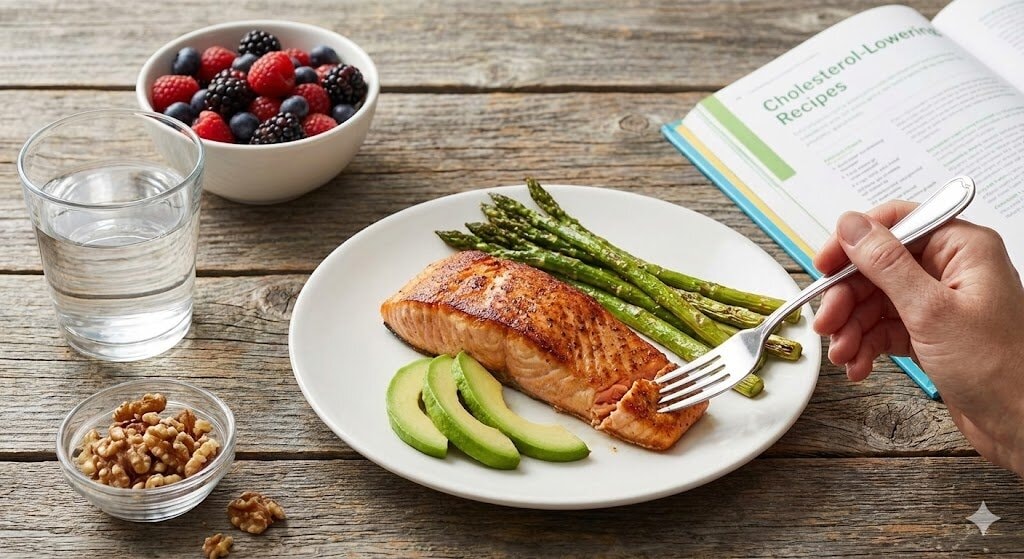
6. High Cholesterol And Fat Intake Balance
Managing cholesterol becomes easier with olive oil and low fat swaps that keep meals satisfying without excess heaviness. These changes help the body handle fats more comfortably. A cleaner baseline supports smoother progress across the plan.
Balanced Meal Practices:
-
Grill your protein (grilled chicken, paneer tikka) instead of frying
-
Use healthy fats like groundnut or sesame oil in small quantities
-
Choose whole foods over processed foods for better heart health
7. Joint Pain And Limited Activity Levels
Joint pain can limit physical activity, which slows early progress. Gentle movement choices make the routine more realistic for beginners. When activity stays manageable, the rest of the plan becomes easier to sustain.
Low-Impact Additions:
-
Try light yoga or 10-minute walks after meals
-
Eat brown rice or complex carbs before physical activity for longer energy
-
Add green tea and anti-inflammatory foods like ginger to the diet
These practical shifts help the diet adapt to your health profile while still supporting a healthy weight. When your meals work with your body, not against it, the plan feels more natural and easier to follow.
"If you want a diet plan that adjusts to your health needs, Balance Bite gives clear, personalised guidance."
Daily Habits That Help Stubborn Body Fat Loss Happen Faster
Stubborn body fat responds better when healthy habits and a healthy lifestyle work together each day. Strength training, balanced diet choices, and simple routines allow the body to stay consistent without strain. These habits support fat loss that feels steady and maintainable.
"You don’t have to cook fancy or complicated masterpieces — just good food from fresh ingredients."
— Julia Child
Understanding how these daily actions influence progress shows what truly moves results forward.
1. Drink Water Before Every Meal
Hydrating before meals helps reduce overeating by increasing satiety and slowing down the meal pace.
Try This:
-
Drink a glass of plain water 15–20 minutes before lunch and dinner
-
Avoid replacing water with sugary drinks or juices
2. Pair Morning Tea With A Short Mobility Routine
Low-intensity movement in the morning helps improve blood flow and sets the tone for an active day, especially if you're working a desk job.
Add To Routine:
-
Do 5 minutes of dynamic stretches or walking in place while sipping tea
-
Keep it simple: shoulder rolls, neck stretches, toe touches
3. Add A Vegetable Portion To Every Lunch
Fiber from vegetables slows digestion and supports better blood sugar control, which helps reduce fat storage over time.
Examples That Work:
-
Add sautéed spinach, cucumber salad, or steamed green peas to your plate
-
Keep half your plate colorful and raw or lightly cooked
4. End Dinner With A Five Minute Walk
This short walk helps glucose regulation and encourages better digestion without needing heavy physical effort.
Make It Easy:
-
Walk around your home or step outside for 5 minutes post-meal
-
Avoid sitting down or lying down immediately after eating
5. Prep One Healthy Food Snack Right After Breakfast
Planning one high-protein or fiber-rich snack in advance reduces the chances of mindless eating later in the day.
Easy Prep Ideas:
-
Roasted moong dal snack in a box
-
1 boiled egg and green tea kept ready for evening hunger
-
Sprouts dinner prepped ahead for a light option
These habit shifts quietly train your body to stay in fat-burning mode without the need for extreme rules. When these cues repeat daily, fat loss becomes less about willpower and more about predictable, healthy eating patterns.
7 Beginner Mistakes That Disrupt A Diet Chart For Weight Loss

A diet chart for weight loss often breaks down when portion control weakens, how many calories are misjudged, extra calories creep in, or more calories are consumed than expected.
Mistakes with complex carbohydrates, food groups, protein sources, or the overall weight loss journey also slow progress. Knowing these patterns makes it easier to spot where the chart needs correction.
1. Skipping Meals To Create A Bigger Calorie Deficit
Skipping meals often leads to confusion about how many calories work for steady results, which then encourages extra calories later in the day. A more even routine keeps energy steady and prevents these rebounds.
Why It Fails:
-
Hunger spikes lead to overeating at night
-
Missed meals reduce nutrient absorption and muscle support
2. Overeating Healthy Foods Like Nuts And Fruits
Healthy foods still need portion control because more calories can slip in quickly when portions grow. Even nutritious choices need balance to keep the diet predictable and aligned with the goal.
Watch Out For:
-
Eating multiple bananas or handfuls of nuts without tracking
-
Assuming “healthy” equals “unlimited”
3. Ignoring Protein In Every Meal
When protein sources are limited, the body misses high protein foods and more protein overall, which affects fullness and strength. A consistent protein base stabilises appetite and supports the wider routine.
Easy Fixes:
-
Add sprouts, eggs, paneer, grilled chicken, or curd to meals
-
Distribute protein intake across breakfast, lunch, and dinner
4. Drinking Too Many High Calorie Beverages
Liquid calories bring extra calories without offering real fullness, which makes the diet harder to manage. Keeping drinks lighter helps reduce hidden intake and keeps the plan more structured.
Swap Smart:
-
Replace fruit juices, milkshakes, or sugary teas with plain water or green tea
-
Limit packaged smoothies unless homemade and portion-controlled
5. Relying Only On Brown Rice And Cutting Other Carbs
Depending only on complex carbohydrates from sources like brown rice can limit food groups and reduce flexibility. A wider mix keeps meals balanced and gives the routine more staying power.
Smart Carb Variety:
-
Rotate with whole wheat roti, millets, oats, or sweet potato
-
Eat brown rice 2–3 times a week, not daily by force
6. Expecting Fast Fat Loss In The First Week
Fat loss rarely follows quick expectations, especially early in the weight loss journey when the body adjusts to new patterns. Progress grows steadier when expectations match the natural rhythm of change.
What To Expect:
-
Early weight change often reflects water shifts, not fat loss
-
Visible changes build after the second or third week
7. Not Tracking Portions In The Diet Chart
Portion control shapes how the diet chart works day to day, influencing consistency and long term balance. Sharper awareness creates smoother patterns and keeps overeating from slipping in unnoticed.
Use Simple Tools:
-
Measure with spoons, cups, or even your hand (e.g. one fist of rice, palm-size protein)
-
Keep one meal in your day measured accurately to set a baseline
Once these beginner-level mistakes are handled, your diet plan stops feeling random and starts behaving like a system. That structure makes it easier to adapt the routine to your specific health needs, which is exactly what the next section does.
What Should You Do After Completing Your First Diet Plan For Weight Loss

After finishing a diet plan, the next steps decide whether weight loss continues or slips away. A healthy lifestyle built on sustainable weight loss habits, balanced diet choices, physical activity, and a clear weight loss plan helps maintain results without feeling restrictive.
"Healthy isn’t a goal, it’s a way of living."
— Jillian Michaels
Understanding these transition steps prepares you to hold your progress with confidence.
1. Stabilise Before You Scale
The first priority after finishing your plan is not jumping to the next challenge. It’s giving your body a few weeks to adjust and stabilise.
-
Continue the same meal timing and portion size for another 7–10 days
-
Don’t suddenly increase calories or “celebrate” with cheat meals
-
Let your appetite signals settle—don’t assume you need more food yet
2. Shift To A Maintenance Routine
You don’t need to diet forever, but you do need structure.
-
Keep 70–80% of your meal routine consistent
-
Reintroduce slightly higher portions only in one or two meals per day
-
Focus more on energy levels, digestion, and sleep quality than the scale
3. Review What Actually Worked
This is the best time to reflect, not rush.
Ask:
-
Which meals kept me full the longest?
-
Which habits felt easy to repeat?
-
Where did I tend to overeat or get distracted?
Even one clear answer here helps craft a better second round if needed.
4. Keep Movement Gentle But Regular
Even low intensity physical activity like walking after dinner or 15-minute bodyweight workouts at home will maintain metabolic momentum.
-
Aim for 20–30 minutes of movement at least 4 days a week
-
Don’t overtrain in hopes of “burning more fat faster”—focus on consistency
5. Use Tools To Track, Not Control
Instead of tracking everything strictly, use tools to stay aware.
-
Weigh yourself once a week at the same time
-
Take photos every two weeks to spot body composition changes
-
Use your old diet chart as a flexible reference, not a strict command
Plan What’s Next, But Don’t Rush It
You don’t have to jump into a new fat loss phase immediately.
-
Stay in maintenance mode for at least 2–4 weeks
-
Use that time to improve cooking skills, build muscle strength, or improve sleep
-
If you want to lose more, plan your next phase with more clarity
The end of one diet plan should never feel like a finish line. It’s more like the halfway mark of a longer, smarter journey where balance starts working in your favor. And if that sounds like your goal, then the way you build your next plan matters even more.
FAQs
1. How Can Beginners Handle Sudden Hunger Pangs Without Breaking Their Routine?
Choose low calorie, high volume snacks like cucumber slices, roasted chana, or a small fruit. A glass of water or herbal tea can also settle sudden hunger and prevent unnecessary snacking.
2. What’s The Best Way To Stay Motivated When Weight Loss Progress Feels Slow?
Shift your focus from daily scale changes to consistent habits. Notice improvements in energy, digestion, and sleep, since these indicators move earlier than visible fat loss.
3. How Should You Adjust Your Portions When Eating Out At Restaurants?
Share large dishes, request less oil, avoid sugary drinks, and pause eating when you feel 80 percent full. These simple steps give you control without feeling restricted.
4. When Is The Right Time To Add Chia Seeds Or Other Functional Foods To Your Diet Plan?
Add functional foods once your routine is stable with meal timing, protein intake, and portion control. They enhance an already working system, not replace the basics.
5. How Can Beginners Balance Social Events While Still Staying In A Weight Loss Routine?
Eat a light meal before leaving, limit calorie dense extras, and rely on portion awareness rather than restriction. A single event will not derail progress when structure stays intact.
Conclusion
Once your meals follow a rhythm and your choices feel familiar, weight loss stops being a struggle and starts becoming a part of how you live. The goal isn’t to flip your diet overnight, it’s to make your routine stronger, one meal and one habit at a time.
You don’t need perfection to see change. You just need a plan that fits your lifestyle and a system that supports it. Start simple, stay steady, and let the results follow.
"Ready to move from ‘dieting’ to a long‑term routine? Balance Bite helps you build sustainable habits step by step."




Leave a comment
Translation missing: en.blogs.comments.discription