

Many women follow a PCOS diet with full effort but see their symptoms return the moment life gets busy. The pattern feels familiar because the real issue is not discipline, it is eating in a way that matches how PCOS changes blood sugar and hormones.
A doctor recommended PCOS Indian diet plan works better since it lowers inflammation, supports hormone balance and keeps daily blood sugar stable. These three shifts decide how predictable your energy, cravings and mood remain through the day.
When meals follow this structure, the body responds with more consistency, and long term progress becomes easier to hold even with routine pressure.
What Is PCOS And What Makes It Hard To Manage?
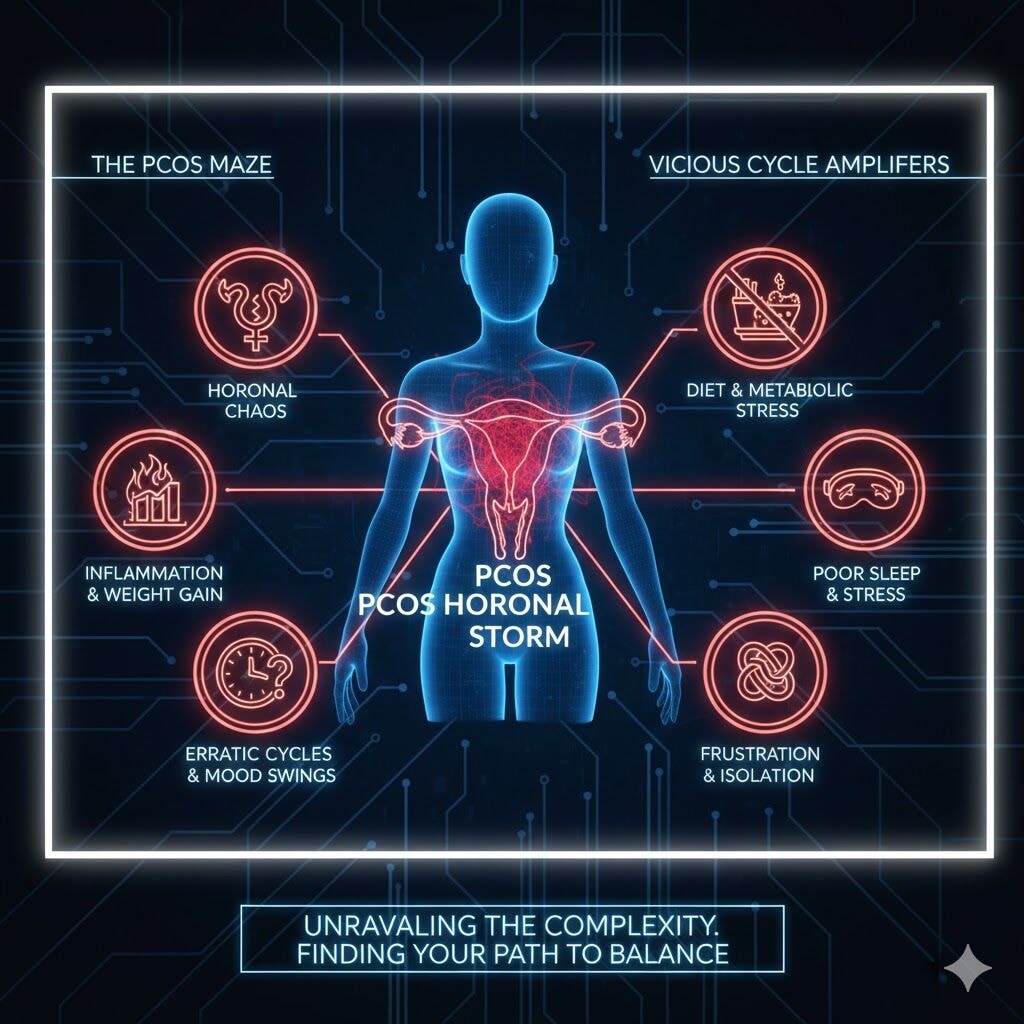
Polycystic ovary syndrome(PCOS) reshapes how hormones behave, which changes the pace of weight gain, the rhythm of irregular periods and the balance between male and female hormones. These shifts build a pattern where symptoms overlap and return in cycles that feel unrelated but share the same biological root.
“PCOS responds best to routine, not restriction.”
— Dr. Meera Kulkarni, Endocrinologist
Seeing polycystic ovarian syndrome as a system wide change, not a cluster of isolated complaints, explains why progress feels uneven and why habits that seem small carry real weight over time.
1. PCOS Disrupts How Your Body Handles Insulin
Insulin resistance pushes the body to release more insulin to manage insulin levels and maintain blood sugar levels. When this pattern deepens and the system becomes insulin resistant, cravings rise and energy falls.
This makes pcos weight loss harder until insulin sensitivity improves through steadier meals and fewer glucose swings.
Key insights
-
Insulin acts as a traffic guide for glucose, and resistance creates congestion
-
A sugary breakfast can cause a steep rise and crash that shapes the rest of the day
-
Small changes, such as protein in the first meal, help improve insulin resistance
When you understand insulin as a rhythm rather than a number, daily choices start to carry clearer meaning.
2. Hormonal Fluctuations Affect Weight, Mood and Metabolism
Hormonal imbalance and androgen shifts influence weight gain patterns and create mood swings that feel disproportionate to food or activity. These changes slow metabolism and affect how easily a woman maintains a healthy weight. When hormones move quickly, routines that once worked no longer deliver the same response.
Key insights
-
Androgen shifts tilt fat storage toward the abdomen
-
Hormones influence fullness signals, even when meals stay the same
-
Emotional swings often follow metabolic swings, not personal habits
This perspective reveals why consistency matters more than intensity for women navigating PCOS.
3. Chronic Inflammation Keeps Symptoms From Settling
Poor diet patterns, saturated fats and trans fats raise inflammatory signals that keep symptoms active. When inflammation remains high, the body uses more energy to manage stress and less to support hormone balance. This strain turns everyday discomfort into a persistent backdrop.
Key insights
-
Frequent bakery items and fried snacks add steady inflammatory load
-
Inflammation reduces movement, which slows metabolic flexibility
-
The effect is cumulative and often unnoticed until it disrupts routine
Reducing this background noise allows the body to respond more predictably to dietary structure.
4. Irregular Periods Make Tracking Progress Difficult
Irregular periods and changing menstrual cycles hide early improvements because progress does not appear in linear steps. Hunger, mood and energy often shift before the cycle stabilises. These signals are easy to overlook but offer early clues about how habits are working.
Key insights
-
A cycle that varies widely masks early gains
-
Improvements may show first in reduced pain or steadier mood
-
Tracking flow quality and symptoms offers a clearer view than dates alone
The more you notice these patterns, the faster you identify what moves symptoms in the right direction.
5. Stress and Sleep Patterns Intensify PCOS Triggers
Stress alters appetite and encourages habits such as skip meals or late night snacking. Even calming additions like sleeping herbal tea help only when rest becomes steady. Poor sleep reshapes hunger hormones and keeps the body in a reactive state, which heightens daily symptoms.
Key insights
-
Short sleep raises hunger hormones and lowers satiety signals
-
Skipping breakfast after a poor night raises evening cravings
-
Persistent stress interacts with insulin, which influences weight and mood
When stress, sleep and food begin to support one another, PCOS becomes easier to manage in daily life.
A clear picture of these mechanisms sets the stage for a structured PCOS Indian diet plan built around anti inflammatory foods, which is where meaningful change begins.
Indian Diet Plan With Anti Inflammatory Foods That Support Hormone Stability In PCOS
An Indian meal pattern built on whole grains, brown rice, olive oil, starchy vegetables, nuts breakfast paneer paratha and seeds dinner rice strengthens hormone stability by reducing inflammatory triggers.
Limiting fried foods, refined carbohydrates, processed foods and processed meats helps your system settle, especially when hormones are sensitive. This creates a food base that supports steadier responses to daily eating.
| Meal | What To Eat | Portion | Approx. Calories | Why It Helps |
|---|---|---|---|---|
| Morning Empty Stomach | Warm water with cinnamon | 1 glass | 0 kcal | Prepares digestion and supports a slower blood sugar rise |
| Breakfast | Moong dal chilla or nuts breakfast paneer paratha | 2 chillas or 1 paratha | 280 to 350 kcal | Protein and fiber help steady insulin and manage cravings |
| Mid Morning | Guava or papaya | 1 medium fruit or 1 cup cubes | 60 to 90 kcal | Natural antioxidants without a rapid glucose spike |
| Lunch | Brown rice or whole grains with dal and starchy vegetables cooked in olive oil | 1 cup rice, 1 cup dal, 1 cup vegetables | 420 to 500 kcal | Balanced carbs and healthy fats reduce inflammation |
| Evening Snack | Roasted chana or a small portion of seeds dinner rice | 1 handful or 1 small bowl | 120 to 150 kcal | Keeps energy steady without fried foods |
| Dinner | Vegetable khichdi or mixed vegetable paneer plate | 1 medium bowl | 280 to 350 kcal | Light meal supports calm digestion and hormone stability |
| Optional Addition | Low fat curd or a salad evening snack | 1 small bowl | 60 to 100 kcal | Adds probiotics and gentle fiber to support gut balance |
When meals follow this pattern, inflammation reduces and daily hormone signals become easier to stabilise, which prepares the ground for understanding how anti inflammatory foods shape the way diet affect PCOS symptoms.
“If you want a PCOS diet chart that adapts to your day instead of restricting it, Balance Bite offers practical plans you can follow without stress.”
How Anti Inflammatory Foods Shape The Way Diet Affect PCOS Symptoms
Anti inflammatory meals influence how diet affect pcos symptoms by reducing insulin spikes and slowing the rise of blood sugar levels. Choosing low gi diet patterns with low gi foods and limiting white rice and white bread helps support stable raising blood sugar levels.
“Blood sugar is the quiet messenger that shapes how your hormones behave.”
— Dr. Arvind Rao, Metabolic Health Specialist
These shifts reduce internal stress and help your system stay calmer during daily routines.
Key effects of anti inflammatory foods on PCOS symptoms. Learn more about how incorporating a high protein diet chart can maximize energy and support your health.
-
They reduce background inflammation, which can ease pelvic discomfort and body aches.
-
They help maintain steady blood sugar levels, so energy slumps and sharp cravings become less frequent.
-
They lower the need for high insulin levels, which supports ovulation and more regular cycles.
-
They support weight management by making it easier to stop eating when you feel comfortably full.
When these foods appear in most meals, pcos symptoms start to follow a more predictable pattern instead of reacting sharply to every food choice.
How Anti Inflammatory Foods Connect With Metabolic Changes
Choosing foods that lower spike blood sugar levels reduces swings that affect hunger and mood. Low gi foods and avoiding white rice or white bread help blood sugar settle. These choices calm insulin spikes and create a steadier metabolic environment that supports long term hormonal stability.
Metabolic shifts to notice
-
Fewer afternoon crashes after lunch when white rice is replaced with whole grains or a mixed khichdi.
-
Less need for constant snacking because meals keep you full for longer stretches.
-
More even mood across the day since large glucose highs and lows become less common.
Once you understand how these foods reshape sugar and hormone rhythms, the next move is to build a daily PCOS diet plan that fits your routine and keeps these benefits steady.
Steps To Create A Daily PCOS Diet Plan That Actually Fits Your Lifestyle
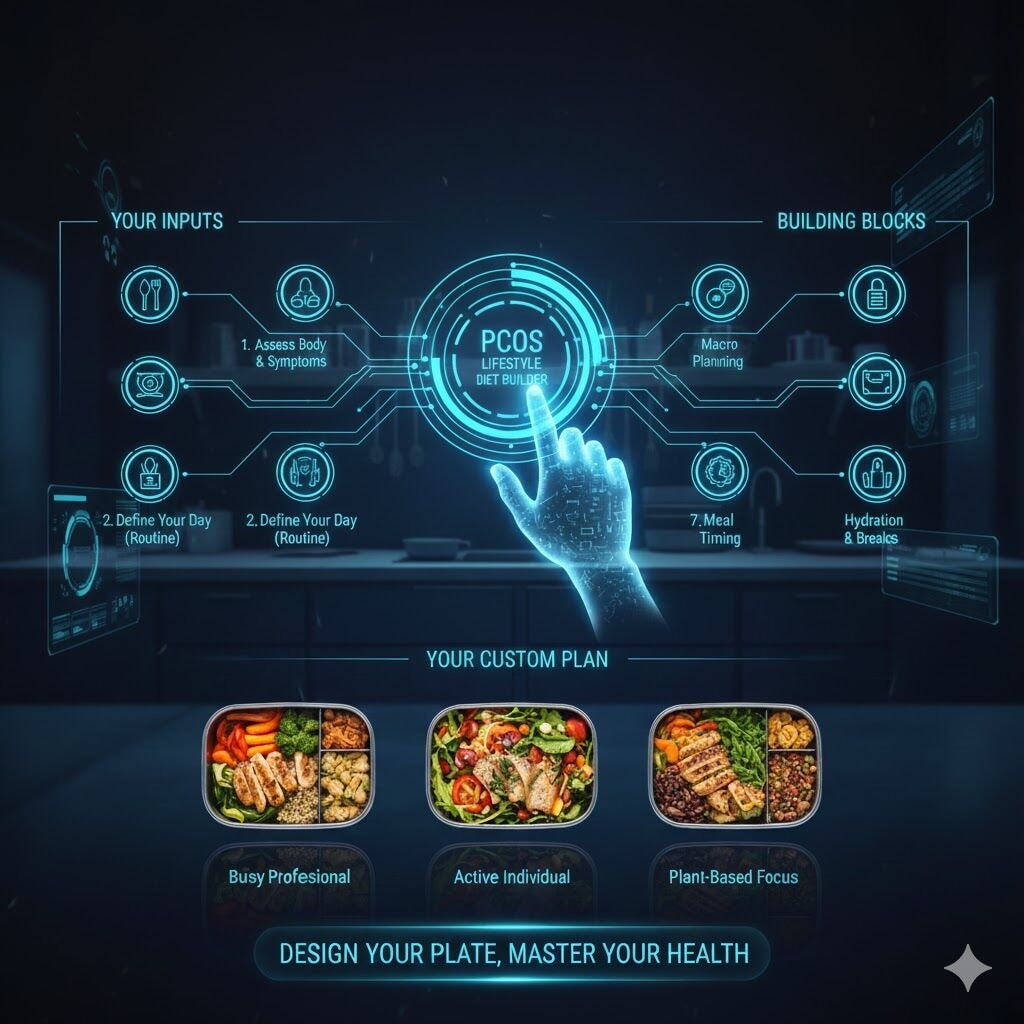
Building a practical PCOS routine starts with recognising eating patterns such as empty stomach mornings or rushed meal food options morning. Adding lean protein, balanced diet habits and a healthy diet structure with whole grains and refined carbohydrates keeps meals consistent.
“Small, repeated food choices often change PCOS symptoms more than dramatic diet shifts.”
— Dr. Rhea Sen, Clinical Nutritionist
Using olive oil for cooking and including nuts breakfast paneer paratha for snacks builds stability, especially for days when you exercise regularly. These steps become clearer once you see how each eating choice fits into your day.
1. Map Your Daily Hunger, Cravings and Energy Highs
Empty stomach mornings and unpredictable hunger spells make eating patterns unstable for many pcos patients. Tracking when you feel low energy or strong cravings helps you understand what triggers them and where your plan for weight loss starts to slip.
Key points
-
Note the first time real hunger appears rather than habit based snacking
-
Track when cravings for sweets or refined foods feel strongest
-
Observe which meals keep you full for three to four hours
This simple log turns unclear eating days into repeatable patterns you can work with while managing pcos.
2. Fix Three Main Meals and Two Snack Timings
Meal food options morning and steady timings stop the tendency to skip meals or snack without structure. A clear schedule strengthens hunger signals, improves focus and lowers the chance of late evening overeating.
Useful structure
-
Breakfast within one to two hours of waking
-
Lunch at a predictable mid day window
-
Evening snack before intense hunger builds
-
Dinner at a time you can maintain on most days
Once timing settles, appetite follows a more stable rhythm.
3. Start Every Plate With Protein, Then Add Fiber and Healthy Fats
Lean protein at every meal anchors appetite and stabilises blood sugar, which improves insulin sensitivity across weeks. Pairing it with a balanced diet and nutrient dense sides supports digestion and steady energy. These choices make a healthy diet more sustainable.
Examples that help
-
Adding lentils, paneer or curd to main meals
-
Using eggs or a besan chilla as breakfast anchors
-
Serving a palm sized portion of protein before rice or roti
This structure also supports male hormones and signals affected in polycystic ovarian disease.
4. Match Your Carb Portions To Your Activity Level
Whole grains and refined carbohydrates shape how quickly energy rises or falls after meals. Matching portions to your movement pattern prevents sudden highs or lows that cause cravings or fatigue.
Ways to adjust
-
Use slightly larger grain servings on workout or high step count days
-
Reduce portions gently on sedentary days
-
Swap heavy white rice meals with mixed grain khichdi or brown rice
These shifts help your body use incoming energy efficiently.
5. Include Anti Inflammatory Foods In At Least Two Meals
Olive oil and other anti inflammatory fats reduce irritation in the system and help energy feel steadier. Adding them to cooked dishes or dressings builds consistency your body recognises across days.
Simple additions
-
Use olive oil or groundnut oil to sauté vegetables
-
Add seeds to curd, salads or vegetable khichdi
-
Include a handful of nuts at breakfast or early snack time
These habits support hormonal balance quietly in the background.
6. Choose Snacks That Prevent Blood Sugar Spikes
Nuts breakfast paneer paratha combinations or light snacks such as salad evening snack provide steady energy without raising glucose quickly. These choices prevent sharp hunger swings and make main meal portions easier to manage.
Smart snack ideas
-
Roasted chana with a few peanuts
-
Vegetable sticks with curd based dip
-
A small portion of peanuts dinner vegetable khichdi on long days
Each snack supports more stable appetite cues.
7. Follow a Simple Morning to Night Eating Routine Consistently
When you exercise regularly and maintain a gentle eating rhythm, metabolism follows a more predictable pattern. This steadiness lowers sudden appetite changes and supports small daily improvements that accumulate over time.
A clear routine also gives your body fewer reasons to resist change, which makes long term managing pcos feel more stable and less reactive.
These steps bring order to meals and make your daily signals more predictable, which is the first shift in stabilising symptoms. With this foundation in place, the next layer is understanding how gut health and blood sugar interact with hormone balance through the rest of the day. For additional support, you may consider following a diet plan for weight loss that promotes balanced meals and healthy habits.
How Gut Health and Blood Sugar Influences Hormones Balance and PCOS Symptoms
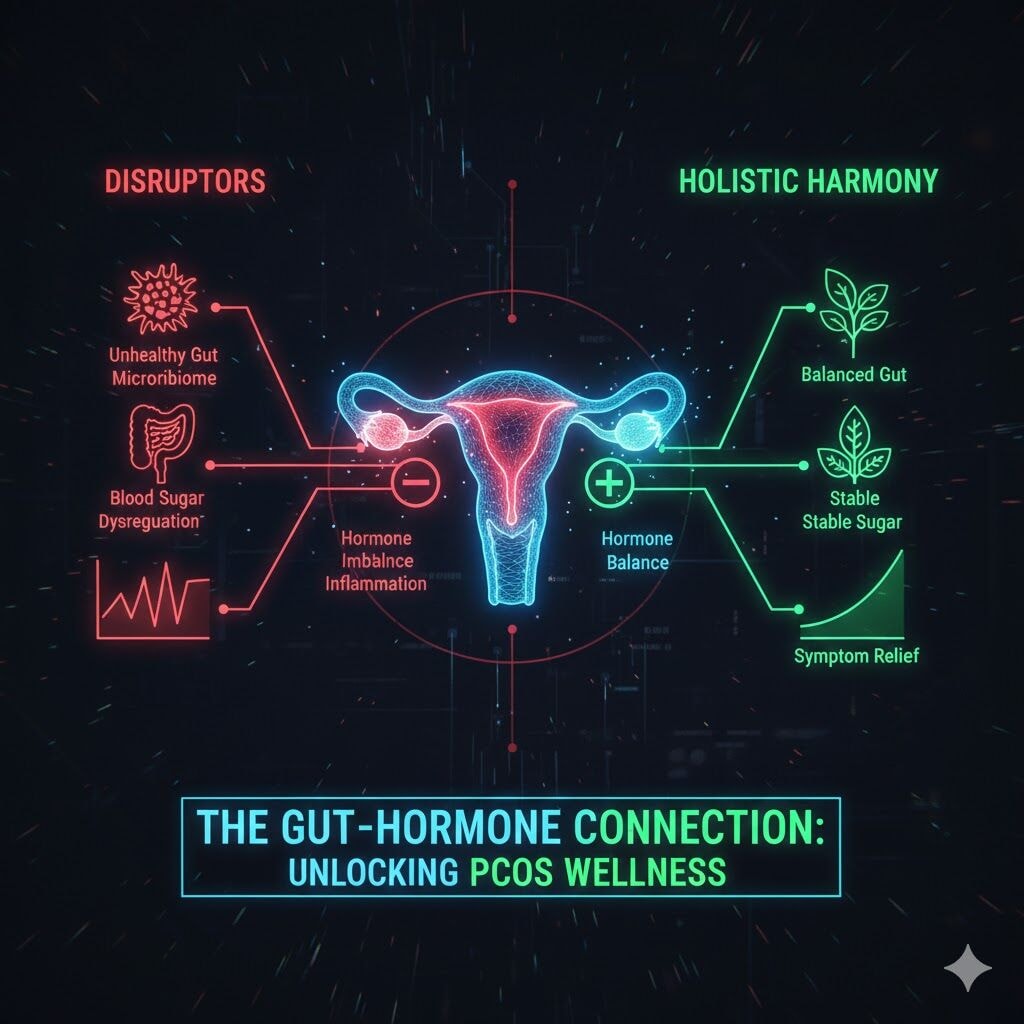
Gut bacteria and blood glucose patterns shape hormone reactions by affecting raising blood sugar levels, spike blood sugar levels and insulin spikes. When these rhythms stay unsteady, hormonal responses become harder to predict.
Balancing blood sugar levels supports smoother reactions and reduces daily fluctuations that show up as symptoms. This connection guides how you approach stabilising your internal rhythm.
Why gut health matters in PCOS
-
Gut bacteria help break down food, which affects how fast sugar enters the blood.
-
An irritated gut lining can make sugar peaks sharper and more frequent.
-
A healthier gut often shows up as less bloating, more regular bowels and steadier appetite.
When the gut handles food calmly, hormone signals do not need to react to constant spikes and dips all day.
Gut Bacteria and Daily Hormonal Reactions
A healthy gut reduces raising blood sugar levels and insulin spikes by improving how nutrients break down. When digestion is steady, these reactions settle and symptoms feel less intense. Balanced gut activity also improves hormonal communication, which is essential for long term stability.
Key points
-
Fermented foods like curd or buttermilk can support a stronger gut environment.
-
Fibre from vegetables, fruits and whole grains feeds gut bacteria in a steady way.
-
Very oily or highly processed meals can disturb this balance and strain digestion.
Small, repeated food choices shape the way your gut behaves each week, which then shapes how responsive or reactive your hormones feel.
How Blood Sugar Patterns Influence Mood and Cravings
Spike blood sugar levels can cause sudden hunger, irritability and cravings that feel urgent. By selecting foods that slow sugar release, mood becomes more stable and appetite feels easier to manage. This pattern strengthens daily consistency and reduces emotional eating.
Patterns to notice for losing weight without dieting
-
A very heavy refined carb meal often brings sleepiness and strong evening cravings.
-
Balanced plates with protein, fibre and healthy fat tend to keep you full for longer.
-
Long gaps without food can make the next meal larger and less controlled.
When sugar rises and falls in a narrower range, your mind and body both get more space to respond calmly instead of reacting to every swing.
Understanding how gut health and blood sugar work together gives you a clear reason to build habits that last, which is why the next step focuses on tips that make your PCOS diet sustainable in real life.
Tips To Make Your PCOS Diet Sustainable Long Term
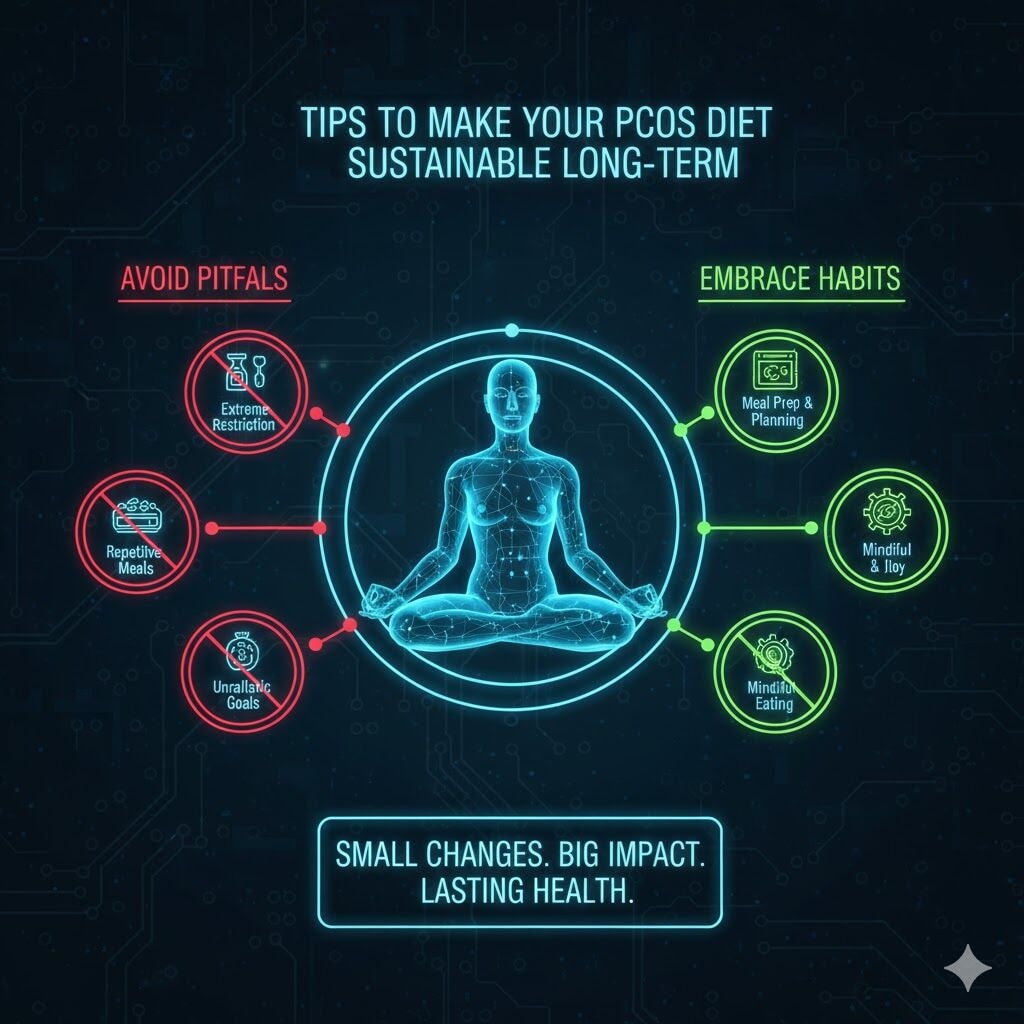
Sustaining progress requires habits that protect healthy weight, especially while following structured plans like pcod diet, pcod diet plan and pcod diet chart. Using sleeping herbal tea for evening relaxation and staying consistent on days you exercise regularly helps your routine stay firm.
Weight loss diet steps work better when flexibility supports long term patterns without pressure.
1. Keep Portions Consistent Through the Week
Consistent portions help maintain a healthy weight and prevent overeating triggered by fluctuating hunger. When serving sizes stay stable, progress becomes easier to track without strict calorie counting. This approach supports long term balance without overwhelming adjustments.
Practical ways to apply this
-
Use the same plate and bowl sizes for most meals in a week
-
Keep roti, rice and sabzi portions roughly similar across weekdays
-
Adjust only one element at a time, such as reducing rice slightly if needed
Portion stability makes your pcod diet feel like a system instead of a daily negotiation.
2. Build a Core Grocery List You Follow Every Month
A predictable grocery list removes confusion and helps maintain a structured eating pattern. When staple foods stay the same, routines feel easier to follow and your plan becomes more sustainable over time.
What a core list can include
-
Regular proteins like lentils, paneer, curd and eggs
-
Whole grains such as brown rice, millets and whole wheat flour
-
Everyday vegetables, fruits, nuts and seeds you know how to use
A stable list keeps your pcod diet plan aligned with your goals even when you shop in a hurry.
3. Use Meal Prep To Avoid Last Minute Choices
Pcod diet, pcod diet plan and pcod diet chart routines become smoother when meals are ready ahead of time. Meal prep reduces decision fatigue and keeps your eating consistent even on busy days.
Simple prep strategies
-
Cook extra dal, sabzi or vegetable khichdi to reuse for another meal
-
Pre cut vegetables for the next day’s curry or stir fry
-
Portion snacks like roasted chana into small containers for the week
Prepared food that fits your plan makes the healthy choice the easy choice.
4. Set a Fixed Rhythm for Sleep and Stress Control
Sleeping herbal tea can support nighttime wind down and reduce late snacking. When rest stays consistent, hunger cues settle and mornings feel less rushed. This rhythm strengthens your body's natural response patterns.
Helpful anchors
-
Set a gentle cut off time for screens at night
-
Use a short routine of tea, light reading or stretching before bed
-
Aim to wake up at roughly the same time on most days
When sleep and stress follow a pattern, your PCOS diet feels supported rather than constantly tested.
5. Include Movement Daily To Support Hormone Balance
Daily movement helps balance hormones and improves how the body handles energy. When you exercise regularly, appetite stabilises and emotional swings reduce. These changes support a steady long term routine.
Ways to keep movement realistic. For those managing diabetes, combining realistic movement with a 7 day Indian diet plan for diabetic patients can help balance your sugar levels and promote healthy routines.
-
Aim for at least a brisk walk on low energy days
-
Combine small walks with chores, such as post meal strolls
-
Keep one or two short strength sessions in the week for overall support
Movement works best when it feels like a normal part of the day, not a special event.
6. Track Patterns Instead of Tracking Every Calorie
Tracking patterns offers clarity without pressure. It helps you notice what works and builds confidence in your routine. This approach feels sustainable and prevents burnout.
What to track
-
How you feel before and after key meals
-
Which foods keep you full for longer stretches
-
Links between sleep, stress and cravings on specific days
Pattern tracking turns your pcod diet chart into a living document instead of a fixed rulebook.
7. Allow Flexible Meals Without Breaking Your Routine
A weight loss diet stays more sustainable when you allow flexibility. Occasional variations do not derail progress when your routine stays strong. Flexibility removes guilt and keeps motivation steady.
Smart flexibility
-
Plan one or two relaxed meals each week within your overall structure
-
Balance richer meals with lighter next meals, not with punishment
-
Focus on returning to your usual rhythm at the very next eating opportunity
When flexibility sits inside a clear system, your pcod diet chart supports your life instead of controlling it.
These habits keep your PCOS diet steady enough to work while still fitting real life.
FAQs
1. Can PCOS women lose weight without following a strict diet plan for weight?
Yes. Weight loss in PCOS depends more on blood sugar stability, consistent meal timing and balanced plates than on strict dieting. Even moderate changes like reducing refined carbs, adding protein and keeping portions steady can create progress without a rigid plan.
2. Is it safe to drink milk during PCOS medication or hormonal treatment?
Yes, most women can drink milk unless they experience acne, bloating or lactose sensitivity. Choosing low fat milk, having it with meals and keeping portions moderate prevents sudden sugar rises and keeps it compatible with medication.
3. How does PCOS affect cravings and emotional eating patterns?
PCOS influences hunger hormones and insulin response, which can create stronger cravings and sharper mood shifts. Blood sugar dips, stress and poor sleep often intensify emotional eating, especially in the late afternoon or evening.
4. Can intermittent fasting be followed alongside a PCOS diet chart for weight management?
Yes, but only when the fasting window remains flexible and meals stay balanced. Long fasts can trigger cravings or overeating later. A gentle 12 to 14 hour overnight fast works better for PCOS than extreme fasting patterns.
5. Why do some women with PCOS feel constant fatigue even after eating balanced meals?
Fatigue often comes from unstable blood sugar rhythms, low iron or vitamin D levels, poor sleep quality or high stress. Even with balanced meals, these factors can affect energy. Identifying the underlying cause usually improves fatigue more than food alone.
Conclusion
A sustainable PCOS routine grows from choices that feel achievable on ordinary days. When food, movement and rest follow a pattern you can repeat without strain, the body begins to respond with more steadiness. The focus shifts from chasing results to building conditions where progress can show up naturally.
What matters now is committing to consistency instead of intensity. Choose the actions you can repeat comfortably and let them settle into your routine. Over time, these quiet habits create the environment your hormones and energy need to function with more ease.
“When you feel ready to follow a structured PCOS plan with support, Balance Bite can help you start with small steps that fit your real life.”




Leave a comment
Translation missing: en.blogs.comments.discription