

Angioplasty opens a blocked artery, but it does not end heart care. What you eat next quietly decides how safe that artery stays over time.
Doctors recommend a specific diet plan after angioplasty because the heart remains sensitive during recovery. The wrong food choices can strain blood vessels, affect cholesterol levels, and increase future risk.
This diet plan is not about restriction or fear. It is about protecting heart safety through daily eating habits that support healing, stability, and long term cardiovascular health.
What Is Angioplasty And How It Affects Heart Health?
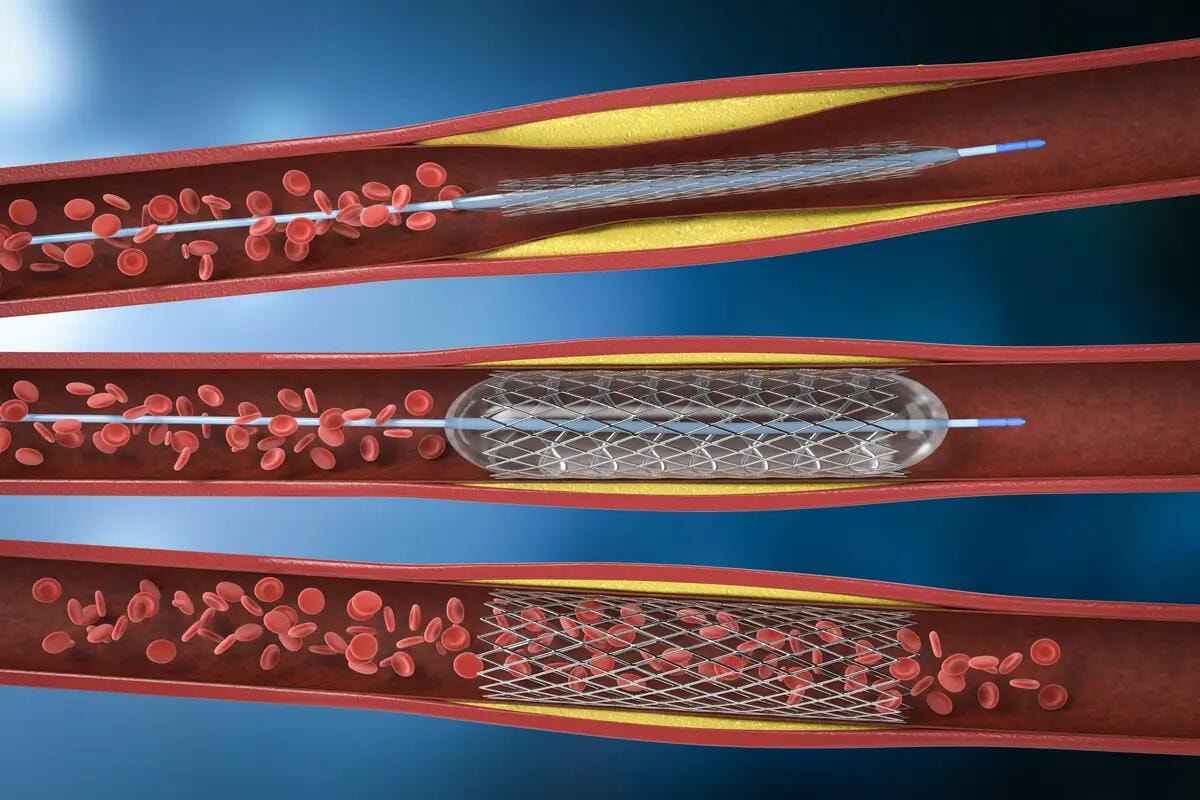
Angioplasty is a minimally invasive procedure, also called percutaneous coronary intervention, used to treat coronary artery disease caused by narrowed coronary arteries and artery blockages.
By opening blocked arteries, the angioplasty procedure helps restore blood flow, reduce chest pain, protect the heart muscle, and lower heart attack risk while improving cardiovascular health. In addition to medical procedures, maintaining cardiovascular health can also be supported by following a balanced and sustainable meal plan. For those interested in Indian cuisine, a weekly Indian-style meal plan may offer long-term results according to nutrition experts.
What Angioplasty Changes Inside the Heart
Angioplasty works by correcting a physical restriction in blood vessels. When an artery opens, oxygen supply to the heart muscle improves immediately.
-
Blood flow increases through previously blocked arteries
-
Oxygen delivery to the heart muscle becomes more efficient
-
Pressure inside narrowed coronary arteries reduces
-
Symptoms like chest pain often ease as circulation stabilizes
Why Angioplasty Does Not End Heart Care
Angioplasty treats the blockage, not the disease behind it. Coronary artery disease develops over time, and blood vessels remain sensitive even after an artery is opened.
Without supportive daily habits, artery blockages can slowly return, limiting blood flow again and raising long term cardiovascular risk.
A Realistic Example
Someone who struggled with chest pain during short walks may feel relief after angioplasty because blood flow is restored. That relief lasts only when blood vessels are protected from further damage.
Recognizing this gap between restored blood flow and long term protection explains why food choices become the next deciding factor.
Dietary Mistakes That Elevate Heart Disease Risk Post Angioplasty
After angioplasty, diet mistakes can quietly reverse progress by worsening blood flow and triggering new artery blockages. Poor food choices increase risk factors tied to heart disease, especially when saturated fats, processed foods, and excess salt interfere with healthy arteries.
These patterns raise pressure on blood vessels and undermine recovery. Understanding these mistakes clarifies exactly what needs correction to protect post angioplasty outcomes.
1. Continuing High Intake Of Saturated Fats
High intake of saturated and trans fats introduces unhealthy fats that contribute to plaque formation inside blood vessels. These fats promote artery blockages, restrict blood flow, and increase cardiovascular strain, even after arteries have been opened through angioplasty.
How It Shows Up
-
Frequent ghee, butter, cream, and fatty cuts
-
Packaged snacks that quietly add saturated and trans fats
Example
A breakfast that looks small but includes butter and fried sides can still load the day with unhealthy fats.
2. Ignoring Portion Control And Overeating
Ignoring portion control often leads to gradual weight gain, which places extra workload on the heart. Excess body weight disrupts circulation, affects blood pressure regulation, and increases stress on arteries already vulnerable post angioplasty.
Why It Matters
-
Weight gain increases oxygen demand on the heart
-
Larger meals can trigger blood sugar swings that strain recovery
3. Relying On Fried And Processed Foods
Frequent reliance on fried foods and processed foods introduces foods to avoid after angioplasty due to their high fat and sodium content. These certain foods worsen artery health and interfere with stable blood flow recovery.
Foods That Commonly Cause Trouble
-
Deep fried snacks and fast food
-
Processed meats and packaged meals
-
Bakery items with hidden fats and salts
4. Excessive Salt Consumption
High salt intake and high sodium foods raise blood pressure, strain blood vessels, and can raise blood pressure beyond safe ranges. This directly affects heart stability and increases long term cardiovascular risk after angioplasty.
Connection To High Blood Pressure
High blood pressure forces the heart to pump harder, which makes artery healing less stable and increases long term risk.
5. Skipping Fruits, Vegetables, And Whole Grains
Skipping fruits and vegetables, fresh fruits, and whole grains removes key fiber and nutrients that support circulation. This weakens cholesterol balance and reduces the body’s ability to protect healthy arteries.
What Gets Missed
-
Fiber that supports cholesterol control
-
Antioxidants that protect blood vessels
6. Low Intake Of Lean Proteins
Low intake of lean protein sources limits tissue repair and muscle maintenance. Without adequate protein, recovery slows and overall cardiovascular resilience weakens during post angioplasty recovery.
Simple Recovery Logic
-
Healing needs protein support
-
Weak intake delays strength and stamina returning
7. Replacing Healthy Fats With Refined Oils
Replacing healthy fats with refined oils removes protective fats like olive oil that support artery flexibility. This shift reduces lipid balance and increases cardiovascular stress.
Better Direction
-
Keep fats purposeful, not random
-
Choose oils that support heart recovery instead of adding strain
8. Frequent Sugar And Sweetened Beverage Intake
Frequent sugar intake disrupts metabolic stability and increases inflammation, indirectly affecting blood vessels and heart efficiency even when fat intake appears controlled.
Example
A daily sweet drink can keep inflammation high even when meals look “light.”
9. Irregular Meal Timing And Long Gaps Between Meals
Irregular meal timing weakens proper diet structure and affects glucose and lipid control. These fluctuations place avoidable stress on the cardiovascular system.
What Helps
-
Consistent meal timing
-
Smaller gaps that prevent overeating later
10. Assuming Angioplasty Eliminates The Need For Dietary Discipline
Believing angioplasty can cure heart disease ignores ongoing risk factors. Without dietary discipline, artery blockages can return and long term outcomes decline.
Why This Belief Is Risky
Angioplasty restores flow, but coronary heart disease still depends on daily inputs, especially food quality and consistency.
Many of these mistakes happen because eating stays unplanned. A diet chart after angioplasty works because it turns a diet rich routine into repeatable structure, so daily meals protect blood vessels instead of testing them.
Clinically Recommended Diet Plan For Safer and Faster Recovery After Angioplasty
A diet after angioplasty focuses on structured nourishment rather than restriction. A healthy diet plan built on balanced diet principles supports heart healthy foods, essential vitamins, and stable circulation.
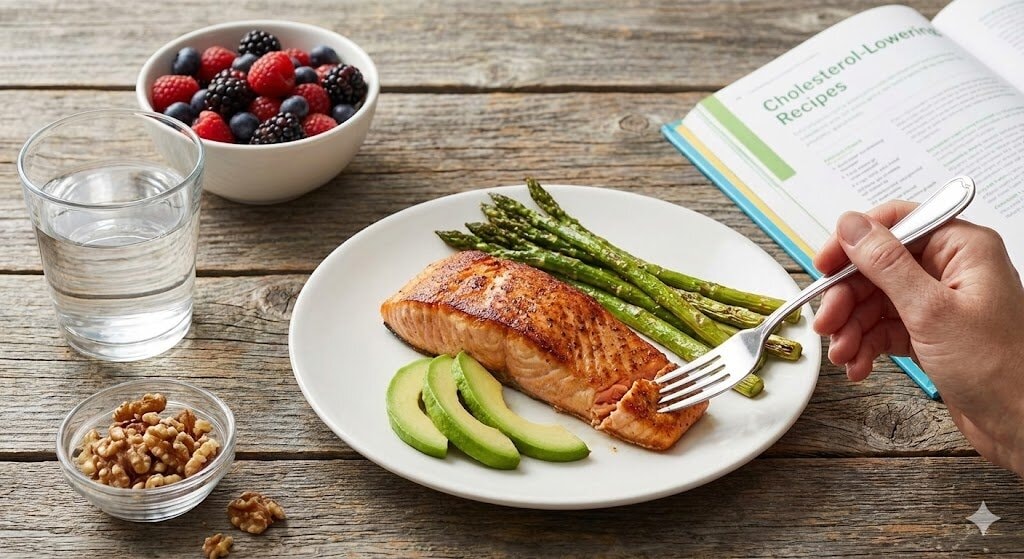
Including fatty fish, brown rice, and healthier cooking methods helps support heart health while protecting opened arteries.
| Meal | Vegetarian Option (Portion • Calories) | Non-Vegetarian Option (Portion • Calories) | Vegan Option (Portion • Calories) |
|---|---|---|---|
| Early Morning | Warm water + 4 soaked almonds • 80 kcal | Warm water + 4 soaked almonds • 80 kcal | Warm water + 6 soaked almonds • 90 kcal |
| Breakfast | Vegetable oats porridge, 1 bowl (200 g) • 220 kcal | Boiled eggs, 2 + 1 whole wheat toast • 260 kcal | Oats with soy milk and seeds, 1 bowl • 240 kcal |
| Mid-Morning | Fruit bowl, 1 cup • 100 kcal | Fruit bowl, 1 cup • 100 kcal | Fruit bowl, 1 cup • 100 kcal |
| Lunch | Brown rice, 1 cup + dal, 1 cup + vegetables • 420 kcal | Brown rice, 1 cup + grilled fish, 100 g + vegetables • 450 kcal | Brown rice, 1 cup + chickpea curry, 1 cup • 440 kcal |
| Evening Snack | Roasted chana, 1 handful • 150 kcal | Roasted chana, 1 handful • 150 kcal | Roasted chana, 1 handful • 150 kcal |
| Dinner | 2 chapatis + mixed vegetable curry • 350 kcal | 2 chapatis + grilled chicken, 100 g + vegetables • 380 kcal | 2 chapatis + tofu vegetable stir-fry • 360 kcal |
| Bedtime (optional) | Turmeric milk, low-fat, 1 cup • 120 kcal | Turmeric milk, low-fat, 1 cup • 120 kcal | Warm soy or almond milk, 1 cup • 110 kcal |
Download a Personalized Diet Chart Based on Your Health Markers
Cooking Guidelines Used Across All Options
-
Prefer steaming, grilling, boiling, or shallow sautéing
-
Use minimal oil, ideally olive oil or similar heart-safe oils
-
Keep salt controlled and flavors balanced with herbs and spices
This table is not about perfection or short-term recovery. It creates a repeatable structure where portions, calories, and food quality work together to reduce strain on blood vessels while supporting healing.
When daily meals follow this pattern, attention naturally shifts from avoiding mistakes to sustaining habits that keep recovery steady and heart safety intact over time.
How Long Diet Changes Need To Be Maintained After Angioplasty?
Diet changes after angioplasty are not temporary adjustments. During post angioplasty recovery and beyond, consistent habits support a normal life and a healthy life by preventing repeat artery narrowing. These changes protect blood flow stability and reduce relapse risk over time.
The Practical Timeline Most People Need
The duration is not measured in weeks, it is measured in stability. The goal is to keep arteries open, support healing, and reduce repeat events.
-
First 2 to 6 weeks, follow the plan strictly to support healing and medication response
-
Next 3 to 6 months, lock in routine so food choices stop being unpredictable
-
Long term, keep the same principles, adjust portions and variety as health markers improve
What “Maintained” Actually Means
This does not mean eating the same meals forever. It means keeping the same standards.
-
Keep saturated fats low and fiber intake consistent
-
Maintain stable meal timing to support blood sugar and lipids
-
Use cooking methods that protect blood vessels, not overload them
Example
If cholesterol improves after three months, the plan is not removed. It is refined, with better flexibility but the same core rules.
Once the timeline is clear, the next step is understanding what benefits this consistency creates inside the body, and why those gains show up faster than most people expect.
Benefits Of This Heart Healthy Diet During Recovery After Angioplasty

A heart healthy diet delivers measurable benefits beyond symptom control. By improving cholesterol balance, lowering inflammation, and supporting healthy arteries, this approach strengthens recovery while reducing future complications.
Each benefit works together to protect circulation, heart function, and metabolic balance.
1. Improved Cholesterol Level Control
Balanced food intake supports healthier cholesterol distribution, reducing plaque buildup inside blood vessels and maintaining smoother blood flow.
2. Reduced Risk Of Future Heart Disease
Stable dietary patterns lower the risk of heart disease by addressing lipid imbalance, inflammation, and arterial stress simultaneously.
3. Better Healing And Recovery Post Angioplasty
Adequate nutrients support tissue repair, circulation stability, and improved heart muscle function after angioplasty.
4. Lower Inflammation In Blood Vessels
Foods that reduce inflammation help protect vessel walls, improving flexibility and blood flow efficiency.
5. Improved Blood Pressure Stability
Balanced intake supports lower blood pressure and reduces vascular strain on the heart.
6. Stronger Long Term Heart Health Protection
Consistent eating habits promote a healthy heart and maintain healthy arteries over time.
7. Better Weight And Metabolic Balance
Maintaining a healthy weight reduces cardiac workload and improves metabolic efficiency.
8. Reduced Chances Of Repeat Cardiac Events
Lower strain on the heart reduces the likelihood of heart failure and future complications.
9. Improved Energy Levels And Daily Functioning
Efficient nutrient use supports stamina and daily physical capacity.
10. Safer Long Term Outcomes For Angioplasty Patients
Sustained dietary structure improves overall prognosis and quality of life.
Example
People often notice that walking feels easier and daily fatigue reduces once these benefits settle together rather than appearing in isolation.
Why These Benefits Appear Together
Recovery after angioplasty improves when food supports the same systems the procedure addressed. Stable nutrition helps improve blood flow, reduces strain on blood vessels, and allows the heart to function with less resistance.
With these benefits clear, the focus naturally shifts to how daily habits beyond food help preserve these gains and keep recovery stable over the long term.
Long Term Lifestyle Changes For Maintaining Heart Health After Angioplasty

Lifestyle changes extend the benefits of diet by addressing daily behaviors that influence circulation and recovery. A healthy lifestyle focused on movement, stress balance, and medical adherence supports maintaining heart health while reducing long term risks.
1. Regular Physical Activity Approved By Your Cardiologist
Appropriate exercise supports circulation and reinforces positive lifestyle changes without overloading the heart.
What It Usually Looks Like
-
Daily walking at a steady pace
-
Light stretching or mobility work
-
Gradual progression based on medical advice
Example
A 20 minute walk after dinner often becomes the simplest habit that stays consistent for months.
Consistent Sleep And Rest Patterns
Adequate rest allows cardiovascular systems to recover and stabilize.
Why It Works
-
Sleep supports hormone balance
-
Rest improves heart rate stability
-
Routine reduces daily stress load
3. Effective Stress Management And Mental Wellbeing
Learning to manage stress reduces hormonal strain that affects blood pressure and heart rhythm.
Practical Stress Tools
-
Short breathing routines
-
Quiet walks without screens
-
Clear work and rest boundaries
4. Smoking Cessation And Tobacco Avoidance
Choosing to quit smoking protects arteries from further damage and improves oxygen delivery.
What Helps People Stay Quit
-
Removing triggers at home
-
Replacing the habit with movement
-
Using medical support when needed
5. Limiting Alcohol Consumption
Moderating drink alcohol habits prevents excessive alcohol from destabilizing heart rhythm and pressure.
A Safe Direction
-
Keep frequency low
-
Avoid binge patterns
-
Prioritize hydration and meals
Routine Medical Follow Ups And Monitoring
Regular checkups detect early warning signs before complications escalate.
What Monitoring Usually Includes
-
Blood pressure checks
-
Cholesterol testing
-
Medication review
7. Adherence To Prescribed Medications
Medication consistency supports vessel stability and cholesterol regulation.
What Consistency Protects
-
Stent safety
-
Stable blood pressure control
-
Long term artery protection
8. Maintaining A Healthy Body Weight
Sustaining a healthy weight reduces long term cardiovascular strain.
What Supports Healthy Weight Most
-
Regular meal timing
-
Daily movement
-
Consistent sleep
How To Apply These Changes Without Overcomplicating Life
-
Focus on repeatable habits, not intense upgrades
-
Keep routines consistent, even on busy days
-
Track one or two health markers with your doctor
With lifestyle habits in place, the final piece is knowing when expert guidance is needed so small warning signs never turn into avoidable setbacks.
When To Consult A Doctor Or Dietitian After Angioplasty?

Professional guidance becomes necessary when symptoms persist, uncertainty arises about foods to avoid after angioplasty, or tolerance issues appear with spicy foods.
Doctors and dietitians help personalize recovery plans, monitor progression, and prevent missteps that compromise healing.
When A Doctor Should Be Involved
Some signals need medical review because they can reflect changes in circulation, medication response, or blood pressure control.
-
New or returning chest discomfort
-
Unusual shortness of breath during basic activity
-
Dizziness, faintness, or irregular heartbeat
-
Swelling in legs or sudden weight changes
-
Blood pressure readings that stay unusually high
When A Dietitian Adds Real Value
A diet plan can look correct on paper and still fail in real life. Dietitians help you solve the friction points that keep consistency from sticking.
-
Confusion about foods to avoid after angioplasty in daily meals
-
Digestive discomfort, including sensitivity to spicy foods
-
Appetite loss, fatigue, or low protein intake
-
Difficulty balancing calories with weight goals
-
Trouble planning meals around work schedules
Example
If blood pressure stays elevated even with careful eating, a doctor can adjust treatment, and a dietitian can audit salt sources you missed.
Book a Free Nutrition Assessment with a Certified Expert
FAQs
1. Is Appetite Or Taste Change Common After An Angioplasty Procedure?
Yes. Temporary appetite loss or mild taste changes can occur due to medications, stress, or recovery fatigue. These usually settle as the body stabilizes and routines return to normal.
2. Can Occasional Eating Of High Sodium Foods Cause Immediate Problems After Recovery?
Occasional intake is unlikely to cause immediate harm, but repeated high sodium meals can raise blood pressure and strain blood vessels, which slows long term recovery.
3. Does Family History Still Matter Even With Good Habits After Angioplasty?
Yes. Family history remains a risk factor, but consistent diet, activity, and medical care can significantly reduce how strongly that risk shows up.
4. How Does Stress Influence The Long Term Risk Of Heart Disease After Angioplasty?
Chronic stress raises blood pressure and disrupts heart rhythm. Over time, this increases cardiovascular strain even when diet and medication are well managed.
5. Can Travel Or Irregular Daily Schedules Affect Heart Stability After Angioplasty?
Yes. Irregular sleep, missed meals, dehydration, and medication timing issues during travel can affect heart stability if they become frequent or prolonged.
Conclusion
Angioplasty sets the stage, but heart safety is built through what happens next. A clear diet plan turns medical advice into daily structure, removing guesswork from meals and decisions.
When eating follows a plan designed for protection, consistency becomes easier, recovery feels steadier, and long term confidence grows naturally. This is how care moves from the hospital into real life, quietly and effectively.
Start Personalized Nutrition Support — Speak With a Clinical Expert Now




Leave a comment
Translation missing: en.blogs.comments.discription