

You open your fridge with good intentions, then pause, because every diet rule you have heard tells you something has to go. Rice, bread, snacks, comfort food, one by one, enjoyment feels like the first sacrifice.
That is where diet planning usually breaks. Not because food is unhealthy, but because the plan feels disconnected from how people actually eat, think, and live every day.
A diet plan works only when structure replaces restriction. The focus shifts from cutting foods out to arranging meals in a way that supports health, balance, and consistency without killing enjoyment.
What Makes Creating a Diet Plan So Confusing for Most People?
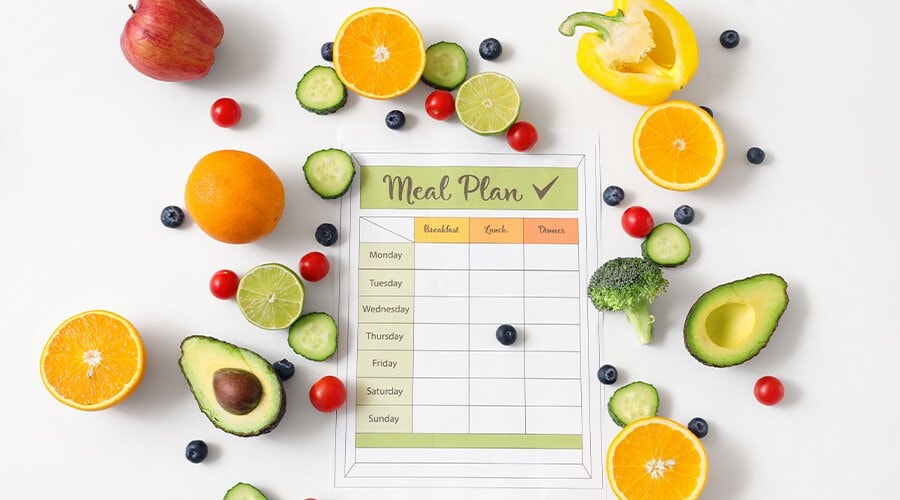
Creating a diet plan feels confusing because nutritional needs differ across age groups, lifestyles, and bodies. Dietary guidelines often feel generic, while advice from a registered dietitian is not always accessible.
Without understanding the building blocks of food and the right balance, people struggle to structure eating in a way that feels sustainable.
Where Confusion Actually Begins
Diet planning rarely fails at motivation. It fails at decision clarity.
-
A college student eating between classes and a professional working late nights need different meal rhythms.
-
Nutritional needs shift with age groups, activity levels, and recovery capacity.
-
The same food can support one routine and disrupt another.
When these differences are ignored, plans feel correct on paper but collapse in daily life.
Why Dietary Guidelines Feel Hard to Apply
Dietary guidelines describe patterns, not situations.
-
They explain what balanced eating looks like over time.
-
They do not solve day-to-day decisions like late dinners, skipped lunches, or social meals.
-
They focus on categories, not timing, portions, or practical tradeoffs.
This gap leaves people unsure how to translate guidance into real meals.
What a Registered Dietitian Clarifies
A registered dietitian brings structure to scattered information.
-
Nutritional needs are aligned with routine, health priorities, and age group.
-
Food building blocks are arranged to support energy and digestion.
-
Balance replaces restriction, making the plan easier to maintain.
Even without direct access, this way of thinking can still guide better choices.
The Two Core Elements Most Plans Miss
Sustainable eating relies on two essentials.
1. Building blocks
Foods that provide energy, protein, fiber, fats, and micronutrients in reliable amounts.
2. Right balance
How those foods are arranged across meals so hunger stays steady and decisions stay simple.
Example
A plan that removes foods often triggers rebound eating.
A plan that adjusts balance usually holds.
-
Reduce portions instead of eliminating staples.
-
Add vegetables and protein before cutting entire foods.
-
Plan one consistent snack instead of avoiding snacks altogether.
When these foundations are clear, it becomes easier to see how imbalance affects weight and health over time, which is where the next section naturally leads.
The Impact of an Unbalanced Diet on Weight Loss and Health
An unbalanced diet disrupts blood sugar, increases fat storage, and raises the risk of heart disease and cardiovascular disease. Over time, it contributes to developing heart disease, difficulty maintaining a healthy weight, and poor overall health.
When nutrition lacks balance, well being suffers and the chance of a healthier life with lower risk outcomes declines.
What “Unbalanced” Looks Like in Real Meals — see also our guide to building a 2000 calorie diet menu for full, nutritious meal planning.
An unbalanced pattern is not always junk food. It is often a meal that looks normal but misses the right mix.
-
A carb heavy plate with little protein or fiber can spike blood sugar, then crash energy.
-
A high fat day with low vegetables can raise saturated fats and reduce nutrient intake.
-
A “light” day that is too low in calories can increase hunger, then trigger overeating at night.
Why Weight Loss Gets Stuck Even With Effort
Weight loss depends on more than eating less. Your body responds to patterns.
-
Frequent blood sugar swings increase cravings and make portion control harder.
-
Low fiber and low protein reduce fullness, so calories rise without you noticing.
-
High saturated fats and low activity can worsen markers linked to heart disease.
What This Means for Good Health Over Time
Good health is not only about reaching a number on the scale. It is about how the body functions daily.
-
Steadier blood sugar supports better focus, mood, and appetite control.
-
Balanced meals support digestion, sleep quality, and energy stability.
-
A consistent pattern helps you maintain health instead of resetting every few weeks.
Example: Drinking green tea after meals can feel like a healthy habit, but it cannot fix an unbalanced plate. When the meal has better balance, small habits like this support the system instead of trying to rescue it.
The Practical Takeaway
Balance is not a strict diet rule. It is a protective structure that lowers risk, supports well being, and makes weight loss more predictable.
Once this impact is clear, the next step is learning which food groups supply the nutrients that make balance possible in everyday meals.
Key Food Groups Every Healthy Diet Plan Must Include
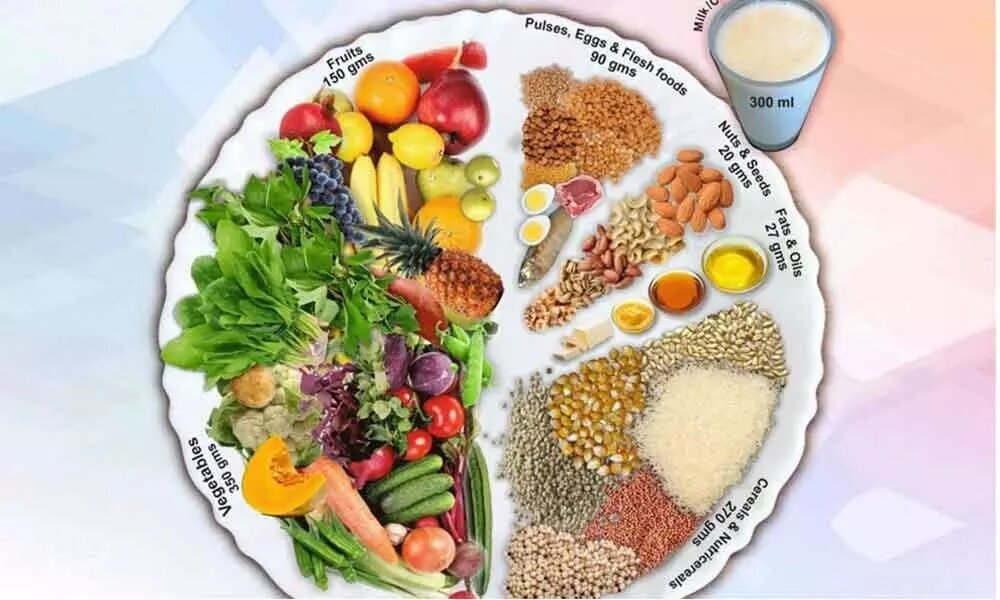
A healthy diet plan works only when different food groups are combined to deliver all the nutrients the body needs. Each group supplies essential nutrients that support energy, repair, and protection against disease. Ignoring or overusing any group disrupts balance and weakens results.
Why Food Groups Matter More Than “Perfect Foods”
Each food group plays a clear role. When one group is missing, the body compensates through hunger, cravings, and low energy.
1. Carbohydrates
Carbohydrates are a primary energy source, but quality matters. Refined grains such as white rice and white bread digest quickly and spike blood sugar, while complex options provide steadier fuel.
Choosing carbohydrates carefully helps regulate appetite, supports energy levels, and prevents extreme hunger that often leads to overeating later in the day.
Best practice
-
Prefer complex carbs for daily meals, keep refined grains occasional
-
Pair carbs with protein or vegetables to slow digestion
Example: A plate of white rice alone often leaves you hungry fast, white rice with dal and greens holds better.
2. Proteins
Protein rich foods help preserve muscle, control appetite, and support recovery. Sources like grilled fish, fish, meat, and plant proteins slow digestion and improve satiety.
Adequate protein intake stabilizes meals, reduces cravings, and makes a diet plan easier to follow without frequent snacking or excessive portion sizes.
Best practice
-
Add protein to every main meal
-
Rotate sources so meals stay easy to repeat
Example: Grilled fish with vegetables keeps dinner lighter while still satisfying.
3. Healthy Fats
Fats are essential for hormone balance and nutrient absorption, but type and quantity matter. Excess saturated fats can increase health risks, while moderate intake from sources like nuts supports fullness and heart health.
Including healthy fats correctly improves meal satisfaction without pushing calories too high.
Best practice
-
Use fats to support satiety, not to build the whole meal
-
Keep saturated fats limited, rely more on nuts and similar sources
4. Green Leafy Vegetables
Green leafy vegetables provide essential vitamins, vitamin C, and protective compounds that support digestion and immunity. Their high volume and low calorie density allow larger portions without excess intake. Regular inclusion strengthens nutrient coverage and improves overall meal balance.
Best practice
-
Add leafy vegetables daily, even in small portions
-
Use them to increase volume without adding many calories
5. Fruits
Fresh fruit and dried fruit supply fiber, antioxidants, and natural sweetness that support micronutrient intake. Including fruit reduces dependence on processed sweets while adding variety to meals. Portion awareness ensures fruit contributes to balance without quietly increasing sugar or calorie intake.
Best practice
-
Choose fresh fruit more often, treat dried fruit as concentrated
-
Pair fruit with a protein source when hunger is high
6. Whole Grains (Including Brown Rice)
Whole grains such as whole wheat, whole wheat pasta, grains, and brown rice provide sustained energy and fiber. Replacing refined grains with whole grains improves digestion, stabilizes blood sugar, and supports long lasting fullness across meals, which can be a helpful strategy if you're looking to break through stalls in your weight loss.
Best practice
-
Make whole grains the default for daily meals
-
Shift gradually, so digestion adapts comfortably
7. Dairy and Dairy Alternatives
Milk and dairy alternatives contribute protein, calcium, and essential minerals that support bone strength and muscle function. Including these foods helps fill nutritional gaps, especially when mineral intake from other sources is inconsistent.
Best practice
-
Choose options that fit digestion and routine
-
Use dairy as support, not as the main calorie source
8. Water and Fluids
Adequate intake of water supports digestion, circulation, and stable energy levels. Dehydration often mimics hunger, leading to unnecessary eating. Proper hydration quietly supports appetite control and helps the body process nutrients efficiently throughout the day.
Best practice
-
Drink steadily through the day, not only at meals
-
Notice thirst signals before reaching for snacks
Example: Afternoon “hunger” often fades after a glass of water and a short pause.
What Each Group Helps You Do
-
Stay full longer without relying on constant snacks
-
Keep blood sugar steadier across the day
-
Support muscle repair and recovery
-
Cover essential vitamins and minerals through normal meals
Once these food groups are familiar, turning them into balanced meals becomes a simple planning task rather than a daily guessing game.
Need help turning food groups into actual meals?
MyBalanceBite breaks down balanced plates, portion logic, and everyday food choices in a way that’s easy to follow.
8 Steps to Make a Diet Plan Using a Balanced Diet Approach
A balanced diet approach focuses on structure rather than restriction. These steps connect nutrition basics, calories, food quality, and habits into one practical system. Instead of rigid rules, the process adapts to lifestyle and progress over time.
1. Identify Your Goal First
Clear goals shape food choices, meal timing, and portion decisions. Whether the focus is health, energy, or weight, defining intent prevents random eating patterns and unrealistic expectations that often derail consistency.
What to decide
-
Primary goal, fat loss, better energy, better digestion, or strength
-
Time frame that matches real life, not urgency
-
Non negotiables, foods you will keep, routines you must follow
Example: If energy is the goal, skipping breakfast to cut calories usually backfires by afternoon.
2. Understand Your Daily Energy Needs and How Many Calories You Require
Knowing how many calories you need aligns nutrition with activity and metabolism. Calories, nutrition, and nutritional balance work together to prevent chronic under eating or excess intake that stalls progress.
What matters most
-
Your activity level, sedentary, moderate, or highly active
-
A realistic calorie range you can repeat
-
The difference between a small deficit and a drastic cut
Example: A moderate deficit supports consistency, a harsh cut often leads to rebound eating.
3. Build Meals Around Key Food Groups
Structuring meals around different food groups ensures essential nutrients and all the nutrients are covered consistently. This approach simplifies planning and reduces reliance on tracking every ingredient or macro.
A simple structure
-
One protein source
-
One carbohydrate or whole grain
-
One vegetable portion, ideally two
-
One healthy fat in a small amount
This keeps meals balanced without turning eating into math.
4. Create a Healthy Plate for Each Main Meal
Balanced meals built using a healthy plate model combine different food groups in appropriate proportions. This supports essential nutrients, healthier choices, and predictable portion balance without constant measurement.
Healthy plate cues
-
Half the plate, vegetables
-
One quarter, protein
-
One quarter, carbs or whole grains
-
A small fat source, based on the meal
Example: Rice, dal, and greens in proper portions often works better than cutting rice completely.
If you prefer examples over rules, MyBalanceBite shares practical meal ideas that fit these steps without cutting out foods you enjoy.
5. Choose Whole Foods Over Processed Foods
Whole foods reduce dependence on processed foods that are often high in added sugars and sugar. This shift improves food quality, stabilizes appetite, and makes calorie intake easier to manage naturally.
What to swap
-
Packaged snacks, replace with fruit, curd, nuts, or roasted chana
-
Sugary drinks, replace with water or unsweetened options
-
Ready meals, replace with simple home cooked combinations
Example: Added sugars hide in sauces and “healthy” bars more often than people expect.
6. Start Portion Control for Long-Term Weight Management
Portion control focuses on portion sizes rather than food elimination. Aligning intake with body needs supports steady weight regulation and prevents gradual overeating that often goes unnoticed.
Portion anchors
-
Use the same plate size for most meals
-
Keep carbs measured, keep vegetables generous
Example: Two small servings eaten slowly often beats one oversized plate eaten fast.
7. Plan Meals That Support Healthy Eating Consistency
Including different foods and planned snack options helps healthy eating fit real routines. Consistency improves when meals feel flexible rather than restrictive or repetitive.
Planning that holds
-
Repeat a few core breakfasts and lunches
-
Keep two snack options ready for busy days
-
Rotate dinner proteins and vegetables to avoid boredom
This reduces daily decisions, which protects consistency.
8. Adjust the Diet Plan Based on Progress and Lifestyle
A diet plan must adapt as weight, activity, and body response change. Adjustments keep the plan aligned with lifestyle demands and prevent burnout or stagnation over time.
What to review
-
Hunger levels and energy across the day
-
Weight trend, not day to day fluctuations
-
Meal timing, stress, and sleep patterns
Example: When activity drops, portions often need a small reset, not a full new plan.
How to Use These Steps
Treat this like a system, not a checklist. Each step reduces guesswork and makes the next decision easier.
-
Start with intent, then match food choices to daily reality
-
Use calories as a boundary, not a daily obsession
-
Build meals from food groups, then adjust portions and habits
-
Review progress, then refine the plan without changing everything
Once these steps are in place, it becomes easier to spot the small mistakes that quietly undo progress, even when effort feels consistent.
Common Mistakes That Prevent a Diet Plan From Working

Most diet failures come from repeated common mistakes rather than lack of effort. Poor balance of diet, fat, protein, vegetables, vitamins, nutrients, minerals, fruit, and sugar slowly undermines progress. Recognising these patterns protects results and sustainability.
Why Mistakes Matter More Than Motivation
Small decisions repeat faster than big goals. These mistakes usually look harmless in isolation, but they change the entire outcome over weeks.
-
They increase hunger and cravings without adding real nutrients
-
They disrupt balance across protein, vegetables, fruit, and healthy fats
-
They push sugar and processed foods higher than intended
-
They reduce vitamins, minerals, and nutrient density even when meals look “healthy”
1. Skipping Meals to Reduce Calories
Skipping meals disrupts appetite regulation and often leads to overeating later. This pattern affects diet balance and increases reliance on convenience foods.
What it often triggers
-
Large evening meals that exceed the calories you tried to save
-
Low protein and low vegetables earlier in the day
-
Faster eating because hunger becomes urgent
Example: Skipping lunch often turns into a high sugar snack, then a heavy dinner.
2. Relying Too Much on Processed Foods
Processed foods often contain excess sugar, fat, and low nutrient density. Over time, this undermines healthy eating and calorie control.
Why it quietly breaks progress
-
The calorie load rises quickly, but fullness stays low
-
Added sugar increases cravings and snacking frequency
-
Meals lose vitamins, minerals, and protective nutrients
Example: A “quick” packaged breakfast can cost more calories than a full balanced meal.
3. Ignoring Portion Control
Even healthy foods can stall progress when portion sizes grow unchecked. Portion control protects balance without unnecessary restriction.
Where portions drift
Why most diets for obesity fail often comes down to common patterns you might recognize, such as:
-
Large servings of carbs and fats that push calories up
-
Healthy snacks eaten repeatedly, nuts, fruit, or dry snacks
-
Restaurant plates treated as one serving instead of two
Example: Nuts support healthy fats, but two extra handfuls add up fast.
4. Cutting Out Entire Food Groups
Removing food groups increases nutrient gaps and cravings. Balanced intake supports vitamins, minerals, and long term adherence.
What it usually causes
-
Low energy, then rebound eating
-
Low variety, then poor nutrient intake
-
Higher chances of overdoing sugar or processed foods later
Example: Cutting carbs completely often leads to binge eating when stress hits.
5. Focusing Only on How Many Calories and Not Food Quality
Calories alone do not reflect nutrient value. Poor food quality affects protein, vegetables, fruit, and overall nutrition.
Why quality changes outcomes
-
Low protein meals increase hunger faster
-
Low vegetables reduces fiber and micronutrients
-
Higher sugar intake increases cravings even at “low calories”
Example: 400 calories from a balanced plate behaves differently than 400 calories from biscuits.
6. Copying a Diet Plan Without Considering Lifestyle
Plans that ignore work schedules, preferences, and habits fail quickly. Sustainability depends on personal fit.
What to check before copying
-
Meal timing that fits your workday
-
Foods you can actually cook or access
Example: A plan built for a home schedule collapses for someone commuting daily.
7. Expecting Fast Results Instead of Consistency
Short term expectations often lead to extreme choices. Consistency supports better weight and health outcomes.
What fast chasing leads to
-
Severe restriction, then rebound eating
-
Poor balance across fat, protein, and carbohydrates
-
Drop in training performance and daily energy
Example: A “perfect” week followed by a chaotic weekend resets progress.
8. Treating Healthy Eating as Temporary
Viewing healthy eating as a phase leads to rebound habits. Long term success depends on repeatable routines.
What a sustainable mindset looks like
-
A diet pattern that includes flexible meals
-
Steady balance across food groups, not rigid rules
-
Consistent nutrient intake through normal foods
Example: If fruit and vegetables disappear on weekends, the plan is not stable yet.
Every mistake has a simple correction, and applying those corrections is what turns a diet plan into a routine that holds in real life.
FAQs
1. How Long Does It Take for a New Diet Plan to Show Results?
Most people notice early changes in energy, appetite, or digestion within 7 to 14 days. Visible weight changes usually appear after 3 to 4 weeks when the plan is consistent and balanced. Fat loss is gradual, not immediate, because the body adapts before it releases stored weight.
2. Can a Diet Plan Work Without Counting Calories Every Day?
Yes. A diet plan can work without daily calorie counting when meals are built around food groups, portion control, and a healthy plate structure. Consistent meal patterns often regulate calorie intake naturally without tracking every number.
3. Is It Necessary to Change a Diet Plan as Age or Activity Levels Change?
Yes. Nutritional needs shift with age, metabolism, muscle mass, and activity levels. A plan that worked at 25 may need adjustments at 40. Updating portions, protein intake, and meal timing helps the plan stay effective.
4. How Does Stress and Sleep Affect the Ability to Lose Weight on a Diet Plan?
Poor sleep and high stress disrupt hunger hormones and blood sugar control. This increases cravings and reduces recovery, even when food choices look correct. Adequate sleep and stress management improve how the body responds to a diet plan.
5. Can a Healthy Diet Plan Be Followed While Eating Outside or Traveling?
Yes. A healthy diet plan works outside the home when choices focus on balance rather than perfection. Prioritising protein, vegetables, simple portions, and hydration allows consistency even with restaurant meals or travel schedules.
Conclusion
A diet plan works when it fits your routine, not when it fights it. Balance, portions, and repeatable habits create progress that stays steady without cutting out foods you enjoy.
Start small. Apply one or two steps consistently before changing anything else. As meals settle into a rhythm, adjustments become easier and more natural.
When eating supports daily life instead of disrupting it, healthy choices stop feeling temporary and start holding on their own.
For ongoing guidance on balanced eating, portion logic, and sustainable nutrition habits, MyBalanceBite continues the conversation with clarity and care.





Leave a comment
Translation missing: en.blogs.comments.discription