

Your guide to build a 2000-calorie diet menu that keeps you full and energized, grounded in real nutrition, not trends or fads.
Ever notice how every food label talks about a 2,000-calorie diet? That’s because it’s the standard used by the U.S. Department of Health and Human Services to calculate daily values for nutrients.
Most Americans consume around 2,000 calories daily, which makes this calorie range the standard for nutrition labels and meal planning.
In this guide, we’ll show you how to build a balanced 2000-calorie diet packed with protein, fiber, and healthy fats that keeps you satisfied and energized all day long.
Let’s break down how a 2,000-calorie diet works, who it’s right for, and how you can build satisfying meals that actually keep you full.
What Is a 2,000-Calorie Diet Plan and Who Is It For?

A 2000-calorie diet plan means how many calories your body needs daily, and why this plan works for people aiming to lose weight, maintain weight, or even gain weight.
A registered dietitian explains how factors like age, activity level, and health condition affect your daily values and calorie needs.
The average adult needs between 1,800 and 2,400 calories per day, depending on age, sex, and activity level. Checking your nutrition facts label helps you understand your daily values for fat, sodium, and carbohydrates.
Understanding these basics sets the stage for building a meal plan that fits your lifestyle and weight goals.
How Many Calories Do You Really Need Each Day?
Your calorie needs aren’t one-size-fits-all. This section helps you estimate how many calories you should eat to maintain weight, lose weight, or gain weight, based on your age, activity level, and health condition.
Everyone’s body burns calories differently. A registered dietitian can help you calculate your total daily energy needs. But here’s a simple guide:
-
To maintain weight, eat about the same number of calories your body burns.
-
To lose weight, reduce your calorie intake by 300–500 calories a day.
-
To gain weight, increase your calories by about 200–300 a day.
Once you know your calorie needs, it’s time to use that information to design balanced, filling meals.
“You don’t need to count every calorie, let us do it for you. Join My Balance Bite today to get customized Indian diet plans, daily reminders, and expert tips for long-term health.”
Building the Perfect 2000 Calorie Meal Plan: The Science of Balance
Discover how to design a balanced calorie diet that includes protein, healthy fats, and whole grains.
This section breaks down important nutrients and the ideal macronutrient mix to stay satisfied, energized, and in control of your weight goals in a healthy way.
1. Understand your calorie needs
Every person requires a different number of calories. Factors like activity level, age, and overall health condition determine whether you need more calories or fewer. Knowing this helps you plan a 2,000-calorie routine that supports good health.
-
Lightly active: You might burn about 1,800–2,000 calories per day.
-
Moderately active: Around 2,000–2,300 calories.
-
Very active: Closer to 2,400–2,800 calories.
2. Prioritize macronutrient balance
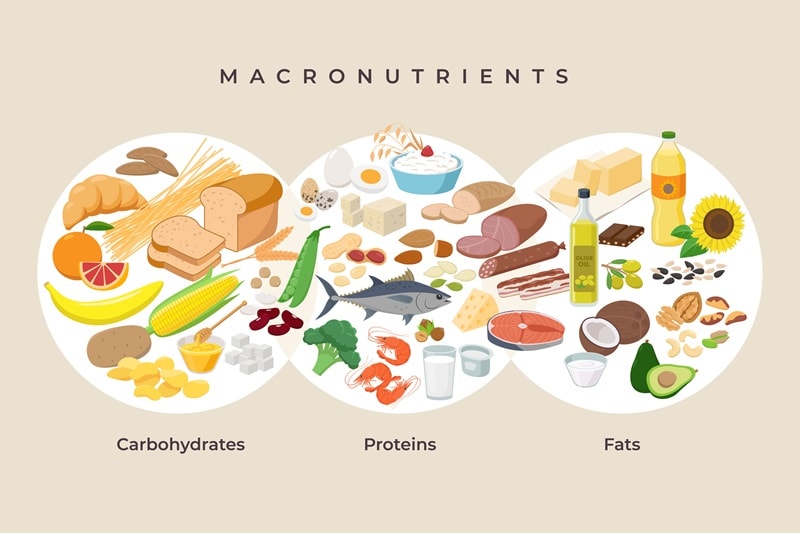
A smart meal plan balances carbohydrates, protein, and healthy fats. Using whole grains and beans adds quality nutrients while keeping you full longer. The right mix fuels your body efficiently throughout the week.
-
Carbohydrates (45–50%): Choose whole grains like brown rice, quinoa, or oats. These carbs give steady energy and help control hunger.
-
Protein (20–25%): Include lean protein such as chicken, tofu, eggs, or fish. It helps build and repair muscle.
-
Healthy fats (25–30%): Focus on nuts, avocado, and olive oil to support heart and brain health.
Balancing these nutrients keeps your calories under control and helps your body feel strong and focused throughout the day.
3. Include high fiber foods
Adding more fiber from vegetables, fruits, and whole grains can transform your energy levels. A medium apple, oats, or a fresh salad supports digestion, helps you feel full, and adds key vitamins for good health.
Try adding these high-fiber foods:
-
Fruits: Apples, berries, oranges, and pears.
-
Vegetables: Spinach, broccoli, carrots, and peas.
-
Grains: Oats, barley, quinoa, and brown rice.
-
Legumes: Beans, lentils, and chickpeas
Fiber slows digestion, keeping you full longer. Fiber also helps lower saturated fat and cholesterol levels, improving heart health and overall nutrition.
4. Choose healthy fats over saturated fat
Healthy fats like olive oil, avocado, and nuts should be part of your 2000-calorie meal plan. Replace butter and fried foods with these options to improve cholesterol and support overall health.
Here’s a quick comparison to help you choose the right fats for your heart and energy.
| Type of Fat | Examples to Eat More Often | Examples to Limit or Avoid | Why It Matters |
|---|---|---|---|
| Healthy (Unsaturated) Fats | Olive oil, avocado, almonds, walnuts, chia seeds, salmon, flaxseed oil | — | Support heart health, improve cholesterol, and keep you full longer. |
| Saturated Fats | Butter, ghee, fatty red meats, processed cheese, coconut oil (in excess) | Fried snacks, bakery desserts, processed meats | Too much can raise LDL (“bad”) cholesterol and increase heart-disease risk. |
Tip: Aim for 25–30% of total calories from healthy fats — that’s about 55–65 g per day on a 2,000-calorie diet. Use olive oil instead of butter and snack on nuts instead of chips.
5. Eat enough protein
Protein helps your body build and repair muscle while keeping you full. Include lean meat, tofu, beans, or eggs in every meal to hit your daily values and keep your metabolism active.
Try this simple trick: include a protein source at every meal. For example:
-
Breakfast: Scrambled eggs or Greek yogurt.
-
Lunch: Grilled chicken, fish tacos, or lentil curry.
-
Dinner: Baked salmon, tofu stir-fry, or turkey sandwich.
-
Snacks: Boiled eggs, cottage cheese, or protein smoothies.
6. Fill half your plate with veggies

Colorful vegetables like spinach, peppers, and broccoli are high in vitamins and fiber but low in calories. Try a small side salad at lunch or dinner to boost nutrition naturally.
-
Green veggies (spinach, kale) give you iron.
-
Orange veggies (carrots, bell peppers) provide vitamin A.
-
Red veggies (tomatoes) add antioxidants.
Vegetables help balance your daily values and add more important nutrients to your diet. A variety of colors means a variety of vitamins and minerals all key for overall health.
7. Don’t skip carbs, choose smart ones
Not all carbs are created equal. Stick with whole grains, brown rice, and quinoa to balance carbohydrates while avoiding energy crashes. Pair them with protein and veggies for a nutrient-dense plate.
-
Whole wheat toast at breakfast.
-
Brown rice bowl for lunch.
-
Sweet potatoes or whole grain pasta at dinner.
-
Corn is a great source of complex carbohydrates and fiber, making it a smart addition to your menu.
8. Watch your daily values
Use the nutrition facts label to track sodium, calcium, and essential vitamins. Meeting your daily values helps maintain good health without exceeding calorie goals. These small checks ensure your 2,000-calorie diet stays balanced.
-
Sodium: Under 2,300 mg per day
-
Calcium: Around 1,000 mg per day
-
Fiber: 25–30 g per day
-
Protein: 100–125 g per day
9. Plan meals and snacks strategically
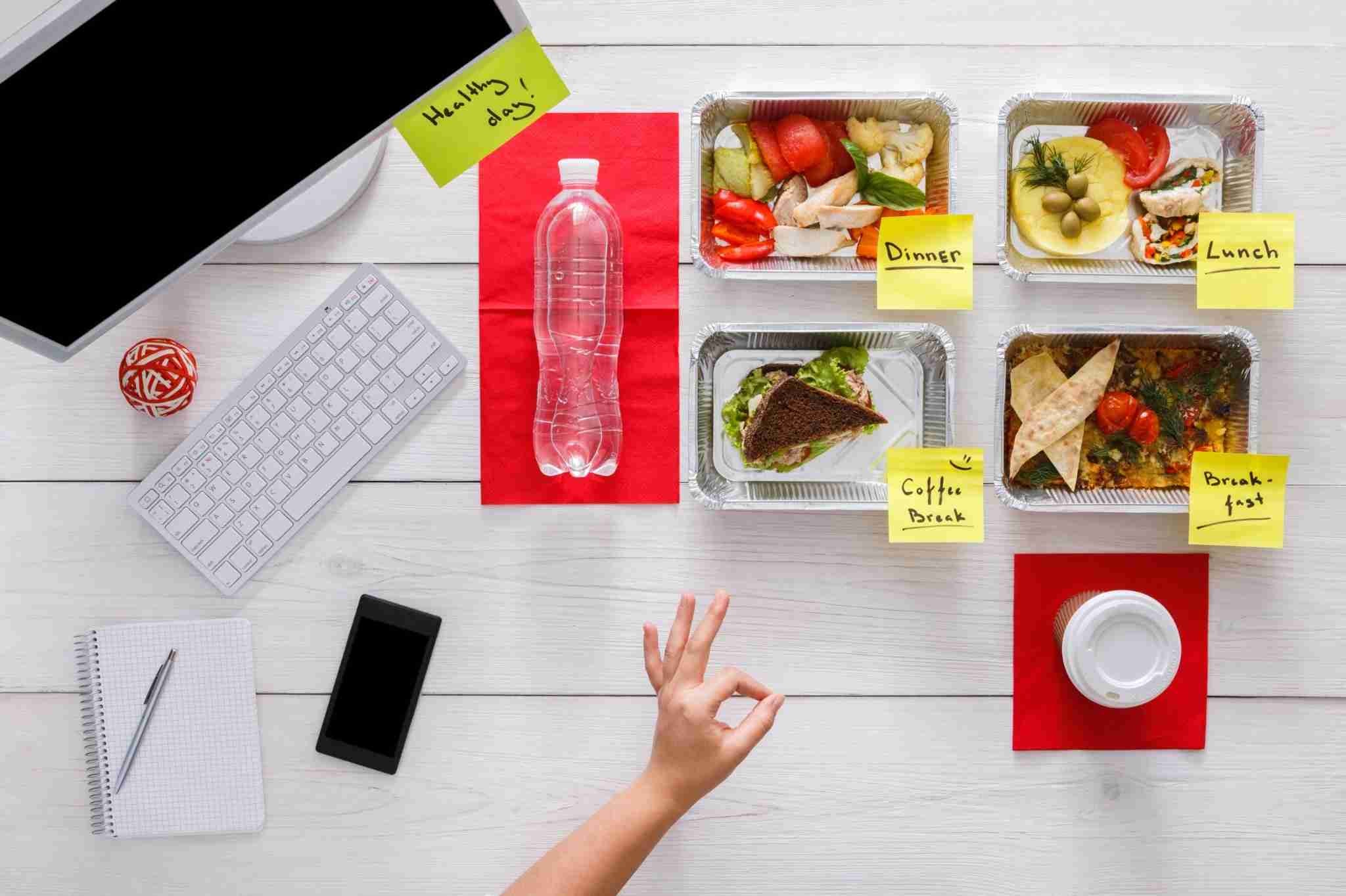
Preparing your meals for the week helps you stay consistent. Keep healthy snacks like nuts, yogurt, or a turkey sandwich ready so you can serve balanced options even on busy days.
Easy snack ideas:
-
Greek yogurt with berries
-
Apple slices with peanut butter
-
A handful of mixed nuts
-
Hummus with carrots or celery
10. Hydration matters
Water supports digestion, muscle recovery, and nutrient transport. Even with the best nutrition, dehydration can slow progress. Aim for 8–10 glasses a day to complement your 2,000-calorie diet.
You can also add:
-
Herbal teas (unsweetened)
-
Fruits with high water content, like watermelon or oranges
-
Low-sodium soups for variety
“Not sure how to balance your macros? My Balance Bite does the math for you! Explore our ready-to-follow meal plans packed with high-fiber foods, healthy fats, and easy Indian recipes.”
Your Sample Meal Plan for a Balanced, Filling Day
Here’s what a day on a balanced 2,000-calorie plan could look like.
| Meal | Food Examples | Calories | Macronutrient Focus | Why It Keeps You Full |
|---|---|---|---|---|
| Breakfast (450–500 kcal) | 2 boiled eggs, 2 whole grain toasts, 1 tbsp peanut butter, 1 medium banana | ~480 | Protein + Fiber + Healthy Fats | Protein and fiber reduce hunger; fats keep energy stable. |
| Mid-Morning Snack (150–200 kcal) | Greek yogurt with chia seeds or a handful of almonds | ~180 | Protein + Fat | Prevents sugar crash between meals. |
| Lunch (550–600 kcal) | Grilled chicken breast (150g), brown rice (1 cup), sautéed veggies, olive oil dressing | ~570 | Protein + Complex Carbs + Healthy Fat | Combines slow-digesting carbs and lean protein for sustained energy. |
| Evening Snack (150–200 kcal) | Apple slices with almond butter or hummus with carrots | ~170 | Fiber + Fat | Keeps blood sugar steady; fiber adds volume. |
| Dinner (600–650 kcal) | Baked salmon (150g), quinoa (1 cup), roasted broccoli, 1 tsp olive oil | ~630 | Protein + Fiber + Omega-3 Fat | Balances fullness with heart-healthy fats and fiber. |
| Total | ≈ 2000 kcal | Balanced: 45–50% carbs, 25–30% fat, 20–25% protein | Provides sustained energy and satiety throughout the day. |
“Want a weekly 2000-calorie meal plan that actually fits your schedule? Get your 7-day menu from My Balance Bite, complete with calorie breakdowns and grocery lists.”
Key Takeaways: How to Maintain Your Weight in a Healthy Way

Wrap up with practical tips from a registered dietitian on how to maintain weight, stay nourished with important nutrients, and keep your meals satisfying.
This section helps you create lifelong habits that support overall health, no matter your weight goals.
1. Stay active to lose weight consistently
Regular activity is essential for maintaining a healthy metabolism. Try to plan your workouts each week, just as you plan your meals. A steady routine complements your 2,000-calorie lifestyle and supports your overall calorie balance.
-
Take a 30-minute brisk walk five days a week.
-
Do light strength training or yoga twice a week.
-
Stay consistent; even daily movement like taking stairs counts.
2. Eat mindfully
Eating mindfully means paying attention to the quality of your food, not just the calories. Focus on whole grains, fruits, and vegetables for better nutrition and lasting fullness. These choices help you stay satisfied while getting the full benefits of a balanced diet.
-
Fill half your plate with vegetables and high fiber foods like beans or salads.
-
Include lean protein (chicken, fish, or tofu) and healthy fats (avocado, olive oil, or nuts).
-
Check the nutrition facts label to stay within your daily values for sodium, calcium, and saturated fat.
-
Drink water between meals to help control hunger and improve overall health.
3. Check in with a registered dietitian

A registered dietitian can help you personalize your 2,000-calorie plan, ensuring you meet all daily values for calcium, sodium, and other nutrients.
They often reference guidelines from the Department of Health and Human Services, making your plan reliable and science-based.
Everyone’s calorie needs are different. A registered dietitian can help you:
-
Adjust your meal plan to match your activity level and goals.
-
Include enough protein, fiber, and healthy fats to stay full.
-
Make sure you meet important nutrients like iron, calcium, and vitamins.
-
Manage special health conditions that affect calorie intake.
“Maintaining weight is easier with expert support. Book a free nutrition consultation with My Balance Bite’s registered dietitians and learn how to eat smart — not less.”
4. Think long-term
Building healthy habits takes time. Over the week, aim to serve well-balanced meals that mix lean proteins, fiber-rich foods, and micronutrients like calcium and vitamins.
A consistent approach to your 2,000-calorie diet leads to sustainable weight management and better overall health.
Short-term diets don’t work forever. Think about what you can do for years, not just weeks. A long-term plan includes balance, variety, and flexibility.
-
Plan your meals in advance to stay consistent.
-
Use portion control to avoid overeating.
-
Eat more whole grains and vegetables for fiber and nutrients.
-
Treat yourself occasionally without guilt. Moderation is key.
FAQs

Here are some common questions people have about following a 2,000-calorie diet answered simply and clearly.
1. Is taking 2,000 calories a day good?
For most adults, a 2,000-calorie diet provides enough energy for daily activities while supporting nutrient needs. Always check the nutrition facts label to ensure you’re meeting your daily values for calcium, sodium, and fiber without going overboard on sugar or fat.
2. How much weight will I lose on 2000 calories a day?
Weight loss depends on how much food you burn versus consume. If you stay active and choose nutrient-dense foods like fruits and vegetables, your calorie intake will align with your goals. Results may vary from person to person, but consistency over the week matters most.
3. How many calories do I need per day for weight loss vs maintenance?
While the 2,000-calorie guideline works for many adults, some may need fewer for weight loss or more to maintain weight. Use your daily values and nutrition facts label as a guide, and adjust with a registered dietitian’s help for your health condition and goals.
4. Can I gain weight on a 2,000-calorie meal plan?
Yes, if your body burns fewer calories than you eat, even a 2,000-calorie meal plan can lead to gradual gain. Focus on balanced foods like lean protein, fruits, vegetables, and whole grains. These choices ensure good health while providing the extra energy your body needs.
Final Thoughts
A well-planned 2000-calorie diet is more than just numbers, it’s a balanced way to eat for good health and lasting energy. When you fill your plate with whole grains, lean protein, fruits, vegetables, and healthy fats, you give your body the nutrients it needs to thrive.
Whether your goal is to maintain weight, lose weight, or simply eat smarter, this plan helps you stay full without feeling restricted. Remember, progress takes time, but consistency and mindful eating turn healthy habits into a lifestyle that supports your overall health every single day.




Leave a comment
Translation missing: en.blogs.comments.discription