

Most diets fail because they make food feel like a punishment. Taste disappears, energy drops, and motivation fades long before results show up.
This 10-week flavor-focused diet plan low carb high protein is built to change that experience. It keeps meals satisfying, supports fast fat loss, and maintains energy without turning eating into a daily struggle.
The goal here is not restriction but structure. By aligning flavor, protein, and carb control, this plan creates consistency that lasts long enough for real results to take shape.
What is a Low Carb Diet?
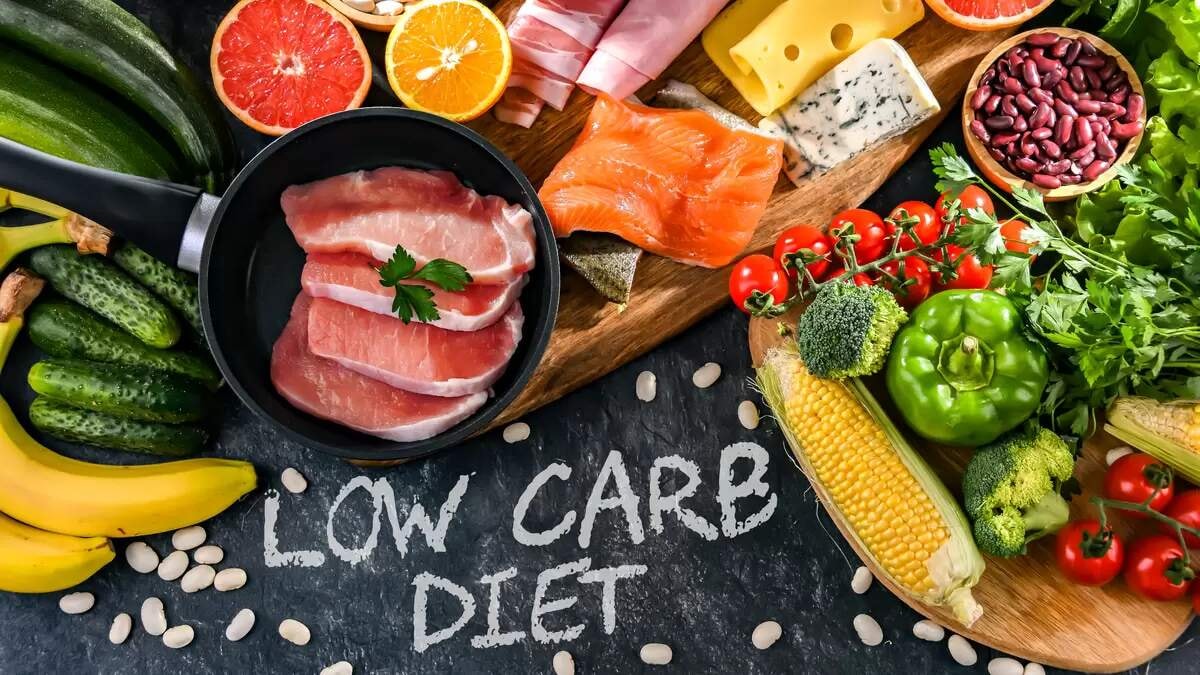
A low carb diet reduces overall carbohydrate intake to control blood sugar, manage carb count, and limit rapid glucose spikes. Unlike balanced diet patterns that include whole grains and higher carbs, low carbohydrate diets prioritize protein and fats.
Popular approaches like the ketogenic diet and Atkins diet follow this logic with varying strictness.
What “Low Carb” Usually Looks Like
Low carb does not mean zero carbs. It means carbs stop being the main fuel source in every meal. Protein becomes the anchor, vegetables carry volume, and fats support satiety.
Core Idea
-
Reduce carbohydrate intake, especially refined carbs and added sugars
-
Keep protein steady to support routine and appetite control
-
Use fats to make meals satisfying, not greasy
Why Blood Sugar And Carb Count Matter
When carb count stays lower and more consistent, blood sugar swings often soften. That usually means fewer sharp hunger spikes and more stable energy through the day.
Common Styles Of Low Carbohydrate Diets
Different low carbohydrate diets set different carb limits, but the structure stays similar.
Ketogenic diet
-
Very low carbohydrate intake
-
Higher fat intake
-
Often used for ketosis-focused eating
Atkins diet
-
Starts very low carb, then increases carbs gradually
-
Uses phases to expand food choices over time
Quick Example Of A Low Carb Meal Structure
Protein: eggs, chicken, paneer, tofu
Low-carb vegetables: spinach, cauliflower, bell peppers
Fats: olive oil, ghee, nuts, seeds
Carb choice (optional): a small portion of fruit or legumes, based on your plan
Once this definition feels clear, the next step is comparing how low carb and a balanced diet behave in real daily life, especially for consistency and long-term adherence.
Low Carb Diet vs Regular Balanced Diet: Which One Feels Easier To Maintain
This comparison looks at how low carb eating and a balanced diet affect body weight, heart health, and long-term weight management. Factors like heart disease risk, existing health issues, and guidance from a healthcare professional shape sustainability.
The difference is less about rules and more about how each approach fits daily routines.
| Aspect | Low Carb Eating | Balanced Diet |
|---|---|---|
| Primary focus | Lower carbohydrate intake with higher protein and fats | Even distribution of carbs, protein, and fats |
| Effect on body weight | Often supports quicker early weight loss due to appetite control | Slower, steady changes tied to portion control |
| Impact on heart health | Can support heart health when fats are chosen carefully | Traditionally aligned with heart disease prevention guidelines |
| Blood sugar stability | More stable blood sugar due to reduced carb spikes | Blood sugar depends heavily on carb quality and timing |
| Daily flexibility | Simple rules, fewer food decisions | Wider food choices, more planning |
| Suitability with health issues | Needs adjustment with medical guidance | Generally easier to adapt for most conditions |
| Long-term weight management | Works well when structure is maintained | Relies on consistency and portion awareness |
What stands out is how simplicity influences adherence. Low carb eating reduces daily decisions by narrowing food choices, while a balanced diet offers flexibility but demands more ongoing judgment.
Sustainability often comes down to which structure fits a person’s routine, preferences, and health context, a distinction that becomes clearer when we examine why low carb eating often fails without proper structure.
Why Low Carb Eating Often Fails Without Structure?
Low carb eating often breaks down due to hidden added sugar, sugary drinks, excess calories, or eating too little without planning. These patterns increase certain risks and create a higher risk of fatigue or rebound weight gain.
Without structure, people unintentionally consume more calories while feeling deprived.
Where Most People Go Off Track
-
Hidden added sugar slips in through sauces, packaged snacks, and “healthy” drinks.
-
Sugary drinks quietly add excess calories without reducing hunger.
-
Cutting too aggressively leads to less food overall, then cravings take over.
-
Meals lose balance, so energy drops and adherence collapses.
What “No Structure” Looks Like In Real Life
Low carb eating becomes a reaction, not a plan. Protein varies day to day, vegetables get skipped, and fats become random extras. Appetite control disappears, and the diet starts feeling smaller rather than smarter.
Example
A person skips breakfast, has coffee with a sweetened drink, then eats a small salad at lunch. By evening, hunger spikes, portions rise, and the day ends with snack-heavy calories that were never planned.
Why This Matters For Results
Without consistent meals, it becomes harder to build muscle, improve body composition, or sustain weight loss. Structure keeps protein steady, controls cravings, and prevents rebound eating.
The fix is not stricter rules, it is a repeatable plan, and that is exactly what the 10-week low carb high protein diet structure provides next.
10 Week Low Carb High Protein Diet Plan For Structured Weight Loss
This 10-week framework combines a protein low carb diet with a defined low carb meal plan to support consistent weight loss. A structured eating plan balances protein, fat, and carbs to focus on reducing body fat without chaos.
Unlike random dieting, a high protein meal plan builds rhythm into daily meals.
Weeks 1–3: Metabolic Adjustment Phase
Focus on routine, protein anchoring, and steady portions.
| Meal | Vegetarian | Non-Vegetarian | Vegan |
|---|---|---|---|
| Breakfast | Paneer bhurji 100 g, sautéed vegetables, 1 tsp olive oil (350 kcal) | 2 eggs omelette, vegetables, 1 tsp olive oil (330 kcal) | Tofu scramble 120 g, vegetables, 1 tsp olive oil (340 kcal) |
| Lunch | Dal 1 cup, mixed veg sabzi, salad (400 kcal) | Grilled chicken 120 g, vegetables, salad (420 kcal) | Chickpea stir fry 1 cup, vegetables (410 kcal) |
| Snack | Greek yogurt 150 g or cottage cheese 100 g (180 kcal) | Boiled eggs 2 or greek yogurt 150 g (190 kcal) | Roasted soy chunks 40 g (180 kcal) |
| Dinner | Paneer tikka 120 g, sautéed greens (350 kcal) | Fish or chicken 120 g, sautéed greens (360 kcal) | Tofu or tempeh 120 g, sautéed greens (350 kcal) |
| Daily Total | ~1,280 kcal | ~1,300 kcal | ~1,280 kcal |
Weeks 4–7: Fat Loss And Stability Phase
Focus on consistency, higher protein efficiency, controlled carbs.
| Meal | Vegetarian | Non-Vegetarian | Vegan |
|---|---|---|---|
| Breakfast | Paneer 120 g, vegetables, seeds (370 kcal) | Eggs 3, vegetables (360 kcal) | Tofu 150 g, vegetables (360 kcal) |
| Lunch | Curd-based bowl, dal ¾ cup, vegetables (420 kcal) | Chicken breast 150 g, vegetables (450 kcal) | Lentil bowl ¾ cup, vegetables (430 kcal) |
| Snack | Cottage cheese 100 g or nuts 25 g (200 kcal) | Protein yogurt or eggs 2 (210 kcal) | Soy yogurt or nuts 25 g (200 kcal) |
| Dinner | Paneer stir fry 150 g, greens (380 kcal) | Fish or chicken 150 g, greens (390 kcal) | Tempeh 150 g, greens (380 kcal) |
| Daily Total | ~1,370 kcal | ~1,410 kcal | ~1,370 kcal |
Weeks 8–10: Refinement And Control Phase
Focus on appetite control, lean mass protection, and precision.
| Meal | Vegetarian | Non-Vegetarian | Vegan |
|---|---|---|---|
| Breakfast | Paneer 150 g, vegetables (380 kcal) | Eggs 3 plus whites, vegetables (370 kcal) | Tofu 180 g, vegetables (370 kcal) |
| Lunch | High-protein curd bowl, vegetables (440 kcal) | Chicken or fish 180 g, vegetables (470 kcal) | Legume bowl 1 cup, vegetables (450 kcal) |
| Snack | Cottage cheese 120 g (190 kcal) | Protein snack or eggs (200 kcal) | Soy chunks 50 g (190 kcal) |
| Dinner | Paneer 150 g, greens (380 kcal) | Lean meat 180 g, greens (390 kcal) | Tempeh 180 g, greens (380 kcal) |
| Daily Total | ~1,390 kcal | ~1,430 kcal | ~1,390 kcal |
For readers who prefer done-with-you planning, MyBalanceBite shares practical tools that help turn structured plans into daily routines.
What matters here is not perfection, but progression. Each phase tightens portions, improves protein efficiency, and stabilizes appetite, which makes the physical changes across these 10 weeks easier to understand and measure in the next section.
The 10 Week Progress Timeline On A Low Carb High Protein Diet
Over ten weeks, changes extend beyond body fat reduction. Improvements in body composition changes, lean body mass, and muscle mass often appear as the body adapts.
A well-planned approach helps maintain lean body mass while reducing fat and improving overall body composition.
What Progress Usually Looks Like Across 10 Weeks
Results tend to show up in layers, not all at once. Weight may shift early, but the more meaningful change is how the body reorganizes fat, water, and muscle.
Weeks 1–2
-
Appetite often feels steadier as meals become protein-led.
-
Water weight can drop, especially if carb intake was high earlier.
-
Gym performance may feel slightly different as the body adapts.
Weeks 3–5
-
Cravings usually reduce as routines settle.
-
Body fat reduction becomes more visible in waist and face.
-
Lean body mass is easier to maintain when protein stays consistent.
Weeks 6–8
-
Energy feels more predictable across the day.
-
Workouts often feel smoother, with less hunger noise after training.
-
Body composition changes start showing in fit, posture, and definition.
Weeks 9–10
-
Muscle mass looks clearer when fat drops without aggressive calorie swings.
-
Weight may slow, but measurements and photos often improve.
-
Overall body composition becomes the better metric than the scale.
Example
Two people can lose the same kilos, but the one who maintained lean body mass will look tighter and feel stronger. This is why progress photos and waist measurements often tell the real story.
How To Track Progress Without Guesswork
-
Body weight: track weekly averages, not daily spikes.
-
Waist measurement: measure once a week, same time of day.
-
Strength markers: track key lifts or basic reps.
-
Fit check: note how clothes feel across the midsection and shoulders.
What this timeline shows is that results depend less on time and more on daily decisions. The body responds when food choices stay consistent, portions remain intentional, and protein anchors each meal.
Progress becomes easier to sustain when the right foods are chosen every day, which brings the focus to how low carb diet foods should be selected in practice.
Steps To Choose The Right Low Carb Diet Foods Daily
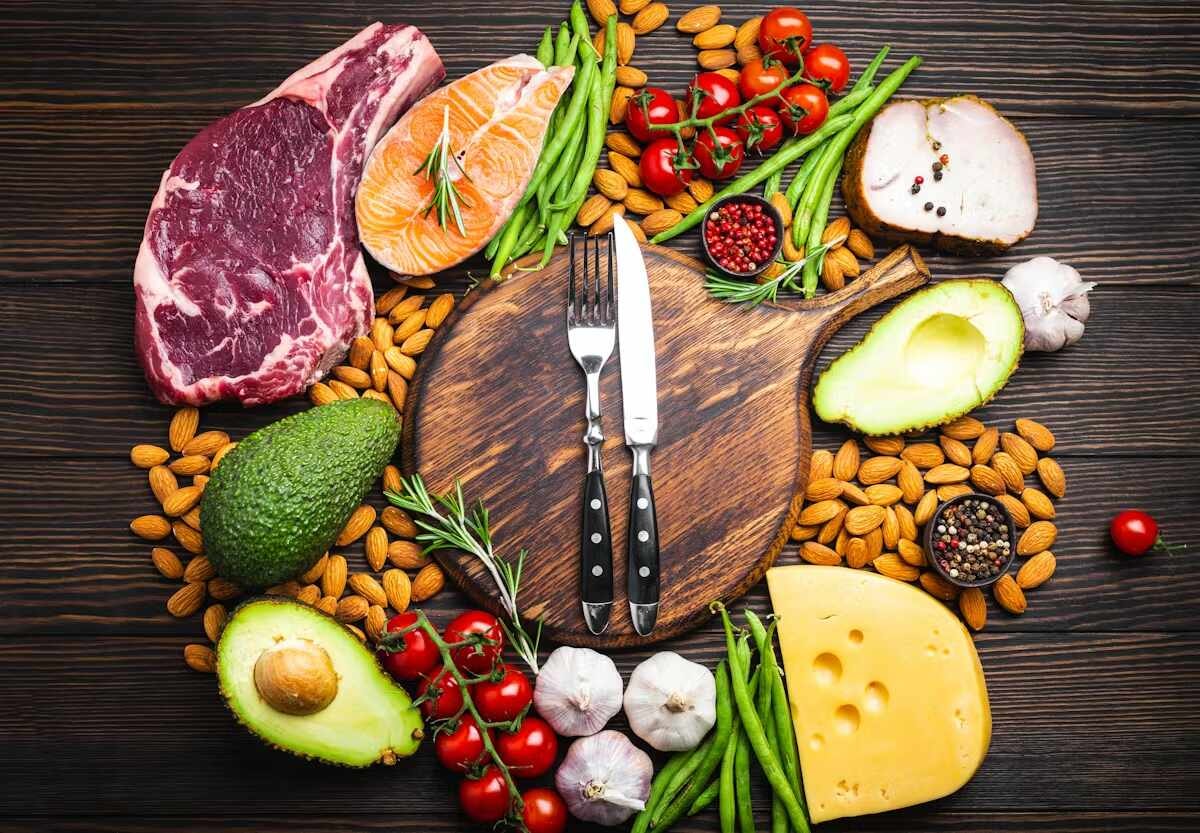
Choosing low carb foods requires more than avoiding carbs. Protein rich foods, nutrient rich foods, and healthy fats like olive oil, pumpkin seeds, chia seeds, almond butter, or an avocado salad shape meal quality.
Daily food decisions determine whether low carb eating feels satisfying or restrictive.
1. Prioritize High Protein Whole Foods
Build meals around clean protein sources, then add vegetables and fats to complete the plate. This keeps hunger steady and reduces random snacking.
Example
Eggs or paneer with sautéed vegetables makes breakfast feel complete without relying on bread.
2. Eliminate Refined And Processed Carbohydrates
Refined carbs digest fast and raise carb load without improving satiety. Keep choices focused on real foods, not “low carb” packaged claims.
Best practice
Choose whole ingredients you can recognize, not labels that promise shortcuts.
3. Choose Low Carb Vegetables For Volume
Low carb eating works better when the plate still looks full. Vegetables add fiber, texture, and micronutrients without pushing carb targets high.
Good options
Spinach, cauliflower, mushrooms, bell peppers, beans in limited amounts.
4. Include Healthy Fats In Controlled Portions
Healthy fats improve taste and meal satisfaction, but portions matter. Use olive oil, nuts, seeds, or almond butter as measured add-ons, not unlimited toppings.
Example
A salad with olive oil and pumpkin seeds stays satisfying with a controlled portion.
5. Read Labels To Spot Hidden Sugars
Hidden sweeteners increase carb load quickly. Sauces, flavored yogurt, and “health” snacks often carry added sugar in small servings.
Label check
Look for sugar names, syrups, and high-carb fillers.
6. Plan Meals Around Protein First
When protein comes first, the rest of the meal becomes easier to structure. This is the simplest way to build consistency in low carb eating.
Quick build
Protein, low carb vegetables, then a small fat portion.
7. Keep Carb Intake Consistent Across Meals
Consistency helps energy and appetite feel predictable. Large swings in carb intake often lead to cravings later.
Practical approach
Keep carbs similar day to day, then adjust slowly if needed.
8. Adjust Food Choices Based On Energy Levels
Energy levels are a feedback signal, not a personal failure. If energy drops, improve meal quality before cutting portions further.
Adjustment options
Increase protein rich foods, add more vegetables, or slightly increase fats using measured portions.
This step-by-step filter makes low carb foods easier to choose, and the next section organizes low carb diet foods into what to eat, what to limit, and what to enjoy in moderation.
MyBalanceBite focuses on food clarity over food rules, helping people make confident choices without overthinking every meal.
Low Carb Diet Foods: What To Eat, Limit, And Enjoy In Moderation
Low carb meals work best when food choices are clearly categorized. Items like greek yogurt, cottage cheese, string cheese, lean beef, bell peppers, and lime juice fit differently depending on portions.
Knowing which foods support the diet and which need moderation prevents confusion and overeating
| Category | Foods | Typical Portion | Carb Impact | Best Use |
|---|---|---|---|---|
| Eat Regularly | Lean beef, eggs, chicken, fish, paneer, tofu, leafy greens, bell peppers, cauliflower | 120–180 g protein, 1–2 cups vegetables | Very low | Core of daily meals |
| Eat In Moderation | Greek yogurt, cottage cheese, string cheese, nuts, seeds, berries | 100–150 g dairy, 20–30 g nuts | Low to moderate | Snacks or small meal add-ons |
| Limit Carefully | Legumes, starchy vegetables, thicker sauces, higher-carb fruits are often restricted in certain weight loss approaches, which can be part of why most diets for obesity fail in the long run. | Small, planned servings | Moderate | Occasional inclusion |
| Flavor Additions | Lime juice, herbs, spices, olive oil | 1–2 tsp oil, herbs freely | Minimal | Taste without carb load |
| Foods To Avoid | Sugary drinks, sweets, white bread, pastries, refined grains | Best avoided | High | Disrupt carb control and appetite |
What this table does is remove daily friction. Instead of negotiating every ingredient, foods already fall into clear roles. That clarity makes it easier to spot habits that quietly slow progress, which leads naturally into understanding the most common low carb mistakes that hold weight loss back.
Common Low Carb Mistakes That Slow Weight Loss
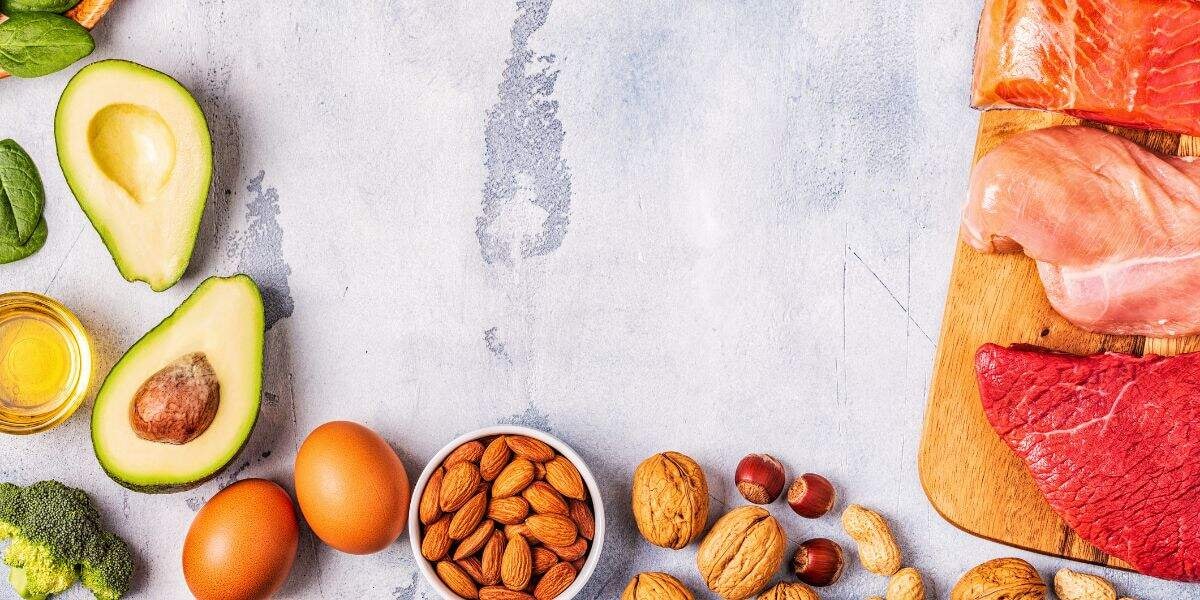
Weight loss stalls often occur due to misjudging total calories, underestimating dietary protein, or inconsistent protein daily intake. Some people add more protein without adjusting portions, while others eat too little overall.
These mistakes quietly disrupt fat loss even when carbs are low.
Where Progress Commonly Slows
Low carb eating works best when structure stays intact. When small habits drift, results often flatten without obvious warning signs.
-
Underestimating total calories
Low carb foods still carry energy. Large portions of fats or frequent snacking can quietly exceed daily needs. -
Inconsistent dietary protein
Protein intake that fluctuates day to day weakens satiety and slows fat loss. Consistency matters more than occasional high-protein meals. -
Eating too little overall
Cutting portions aggressively leads to less food across the day. Energy drops, hunger rebounds, and adherence becomes harder. -
Adding protein without balance
Increasing protein daily without adjusting fats or portions can stall progress rather than improve it.
Example
Someone adds extra protein shakes but keeps the same meals and snacks. Total calories rise, while fat loss slows despite low carb eating.
Why These Mistakes Matter
Fat loss depends on alignment, not extremes. Stable protein, intentional portions, and realistic calorie awareness keep progress moving.
Once these mistakes are recognized, the next focus becomes supporting energy levels so consistency feels easier to maintain each day.
Tips to Maintain Energy Levels While on a Low Carb Diet
Energy levels fluctuate when micronutrients, bone health needs, or overall well being are ignored. Older adults may feel these effects faster if recovery, hydration, and nutrient intake are off balance.
Low carb eating supports stable energy when meals are planned for daily demands.
1. Increase Protein Intake At Every Meal
Protein supports steady appetite and smoother energy through the day, especially when breakfast is protein-led.
2. Add Healthy Fats Instead Of Cutting Calories Too Low
Healthy fats keep meals satisfying, and prevent the low-energy dip that comes from undereating.
3. Maintain Proper Electrolyte Balance
Low carb eating can shift water balance, so sodium, potassium, and magnesium matter for energy and focus.
4. Stay Hydrated Throughout The Day
Hydration supports circulation, digestion, and workout output, especially during early adaptation.
5. Avoid Skipping Meals During The Adaptation Phase
A consistent meal rhythm helps the body adjust without sharp hunger swings or energy crashes.
6. Include Low Carb Vegetables For Micronutrients
Vegetables support micronutrients linked to well being and bone health, and they help digestion stay comfortable.
7. Time Carbohydrate Intake Around Physical Activity
A small, planned carb portion near training can improve performance without breaking low carb structure.
8. Get Adequate Sleep To Support Recovery
Sleep affects recovery, hunger hormones, and next-day energy, and older adults often feel this link more strongly.
Example
If energy drops during workouts, improve hydration and electrolytes first, then adjust meal timing before increasing carbs.
These tips keep energy stable while low carb eating stays consistent, and they also set the foundation for transitioning off the plan safely without sudden rebounds.
Steps to Transition Off a Low Carb Diet Safely
Transitioning off low carb eating requires applying insights from systematic review findings, meta analysis data, and brief review evidence without overcorrecting. Translating science into real food choices helps prevent sudden weight regain or digestive stress.
A gradual shift protects long-term health outcomes.
1. Gradually Reintroduce Carbohydrates Instead Of Adding Them All At Once
Add one carb serving per day, then hold it steady for a few days before the next increase.
2. Prioritize Whole Food Carbohydrate Sources
Choose options that digest well and come with fiber, like fruit, legumes, and whole grains in measured portions.
3. Increase Carb Intake Around Physical Activity
Place most added carbs near workouts, when the body tends to use them more efficiently for weight loss.
4. Maintain High Protein Intake During Transition
Keep protein steady so hunger stays controlled and body composition goals remain protected.
5. Monitor Energy Levels And Digestive Response
Track energy levels, sleep quality, and digestion, then adjust pace rather than forcing faster changes.
6. Avoid Returning To Refined Sugars And Processed Foods
Refined foods restart cravings quickly and make carb increases feel harder to control.
7. Adjust Portions Based On Weight And Body Composition Goals
If weight rises quickly, reduce portion size, not meal quality. If training improves and waist stays stable, the change is working.
8. Maintain Consistent Meal Timing
Meal timing keeps hunger predictable, which makes transitions easier to sustain.
Example
If you add rice back, add it at lunch on training days first. Keep dinner consistent. Track waist and energy for a week, then adjust.
This transition approach keeps progress steady without undoing the work already done. By adjusting carbohydrates with intention, maintaining protein consistency, and watching how the body responds, the shift away from low carb eating stays measured and predictable.
When structure remains in place, results are easier to preserve beyond the plan itself.
FAQs
1. What Long-Term Health Benefit Can Be Expected From Staying Low Carb Beyond Weight Loss?
Beyond weight loss, many people notice steadier blood sugar control, fewer appetite swings, and easier weight maintenance. When meals stay protein-led and carbs are consistent, eating patterns often feel calmer and more predictable over time.
2. How Do Diets High In Protein Affect Digestion And Gut Comfort Over Time?
When protein is balanced with vegetables and adequate fluids, digestion usually feels stable. Spreading protein across meals supports gut comfort better than large single servings, especially when fiber intake stays steady.
3. Can Social Eating And Travel Still Help You Lose Weight On A Low Carb Routine?
Yes. Choosing protein-first meals, adjusting portions, and skipping sugary drinks allows flexibility without losing control. Consistency across days matters more than perfection at individual meals.
4. How Does A High Protein Low Carb Approach Impact Hormones And Appetite Signals?
Higher protein intake supports satiety hormones and reduces sharp hunger signals. This often leads to better portion control and fewer cravings between meals.
5. How Long Does It Take For The Body To Fully Adapt To Low Carb Metabolism?
Most people feel basic adaptation within two to four weeks. Full comfort with energy, appetite, and training performance can take six to eight weeks with consistent eating.
6. How Does a Low Carb High Protein Diet Influence Body Composition Over Time?
By preserving lean tissue while reducing fat mass, this approach often improves body composition. The scale may change slowly, but strength, fit, and visual definition tend to improve steadily.
Conclusion
A plan only works when it fits real life, and this one is designed to do exactly that. The structure gives you clarity, the food choices keep meals enjoyable, and the timeline helps you stay patient without losing momentum.
When flavor, consistency, and intention come together, fat loss becomes a natural outcome rather than a constant effort. What matters now is following the structure, observing how your body responds, and letting steady habits do the work.
For those who want continued guidance beyond this plan, MyBalanceBite offers nutrition insights built for long-term balance, not short-term fixes.




Leave a comment
Translation missing: en.blogs.comments.discription