

Protein is the building block for stronger muscles, faster recovery, and sustained energy. Top fitness gurus rely on a structured high protein healthy diet because it delivers results without overcomplicating meals.
This diet focuses on real, Indian-friendly foods, balancing protein across the day while supporting metabolism, strength, and overall health. Even small adjustments in meals can make a visible difference in recovery and performance.
How a High Protein Diet Differs From Any Other Diet Plan and Who Should Use It?
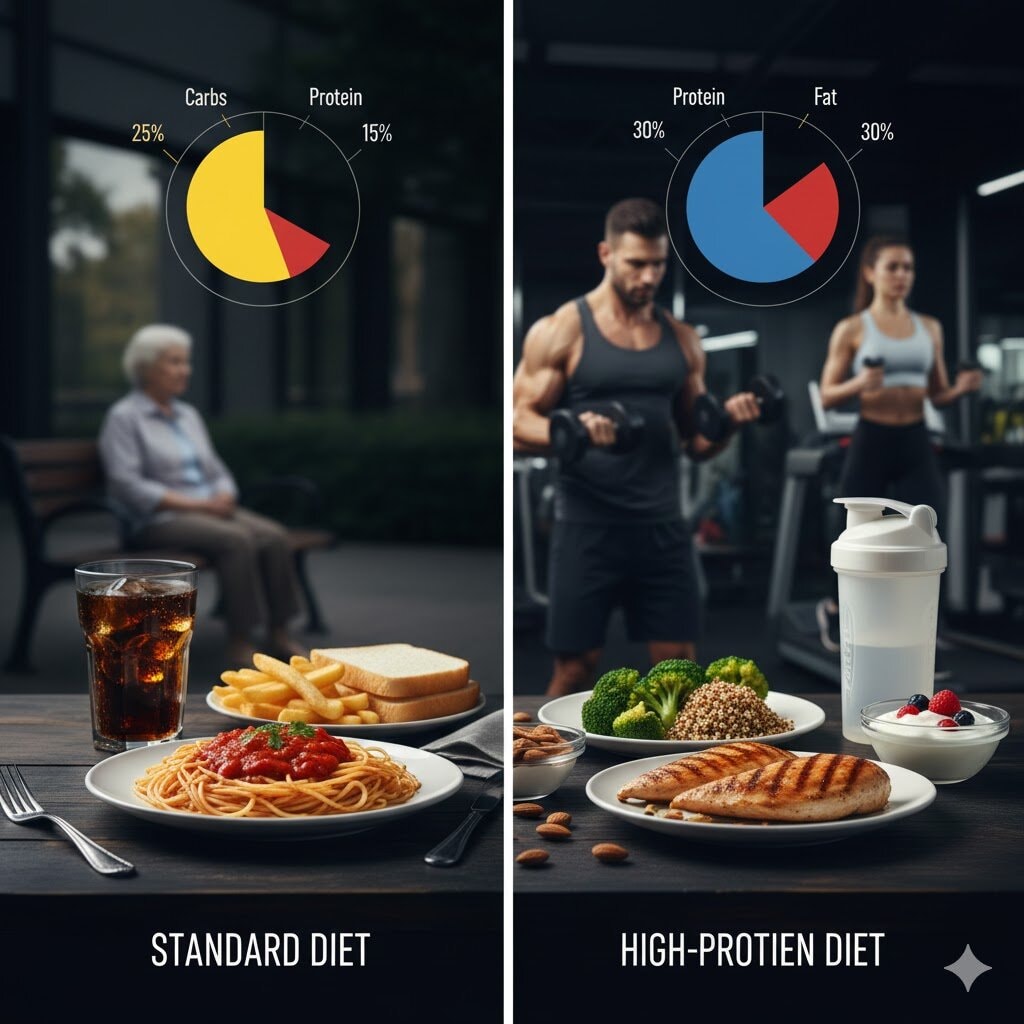
A high protein diet stands apart because it supports a healthy diet while balancing essential nutrients, calorie intake and daily calories with real intention. It also helps stabilise body weight and improves overall health, making weight management easier for different lifestyles.
Understanding how these elements shift the structure of a regular diet plan helps you see who benefits most from it.
Key differences from other diets
-
Protein daily intake is carefully spread across meals, unlike diets that focus mainly on carbs or fats.
-
Eating high protein foods with balanced nutrition helps stabilise blood sugar spikes and supports muscle health.
-
Healthy fats and low fat dairy are included strategically to maintain energy without excess calories.
-
Red meat, lean beef, and plant protein sources are used in moderation to support lean muscle mass without stressing kidney function.
Who should consider a high protein diet
-
Adults aiming to lose fat or lose belly fat while preserving lean muscle mass.
-
Individuals seeking to support weight loss safely without reducing overall bone health or energy.
-
Fitness enthusiasts focused on muscle recovery, strength, and daily performance.
-
Seniors or adults with mild kidney disease should follow this plan under guidance, ensuring they do not consume too much protein.
How it helps
-
Provides enough protein for daily needs without adding more calories than required.
-
Enhances metabolism and supports muscle health, making strength gains easier to achieve.
-
Balances dietary protein with healthy fats and carbohydrates for overall health benefits.
When you understand how a high protein diet is structured and who benefits most, the next step is seeing a practical 1-week high protein diet chart that translates these principles into simple, Indian-friendly meals.
"Eating the right protein at the right time makes all the difference in muscle repair and metabolic balance." — Dr. Layne Norton, Bodybuilding Coach & Nutrition Scientist
1-Week High Protein Diet Plan for Faster Recovery and Lean Muscle
A structured high protein diet plan works when the protein meal plan aligns with your daily routine, meal plan balance and personal diet plan preferences.
Eating protein through simple meal plans, adding more protein when needed and managing high protein intake without excess calories or much protein makes the week feel steady and realistic. Even small adjustments create meaningful changes.
| Meal | Monday | Tuesday | Wednesday | Thursday | Friday | Saturday | Sunday | Portion | Calories (Approx.) |
|---|---|---|---|---|---|---|---|---|---|
| Early Morning | Warm water + chia | Warm water + chia | Warm water + chia | Warm water + chia | Warm water + chia | Warm water + chia | Warm water + chia | 1 glass + 1 tsp | 30 kcal |
| Breakfast | Veg upma + 2 eggs | Moong dal chilla + curd | Poha + 1 egg | Veg oats + milk | Moong dal chilla + curd | Veg upma + 2 eggs | Poha + 1 egg | As above | 280–300 kcal |
| Mid-Morning | Banana | Apple + peanut butter | Papaya | Banana | Apple + peanut butter | Banana | Papaya | 1 small bowl | 60–90 kcal |
| Lunch | Brown rice + veg + grilled chicken | Rice + kidney beans + veg | Brown rice + veg + paneer | Rice + grilled fish + veg | Brown rice + veg + grilled chicken | Rice + kidney beans + veg | Brown rice + veg + paneer | 1 cup rice + 1 cup veg + 100g protein | 420–450 kcal |
| Evening Snack | Roasted chickpeas | Boiled eggs | Roasted chickpeas | Boiled eggs | Roasted chickpeas | Boiled eggs | Roasted chickpeas | 1 small bowl / 2 eggs | 100–140 kcal |
| Dinner | Whole wheat roti + dal + sautéed veg | Soft khichdi + steamed veg | Whole wheat roti + dal + sautéed veg | Soft khichdi + steamed veg | Whole wheat roti + dal + sautéed veg | Soft khichdi + steamed veg | Whole wheat roti + dal + sautéed veg | 2 rotis + 1 cup dal + 1 cup veg / 1 cup khichdi + veg | 320–350 kcal |
| Before Bed | Warm milk | Warm milk + turmeric | Warm milk | Warm milk | Warm milk + turmeric | Warm milk | Warm milk | 1 cup | 100 kcal |
“Track your meals effortlessly and see real results, start your plan on Balance Bite today.”
8 Reasons This Diet Chart Works Better Than Typical Plans
This high protein diet chart is designed for results that last. It delivers enough protein daily, supports lean muscle mass, stabilizes energy, and helps manage weight effectively. Balanced meals combined with practical Indian-friendly foods make it sustainable and actionable.
1. Uses Indian-Friendly High Protein Ingredients
Choosing familiar, local foods ensures you can follow the plan consistently without stress.
-
Lentils, paneer, boiled eggs, and lean beef supply essential dietary protein.
-
Low fat dairy adds calcium, supporting bone health.
-
Plant-based proteins like kidney beans and pumpkin seeds diversify meals for muscle building.
2. Balances Protein Across All Meals
Even distribution of protein keeps energy stable, supports muscle building, and reduces blood sugar spikes.
-
Include protein at breakfast, lunch, dinner, and snacks.
-
Avoid consuming too much protein in a single meal to protect kidney function.
-
Combine animal and plant proteins for variety and balanced diet benefits.
3. Avoids Unrealistic Portion Sizes
Portion control makes the plan manageable while still supporting lean muscle mass and weight management.
-
Meals are satisfying but not excessive, preventing overconsumption.
-
Extra protein is added only when required, avoiding too much protein at once.
-
Helps boost metabolism while keeping calorie intake in check.
4. Fits Both Weight Loss And Muscle Gain Goals
This diet adapts to multiple fitness objectives without compromising nutrition.
-
Supports fat loss or losing belly fat while preserving lean muscle mass.
-
Balances dietary protein and healthy fats to sustain energy.
-
Works well for muscle building and boosting metabolism naturally.
5. Builds Meals Around Easy Daily Cooking
Simplicity encourages adherence and consistent intake.
-
Steaming, boiling, and light sautéing preserve nutrients in lean meats, red meat, and vegetables.
-
Meals are realistic for everyday life, reducing dependency on supplements.
-
Practical cooking allows more consistent protein daily without stress.
6. Reduces Dependency On Supplements
Whole foods provide most nutrients naturally.
-
Protein sources like eggs, paneer, and legumes cover dietary protein needs.
-
Supplements are used only when necessary, supporting muscle building sustainably.
-
Helps manage weight and maintain balanced nutrition without extra calories.
7. Keeps Costs Affordable And Practical
Accessible ingredients make the plan feasible for long-term use.
-
Uses seasonal, local foods to limit reliance on protein powders.
-
Reduces extra costs while maintaining high protein intake.
-
Encourages consistency, which is key for boosting metabolism and recovery.
8. Minimises Sugar And Processed Foods
Focus on nutrient-rich, minimally processed foods supports better energy and overall health.
-
Whole grains, lean protein, low fat dairy, and healthy fats replace processed options.
-
Reduces blood sugar spikes and helps maintain lean muscle mass.
-
Supports weight management and the health benefits of a balanced diet.
"Simplicity and practicality are the foundations of sustainable nutrition." — Hany Rambod, Fitness Coach
These eight advantages make this high protein diet chart practical, effective, and sustainable. Next, you can explore the Indian high protein foods and portions you should know, with specific measurements to make daily meals actionable and easy to follow.
Indian High Protein Foods And Portions You Should Know
Indian kitchens offer high protein foods that fit easily into everyday meals, from protein rich foods like boiled eggs and skim milk to plant based protein sources such as kidney beans, pumpkin seeds and whole grains.
Knowing the right portion of each protein source helps you stay consistent with lean meat, brown rice or cottage cheese without feeling restricted—even if you hit a weight loss plateau.
Key Indian High Protein Foods
-
Animal-based protein: Boiled eggs, grilled chicken, lean beef, and low fat dairy deliver essential amino acids for muscle health.
-
Plant-based protein: Kidney beans, chickpeas, lentils, paneer, pumpkin seeds, and soy help meet daily protein needs without excess fat.
-
Whole grains: Brown rice, whole wheat roti, and whole wheat pasta provide slow-digesting energy alongside dietary protein.
-
Vegetables and sides: Cooked vegetables, sautéed vegetables, and coconut chutney add nutrients and fiber while complementing protein sources.
-
Snacks & extras: Roasted chickpeas, chia seeds, and nut butters make it easy to add extra protein between meals.
Portion Guidance
-
Include 100–150g of lean meats or 2–3 eggs per main meal.
-
1 cup cooked legumes or 100g paneer counts as a high protein serving for plant-based meals.
-
Add 1–2 teaspoons of chia seeds or nut butters to snacks for extra protein without more calories.
By combining these foods thoughtfully, you can create a balanced high protein diet that fits Indian meals and portion preferences. This foundation makes it easier to customize your plan for personal goals, whether the focus is fat loss, muscle gain, or faster recovery.
Customizing This Diet Chart For Your Personal Goals
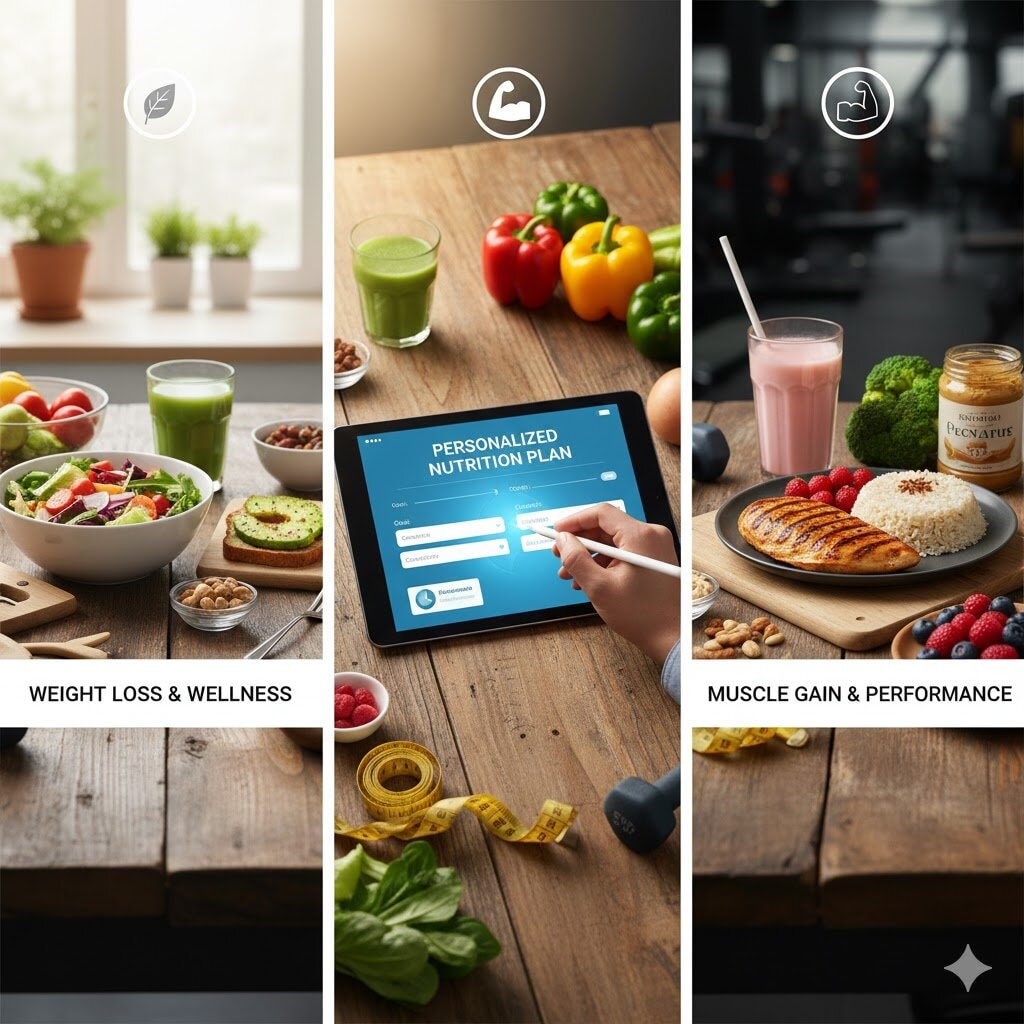
Personal goals shape how you use this high protein diet chart, whether you focus on weight loss, losing weight steadily or managing belly fat with choices that support weight maintenance.
Goals like promoting weight loss, building muscle, protecting muscle mass and improving metabolism can guide your adjustments without disrupting protein needs or blood sugar control.
1. Fat Loss With Muscle Retention
Maintaining lean muscle while losing fat requires balanced protein and manageable portions:
-
Prioritize high protein foods to preserve muscle while cutting calories.
-
Use lean meats, eggs, or legumes to meet protein targets without excess fat.
-
Combine protein with complex carbs for steady energy throughout the day.
2. Improved Metabolism
Spreading protein evenly across meals supports a stronger metabolism:
-
Include protein at breakfast, lunch, dinner, and snacks.
-
Add small amounts of healthy fats to support hormone function.
-
Maintain consistent meal timing to prevent energy dips.
3. Better Blood Sugar Control
Protein intake helps stabilize blood sugar and prevent spikes:
-
Pair protein with fiber-rich foods like vegetables or whole grains.
-
Avoid refined carbs and sugary foods during meals.
-
Use plant or animal protein sources consistently across the day.
4. Hormonal Balance (Especially for Women)
Adequate protein intake supports hormone stability and overall well-being:
-
Include low fat dairy, eggs, and plant-based proteins for variety.
-
Combine protein with healthy fats for sustained energy.
-
Balanced meals reduce fatigue and support daily performance.
5. Higher Daily Energy Levels
Protein-rich meals keep energy consistent throughout the day:
-
Eat protein at every main meal to support strength and focus.
-
Include small, frequent meals to prevent fatigue.
-
Stay hydrated and include micronutrients for full energy support.
6. Faster Muscle Recovery
Protein intake after workouts aids in repair and rebuilding:
-
Use lean meats, eggs, paneer, or legumes post-exercise.
-
Adjust portions according to activity intensity for optimal recovery.
-
Combine with small servings of carbs and healthy fats for better absorption.
7. Better Satiety and Reduced Cravings
Protein helps you feel fuller for longer, reducing unnecessary snacking:
-
Pair protein with fiber-rich vegetables or whole grains.
-
Snacks like roasted chickpeas, nuts, or boiled eggs curb hunger effectively.
-
Balanced meals prevent sudden energy drops that trigger cravings.
8. Enhanced Strength and Endurance
Consistent protein intake supports ongoing muscle building and stamina:
-
Combine protein with complex carbs and healthy fats for longer workout endurance.
-
Structured meals ensure steady energy for daily activity.
-
Focus on consistent intake to maximize high protein diet help.
Customizing your high protein diet plan makes it actionable and effective. Once you know how much protein your body needs daily, the next step is implementing practical meal planning strategies that maintain consistency and deliver results.
“Balance your protein intake, monitor calories, and achieve your fitness goals with Balance Bite.”
Tips to Stay Consistent With Your High Protein Meal Plan
Consistency comes from simple habits like choosing high quality protein, supporting protein metabolism, using healthy fats wisely and balancing digest protein needs with essential amino acids.
Relying on protein supplements or protein bars only when required helps you keep a healthy rhythm without overwhelming your routine.
1. Choose High-Quality Protein Sources
Selecting nutrient-dense protein helps maximize muscle health, recovery, and overall energy.
-
Include lean meats like turkey breast or fish in main meals.
-
Use plant-based options such as legumes, paneer, or a handful of sunflower seeds for variety.
-
Spread protein across breakfast, lunch, and dinner to maintain steady intake.
2. Support Protein Metabolism
Proper digestion and timing enhance the body’s ability to use protein effectively.
-
Pair protein with fiber-rich vegetables or whole grains for better absorption.
-
Include moderate healthy fats to aid nutrient uptake.
-
Avoid excessive protein in a single meal to prevent strain on kidney function.
3. Use Healthy Fats Wisely
Incorporating healthy fats improves satiety and supports long-term health benefits.
-
Add olive oil, coconut oil, or nut butters in moderation.
-
Combine fats with protein and complex carbs for balanced nutrition.
-
Avoid excessive saturated or processed fats to protect heart health.
4. Balance Protein Needs With Daily Routine
Meeting protein requirements consistently is key for muscle building and recovery.
-
Calculate how much protein you need per day based on activity levels and goals.
-
Use small, frequent meals or snacks like roasted chickpeas or eggs to meet targets.
-
Adjust portions according to workouts or energy demands.
5. Rely on Supplements Only When Necessary
Supplements can be helpful, but whole foods remain the most effective source.
-
Use protein powders or bars only if dietary intake falls short.
-
Focus on real foods for steady recovery and sustainable results.
-
Combine with hydration and balanced meals for optimal effect.
These practical strategies make sticking to a high protein diet simple and sustainable
Conclusion
Adopting a high protein diet with intention allows you to take control of your recovery, energy, and muscle health, while supporting long-term wellness.
Consistently choosing nutrient-dense foods, managing portions, and maintaining balanced meals can also contribute to reducing risks associated with chronic conditions, including colorectal cancer.
Start small by adding one high-quality protein source per meal or tracking your intake for a week. These deliberate, manageable steps create habits that support muscle building, metabolic health, and sustained performance, making your progress both measurable and lasting.
“Take charge of your muscle health and metabolism, join Balance Bite to get personalized guidance now.”




Leave a comment
Translation missing: en.blogs.comments.discription