

Food feels different the moment someone is told they have a heart condition. Meals stop being routine and start feeling like decisions that carry real weight. That quiet shift is where uncertainty often begins.
A diet plan heart patient diet food approach is not about strict rules or fear. It is about understanding how everyday food choices influence heart health, recovery speed, and long term stability in a calm, practical way.
What you eat each day either eases the heart’s workload or adds strain to it, often without obvious signs. Recognizing that connection is the first step toward eating with confidence again.
How Daily Food Choices Play A Central Role In Heart Disease?
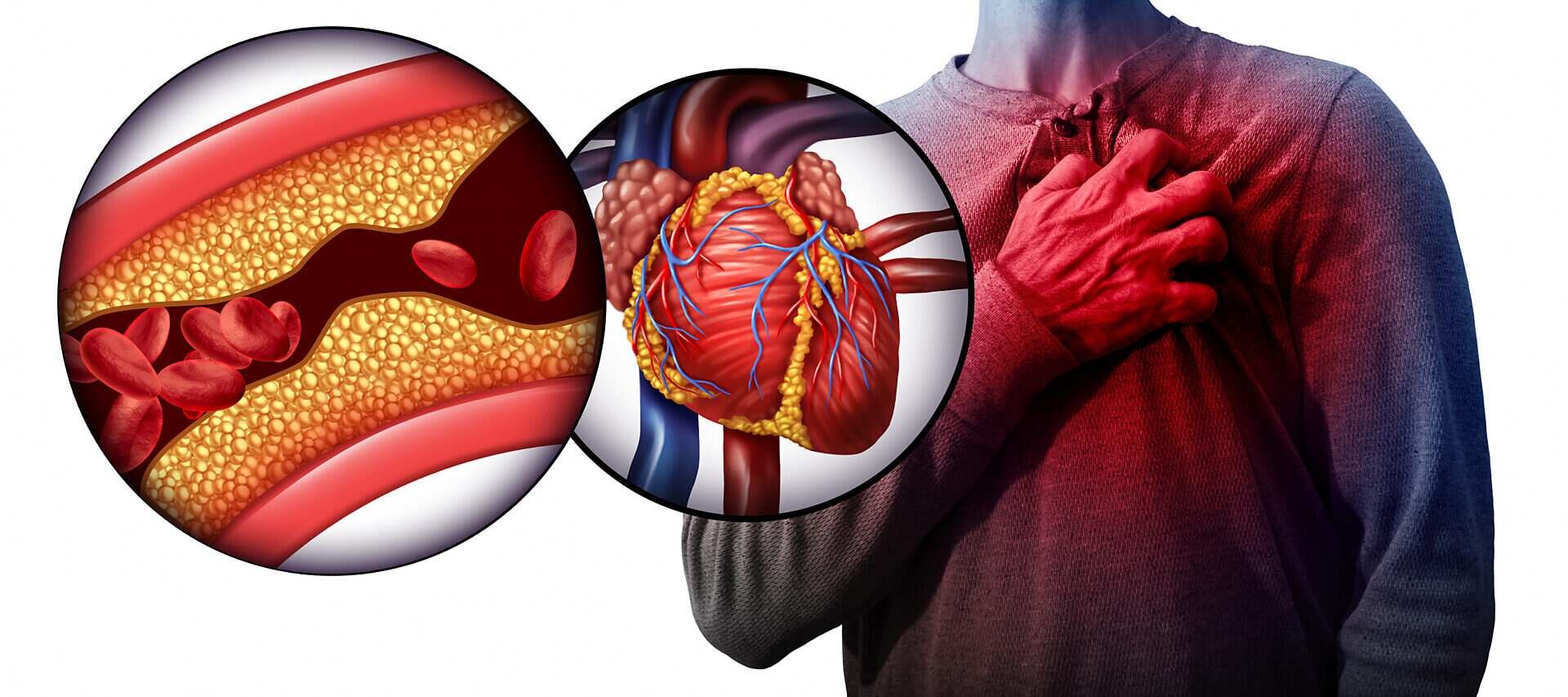
Daily food choices directly influence heart disease by shaping blood flow, blood vessel function, and long term cardiovascular disease outcomes.
Patterns that raise high blood pressure quietly increase heart disease risk, the risk of heart disease, and even the chance of a heart attack while developing heart disease over time. Understanding this connection explains how food choices decide risk of heart at a biological level.
What happens inside the body
The heart responds to how food alters circulation after digestion, not to intentions or labels.
-
Blood pressure rises when sodium and added sugars increase fluid volume.
-
Blood vessel function weakens as inflammation reduces elasticity.
-
Blood flow becomes less efficient when vessels narrow and stiffen.
-
The heart compensates by pumping harder, even during low activity.
Why daily patterns matter more than occasional meals
Heart disease develops through repetition. When high blood pressure and reduced blood flow appear regularly, the strain becomes structural rather than temporary.
Example
Two people eat similar dinners. One adds processed snacks, salty sides, and sugary drinks across the day. The other sticks to simple home cooked meals and water. Over time, the difference appears in blood pressure trends and heart disease risk, not in a single meal.
The core link to remember
Heart disease is the visible outcome, but developing heart disease begins earlier, when everyday food choices repeatedly challenge blood vessel function.
Seeing this cause and effect makes it easier to judge which eating habits truly support cardiac health, which is exactly what the next section clarifies.
Healthy Eating vs Random Food Restrictions; What Truly Supports Cardiac Health
Healthy eating is not about removal but about dietary patterns and dietary approaches that support heart health and cardiac health together. A healthy diet strengthens the healthy heart through heart healthy eating habits that consistently support heart health instead of short lived restrictions.
The difference becomes clear when balance replaces fear in daily decisions.
| Aspect | Healthy Eating | Random Food Restrictions |
|---|---|---|
| Core approach | Built around balanced dietary patterns | Based on sudden elimination of foods |
| Effect on the heart | Supports heart health and cardiac health together | Often ignores how the heart functions daily |
| Sustainability | Fits long term routines and habits | Feels difficult to maintain consistently |
| Impact on the healthy heart | Strengthens the healthy heart over time | Creates cycles of control and relapse |
| Decision making | Guided by structure and understanding | Driven by fear and confusion |
| Role in a healthy diet | Forms a stable, repeatable healthy diet | Acts as a temporary fix without continuity |
Healthy eating succeeds because it works with the heart’s natural rhythm instead of fighting it. When dietary approaches support balance and repetition, heart healthy eating becomes easier to sustain and more effective in real life.
This understanding makes it easier to translate principles into a practical diet chart that fits different age groups and daily routines.
Practical Heart Healthy Diet Chart Designed For Different Age Groups
A practical diet chart adapts heart healthy nutrition across age groups using a flexible meal plan rooted in an Indian diet and supported by Mediterranean diet principles.
Emphasis on whole grains like brown rice over refined grains or white rice, generous fruits and vegetables, colourful fruits, fill half portions, and minimal oil creates structure without rigidity.
1. Children And Teenagers (Growth + Prevention Focus)
For children and teenagers, a heart healthy diet supports normal growth while lowering the chances of developing heart disease later. Balanced meals, whole foods, and reduced processed foods help establish stable eating patterns early in life.
| Meal | Vegetarian | Non-Vegetarian | Vegan | Portion | Calories |
|---|---|---|---|---|---|
| Early Morning | Warm water + 4 almonds | Warm water + 4 almonds can be included as part of a weekly meal plan, Indian-style to promote long-term wellness. | Warm water + 4 almonds | 1 glass | 30–40 |
| Breakfast | Vegetable oats upma + low fat curd | Egg omelette + multigrain toast | Vegetable oats upma + almond milk | 1 bowl | 300–330 |
| Mid Morning | Seasonal fruit + plain yogurt | Seasonal fruit + plain yogurt | Seasonal fruit | 1 medium | 120 |
| Lunch | Brown rice, dal, vegetables | Brown rice, chicken curry, vegetables | Brown rice, lentils, vegetables | Rice 1 cup | 450–480 |
| Evening Snack | Roasted chana | Boiled egg | Roasted peanuts | 1 small bowl | 150 |
| Dinner | Roti, vegetable curry | Roti, fish curry | Roti, vegetable curry | 2 rotis (part of a Sattvic diet plan) | 350–380 |
2. Young Adults And Working Professionals (Stability + Control)
Young adults often face rising blood pressure and cholesterol due to irregular eating and convenience foods. A practical heart healthy diet focuses on portion control, consistent meals, and smarter food choices that fit daily work routines.
| Meal | Vegetarian | Non-Vegetarian | Vegan | Portion | Calories |
|---|---|---|---|---|---|
| Early Morning | Warm water + 5 almonds | Warm water + 5 almonds | Warm water + 5 almonds | 1 glass | 40–50 |
| Breakfast | Vegetable poha + curd | Omelette + toast | Vegetable poha | 1 bowl | 320–350 |
| Mid Morning | Fruit + yogurt | Fruit + yogurt | Fruit + seeds | 1 medium | 120–140 |
| Lunch | Brown rice, dal, salad | Brown rice, grilled chicken, salad | Brown rice, chickpeas, salad | 1 plate | 480–520 |
| Evening Snack | Sprouts chaat | Boiled eggs | Roasted chana | 1 bowl | 150–180 |
| Dinner | Roti, vegetables | Roti, fish or lean meat | Roti, vegetables | 2 rotis | 350–400 |
3. Middle Aged Adults With Early Risk Factors (Protection + Balance)
In middle age, food choices begin directly affecting heart function and blood vessel function. A structured diet supports cholesterol balance, weight stability, and reduced risk of heart disease without extreme dietary restrictions.
| Meal | Vegetarian | Non-Vegetarian | Vegan | Portion | Calories |
|---|---|---|---|---|---|
| Early Morning | Warm water + flax seeds | Warm water + flax seeds are a great addition to a simple yet powerful diet chart for old age focused on better digestion and healthy aging. | Warm water + flax seeds | 1 tsp | 40 |
| Breakfast | Vegetable oats + curd | Egg whites + toast | Vegetable oats | 1 bowl | 280–320 |
| Mid Morning | Fruit bowl | Fruit bowl | Fruit bowl | 1 medium | 100–120 |
| Lunch | Brown rice, dal, vegetables | Brown rice, grilled fish, vegetables | Brown rice, lentils, vegetables | 1 plate | 450–480 |
| Evening Snack | Roasted chana | Boiled egg | Roasted peanuts | 1 small bowl | 140–160 |
| Dinner | Roti, light sabzi | Roti, lean meat curry | Roti, sabzi | 2 rotis | 300–350 |
4. Seniors Managing Ongoing Cardiac Conditions (Support + Recovery)
For seniors, a heart healthy diet helps manage existing cardiac conditions by supporting blood flow, digestion, and medication response. Meals must remain simple, nourishing, and easy to maintain on a daily basis.
| Meal | Vegetarian | Non-Vegetarian | Vegan | Portion | Calories |
|---|---|---|---|---|---|
| Early Morning | Warm water | Warm water | Warm water | 1 glass | 0 |
| Breakfast ideas for diabetes | Soft vegetable porridge + curd | Boiled egg + toast | Vegetable porridge | 1 bowl | 250–280 |
| Mid Morning | Papaya or apple | Papaya or apple | Papaya or apple | 1 cup | 80–100 |
| Lunch | Brown rice, dal, soft vegetables | Brown rice, fish curry | Brown rice, lentils | 1 plate | 420–450 |
| Evening Snack | Plain yogurt | Plain yogurt | Almond milk | 1 cup | 100–120 |
| Dinner | Roti, light vegetable curry | Roti, light chicken curry | Roti, vegetable curry | 2 rotis | 300–330 |
With meals structured by age, portions, and calorie needs, daily eating starts to feel predictable instead of overwhelming. That clarity makes it easier to spot which choices genuinely support recovery and which quietly interfere with progress.
The next section focuses on identifying specific food items that place unnecessary strain on the heart and understanding why limiting them matters for long term stability.
Food Items Cardiac Patients Should Avoid To Protect Heart Health
Certain food items increase strain on heart health when processed foods, ultra processed foods, processed meats, processed snacks, and fried foods dominate meals.
Foods high in saturated fat, saturated and trans fats, trans fats, added sugar, sugar sweetened beverages, sugary drinks, sunflower oils, and excess red meat disrupt stability and recovery. Recognizing these triggers clarifies what protection actually looks like.
Why these foods affect the heart over time
The heart responds to patterns, not single meals. Repeated exposure to certain foods changes how the body manages pressure, fat transport, and recovery.
-
Processed foods and ultra processed foods often carry hidden sodium and sugars that push blood pressure upward.
-
Processed meats combine saturated fat with preservatives that strain heart health when eaten regularly.
-
Fried foods cooked in sunflower oils introduce unstable fats that slow healing.
-
Sugary drinks and sugar sweetened beverages raise blood sugar quickly, increasing workload on the heart.
-
Frequent intake of fatty red meat disrupts balance, while lean red meat in limited portions behaves very differently.
Common food examples that quietly create strain
These foods appear often in daily routines, which is why their impact adds up.
-
Packaged chips, namkeen, biscuits, and bakery snacks
-
Sausages, bacon, salami, and cured meats
-
Samosas, pakoras, fried cutlets, and deep fried street foods
-
Soft drinks, packaged juices, sweetened tea, and flavored beverages
-
Cakes, pastries, mithai, and desserts high in added sugar
How avoidance works without restriction
Protection does not come from fear, but from replacement.
-
Shift meals toward heart healthy foods built around vegetables, fruits, whole grains, and plant based diets.
-
Keep lean red meat occasional rather than routine.
-
Choose simple cooking methods that rely on minimal oil and fresh ingredients.
When food triggers become easy to recognize, the next challenge is spotting everyday diet mistakes that seem harmless but quietly slow progress, which is exactly what the following section addresses.
Common Diet Mistakes Cardiac Patients Make Without Realizing

Many cardiac patients unintentionally weaken progress through low fat assumptions, hidden salt intake, and choices that adversely affect outcomes.
Missteps around monounsaturated fats, healthy oils like olive oil, diet chart copying, dietary patterns, green tea myths, flax seeds reliance, and cholesterol confusion delay heart healthy balance. Identifying these errors reshapes how daily habits align with long term stability.
1. Assuming All “Low Fat” Or “Sugar Free” Foods Are Heart Safe
Low fat labels often hide added sugars, refined starches, or processed ingredients that still strain heart health.
-
Check for added sugar and long ingredient lists, not just low fat claims.
-
Prefer simple foods over packaged substitutes that mimic “healthy.”
Example
A sugar free biscuit can still spike cravings and encourage overeating because it is built to taste like dessert.
2. Over-Restricting Salt Without Understanding Hidden Sodium Sources
Salt intake matters, but many people cut visible salt and miss hidden sodium in daily foods.
-
Watch packaged soups, sauces, instant noodles, and ready mixes.
-
Balance salt intake with fresh cooking so meals stay predictable.
3. Relying Too Heavily On Packaged Health Foods
Packaged options often bring processed fats, sodium, and additives that quietly disrupt stability.
-
Use packaged foods as occasional support, not daily structure.
-
Choose meals that resemble real home food more than “health products.”
4. Skipping Meals To Compensate For Heavier Ones
Skipping meals changes appetite control, energy, and food decisions later in the day.
-
Keep meals steady so hunger does not hijack choices.
-
Adjust portions at the next meal, not by removing the next meal.
5. Ignoring Fluid Intake While Focusing Only On Food
Hydration affects circulation and how the body handles sodium and energy.
-
Sip water through the day, not all at once.
-
Notice how low fluids can worsen fatigue and cravings.
6. Treating All Fats As Harmful Instead Of Differentiating Types
Fats are not one category. The type matters more than the word “fat.”
-
Favor monounsaturated fats from nuts and seeds.
-
Use healthy oils like olive oil in small amounts rather than avoiding all fats.
Example
A salad made with no fat can feel “clean” but may leave you hungry quickly, leading to snack driven calories later.
7. Copying Generic Diet Charts Without Medical Context
A diet chart needs to match age, activity, medication needs, and recovery stage.
-
Use charts as a framework, not a fixed rulebook.
-
Adjust dietary patterns based on symptoms, labs, and doctor guidance.
8. Making Sudden Dietary Changes Instead Of Gradual Adjustments
Rapid overhauls rarely hold because they disrupt routine and taste comfort.
-
Change one meal or one habit at a time.
-
Build stability first, then refine.
9. Overusing Home Remedies And Food Myths For Heart Health
Some remedies help, but myths create false confidence and distract from structure.
-
Green tea can support routine, but it cannot replace diet quality.
-
Flax seeds can add fiber, but they do not cancel processed eating patterns.
10. Focusing On Short-Term Control Rather Than Long-Term Stability
Heart healthy progress depends on consistency, not perfection.
-
Think in weeks and months, not single days.
-
Aim for repeatable meals that support heart healthy balance.
Once these mistakes are easy to spot, the next step is aligning food choices with cardiac medications so treatment outcomes stay steady and predictable.
“Common errors in eating patterns are easier to fix when you have expert support. Personalized nutrition plans use your health markers to build habits that actually stick.”
Cardiac Medications And Diet: How Eating Habits Affect Treatment Outcomes

Cardiac medications work alongside food choices, not separately from them. Eating habits influence heart function, cholesterol levels, healthy cholesterol levels, and high cholesterol control by affecting absorption and response.
When diet aligns with medication intent, treatment outcomes remain steadier and more predictable across daily routines.
Why food changes how medicines behave
Medications are designed for a specific effect, but that effect depends on what is happening in the body at the same time.
-
Meals influence absorption speed, which can change how strongly a dose is felt.
-
Sodium and fluid patterns can affect blood pressure control outcomes.
-
Fat quality and meal timing can shape cholesterol levels over time.
-
Consistent eating routines support predictable response, which supports heart function stability.
What “alignment” looks like in daily life
This is not about perfect meals, it is about repeatable habits that keep medication effects steady.
-
Take medicines at the same time each day, with the same type of meal pattern.
-
Keep salt intake consistent so results do not swing unexpectedly.
-
Choose meals that support healthy cholesterol levels, not just low calorie meals.
-
Avoid sudden diet changes that can disrupt high cholesterol control and energy balance.
Example
A person who eats very light on weekdays and heavy on weekends often sees uneven readings. The medication stays the same, but absorption and response shift because the routine shifts.
A practical safety rule
Any major diet shift should be discussed with a clinician, especially when medicines affect blood pressure, clotting, or cholesterol.
Once food and medication are working in the same direction, lifestyle habits become easier to follow without feeling restricted, which is exactly what the next section focuses on.
“Your medication works best when your diet does too. A personalized nutrition review based on your lab values can help sync food choices with your treatment plan.”
Steps to Follow a Heart Healthy Lifestyle Without Feeling Restricted
A sustainable approach helps heart patients follow a heart healthy routine using traditional Indian foods, portion control, and simple substitutions like low fat curd, plain yogurt, and almond milk. Balanced meal plan timing, steady blood flow, and cardiovascular health awareness reduce burnout.
This lifestyle works because structure replaces pressure, not pleasure.
1. Build Meals Around Familiar, Home-Style Foods
Traditional Indian foods can be heart friendly when the base is simple and home cooked.
-
Keep meals built around dal, sabzi, curd, and roti in steady portions.
-
Use vegetables and pulses as the default, not an occasional add on.
-
Reduce packaged add ons that quietly raise salt and fat intake.
Example
A plain dal, sabzi, and roti meal supports routine better than “special diet” foods that do not repeat well.
2. Control Portions Instead Of Eliminating Entire Food Groups
Portion control protects heart health because it manages load, not just ingredients.
-
Use smaller plates when appetite is high.
-
Keep rice and roti portions fixed, then increase vegetables.
-
Stop eating when comfortably full, not when the plate is empty.
3. Prioritize Cooking Methods That Support Heart Health
Cooking method often matters more than the recipe.
-
Prefer steaming, grilling, sautéing, or boiling.
-
Keep oil minimal and measure it, do not pour by instinct.
-
Limit deep frying to rare occasions, not weekend habits.
4. Maintain Consistent Meal Timings Every Day
A balanced meal plan works best when timing stays stable.
-
Keep a predictable breakfast, lunch, and dinner window.
-
Avoid long gaps that trigger overeating later.
-
Choose a light evening meal so sleep and digestion stay calm.
5. Balance Taste With Nutrition Using Smart Ingredient Swaps
Swaps work when they protect taste, not when they punish it.
-
Use low fat curd instead of cream heavy bases.
-
Choose plain yogurt for dips and raita instead of sweetened versions.
-
Try almond milk in smoothies or oats when dairy feels heavy.
Example
A vegetable oats upma with curd feels familiar, tastes good, and supports routine.
6. Stay Physically Active Without Overexertion
Daily movement supports blood flow and builds confidence in the body.
-
Aim for steady walking after meals when possible.
-
Keep intensity light to moderate unless a clinician suggests otherwise.
-
Choose consistency over “hard days” followed by inactivity.
7. Manage Stress And Sleep As Part Of Daily Routine
Cardiovascular health is shaped by food and recovery together.
-
Keep a fixed sleep time most nights.
-
Use short breathing breaks to reduce stress spikes.
-
Avoid heavy late meals that disrupt sleep quality.
8. Monitor Progress Without Becoming Obsessive
Tracking works when it guides, not when it controls.
-
Watch weekly patterns in weight, energy, and appetite.
-
Note blood pressure trends without checking repeatedly.
-
Adjust one habit at a time so changes stay clear.
9. Allow Occasional Flexibility To Avoid Burnout
Flexibility keeps the plan realistic and repeatable.
-
Plan a weekly treat portion instead of random cravings.
-
Keep the rest of the day simple when eating out.
-
Return to routine at the next meal, not the next week.
10. Treat Heart-Healthy Living As A Lifestyle, Not A Temporary Fix
Heart health improves when habits become normal.
-
Keep meals simple enough to repeat.
-
Build routine first, then refine details.
-
Focus on what you can sustain for years, not weeks.
A heart healthy lifestyle holds together when daily choices feel familiar, flexible, and grounded in real routines. Food, movement, rest, and timing work best when they support each other without creating pressure or guilt.
Over time, this steadiness builds confidence, making heart care part of everyday life rather than something that needs constant attention or effort.
“Long-term success comes from consistency. If you want help refining your routine with foods, portions, timing, and weekly meals, tailored plans make it easier and more effective.”
FAQs
1. How Do Healthy Fats Support Heart Function Without Increasing Risk?
Healthy fats support heart function by improving cholesterol balance and maintaining flexible blood vessels. When used in small amounts, they help the heart work efficiently without adding strain or excess calories.
2. Can Dehydration Affect Blood Pressure In Heart Patients?
Yes. Dehydration can reduce blood volume, disrupt circulation, and cause blood pressure fluctuations. Consistent fluid intake helps keep blood flow stable and supports better blood pressure control in heart patients.
3. Is A Diet Plan Still Necessary When Cholesterol Levels Are Normal?
Yes. Normal cholesterol levels reflect current balance, not future protection. A structured diet plan helps maintain stability and prevents gradual changes that can raise heart disease risk over time.
4. How Long Does It Take For Food Changes To Improve A Healthy Heart?
Small improvements in energy, digestion, and blood pressure can appear within weeks. More meaningful changes in heart health usually develop over a few months of consistent eating habits.
5. Can Occasional Eating Out Be Managed Safely With Heart Conditions?
Yes. Eating out occasionally is manageable when portions are controlled, fried foods are limited, and balance is maintained across the rest of the day. Consistency matters more than isolated meals.
Conclusion
Eating for heart recovery works best when it becomes part of normal life, not a constant decision you have to rethink. Small, repeatable actions matter more than perfect days, whether that means planning meals ahead, keeping portions steady, or choosing cooking methods that reduce strain on the heart.
When food choices feel familiar and manageable, recovery gains momentum on its own. The focus then shifts from managing a condition to supporting everyday stability, where the heart gets what it needs quietly, consistently, and without effort feeling forced.




Leave a comment
Translation missing: en.blogs.comments.discription