

Heart disease doesn’t start overnight; it builds quietly through the choices you make every day. The good news is, you can start reversing that damage in just one week.
High triglyceride levels respond quickly to what you eat and how you move. This doctor-recommended 7-day diet uses real food and smart habits to lower triglycerides and improve cholesterol levels naturally.
Each day is designed to help your heart heal, your energy rise, and your numbers improve. Let’s see how this plan works, one meal at a time.
What Are Triglycerides and How Do They Affect Your Heart Health?
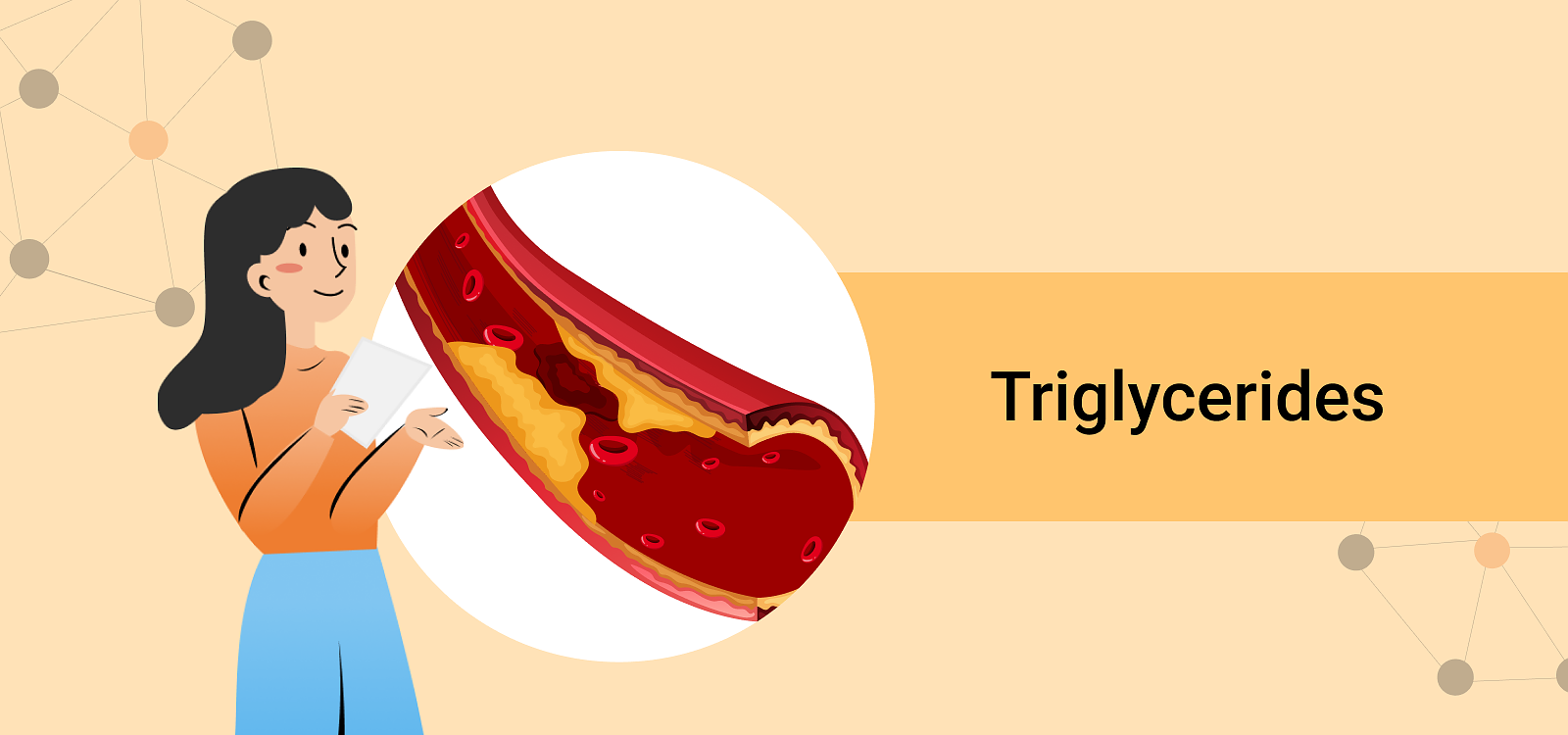
Triglycerides are fatty substances that circulate through your blood, are stored in fat cells, and are regulated by your body’s triglyceride metabolism. According to the Blood Institute, keeping these levels balanced is vital for heart health.
To understand why triglycerides matter, it helps to look at how they fit into your body’s energy system. They don’t just sit in your blood; they move, change, and influence how efficiently your heart works.
When you eat, your body converts extra calories into triglycerides. These fats act as stored energy, ready to fuel you between meals or during physical activity.
Trouble begins when storage outpaces use. High triglyceride levels thicken the blood and make arteries less flexible, slowing circulation and increasing the strain on your heart. Over time, this imbalance quietly raises the risk of heart disease.
Healthy triglyceride metabolism keeps energy use and fat storage in harmony, allowing your heart and blood vessels to function smoothly without excess buildup.
Knowing what triglycerides are sets the foundation. Next, we’ll see how they function in energy and fat metabolism and why that process matters more than most people realize.
The Role of Triglycerides in Energy and Fat Metabolism
Your body stores excess calories and dietary fat as triglycerides, drawing on them when energy runs low. Consuming too many simple carbohydrates or high-fat foods can overload this system. Understanding this process helps explain why high triglyceride levels form.
To see why these levels rise, we need to look at how triglycerides move through your energy system. Each stage of storage, release, and use determines whether your body maintains balance or begins building excess fat in the bloodstream.
Here’s how triglycerides fit into your body’s energy and fat metabolism:
-
Conversion of calories: The body turns extra calories into triglycerides and stores them in fat cells for future energy use.
-
Energy release: During fasting, exercise, or between meals, triglycerides are broken down and released into the bloodstream as fuel.
-
Impact of diet: A diet high in simple carbohydrates or saturated fats increases triglyceride production and disrupts normal fat metabolism.
-
Storage overload: When the body keeps storing more than it burns, triglycerides accumulate, leading to high levels that strain the heart.
-
Hormonal control: Insulin and other hormones regulate how triglycerides are stored and used, linking metabolism directly to blood fat levels.
When this system falters, triglycerides start to build faster than they burn. In the next section, we’ll uncover how these high levels quietly damage your heart and overall health.
The Hidden Dangers of Elevated Triglycerides on Heart Health
High triglyceride levels and extremely high levels of triglycerides raise the risk of heart attack, coronary heart disease, and high blood pressure. They’re major heart disease risk factors that worsen with excessive alcohol consumption.
Next, you’ll discover exactly how these high levels damage your body in specific ways.
1. Increased Risk of Heart Disease and Stroke
High cholesterol and uncontrolled blood pressure combine with heart attack risk when triglycerides rise. Together, they form the perfect storm for coronary heart disease. Now let’s break down how these changes directly affect your heart and circulation.
2. Damage to Blood Vessels and Arteries
Excess calories and high blood pressure can inflame artery walls, causing lasting damage. Over time, this leads to stiffened vessels that restrict oxygen flow. Let’s explore how this silent harm progresses and what can be done to reverse it.
3. Higher Chances of Developing Cardiovascular Disease
Underlying medical conditions and heart disease risk factors multiply danger when triglycerides stay high. Each contributes to higher risk for long-term cardiovascular issues. Let’s look at the science behind these links and the preventive steps that can lower your odds.
4. Greater Risk of Pancreatitis
When triglycerides reach extremely high levels, the pancreas can become inflamed, leading to acute pancreatitis. This serious condition often signals a need for immediate treatment. Keep reading to understand the warning signs and prevention tactics.
5. Worsening of Metabolic Syndrome
Metabolic syndrome brings together excess calories, other risk factors, and rising blood pressure. It magnifies your overall cardiovascular risk and can progress quietly. Let’s uncover how triglyceride control fits into managing this condition.
6. Fatty Liver Disease and Liver Damage
High fat and fatty foods overload the liver, causing fat buildup and inflammation. This can progress to serious liver damage over time. Up next, find out how to protect your liver by managing what’s on your plate.
7. Lower Levels of Good HDL Cholesterol
When high density lipoproteins fall, and LDL or total cholesterol rise, the balance tilts toward heart disease. Maintaining good HDL levels is key to heart protection. Let’s see how diet and lifestyle help restore that balance.
8. Increased Inflammation Throughout the Body
High cholesterol and certain underlying medical conditions can trigger chronic inflammation that worsens heart health. These silent reactions often go unnoticed until damage is done. Let’s learn how to calm the body’s internal fire.
To explore detailed strategies for managing heart health through food, visit Balance Bite, where science meets simple eating
Triglycerides vs. Cholesterol: Understanding the Difference
Both triglycerides and cholesterol circulate through a lipid panel but serve different roles. Low density lipoprotein, high density lipoproteins, and total cholesterol reveal your blood’s fat balance. Avoid trans fats to keep these numbers in check. Now, let’s compare how each affects your heart.
| Aspect | Triglycerides | Cholesterol |
|---|---|---|
| Function | Stores unused calories and provides energy when needed | Builds cell membranes and produces hormones |
| Source | Comes mainly from excess calories, sugar, and fat in the diet | Comes from animal products and is also made by the liver |
| Health Impact | High triglyceride levels increase heart disease risk by thickening the blood | High cholesterol levels lead to plaque buildup and narrowed arteries |
| Measurement | Checked in a lipid panel as part of a simple blood test | Measured in the same test alongside HDL and LDL cholesterol |
| Control Factors | Influenced by diet, weight, and physical activity | Affected by genetics, diet, and lifestyle habits |
| Healthy Range | Less than 150 mg/dL (normal range) | Total cholesterol below 200 mg/dL (normal range) |
Both triglycerides and cholesterol tell a story about your heart’s health but it’s your test results that reveal how well you’re managing them.
Next, we’ll look at what your blood test numbers actually say about your heart health and overall risk.
Read more expert-backed nutrition advice on Balance Bite to start building heart-healthy habits that last.
Triglyceride Levels: What Your Blood Test Numbers Say About Heart Health
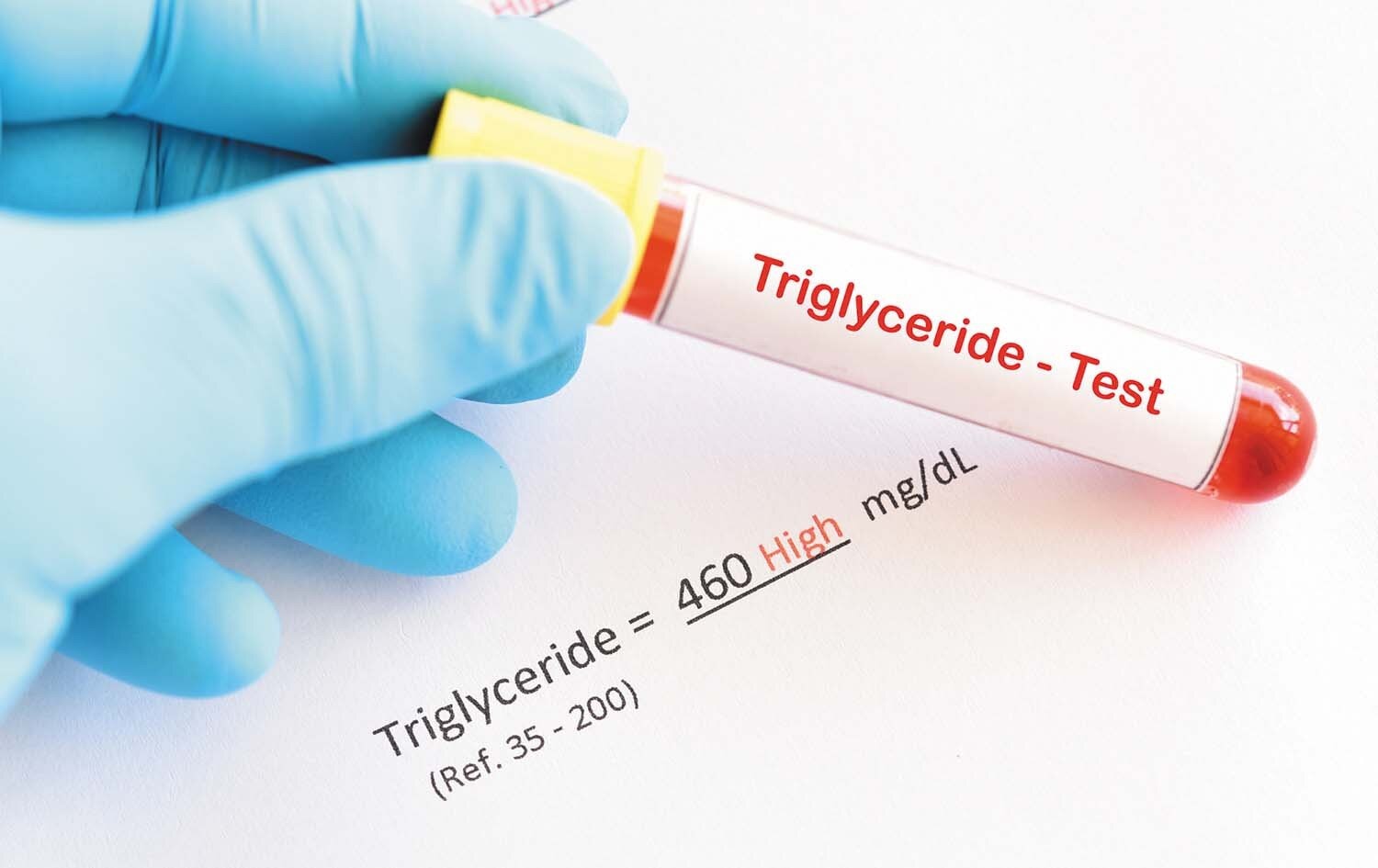
A simple blood test and lipid panel measure your healthy range and overall blood pressure status. Regular guidance from a healthcare provider helps maintain healthy levels. Now, let’s break down what those numbers actually mean.
Here’s what your blood test and lipid panel typically include:
-
Triglyceride levels: Below 150 mg/dL is considered healthy; higher levels may increase your heart disease risk.
-
Total cholesterol: Reflects the combined amount of HDL, LDL, and triglycerides circulating in your blood.
-
HDL cholesterol (high-density lipoprotein): Known as “good” cholesterol; it helps clear excess fat from blood vessels.
-
LDL cholesterol (low-density lipoprotein): Called “bad” cholesterol; high levels can block arteries and raise heart disease risk.
-
Blood pressure: Often checked alongside lipid levels to assess strain on your cardiovascular system.
-
Frequency of testing: More frequent tests are recommended if you have underlying medical conditions or high triglyceride levels.
Reading your test results is the first step; understanding what to do next is where change begins. The next section explains how often to check your triglyceride levels and when to take action.
How Often You Should Check Your Triglyceride Levels
Your healthcare provider may recommend more frequent tests to track progress. These simple blood tests show whether lifestyle changes are working.
How often you need a test depends on your health profile. Factors like age, diet, blood pressure, and past cholesterol levels all play a role in how closely your triglycerides should be monitored.
Here’s a general guideline most healthcare providers follow:
-
Routine screening: Every 4–6 years for adults with healthy triglyceride levels.
-
Follow-up testing: Every 6–12 months if your levels were previously high or you’re on medication.
-
High-risk groups: People with diabetes, obesity, or heart disease may need tests every 3–6 months.
-
Post-lifestyle changes: Retesting after diet or exercise adjustments helps check progress.
-
Medical advice: Always consult your healthcare provider before changing your test schedule.
Testing regularly keeps you informed — but numbers alone aren’t enough. Next, we’ll look at what to do if your triglyceride levels remain high despite healthy habits.
What To Do If Your Triglyceride Levels Are Too High
When levels rise, a healthcare provider may advise lifestyle changes and a healthy lifestyle plan. Address any underlying medical conditions that could raise triglyceride levels.
High triglyceride levels don’t improve overnight, but small, consistent changes can make a measurable difference. The goal is to lower excess fat in the blood and ease the strain on your heart and blood vessels.
Here’s what most healthcare providers recommend when triglyceride levels remain high:
-
Adjust your diet: Reduce sugary drinks, refined carbs, and fatty foods that increase triglycerides.
-
Increase activity: Aim for at least 150 minutes of moderate exercise per week to burn stored fat.
-
Limit alcohol: Even moderate drinking can raise triglyceride levels significantly.
-
Monitor weight: Losing even 5–10% of body weight can help restore healthy levels.
-
Review medications: Some drugs can increase triglycerides — your provider may adjust your prescription if needed.
-
Treat other conditions: Managing diabetes, thyroid disorders, or high blood pressure can prevent further spikes.
Managing triglycerides starts with understanding what affects them, but diet plays the biggest role. Next, we’ll explore a simple 7-day plan to lower triglycerides naturally through food.
Your 7-Day Diet Plan to Reduce Triglycerides Naturally

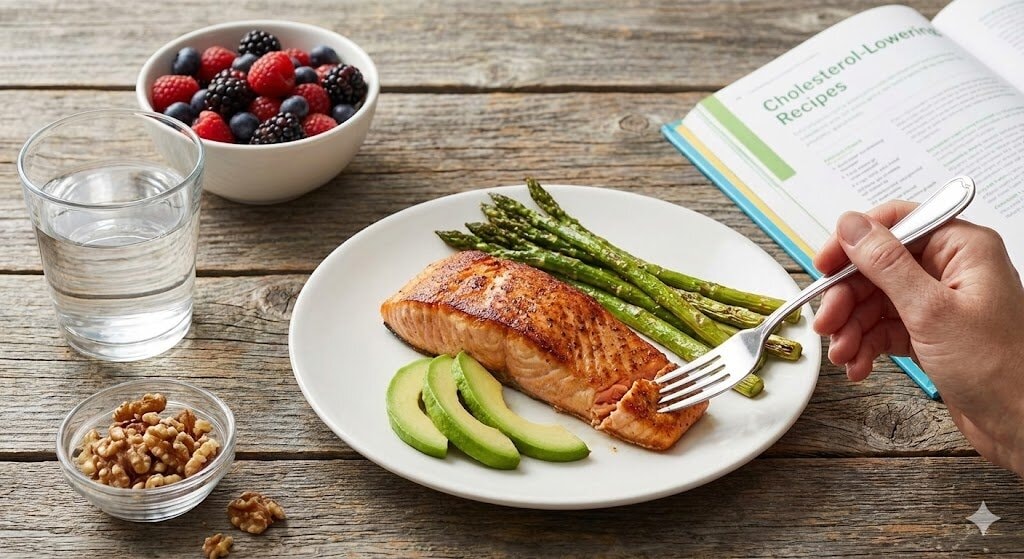
A low-fat, whole-grain diet featuring olive oil, fatty fish, and soy milk helps control high levels of triglycerides. Choosing low-fat milk and low-fat dairy products keeps fat intake balanced. Let’s move into your detailed 7-day plan for real results.
| Day | Breakfast | Lunch | Dinner | Snacks / Drinks |
|---|---|---|---|---|
| Day 1 | Oatmeal with chia seeds and berries | Grilled chicken salad with olive oil dressing | Baked salmon, quinoa, and steamed broccoli | Handful of almonds; green tea |
| Day 2 | Greek yogurt with flaxseeds and sliced apple | Lentil soup with whole-grain toast | Stir-fried tofu and mixed vegetables | Cucumber slices with hummus; water with lemon |
| Day 3 | Whole-grain toast with avocado and poached egg | Tuna wrap in whole-grain tortilla with veggies | Grilled turkey with brown rice and green beans | Small fruit bowl; unsweetened herbal tea |
| Day 4 | Smoothie with spinach, soy milk, and banana | Chickpea and quinoa bowl with olive oil drizzle | Baked cod with roasted sweet potato | Carrot sticks; handful of walnuts |
| Day 5 | Low-fat milk with bran cereal and blueberries | Vegetable stir-fry with tofu | Chicken breast with wild rice and asparagus | Apple slices with peanut butter; green tea |
| Day 6 | Scrambled eggs with tomatoes and whole-grain toast | Spinach salad with grilled shrimp and vinaigrette | Grilled fish tacos with cabbage slaw | Handful of pistachios; water with lime |
| Day 7 | Overnight oats with soy milk, chia seeds, and mango | Whole-grain pasta with tomato sauce and veggies | Baked chicken with quinoa and spinach | Greek yogurt; small handful of almonds |
Notes for Best Results:
-
Drink at least 8 glasses of water daily.
-
Avoid sugary drinks and refined carbs.
-
Choose low-fat dairy products and avoid trans fats.
-
Include fatty fish like salmon or mackerel twice a week.
-
Keep alcohol to a minimum or avoid it entirely.
This plan sets a strong foundation for lowering triglycerides, but food is only part of the picture. Next, we’ll look at which foods to favor and which ones to avoid for lasting heart health.
Want a personalized version of this plan? Try the Meal Planner on Balance Bite and get your 7-day heart-friendly diet mapped for real results
Best and Worst Foods for Managing Triglycerides
Cut down on sugary drinks, trans fats, refined carbohydrates, and fatty foods. Opt for olive oil, whole grains, and fatty fish instead. By understanding which foods help or hurt, you’ll make smarter choices in your daily meals.
Foods That Help Lower Triglycerides
-
Healthy fats: Olive oil, nuts, and avocados supply unsaturated fats that support good cholesterol and protect blood vessels.
-
Fatty fish: Salmon, mackerel, and sardines offer omega-3 fatty acids that reduce inflammation and lower triglyceride production.
-
Whole grains: Oats, quinoa, and brown rice add fiber that slows digestion and keeps blood sugar steady.
-
Low-fat dairy: Milk and yogurt give protein and calcium without excess saturated fat.
-
Fruits and vegetables: Rich in antioxidants, they reduce oxidative stress and support a healthy heart.
Foods That Raise Triglycerides
-
Sugary drinks and sweets: These cause quick blood sugar spikes, prompting the liver to turn sugar into stored fat.
-
Refined carbohydrates: White bread and pastries digest fast and lead to higher triglyceride levels.
-
Trans fats and fried foods: They raise LDL cholesterol while lowering protective HDL cholesterol.
-
High-fat meats and processed foods: Contain saturated fats that strain the cardiovascular system.
-
Alcohol: Even small amounts can raise triglyceride levels by adding extra calories the body doesn’t need.
Managing triglycerides isn’t about restriction; it’s about replacement. When you swap refined foods for natural, fiber-rich ones, you lower fat buildup and support long-term heart health. In the next section, we’ll explore daily habits that make these changes last.
9 Proven Tips to Lower Triglyceride Levels Naturally

Healthy lifestyle habits and smart lifestyle changes can drastically improve high levels of triglycerides. Avoid refined carbohydrates, trans fats, and excessive calories while adding whole grains and olive oil. Keep reading to discover each proven strategy in detail.
1. Cut Back on Added Sugars and Refined Carbs
Sugary foods and refined carbs quickly turn into triglycerides your body can’t burn off. The excess gets stored as fat, raising triglycerides and LDL cholesterol.
Try these simple swaps:
-
Replace soda with sparkling water or unsweetened tea.
-
Swap white bread or rice for oats, quinoa, or brown rice.
-
Choose fruit over desserts or packaged sweets.
Even small adjustments can make a measurable difference in a few weeks.
2. Choose Healthy Fats Over Trans and Saturated Fats
Processed foods often hide unhealthy fats that harm the heart and raise cholesterol levels. Replacing them with healthier fats supports triglyceride balance and protects blood vessels.
Choose wisely:
-
Use olive oil, nuts, seeds, and avocados.
-
Avoid fried snacks, margarine, and fast food.
-
Add fatty fish like salmon or sardines twice a week.
A few mindful swaps can dramatically improve your heart health.
3. Increase Physical Activity to Burn Off Unused Calories
Exercise helps your body use fat for fuel instead of storage. It lowers triglycerides, raises HDL (good) cholesterol, and boosts your overall metabolism.
Start with manageable movement:
-
Brisk walking or cycling for 30 minutes most days.
-
Light strength training twice a week.
-
Stretching or yoga to support endurance and recovery.
The goal isn’t perfection, it’s consistency. Keep moving, and your body will adapt.
4. Lose Weight Gradually for Long-Term Results
Rapid weight loss can lower HDL and raise LDL cholesterol, disrupting balance. A slow, steady approach keeps cholesterol stable and prevents unused calories from turning into triglycerides.
Aim for small, sustainable progress. Losing 1–2 pounds per week through better food choices and regular activity is both safe and effective.
5. Limit Alcohol — Even Occasional Drinks Add Up
Alcohol adds more calories than most realize, and the liver turns those into triglycerides. Even moderate drinking can spike levels, especially in those with metabolic issues.
Limiting alcohol helps your body process fat efficiently and supports healthier cholesterol balance. If you drink, keep it occasional and light, your numbers will reflect it.
6. Eat More Fiber-Rich Foods
Fiber slows digestion, stabilizes blood sugar, and curbs overeating, all key for reducing triglycerides.
Add more of these foods:
-
Whole grains like oats, barley, and quinoa.
-
Legumes such as beans, lentils, and chickpeas.
-
Fruits like apples, pears, and berries.
-
Vegetables, especially leafy greens and cruciferous types.
Fiber quietly reshapes your metabolism from the inside out.
7. Add Omega-3 Fatty Acids to Your Diet
Omega-3s help lower triglycerides, improve heart rhythm, and ease inflammation. They work even in people with high or extremely high triglyceride levels.
Top sources include:
-
Fatty fish such as salmon, mackerel, or trout.
-
Chia seeds, flaxseeds, and walnuts.
-
Omega-3 supplements, if recommended by your healthcare provider.
A few servings a week can make a visible impact on your lipid profile.
8. Keep an Eye on Portion Sizes and Total Calories
Even healthy food can become a problem if eaten in excess. Extra calories especially from fats and carbs eventually turn into triglycerides.
Use smaller plates, pause before second servings, and eat mindfully. Managing quantity matters as much as food quality when it comes to lowering triglycerides.
9. Stay Consistent With Your Meal Schedule
Irregular eating disrupts how your body processes fats and sugars. Skipping meals or overeating later encourages fat storage and higher triglyceride levels.
Eating at regular intervals keeps energy steady and metabolism efficient. Routine meals train your body to process food more predictably, a quiet but powerful advantage for heart health.
These habits work best together, not alone. When you combine smart eating, regular movement, and balance, triglycerides drop naturally and heart health improves.
FAQ'S
1. How often should I do cholesterol tests if my healthy triglyceride levels are high?
Get your cholesterol tests done every 6 to 12 months. Regular testing helps track how well your triglycerides and overall lipid levels respond to lifestyle or medication changes.
2. Can certain medications or conditions raise triglycerides even when I eat well?
Yes. Drugs like steroids, beta blockers, and some birth control pills can raise triglycerides. Conditions such as diabetes, thyroid issues, and kidney disease can also increase them.
3. What do levels of triglycerides tell my doctor beyond cholesterol tests?
Levels of triglycerides show how your body stores and uses fat. High numbers suggest your body is not processing calories efficiently, which can increase heart disease risk.
4. Is it possible for triglycerides to be high while cholesterol looks fine on the test?
Yes. You can have normal cholesterol and high triglycerides at the same time. This often points to too much sugar or refined carbs in your diet.
5. Do genetics play a role in whether my body will raise triglycerides easily?
They do. Some people inherit a tendency to raise triglycerides easily. In these cases, healthy habits help but medication may also be needed.
Conclusion
Lowering triglycerides isn’t guesswork, it’s structure, consistency, and awareness. Every food choice, walk, and skipped drink shifts your numbers in the right direction.
You don’t need perfection; you need persistence. Follow this doctor-recommended 7-day plan, build on it week by week, and your body will do what it’s built to do, heal, rebalance, and protect your heart.
Start today, and let your next blood test tell the story.
Keep building on what you’ve learned. The Heart Health Hub at Balance Bite offers daily nutrition tips, balanced recipes, and expert insights to help you maintain progress long-term




Leave a comment
Translation missing: en.blogs.comments.discription