

Find balance with Desi wisdom and modern nutrition. Explore best weight reduction diet plan(India) or effective and sustainable results.
You know what’s funny? For years, we’ve chased Western diet trends, counting calories, sipping green smoothies, and skipping our favorite rotis. Yet somehow, our nani’s simple Indian diet plan still seems to keep everyone healthier, happier, and lighter.
The truth is, losing weight in India is not about starving or avoiding your favorite Indian food. It is about understanding what your body truly needs: the balance of whole grains, healthy fats, and homemade meals that nourish instead of drain you.
In this guide, we blend modern nutrition with age-old Desi wisdom to help you design a sustainable Indian weight loss plan. By the end, you will know exactly how to create a weight reduction diet plan that fits your lifestyle, your plate, and your long-term health goals.
What is an Indian Weight Reduction Diet Plan and How It Differs from Western Diet Plans?
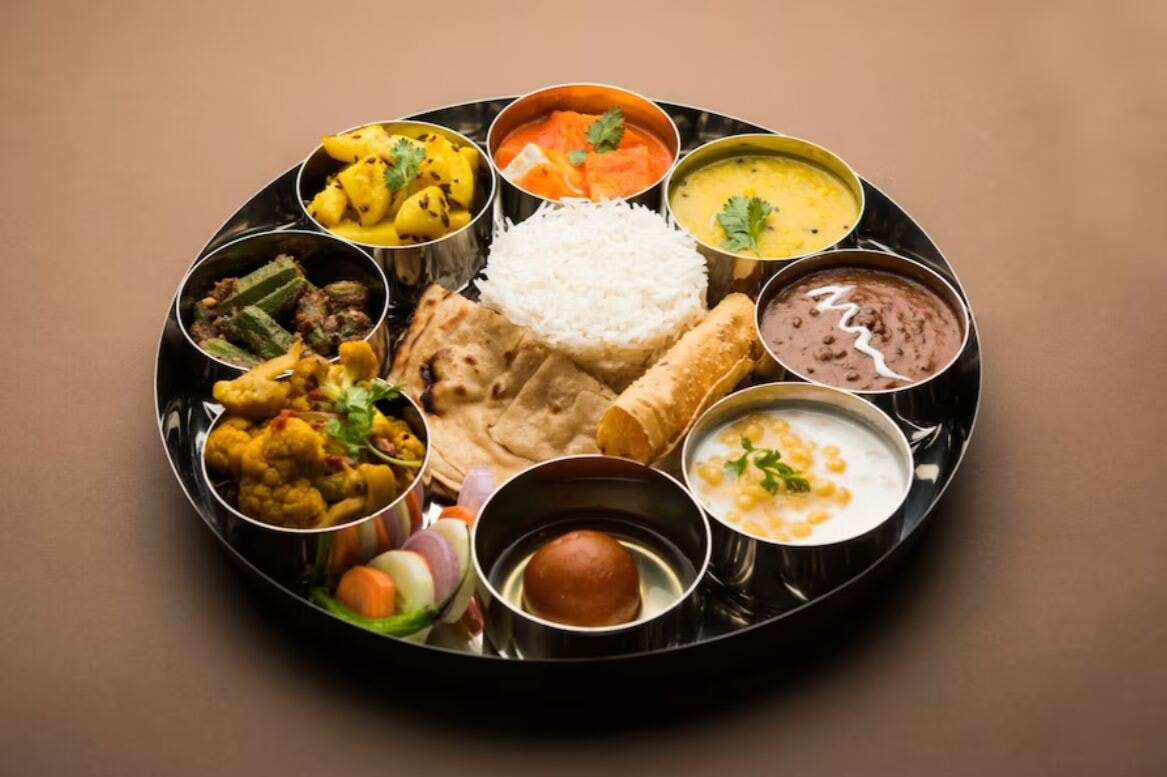
An Indian diet plan blends heritage with health. It allows you to lose weight through simple, home-cooked meals instead of fancy superfoods. This diet plan is not about cutting joy but building discipline that lasts.
It avoids crash diets and focuses on meals that are both satisfying and nourishing. The emphasis is on gradual change and consistency rather than short-term restriction.
-
Focuses on seasonal vegetables and local produce that match regional climates.
-
Encourages cooking with minimal oil while preserving flavor and nutrients.
-
Promotes regular meals that stabilize blood sugar and prevent overeating.
Unlike imported diet fads, this approach connects culture with science. It proves that mindful eating and traditional practices can support healthy, lasting weight management.
The Core Elements of an Indian Weight Reduction Diet Plan
The foundation of a diet plan for weight loss in India is balance. It includes healthy fats, limited processed foods, and mindful portions. Every meal reflects a weight loss journey that is cultural, emotional, and physical.
Every Indian diet plan aims to create harmony between taste, nutrition, and portion control. It teaches moderation instead of elimination and focuses on nutrient density over calorie obsession.
-
Whole grains such as brown rice, millets, and whole wheat chapatis form the base.
-
Protein-rich foods like paneer, lentils, or chicken breast aid muscle repair and satiety.
-
Fibre-rich foods such as vegetables and fruits improve digestion and keep you full longer.
-
Healthy fats from nuts, seeds, and ghee support metabolism and hormone balance.
This plan builds energy and sustainability. It replaces deprivation with mindful choices that naturally lead to steady, healthy weight loss.
Major Differences Between Indian and Traditional Western Diet Plans
Unlike calorie-counting Western routines, an Indian weight loss diet favors local ingredients and variety. Regular green tea, spices, and a sustainable Indian diet plan help build a weight loss plan that aligns with your lifestyle.
| Aspect | Indian Diet Plans | Western Diet Plans |
|---|---|---|
| Core Philosophy | Balance, moderation, and mindful eating | Calorie restriction and macronutrient tracking |
| Ingredients | Local produce, lentils, spices, and whole grains | Processed foods, protein powders, and supplements |
| Cooking Style | Warm, cooked meals using minimal oil | Cold salads, grilled meats, and shakes |
| Meal Frequency | 3 main meals with small, healthy snacks | 2–3 large meals or intermittent fasting |
| Protein Sources | Lentils, paneer, chicken, legumes | Meat, eggs, dairy, and protein shakes |
| Fats Used | Healthy fats from ghee, nuts, and seeds | Processed oils and butter substitutes |
| Cultural Connection | Deeply rooted in heritage and tradition | More mechanical and convenience-focused |
| Sustainability | Long-term and adaptable to lifestyle | Often short-term and restrictive |
The takeaway is simple: Indian diet plans win on sustainability, comfort, and balance. They fit into real life instead of forcing you to live around them.
Designing a Weight Reduction Diet Plan That Fits the Indian Lifestyle
An Indian diet is more than food; it is a rhythm of living. By adjusting calorie intake, following a simple diet chart, and using local produce, you can turn daily meals into a lifelong Indian weight loss plan that feels natural, not forced.
Below are three practical versions of a balanced Indian weight reduction diet plan — designed to fit different lifestyles while promoting steady, healthy weight loss.
1. Vegetarian Indian Diet Plan
Morning (7–8 AM)
-
Warm water with lemon or green tea
-
5 soaked almonds or chia seeds
Breakfast (8:30–9:30 AM)
-
Vegetable poha or upma made with very little oil
-
1 cup low fat milk or a bowl of curd
Mid-Morning (11 AM)
-
Fresh fruit like apple or papaya
-
Herbal tea or black coffee
Lunch (1–2 PM)
-
1 cup brown rice or 2 whole wheat rotis
-
Mixed vegetables sautéed lightly
-
1 bowl of dal or low fat paneer
-
Salad with cucumber, tomato, and carrots
Evening Snack (4:30–5 PM)
-
Roasted chana or a handful of nuts
-
Green tea
Dinner (7–8 PM)
-
Grilled or sautéed veggies
-
1 bowl dal soup or khichdi with fibre rich foods
-
Warm turmeric milk before bed
Key Focus: Portion control, fibre intake, and avoiding processed foods.
2. Non-Vegetarian Indian Diet Plan
Morning (7–8 AM)
-
Warm water with lemon
-
4 soaked almonds or walnuts
Breakfast (8:30–9:30 AM)
-
2 boiled eggs or omelette with vegetables
-
1 slice whole wheat toast or a bowl of oats
Mid-Morning (11 AM)
-
Green tea with a handful of roasted seeds
Lunch (1–2 PM)
-
1 cup brown rice or 2 rotis
-
Grilled chicken breast or fish (like grilled fish)
-
Mixed vegetables or stir fried tofu for balance
-
Salad with curd
Evening Snack (4:30–5 PM)
-
Fresh fruit or buttermilk
-
Handful of nuts or sprouts
Dinner (7–8 PM)
-
Light chicken soup or sautéed veggies
-
1 small bowl of dal or kidney beans
-
Herbal tea for digestion
Key Focus: High protein, low fat, and avoiding fried foods for steady fat burning.
3. Vegan Indian Diet Plan
Morning (7–8 AM)
-
Warm water with lemon or herbal tea
-
A handful of nuts or chia seeds
Breakfast (8:30–9:30 AM)
-
Vegetable stir fry with tofu or sprouts
-
Almond milk smoothie with fresh fruit
Mid-Morning (11 AM)
-
Coconut water or green tea
-
Handful of roasted chickpeas
Lunch (1–2 PM)
-
1 cup brown rice or quinoa
-
Stir fried veggies with very little oil
-
Lentil curry with mixed vegetables
-
Salad with lemon and olive oil dressing
Evening Snack (4:30–5 PM)
-
Roasted makhana or a banana
-
Herbal tea
Dinner (7–8 PM)
-
Steamed vegetables or soup with whole grains
-
A small portion of sautéed tofu or beans
-
Warm almond milk with cinnamon before bed
Key Focus: Nutrient-dense foods, plant protein, and natural sources of healthy fats.
Each of these diet plans encourages balance, not restriction. They replace crash diets with sustainable eating habits that align with Indian routines making healthy weight loss both achievable and enjoyable. Following this Indian diet chart will help you loose weight faster and sooner.
Learn how to balance your plate with My Balance Bite and make Indian food your wellness ally
10 Foods to Avoid for Faster Weight Loss

Even the best Indian food can slow your progress if misused. Skip fried foods, excess brown rice, and white rice to lose weight quickly, lose fat, and burn fat more efficiently. Replace sugary drinks with water or green tea, and swap refined carbs for whole grains to keep your progress steady.
Every swap delivers visible health benefits that go far beyond just numbers on the scale.
| Avoid This | Eat Instead |
|---|---|
| Sugary snacks and desserts | Fresh fruit or chia seed pudding |
| Sugary drinks or alcohol | Green tea, lemon water, or herbal infusions |
| Fried foods and fried snacks | Grilled fish or sautéed veggies cooked with very little oil |
| Refined carbs (white bread, pastries) | Whole wheat rotis or multigrain toast |
| Processed foods and packaged snacks | Whole foods like sprouts, nuts, and roasted chana |
| White rice or excess brown rice | Fibre rich foods like millets or quinoa |
| Full-fat dairy and heavy cream | Low fat paneer or toned milk |
| Fast food and refined carbohydrates | Vegetable stir fry or homemade Indian cuisine |
| Sweetened breakfast cereals | Oats or curd lunch with fresh fruit |
| Sugary sauces and dressings | Olive oil, lemon, or yoghurt-based dips |
The secret to progress is not deprivation but better swaps. Replace what slows you down with nutrient-dense foods that fuel your body and mind for long-term weight management.
Discover how to make healthy swaps and keep flavor intact at My Balance Bite
How Much Weight Can You Safely Lose on This Structured Diet Plan
A steady routine beats extremes. With chia seeds, proper refined carbohydrates control, and a balanced daily diet, you can drop kilos safely. Smart portion control, fibre rich foods, nutrient dense foods, and balanced meals make hunger manageable while keeping energy high for healthy weight loss that lasts.
A wholesome vegetable stir fry, grilled chicken breast, or curd lunch with fresh fruit fuels your daily diet with balance. Add stir fried veggies cooked with very little oil and fibre rich foods for lasting energy.
On average, you can expect to lose 0.5 to 1 kg per week safely, depending on your metabolism and activity level.
Weight loss that lasts is slow by design. It is not about chasing numbers but building a rhythm that sustains you long after the diet ends.
Explore practical, Desi-friendly strategies at My Balance Bite for smarter, safer results
Common Mistakes People Make While Following Weight Loss Diets
Even with good intentions, mistakes happen. Relying on low-fat myths or half-hearted avoiding processed foods slows progress. Focus on grilled fish, variety, and mindfulness to stay on track with your healthy weight goal while eating Indian food in moderation. Add mixed vegetables to your meals to keep them colorful, light, and balanced.
1. Skipping Meals or Eating Too Little
Skipping meals confuses your metabolism and hinders progress. Your body holds onto calories when it senses restriction instead of burning them.
-
Plan meals at consistent times to maintain balance.
-
Add light snacks like a roasted chana dinner to prevent overeating later.
-
Keep breakfast nutrient-dense, even if small.
Starving the body slows progress instead of speeding it up. Feed it wisely, not sparsely.
2. Overeating “Healthy” Foods Like Nuts or Ghee
Even healthy fats can cause weight gain when portions go unchecked. A spoon too much can turn maintenance into surplus.
-
Measure oils and ghee instead of eyeballing.
-
Use small bowls to control portions easily.
-
Mix good fats with fibre-rich meals for better satiety.
Health is about balance, not abundance. The right amount matters more than the right label.
3. Depending Too Much on Fancy Diet Fads
Trendy plans fade fast because they ignore how the body truly works. Sustainable routines always beat short-lived experiments.
-
Replace crash diets with a steady, home-cooked pattern.
-
Choose whole, local ingredients over imported “superfoods.”
-
Stick to foods that suit your schedule and climate.
Progress thrives on consistency, not novelty.
4. Ignoring Protein in a Carb-Heavy Diet
Protein supports long-term weight management and recovery. Indian meals often tilt toward carbs, leaving a nutritional gap.
-
Include dals, eggs, paneer, or lean meat regularly.
-
Replace refined grains with lentils or quinoa.
-
Aim for protein in every major meal, not just dinner.
Balanced macronutrients keep hunger, mood, and energy steady throughout the day.
5. Drinking Too Many Sugary Beverages
Liquid calories sneak in quietly and stay longer than expected. Sugary drinks undo hours of mindful eating.
-
Replace packaged juices with water, buttermilk, or herbal tea.
-
Add lemon, mint, or cucumber for flavor without sugar.
-
Track beverages in your calorie log, not just meals.
Small sips can make or break your results. Choose freshness over fizz.
6. Forgetting Portion Control at Home Meals
Home-cooked does not always mean healthy. When comfort meets excess, the scale stops moving.
-
Use smaller plates to control serving size.
-
Avoid second helpings until you feel actual hunger.
-
Focus on slow, mindful bites over quick refills.
Even the best food can stall progress if portions go unchecked.
7. Underestimating the Power of Sleep and Stress
Poor sleep and high stress block fat loss and trigger cravings. The body needs rest to reset its metabolism.
-
Sleep 7–8 hours regularly to support recovery.
-
Manage stress through walking, journaling, or light yoga.
-
Avoid caffeine close to bedtime for deeper rest.
Calmness is underrated fuel for transformation.
8. Neglecting Exercise or Choosing Only Cardio
Exercise works best when varied and consistent. Cardio alone helps, but strength training shapes sustainable results.
-
Combine walking, weights, and flexibility routines.
-
Exercise regularly instead of going hard once a week.
-
Use household movements, like stair climbing, to stay active daily.
Your body changes faster when effort is balanced, not extreme.
9. Giving Up Too Soon or Expecting Quick Fixes
Impatience kills most fitness journeys before results show. Weight loss builds quietly, then suddenly.
-
Track habits, not just numbers on the scale.
-
Adjust gradually instead of restarting from scratch.
-
Celebrate discipline more than speed.
Sustainable success comes to those who persist long enough to see it.
Bonus Tip: The Right Oils Matter
Using the right oil changes how food supports your body. Oils like mustard oil improve flavor and heart health when used sparingly.
-
Cook with oils high in good fats and antioxidants.
-
Rotate oils for diversity in nutrients.
-
Avoid reheating or reusing fried oils.
Healthy cooking methods keep every calorie purposeful.
Steps to Sustain Your Progress and Conquer Weight Loss Plateaus

When results stall, refocus. These steps help you realign body and mindset for consistent growth.
1. Set Realistic Goals and Track Progress
Create a flexible meal plan that adjusts to your routine.
Long-term success depends on goals that adapt with your body and schedule. Instead of aiming for perfection, focus on measurable improvements.
-
Track calories, steps, and water daily.
-
Use weekly check-ins to review progress honestly.
-
Adjust expectations based on real results, not trends.
Small, realistic goals keep your motivation alive and your journey steady.
2. Adjust Calorie Intake as Your Body Adapts
Tweak calorie intake gradually to match activity levels.
Metabolism slows as you lose weight. When that happens, your diet needs small, timely adjustments to stay effective.
-
Cut or add calories in 100–150 increments, not extremes.
-
Reevaluate portion sizes every two weeks.
-
Listen to hunger cues instead of forcing meals.
A balanced intake keeps energy high and supports efficient burning calories.
3. Add Variety to Your Workouts
Include yoga, stir fried tofu, and walking for balance.
When the same routine feels easy, your body stops changing. Switch things up to challenge different muscle groups and boost metabolism.
-
Alternate strength, flexibility, and endurance sessions.
-
Try bodyweight moves if you lack equipment.
-
Pair exercise with protein-rich recovery snacks.
Variety trains both body and mind to stay alert and adaptable.
4. Prioritize Protein and Balanced Meals
Choose low fat paneer, eggs, or kidney beans for energy.
Protein builds strength, repairs tissue, and keeps hunger in check. It’s the cornerstone of every sustainable diet.
-
Include one protein source at each meal.
-
Combine with vegetables and whole grains for balance.
-
Keep meals colorful for better nutrient absorption.
A plate rich in balance fuels focus and endurance throughout the day.
5. Manage Stress and Sleep Patterns
Rest promotes hormonal balance and efficient fat burning.
Without recovery, progress slows even with perfect diet and exercise. Sleep and calm help your body reset.
-
Sleep 7–8 hours every night.
-
Avoid screens one hour before bed.
-
Try short breathing exercises to unwind.
Recovery is not laziness, it’s a hidden part of transformation.
6. Stay Hydrated and Mindful of Hidden Calories
Drink green tea or water to boost metabolism naturally.
Hydration supports digestion, improves focus, and reduces false hunger. Hidden calories often hide in drinks, not meals.
-
Track how much water you drink each day.
-
Avoid juices, shakes, and fancy coffees with sugar.
-
Drink a glass of water before every meal.
When your body runs on clean fuel, results follow naturally.
7. Refeed or Cheat Smartly Without Losing Control
Occasional sugary snacks are fine when balanced with nutrition.
Cheat meals are not failure, they’re part of balance. The key is structure, not surrender.
-
Schedule them after consistent effort.
-
Choose homemade desserts over packaged junk.
-
Keep the next meal clean and nutrient dense.
Discipline with flexibility builds sustainability, not guilt.
8. Focus on Non-Scale Victories
Energy, confidence, and consistency matter as much as weight.
Progress goes beyond numbers. The real change lies in how you feel and function daily.
-
Notice better posture or stamina during workouts.
-
Track sleep quality and mood improvements.
-
Celebrate habit consistency every week.
These invisible wins are what make visible ones possible.
9. Reassess Your Plan Every Few Weeks
Refresh your Indian cuisine with new whole foods combinations.
Your body evolves, and your diet should evolve with it. Sticking to the same plan for months can slow adaptation.
-
Review portion sizes and food diversity.
-
Replace repetitive meals with seasonal produce.
-
Experiment with new recipes that fit your macros.
Growth happens when you learn to adjust before you stagnate.
Conclusion
Now that you’ve read this far, you already know it’s not just about diets or discipline, it’s about direction. Every choice you make from today can shift your energy, mindset, and confidence.
You don’t need another rulebook to follow; you need awareness. Pay attention to what fuels you, how your body reacts, and where your habits lead. The power to transform was always in your small, consistent decisions.
Let your final thoughts, losing weight be about freedom, not fear. Eat with intent, move with purpose, rest with pride, and live with balance. Change isn’t waiting for a Monday, it’s starting with your next meal.
Start small with expert-guided tips at My Balance Bite




Leave a comment
Translation missing: en.blogs.comments.discription