

You sit down to breakfast expecting it to help, yet the mirror tells a different story. Hunger returns early, energy dips, and belly fat stays stubborn.
That gap is not about effort. It is about how the first meal quietly programs appetite, blood sugar, and fat storage.
These 14 diet plan breakfast weight loss ideas are built around what the body actually responds to in the morning. Each choice supports fullness, steady energy, and natural fat reduction by working with metabolism instead of pushing against it.
How Wrong Breakfast Choices Disrupt Weight Loss?

Wrong breakfast choices often push the body toward weight gain instead of helping people lose weight. Refined carbs, white bread, white rice, added sugars, and excess calories disturb blood sugar and slow metabolism.
This makes weight loss harder despite effort, especially when breakfast lacks balance and control. The disruption begins quietly, through patterns most people overlook.
What This Disruption Looks Like
-
Hunger returns soon, even after eating what felt like enough.
-
Energy fades by mid morning, followed by stronger cravings.
-
Calorie intake rises later in the day because satiety was short lived.
Breakfast Patterns That Drive It
-
Refined carbs and refined grains that digest too quickly.
-
Added sugars that spike sugar and blood sugar early.
-
White bread and white rice that replace fiber rich foods.
-
High calories without enough protein or vegetables.
-
Large portions without a clear way to control portions.
Example
White bread toast with sweet chai raises blood sugar fast, then drops it just as quickly. Appetite returns well before lunch, even though breakfast looked light and simple.
The issue is not food quality alone, it is structure. Understanding why these patterns fail makes it easier to see what a healthy breakfast actually needs to do.
Key Components of a Healthy Breakfast
A healthy breakfast supports weight loss when it aligns nutrition, calories, and the body’s daily needs. Within an indian diet plan, this means choosing foods that protect metabolism, control sugar spikes, and support overall health.
Each component works together to shape energy, hunger, and long term results.
1. Balanced Macronutrients for Steady Energy
A balanced diet at breakfast combines protein, fats, and carbohydrates in the right ratio. Balanced macronutrients supply essential nutrients and other essential nutrients that support body composition, overall health, and stable energy.
When nutrition is balanced, the body uses food efficiently instead of storing excess weight.
What balance looks like
-
Protein for satiety and recovery
-
Fiber rich carbs for steady energy
-
Healthy fats for absorption and fullness (see this 1 month diet plan for weight loss)
Example
One cup of curd with fruit and nuts balances protein, carbs, and fats in a practical way.
2. Protein Intake to Support Fat Loss and Satiety
Protein plays a central role in fat loss by supporting muscle, reducing hunger, and helping the body support weight loss efficiently. Protein rich foods such as two eggs or protein powder improve satiety and preserve lean mass.
Adequate protein intake shapes how the body burns calories rather than storing them.
Easy protein anchors
-
Two eggs with vegetables
-
Curd or greek yogurt bowls
-
A measured scoop of protein powder when food is not enough
3. Fiber-Rich Foods to Control Hunger and Digestion
Fiber rich foods help control hunger by slowing digestion and stabilizing energy. Whole grains, grains, vegetables, leafy greens, fresh fruits, fruit, brown rice, and whole wheat add volume without excess calories. This combination improves digestion and prevents overeating later in the day.
High fiber picks
-
Whole wheat options over white bread
-
Brown rice in small portions when needed
-
Leafy greens added to cheela, upma, or omelettes
4. Limited Added Sugars and Refined Ingredients
Added sugars, refined carbs, and refined grains quickly raise blood sugar and increase hunger soon after eating. These ingredients make breakfast calorie dense but nutritionally weak. Reducing sugar intake allows the body to regulate energy naturally and avoid unnecessary weight gain.
Where sugar hides
-
Packaged cereals and granola
-
Sweetened yogurt
-
Flavoured drinks and “health” shakes
5. Portion Sizes That Align With a Weight Loss Diet Plan
Portion control connects calorie count with realistic eating. Even healthy foods can slow a weight loss plan when portions exceed needs. Managing calories through control portions helps maintain consistency without restriction.
Proper portions support steady progress while keeping breakfast satisfying.
A practical way to check portions
-
Use one cup measures for staples like oats, poha, and curd
-
Adjust based on hunger and activity, not guesses
6. Breakfast Foods That Support Belly Fat Reduction
Certain breakfast foods support belly fat reduction by improving metabolism and encouraging fat burning. These choices influence how the body stores and releases fat across the abdomen. While no food targets fat directly, consistent breakfast patterns shape visible changes over time.
What supports better outcomes
-
Vegetables added early in the day
-
Heart healthy fats in small amounts for satiety
7. Hydration Choices Like Green Tea for Metabolic Support
Hydration affects metabolism and appetite regulation. Green tea and lemon water offer health benefits that support digestion and energy without adding calories. These choices influence how the body processes breakfast nutrients and reinforce healthier morning routines.
When to choose what
-
Green tea after breakfast if caffeine suits you
-
Lemon water early morning if it supports digestion
How to keep this evidence-based
Nutrition values can be checked using FoodData Central for clarity. For personalised needs such as lipid profile concerns, a registered dietitian can adjust fats and portions using peer reviewed studies as a safer reference point.
These components set the rules, the next step is seeing how they look on a plate through Indian breakfast ideas that keep you full and support fat loss.
Want to apply these components to real meals? MyBalanceBite breaks down everyday Indian foods into practical breakfast combinations that support steady fat reduction.
14 Indian Breakfast Ideas That Keep You Full and Support Fat Loss
Indian breakfast ideas can support fat loss when they match real eating habits and nutritional needs. Within an indian diet and indian weight loss diet, the right diet plan balances fullness, calories, and satisfaction.
These breakfast ideas focus on weight loss friendly breakfast choices that fit daily routines and support fat loss sustainably.
Vegetarian Breakfast Meals for Fat Loss
Vegetarian options like moong dal chilla, chia seeds, greek yogurt, curd lunch, nut butter, and whole grain toast offer protein, fiber, and healthy calories. When paired with vegetables and whole foods, these meals support fat loss while staying practical for everyday indian diets.
| Breakfast Option | Why It Keeps You Full | Fat Loss Benefit | Best Portion Size | Approx Calories |
|---|---|---|---|---|
| Moong Dal Cheela with Vegetables | High protein and fiber slow digestion | Reduces cravings and stabilizes blood sugar | 2 medium cheelas | 280–300 kcal |
| Vegetable Oats Upma | Soluble fiber increases satiety | Prevents mid-morning hunger spikes | 1 medium bowl | 220–250 kcal |
| Greek Yogurt with Chia Seeds | Protein + fiber delays hunger | Supports fat loss and gut health | 1 bowl (150–200 g) | 180–220 kcal |
| Besan Chilla with Spinach | Protein-rich and low glycemic | Helps control calorie intake | 2 small chillas | 250–280 kcal |
| Paneer Bhurji with Vegetables | High protein slows gastric emptying | Preserves muscle during fat loss | 100 g paneer (see 1400 kcal Diet Plan) | 300–330 kcal |
Non-Vegetarian Breakfast Meals for Fat Loss
Non vegetarian breakfasts using two eggs and other protein rich foods support fat loss by improving satiety and calorie control. These meals help manage hunger while preserving muscle, making them effective within a structured diet and active lifestyle.
| Breakfast Option | Why It Keeps You Full | Fat Loss Benefit | Best Portion Size | Approx Calories |
|---|---|---|---|---|
| Boiled Eggs with Sautéed Vegetables | Complete protein keeps hunger low | Improves appetite control | 2 eggs | 200–220 kcal |
| Egg Bhurji with Vegetables | Protein + fats slow digestion | Reduces overeating later in the day | 2 eggs | 240–270 kcal |
| Omelette with Mixed Vegetables | High protein supports satiety | Maintains lean muscle mass | 2 eggs | 230–260 kcal |
| Egg White Scramble with Veggies | Very high protein, low calories | Supports aggressive fat loss | 4 egg whites | 180–200 kcal |
Vegan Breakfast Meals for Fat Loss
Vegan breakfasts built around chia seeds, fresh fruits, whole grains, brown rice, vegetables, and grains provide fiber and nutrients that support fat loss. These meals rely on plant based balance rather than restriction, helping maintain energy and consistency across meals.
| Breakfast Option | Why It Keeps You Full | Fat Loss Benefit | Best Portion Size for a Fruit Diet for Weight Loss | Approx Calories |
|---|---|---|---|---|
| Sprouted Moong Salad | Fiber and plant protein increase fullness | Improves digestion and metabolism | 1 bowl | 180–200 kcal |
| Poha with Vegetables and Peanuts | Balanced carbs and healthy fats | Sustains energy without spikes | 1 small bowl | 270–300 kcal |
| Ragi Dosa with Vegetable Filling | High fiber and slow carbs | Supports belly fat reduction | 1 medium dosa | 260–290 kcal |
| Smoothie with Plant Milk and Seeds | Fiber + fats reduce hunger swings | Helps calorie control when portioned | 1 glass | 220–250 kcal |
| Chia Seed Pudding with Almond Milk | Gel-forming fiber increases satiety | Controls appetite naturally | 1 small bowl | 200–220 kcal |
If you prefer structured guidance instead of guesswork, MyBalanceBite offers breakfast-focused diet plans designed around Indian eating habits and realistic portions.
These breakfast ideas show what works when structure is right, but results often slip because small habits undo that structure. Choices that look harmless in the morning can quietly weaken fullness, energy, and fat loss over time.
Understanding where these breakdowns happen is the key to keeping progress steady, which brings the focus to the most common mistakes people make with Indian breakfasts.
Common Mistakes People Make With Indian Breakfasts for Weight Loss

Many common mistakes come from crash diets, poor portion awareness, and skipping meals through intermittent fasting. Added sugars, refined carbs, and inaccurate calorie count undermine weight loss goals.
Ignoring mindful eating, failing to chew slowly, and repeating habits without balance weaken results over time. Recognizing these mistakes clarifies why progress often stalls unexpectedly.
1. Relying on High-Carb Breakfasts Without Enough Protein
High-carb breakfasts digest quickly and leave hunger unmanaged. Without protein, satiety fades early and calorie intake rises later in the day.
How to avoid
-
Add one clear protein source to breakfast
-
Use eggs, curd, paneer, or legumes as the base
-
Balance carbs with protein instead of removing them
2. Skipping Breakfast to “Save Calories”
Skipping breakfast shifts hunger to later hours and increases portion sizes at lunch or dinner.
How to avoid
-
Eat a small but structured breakfast
-
Combine protein with fiber to control appetite
-
Keep timing consistent rather than skipping meals
3. Consuming Hidden Added Sugars Through Packaged Foods and Drinks
Packaged foods often contain sugars that are easy to miss but hard on appetite control.
How to avoid
-
Read labels for added sugars
-
Choose unsweetened curd, cereals, and drinks
-
Prefer whole foods over packaged options
4. Choosing Fruit Juices Over Whole Fruits
Juices remove fiber and concentrate sugar, which shortens fullness.
How to avoid
-
Eat whole fruits instead of drinking them
-
Pair fruit with protein or nuts when possible
-
Limit fruit juice to occasional use
5. Eating Traditional Indian Breakfasts in Oversized Portions
Healthy foods lose balance when portions grow unchecked.
How to avoid
-
Serve breakfast on a fixed plate, not straight from the pan
-
Measure oil, peanuts, and toppings
-
Pause before taking second servings
6. Ignoring Fiber in the Morning Meal
Low-fiber breakfasts increase hunger before lunch.
How to avoid
-
Add vegetables to cheela, upma, or omelettes
-
Choose whole grains over refined grains
-
Include seeds or fruit with fiber
7. Drinking Sugary Tea or Coffee Instead of Green Tea
Sugary drinks add calories without fullness and raise blood sugar early.
How to avoid
-
Reduce sugar gradually rather than cutting suddenly
-
Choose green tea or unsweetened beverages
-
Drink beverages after breakfast, not instead of it
8. Treating Breakfast as a Light Snack Instead of a Proper Meal
Snack-style breakfasts lack structure and increase later overeating.
How to avoid
-
Build breakfast with protein, fiber, and fats
-
Sit down and eat instead of grazing
-
Treat breakfast as a full meal
9. Repeating the Same Breakfast Daily Without Balance
Repetition reduces nutrient variety and slows progress.
How to avoid
-
Rotate between two or three breakfast options
-
Vary protein and vegetable sources
-
Keep structure consistent while changing foods
10. Overlooking Calories From Cooking Oils and Ghee
Cooking fats are calorie dense and easy to overuse.
How to avoid
-
Measure oil and ghee instead of pouring freely
-
Use non-stick cookware to reduce fat needs
-
Focus on flavor balance, not excess fat
Each correction here is small, but together they change how breakfast supports progress. Once these habits are in place, the next step is learning how to adjust breakfast as weight loss continues and the body’s needs shift.
Steps to Adjust Your Breakfast Diet Plan as Weight Loss Progresses
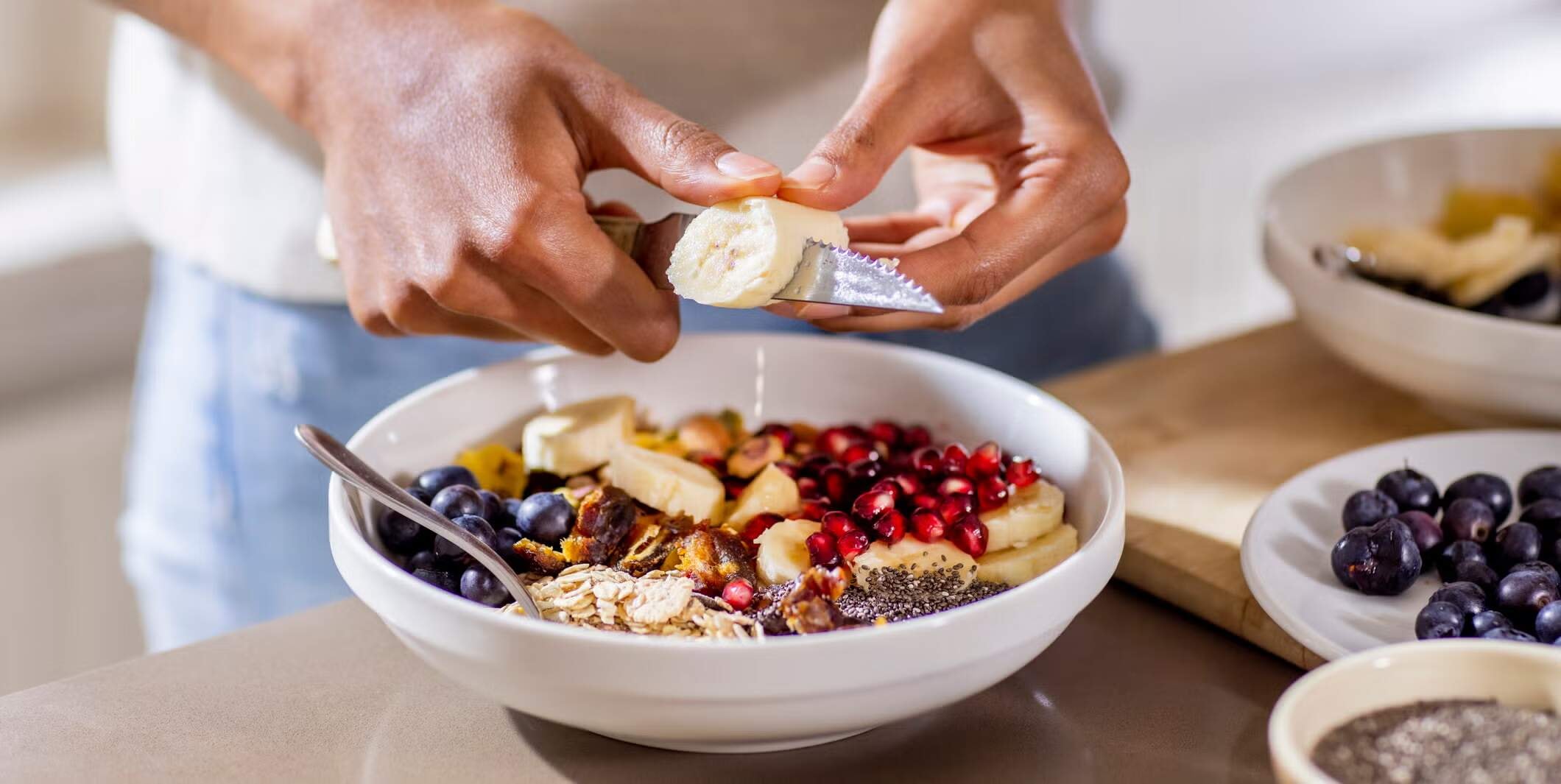
As weight changes, the breakfast diet plan must evolve to support sustainable weight loss. Adjustments within a weight loss diet and Indian diet plan depend on physical activity, daily energy needs, and long term goals.
Aligning breakfast with lunch, how the body responds, and how people eat daily prevents rebound weight gain and plateaus.
1. Gradually Increase Portion Sizes to Prevent Metabolic Slowdown
Portions that worked at the start can become too small later. When intake stays low for too long, hunger rises and consistency weakens.
What to change
-
Increase one component at a time, usually protein or whole grains
-
Add a small portion and observe energy and hunger for a week
-
Keep lunch unchanged so the impact is clear
2. Shift From Aggressive Fat Loss to Sustainable Maintenance Calories
As progress builds, the goal shifts from pushing hard to holding steady. Maintenance calories support adherence and reduce rebound.
How to transition
-
Add calories earlier in the day, starting with breakfast
-
Keep added sugars minimal to protect appetite control
-
Use calorie count as guidance, not daily pressure
3. Increase Protein Intake to Protect Lean Muscle Mass
With continued weight loss, muscle protection becomes critical. Protein supports strength, recovery, and stable body composition.
Where to add
-
Increase protein at breakfast before adjusting other meals
-
Use protein rich foods that fit your Indian diet plan
-
Add protein powder only if whole foods fall short
Example
If workouts feel harder or recovery slows, increasing breakfast protein often restores performance without slowing fat loss.
4. Reintroduce Complex Carbohydrates Without Triggering Fat Gain
Complex carbohydrates support energy, training quality, and mood. The effect depends on timing and quantity.
How to reintroduce
-
Add carbs on active mornings first
-
Choose whole wheat, brown rice, or oats over refined options
-
Keep portions measured to maintain stability
5. Adjust Breakfast Composition Based on Energy and Workout Intensity
Breakfast should reflect what the day demands. Training intensity changes fuel needs.
How to match intake
-
Keep protein steady across all days
-
Increase carbohydrates on workout mornings
-
Emphasize vegetables and healthy fats on lighter days
6. Reduce Over-Reliance on Very Low-Calorie Breakfasts
Very low-calorie breakfasts can stall progress by increasing cravings later.
How to rebalance
-
Build breakfast around protein and fiber first
-
Include heart healthy fats in small, controlled amounts
-
Aim for satisfaction, not minimal calories
7. Monitor Belly Fat and Measurements Instead of Chasing Scale Weight
Daily scale changes rarely reflect real progress. Measurements show clearer trends.
What to track
-
Waist and belly fat every two weeks
-
Clothing fit and energy levels
-
Patterns over time, not single numbers
8. Rotate Breakfast Ideas to Avoid Adaptation and Plateaus
Repeating the same breakfast limits nutrient variety and flexibility.
How to rotate
-
Alternate between two or three structured options
-
Keep protein, fiber, and portion size consistent
-
Coordinate choices with lunch to maintain balance
When breakfast adjusts with the body instead of resisting change, progress becomes easier to sustain. The final step is answering the practical questions that come up once this structure is in place.
FAQs
1. Can Greek Yogurt Be Consumed Daily for Breakfast During Weight Loss?
Yes. Greek yogurt can be eaten daily if portions are controlled and it is unsweetened. Its high protein content supports satiety and helps manage calorie intake, making it suitable for regular inclusion during weight loss.
2. Are Chia Seeds Better Eaten in the Morning or Later in the Day for Fat Loss?
Chia seeds work best in the morning when paired with breakfast. Early intake improves fullness, stabilizes appetite, and reduces overeating later. Timing matters less than consistency, but morning use supports better daily control.
3. How Does an Indian Diet Plan Differ From Western Breakfast Approaches for Weight Loss?
An Indian diet plan relies more on cooked foods, grains, legumes, and mixed meals, while Western breakfasts often emphasize cold foods and isolated proteins. Indian breakfasts require portion control and balance rather than elimination to support weight loss.
4. Is It Necessary to Eat Breakfast at the Same Time Every Day While Dieting?
Exact timing is not mandatory, but consistency helps regulate hunger and energy. Eating breakfast within a similar time window daily supports appetite control and improves adherence to a structured diet.
5. Can Morning Hunger Levels Change Even When Weight Loss Is on Track?
Yes. Hunger can increase as weight drops due to hormonal and metabolic adjustments. This does not mean progress has stopped. It signals the need to reassess breakfast portions, protein, or fiber rather than restrict further.
Conclusion
Natural fat reduction does not come from chasing perfect meals. It comes from choosing breakfasts that the body can rely on day after day. Start by applying one change at a time, improve structure before variety, and let consistency do the heavy lifting.
When breakfast works with your routine instead of against it, progress becomes steady, predictable, and easier to sustain over time.
This approach reflects how MyBalanceBite thinks about food, not as rules, but as daily decisions that stay workable over time.




Leave a comment
Translation missing: en.blogs.comments.discription