

Most people think eating more fruit automatically means losing more weight. It sounds clean, natural, and effortless, but that’s only half the story.
Nutritionists say fruits are packed with fiber, vitamins, and water, but relying on them alone can leave your body short on balance and energy. The trick isn’t eating more fruit, it’s eating it smarter.
That’s where things get interesting, because how you combine fruits with other foods decides whether you actually lose weight or just lose steam. Understanding how fruits work with other foods is what separates real results from short-term fixes.
Can a Fruit Diet Help You Lose Weight Without Feeling Dizzy?
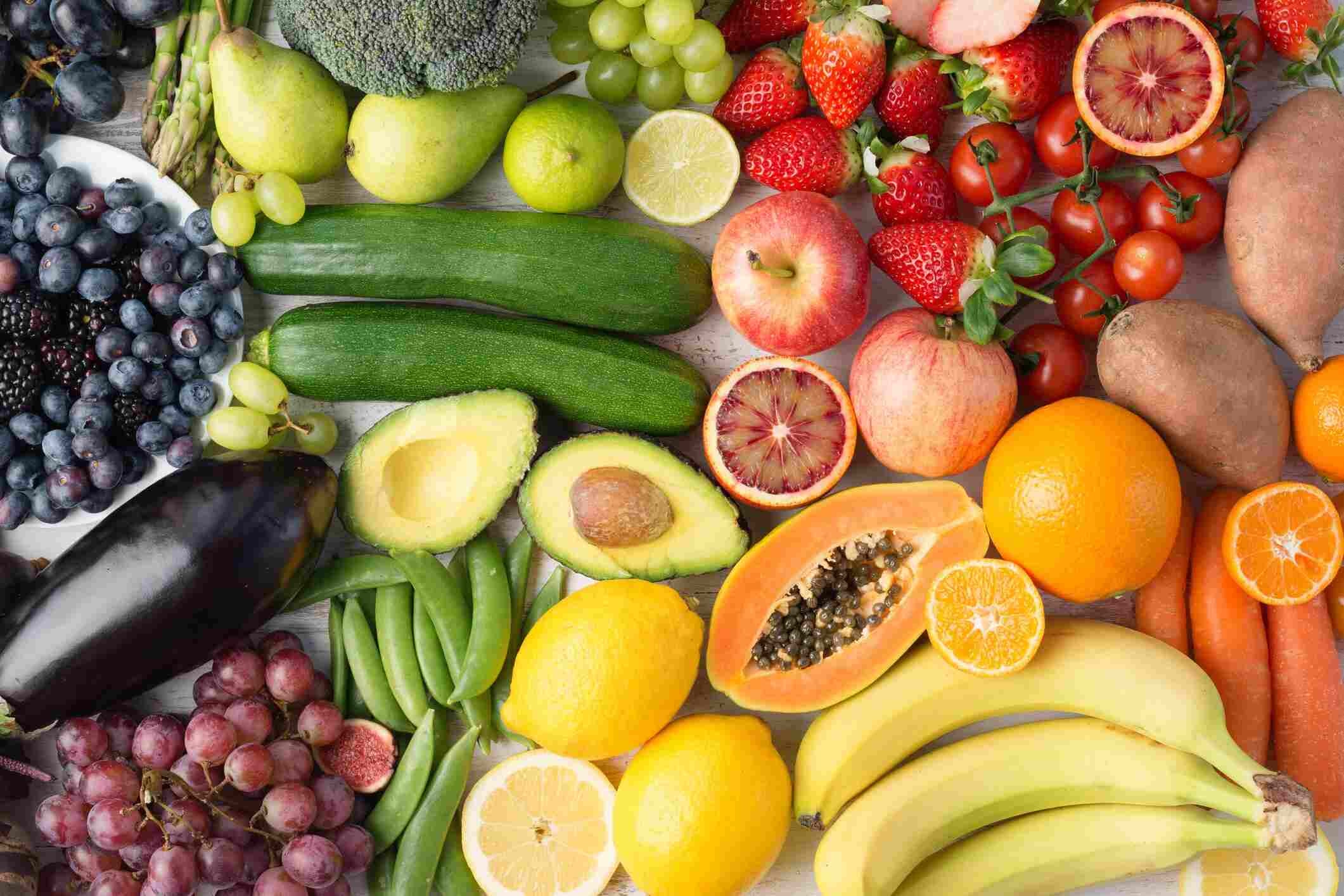
A fruit diet can support weight loss because it’s low in calories and naturally low in fat. Still, a registered dietitian warns that missing essential nutrients can cause nutrient deficiencies or worsen insulin resistance.
Your starting weight and overall well being vary depending on your diet balance, not just fruit intake.
The first thing nutrition experts look at isn’t how much fruit you eat but how balanced the rest of your meals are. When fruit replaces complete meals, blood sugar levels swing, and energy dips begin.
Here’s what creates stability and safe progress:
-
Pair fruits with protein: Yogurt, eggs, or lentils slow sugar absorption and prevent lightheadedness.
-
Add complex carbs: Small servings of oats or brown rice stabilize glucose and provide sustained energy.
-
Choose fruits rich in fiber: Apples, pears, and berries keep you full and steady between meals.
-
Include healthy fats: Nuts, chia seeds, or avocado help your body absorb essential nutrients efficiently.
-
Hydrate evenly throughout the day: Fluids keep digestion smooth and minimize fatigue.
These combinations support steady energy while keeping the diet low in calories and rich in nutrients.
When the body adjusts gradually, it adapts better to calorie control without dizziness or nutrient loss. The next step is understanding how this balance changes for non vegetarians and what adjustments they need to make for similar results.
What Non Vegetarians Should Know Before Starting a Fruit Diet

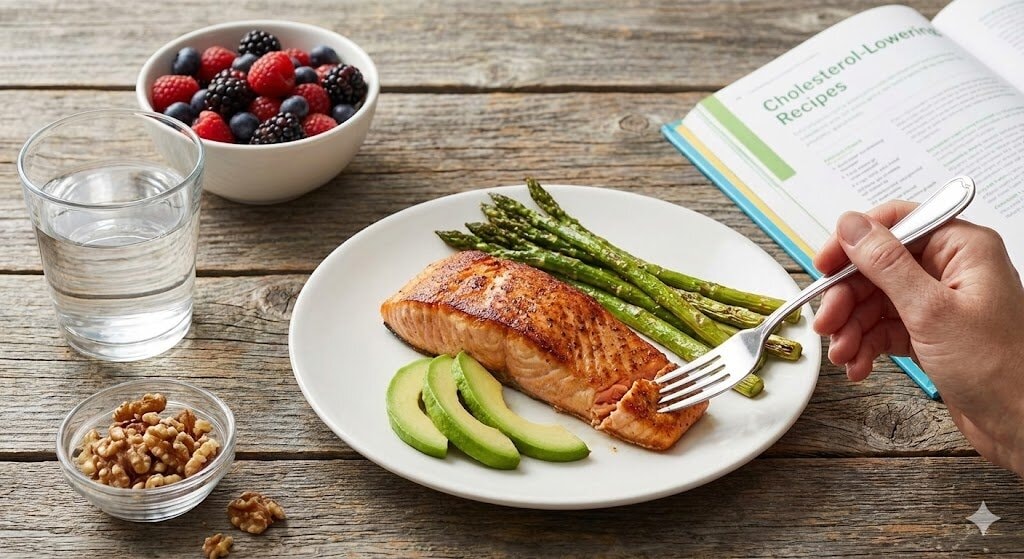
For non vegetarians, combining animal products with whole grains, olive oil, and green peas ensures balanced nutrition. These additions provide essential nutrients that support heart health and energy.
A registered dietitian would recommend blending fruits with these foods for overall well being and long-term success.
Here’s how non vegetarians can build a balanced plan that fits everyone’s body:
-
Combine fruits with lean meats or eggs to meet protein requirements and maintain steady energy levels.
-
Use olive oil and whole grains to provide healthy fats and fiber that support overall health and improve digestion.
-
Add green peas and legumes for extra plant-based protein and essential minerals.
-
Focus on low calories fruits like berries, oranges, and papaya to manage weight without fatigue.
-
Meet your nutritional needs by including dairy or fortified alternatives that add calcium and vitamin D.
-
Use variety to prevent chronic diseases, since a wide range of nutrients reduces inflammation and supports the heart.
Each combination ensures the body receives complete nourishment while keeping meals light and satisfying.
“Fruits and vegetables are going to be some of the most nutrient-dense foods that we have in our diet.” — Annie Cavalier, RDN
A well-planned fruit diet for non vegetarians improves overall health while respecting how everyone’s body responds differently. The next step is to see how this variety fits into a full weight loss plan designed for steady progress.
A Complete Fruit Diet Plan to Help You Lose Weight the Healthy Way
A sustainable weight loss plan blends whole grains, olive oil, and green tea with fruits to boost metabolism and maintain weight. Include healthy snacks and food items that build muscle mass and reduce body fat.
A registered dietitian can tailor your diet focuses and overall calorie intake to suit your healthy diet goals.
| Meal Time | Fruits to Include | Purpose / Benefits |
|---|---|---|
| Early Morning (7:00 AM) | Warm water with lemon, followed by one apple | Activates metabolism, hydrates, and supports detox |
| Breakfast (8:30 AM) | Bowl of mixed fruits – papaya, banana, and berries | Provides quick energy, fiber, and natural sugars |
| Mid-Morning Snack (10:30 AM) | Citrus fruits like oranges or grapefruit | Boosts vitamin C and supports fat metabolism |
| Lunch (1:00 PM) | Large fruit salad with watermelon, kiwi, and pomegranate | Keeps you full and replenishes antioxidants |
| Evening Snack (4:00 PM) | One banana or guava with coconut water | Maintains hydration and controls cravings |
| Dinner (7:00 PM) | Smoothie made with berries, apple, chia seeds, and low-fat milk or almond milk | Adds protein, fiber, and satiety for overnight repair |
| Before Bed (9:00 PM) | One small pear or citrus fruit | Light, hydrating, and helps digestion before rest |
Optional Add-ons for Nutrient Support
-
A spoon of chia seeds or flaxseeds once a day for omega-3s.
-
Green tea twice a day to boost metabolism.
-
Olive oil drizzle on fruit salads for healthy fats.
-
Drink plenty of water throughout the day to prevent fatigue and aid digestion.
This complete fruit diet remains naturally low in calories, promotes hydration, and helps in eliminating processed foods. It can support gradual fat loss while improving overall well being when followed for short periods under professional guidance.
When followed correctly, this plan not only shapes weight balance but also enhances skin texture and gut performance and that’s exactly what the next section explores in depth
Ready to build a fruit diet that actually fits your body’s rhythm? Explore expert-designed meal plans and healthy recipes at My Balance Bite
How a Fruit Diet Can Improve Skin Health and Digestion
Good skin and digestion begin inside the gut. When the digestive system runs smoothly, nutrients circulate better, helping skin repair and hydration stay consistent.
Here’s how fruits play their part in visible health improvement:
-
Vitamin C from citrus fruits boosts collagen formation, improving skin elasticity and brightness.
-
Fiber-rich options like apples and pears support gut movement, helping improve digestion and nutrient absorption.
-
Antioxidants in berries and kiwi reduce inflammation, protecting skin from dullness and premature aging.
-
Water-dense fruits such as watermelon and oranges aid hydration and minimize bloating or water retention.
-
Potassium from bananas and papayas balances electrolytes, easing digestion and maintaining steady energy.
This combination of hydration, fiber, and antioxidants strengthens both your skin and gut from within, supporting long-term balance instead of quick fixes.
As the body adjusts to this internal rhythm, it not only feels lighter but also looks healthier. The next section explores what nutritionists recommend to make these corrections work for lasting weight loss results.
Good skin starts in the gut and Balance Bite knows it best. Discover fruit-forward recipes that nourish from the inside out on My Balance Bite
7 Secrets Nutritionists Want You to Know About the Fruit Diet for Weight Loss

According to a healthcare professional or registered dietitian, a fruitarian diet works best when balanced with essential nutrients. Fruits are naturally low in calories, which supports overall well being and vitamin C intake.
Understanding these points ensures balanced nutrition and long-term success.
1. Not All Fruits Help You Lose Weight the Same Way
Low calorie fruits with natural sugars and vitamin C deliver better results for fat loss and steady energy. Choose fruits that are rich in fiber and water for longer satiety and smoother digestion.
“Don’t be afraid of the sugar in fruit, welcome it. For some reason, people think that because fruits are sweet they’re off-limits.” — Rachel Lander-Canseco, RDN
Tropical fruits like mangoes and grapes are higher in sugar, while berries and apples are naturally lower in calories, so mixing both helps balance sweetness and nutrition.
2. Eating Fruits Alone Won’t Guarantee Fewer Calories Overall
Managing overall calorie intake matters more than eating fruits alone. Balanced nutrition that includes vegetables, seeds, and grains keeps metabolism active and prevents nutrient loss.
-
Pair fruits with nuts or yogurt for protein
-
Include whole grains for steady energy
-
Rotate fruits to prevent sugar overload
3. Whole Fruits Are Always Better Than Fruit Juices
Whole fruits provide natural sugars and vitamin C with fiber, which maintain fullness and stabilize blood sugar. Juices strip away fiber and can easily lead to excess calorie intake.
Bursting with vitamins, minerals, antioxidants and fiber, ‘fruits are nature’s ultimate package deal.’” — Cassie Black, M.S., RDN
4. A Balanced Diet Plan Works Better Than a Fruit-Only Approach
Adding essential nutrients and working with a registered dietitian ensures your plan is sustainable. Combining fruits with small portions of healthy fats and proteins supports recovery and long-term weight control.
A simple plan that includes fruits at breakfast, vegetables at lunch, and whole grains at dinner keeps energy levels steady throughout the day.
5. Portion Size and Timing Matter More Than You Think
Eating fruits throughout the day helps manage hunger and maintain weight effectively. Portion awareness prevents excess sugar spikes and keeps energy stable.
Morning fruits like papaya or oranges aid digestion, while lighter options such as apples or kiwi are better for evening snacks.
6. A Fruit Diet Can Improve Skin Health When Done Right
Vitamin C and citrus fruits enhance skin elasticity and repair by improving collagen production. A consistent fruit intake supports overall well being and visible glow.
7. Long-Term Results Come from Healthy Eating, Not Quick Fixes
Exercise regularly, maintain weight, and boost metabolism with consistent effort. Progress from a fruit diet shows best when paired with movement and hydration, as small daily habits sustain weight loss better than strict short-term plans.
These insights help you approach fruit-based eating with clarity and control. he next section explores the common mistakes that disrupt this balance and how to avoid them for consistent results.
Common Mistakes People Make on a Fruit Diet (and How to Avoid Them)

Many people follow a fruitarian diet or eat only fruits, ignoring added sugar and refined carbohydrates. Eliminating processed foods too quickly can lead to weight gain or nutrient deficiencies. A registered dietitian suggests moderation and mindful swaps for a healthy balance.
Even the best fruit-based plans can go wrong when balance is ignored. Understanding where most people slip makes it easier to create a fruit diet that actually works.
1. Relying Only on Fruits and Ignoring Other Nutrients
Only fruits can’t meet your body’s need for balanced nutrition. This mistake often leads to nutrient deficiencies and reduced energy. A registered dietitian stresses combining fruits with protein and whole foods to ensure full nourishment, especially when your diet includes limited food groups.
How to avoid it:
-
Add nuts, seeds, yogurt, or eggs alongside fruits.
-
Include a mix of fruits and whole grains for lasting fullness.
-
Focus on meals that combine fruit with a source of protein or healthy fat.
2. Forgetting That Eating Fruits Doesn’t Automatically Mean Balance
Eating fruits can help you consume fewer calories, but missing essential nutrients may harm progress. A diet that includes various fruits and vegetables offers a more sustainable path to long-term health. A registered dietitian emphasizes variety and moderation to ensure lasting results.
How to avoid it:
-
Plan meals where fruits complement other food groups.
-
Mix colorful fruits and vegetables to cover multiple nutrients.
-
Don’t rely on one or two fruits — rotate choices through the week.
3. Drinking Excess Fruit Juices Instead of Whole Options
Fruit juices often have added sugar and lack fiber. Choose whole fruits rich in vitamin C and natural sugars for better fullness and fewer calories overall. A low calorie diet that prioritizes whole fruit portions keeps digestion and satiety in check.
How to avoid it:
-
Limit fruit juice to one small serving a day.
-
Blend whole fruits instead of juicing them to retain fiber.
-
When craving juice, mix it with water or coconut water to dilute sugar.
4. Overeating Sweet Fruits and Missing the Goal of Fewer Calories
Even low calorie fruits can add up fast when over-consumed. Fruitarian diet enthusiasts often forget total calorie load and overall calorie intake. Moderation ensures your low calorie diet actually delivers results without energy dips or nutrient gaps.
How to avoid it:
-
Limit high-sugar fruits like mangoes and bananas to one serving a day.
-
Balance sweet fruits with low calorie options like berries or papaya.
-
Keep daily fruit portions within 2–3 cups, depending on activity level.
5. Skipping Proper Meals and Losing Out on Key Nutrients
Replacing meals with fruit can cause weight gain and reduce muscle mass. Balanced meals ensure energy, nutrient absorption, and better overall results. When the diet includes both fruits and complementary foods, the body stays fueled and strong.
How to avoid it:
-
Use fruits as meal components, not full replacements.
-
Pair fruits with fiber-rich or protein-based foods like oats or chia seeds.
-
Add small servings of brown rice or quinoa to support energy balance.
6. Ignoring Portion Control and Hydration
Without portion control, dehydration, reducing bloating, or water retention issues may occur. Remember to drink plenty and keep a balance between fruits and fluids. A diet that includes water-dense fruits supports a cleaner digestive rhythm.
How to avoid it:
-
Measure one serving as one medium fruit or one cup of chopped fruit.
-
Drink at least eight glasses of water daily.
-
Choose hydrating fruits like watermelon, cucumber, or oranges.
Making these small but strategic adjustments turns a fruit diet into a sustainable plan that fits your body’s real needs. The next section explores what nutritionists recommend to help you apply these corrections for lasting, healthy results.
These adjustments turn a restrictive plan into a low calorie diet that nourishes without exhausting the body. The next section explains how to turn these lessons into daily habits that make a fruit diet truly sustainable.
Avoid these common fruit diet slip-ups before they slow your progress. Get personalized, science-backed guidance from nutrition experts at My Balance Bite.
Healthy Eating Habits That Make a Fruit Diet Sustainable Long-Term
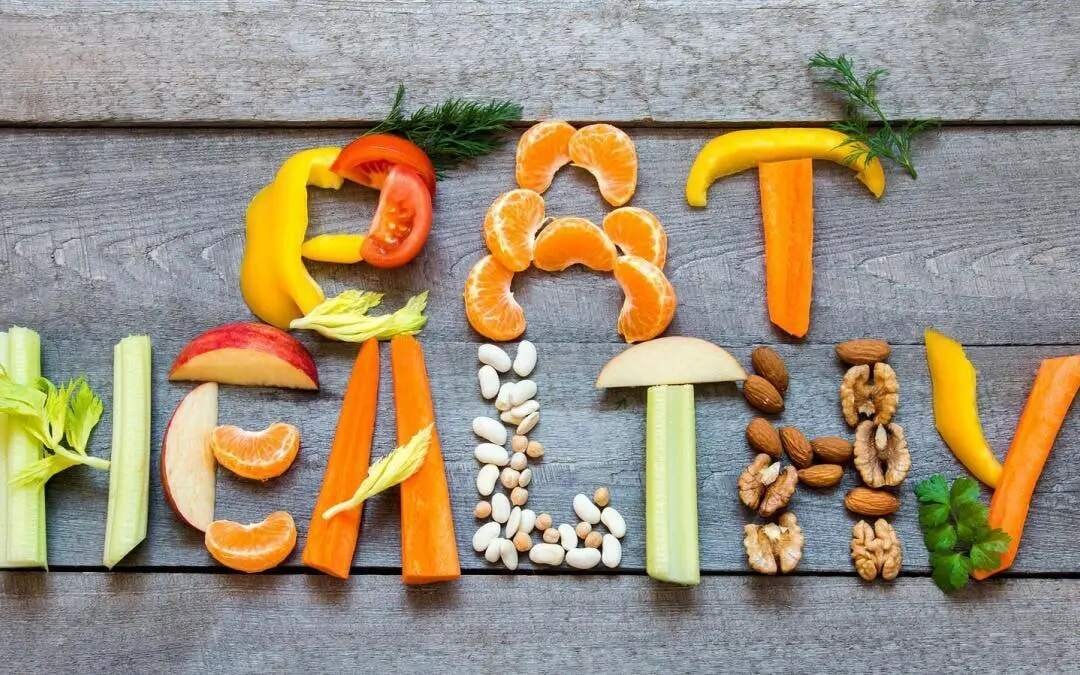
A healthy diet that focuses on olive oil, whole grains, and green tea supports long-term energy. Boost metabolism naturally, enjoy chia seeds, and avoid foods that derail progress. Following a balanced fruitarian diet ensures overall well being and lasting success.
True sustainability comes from habits you can live with, not restrictions that fade fast. These eating patterns make a fruit-based plan practical, satisfying, and long-lasting.
1. Eat Whole Fruits Instead of Relying on Fruit Juices
Whole fruits contain vitamin C and natural sugars that satisfy hunger while keeping calories low and energy high. Fiber from fruit skins and pulp supports digestion and stabilizes blood sugar throughout the day.
How to follow it:
-
Choose apples, pears, or oranges instead of juice.
-
Eat fruit with skin where possible to maximize fiber.
-
Keep juice as an occasional treat, not a daily habit.
2. Pair Fruits and Vegetables for Complete Nutrition
Combining fruits with vegetables ensures essential nutrients and balanced nutrition for steady progress. This pairing supports better digestion, stable energy, and stronger immunity.
How to follow it:
-
Mix leafy greens with berries in smoothies.
-
Add sliced fruit to salads for sweetness and texture.
-
Alternate between fruit-based and vegetable-based snacks.
3. Add Brown Rice or Lean Protein for Sustained Energy
Whole grains, green peas, and olive oil provide fiber and energy, complementing your fruit intake perfectly. Including these in your diet maintains blood sugar balance and muscle strength.
How to follow it:
-
Combine brown rice or quinoa with fruit salads for depth and texture.
-
Add green peas or tofu for a protein boost.
-
Drizzle olive oil over bowls to enhance nutrient absorption.
4. Track Portions to Keep Calories in Check
Low in calories meals help maintain weight and prevent overeating while supporting steady fat burn. Tracking portions keeps your low calorie diet structured and effective.
How to follow it:
-
Use smaller bowls or plates to naturally limit portions.
-
Stick to 2–3 fruit servings daily, adjusting based on activity level.
-
Keep a food journal to monitor your overall calorie intake.
5. Stay Consistent Not Extreme
Exercise regularly and maintain overall well being for realistic, lasting weight loss rather than crash diets. Consistency in habits builds metabolic strength and long-term balance.
How to follow it:
-
Aim for 30 minutes of movement daily, from walks to light workouts.
-
Keep meals simple and repeatable to reduce diet fatigue.
-
Focus on progress, not perfection, steady beats sporadic.
Consistency, balance, and moderation turn a fruit diet from a quick fix into a lifestyle.
FAQ's
1. Can a Fruit Diet Help You Lose Weight Faster Than Other Diet Plans?
A fruit diet can help you lose weight because eating fruits adds fiber and hydration while naturally leading to fewer calories compared to processed or high fat foods.
2. How Many Fruits Should You Eat Daily for Healthy Weight Loss?
Most experts recommend eating fruits two to three times a day. Whole fruits are best because they keep you full longer and help maintain a steady calorie intake.
3. Are Dried Fruits Good or Bad for a Weight Loss Fruit Diet?
Dried fruits can be part of a fruit diet but they are calorie dense and easy to overeat. Stick to small portions if your goal is fewer calories and steady weight loss.
4. Can a Fruit Diet Improve Your Energy Levels During Workouts?
Yes eating fruits like bananas apples and oranges be
fore workouts gives your body quick energy and essential vitamins without the crash that comes from sugary snacks.
5. Is It Safe to Follow a Fruit Diet Long Term Without Missing Nutrients?
It is safe if balanced properly. Combine eating fruits with vegetables brown rice and lean proteins to avoid deficiencies while still enjoying fewer calories overall.
Conclusion
A fruit diet isn’t about restriction, it’s about recalibration. It teaches your body to crave freshness, not excess, and reminds you that simple foods often do the most for long-term health.
What matters most is the relationship you build with food, patient, mindful, and balanced. That’s the real transformation nutritionists want you to see, long after the scales stop moving.
Balance isn’t about restriction, it’s about rhythm. Learn how to sustain your healthy eating journey with real-world advice from My Balance Bite




Leave a comment
Translation missing: en.blogs.comments.discription