

Sick of fad diets that never last? Discover how a realistic liquid diet for weight loss can help you shed kilos safely, stay full, and avoid burnout—all without starving.
Tried every diet in the book, but nothing sticks? You’re not alone — most quick fixes feel great for a week and then crash hard. The truth is, most diets fail not because you’re lazy, but because they’re just not built to work long-term.
That’s where a well-planned liquid diet for weight loss comes in. When done right, it can give your body a break, help you drop weight, and reset your eating habits — without starving yourself or cutting every food group.
In this article, we’ll break down what a liquid diet really is, the difference between clear and full liquid diets, how to follow one safely, and a 7-day plan you can actually stick to. If you’re serious about losing weight without falling for another fad, this guide will give you the clarity and structure you need to make it happen.
What is a Liquid Diet and When people Should Follow It?
A liquid diet is a way of eating where most or all of your meals are in liquid form — like soups, broths, smoothies, or protein shakes. It can be a short-term plan used for medical reasons or for quick, controlled weight loss.
People often follow it before surgery, during digestion issues, or to kickstart fat loss safely.
Clear Liquid Diet vs Full Liquid Diet: What's the Difference
A lot of people confuse clear liquid diets with full liquid diets — but they’re not the same. Each serves a different purpose and allows different foods.
| Aspect | Clear Liquid Diet | Full Liquid Diet |
|---|---|---|
| Purpose | Used before medical tests or surgery | Used when you can’t eat solid food but need more nutrients |
| Allowed Foods | Broths, clear juices, plain tea, gelatin | Milk, creamy soups, smoothies, yogurt, protein shakes |
| Texture | Transparent, watery | Thicker, may include blended or strained foods |
| Calories & Nutrients | Very low | Higher, can include fats, proteins, and carbs |
| Duration | 1–2 days max (short-term) | Can be followed longer with medical advice |
Knowing the difference helps you choose the right one for your needs — whether it’s for recovery or safe, short-term weight loss. Always go for the one that fits your body and your goal.
Still unsure which plan fits your goals? Balance Bite’s quick guide helps you pick the right liquid diet for your body
How Long Should You Stay on a Liquid Diet?
A liquid diet is not meant to last long. For most people, it’s safe to follow for 3 to 7 days under medical supervision. Going beyond that without help can lead to loss of essential nutrients and low energy levels.
If you are using a liquid diet for weight loss, make sure it includes enough calories and protein shakes to avoid muscle loss. Short-term results are possible, but long-term use without a plan can harm your digestive system and slow down your metabolism.
-
Very low calorie diets are risky when used for more than a week
-
A registered dietitian can guide you on how to meet your daily calories
-
Always check if your body weight, health issues, or chronic conditions allow it
Some people are put on clear liquids before a medical test or after surgical procedures. In those cases, the diet lasts only 1–2 days and may include apple juice, clear broths, ice pops, or sports drinks at room temperature.
Once the liquid phase ends, shift slowly to your normal diet. Reintroduce soft foods and adjust your eating habits to keep the lost weight off. The goal is not just to lose fast, but to avoid gaining it back later.
Your 7-Day Liquid Diet Plan: Safe, Balanced, and Fat-Burning
This plan gives you three simple daily options — veg, non-veg, and vegan — to suit your lifestyle. All meals focus on staying light, nourishing, and fat-burning.
Day 1
-
Veg: Breakfast – Vegetable broth | Lunch – Moong dal soup | Dinner – Tomato rasam + buttermilk
-
Non-Veg: Breakfast – Chicken bone broth | Lunch – Egg drop soup | Dinner – Fish broth with herbs
-
Vegan: Breakfast – Almond milk smoothie | Lunch – Pumpkin soup | Dinner – Coconut milk and spinach soup
Day 2
-
Veg: Breakfast – Clear lemon water + veggie broth | Lunch – Lauki soup | Dinner – Carrot-ginger soup
-
Non-Veg: Breakfast – Chicken broth with garlic | Lunch – Creamy egg white soup | Dinner – Fish and leek soup
-
Vegan: Breakfast – Chia smoothie with oat milk | Lunch – Blended lentil soup | Dinner – Cashew cream mushroom soup
Day 3
-
Veg: Breakfast – Apple juice + dal soup | Lunch – Corn and spinach soup | Dinner – Bottle gourd soup
-
Non-Veg: Breakfast – Bone broth + boiled egg blended | Lunch – Chicken and rice soup | Dinner – Egg curry soup
-
Vegan: Breakfast – Soy milk + banana smoothie | Lunch – Zucchini and tofu soup | Dinner – Sweet potato ginger soup
Day 4
-
Veg: Breakfast – Cucumber and mint juice | Lunch – Mixed veg soup | Dinner – Oats buttermilk soup
-
Non-Veg: Breakfast – Fish broth | Lunch – Chicken tomato soup | Dinner – Egg and vegetable broth
-
Vegan: Breakfast – Oat milk + dates smoothie | Lunch – Creamy beet soup | Dinner – Chickpea and spinach puree
Day 5
-
Veg: Breakfast – Papaya juice + dal broth | Lunch – Peas and carrot soup | Dinner – Light potato soup
-
Non-Veg: Breakfast – Chicken broth | Lunch – Spiced mutton soup | Dinner – Fish stew (blended)
-
Vegan: Breakfast – Fruit smoothie (no sugar) | Lunch – Moong dal blended soup | Dinner – Pumpkin and almond soup
Day 6
-
Veg: Breakfast – Mixed fruit juice | Lunch – Bottle gourd soup | Dinner – Lentil and spinach puree
-
Non-Veg: Breakfast – Bone broth | Lunch – Chicken cream soup | Dinner – Boiled egg + vegetable blend
-
Vegan: Breakfast – Coconut water + banana shake | Lunch – Roasted tomato soup | Dinner – Broccoli and cashew soup
Day 7
-
Veg: Breakfast – Light buttermilk | Lunch – Tomato soup | Dinner – Mixed veg oats soup
-
Non-Veg: Breakfast – Chicken broth | Lunch – Egg and carrot soup | Dinner – Fish and herb soup
-
Vegan: Breakfast – Rice milk smoothie | Lunch – Tofu and corn soup | Dinner – Blended peas and coconut soup
Want this plan in your inbox? Get Balance Bite’s printable 7-day liquid diet plan — easy to follow, easy to stick to.
5 Steps to Safely Follow a Liquid Diet to Lose Weight
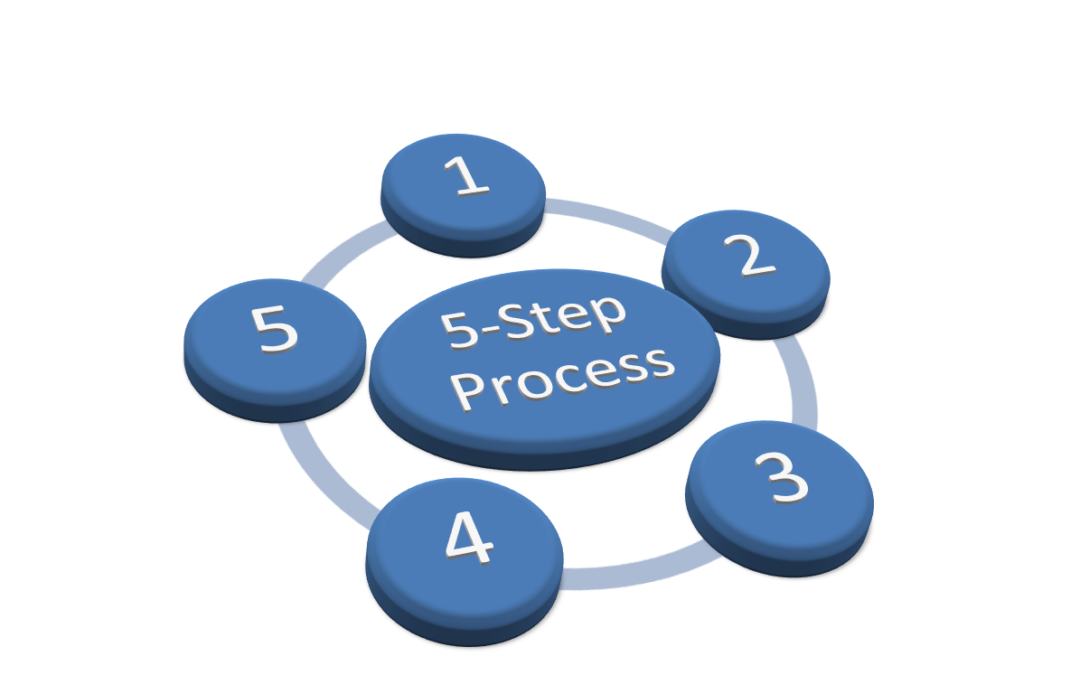
Following a liquid diet for weight loss can help you drop weight fast, but doing it the wrong way can harm your body. These five steps will help you lose weight while still protecting your health and nutrition.
1. Talk to a Healthcare Professional First
Before you start any liquid plan, speak to a doctor or registered dietitian. Everyone’s body is different, and what works for one person might cause problems for someone with diabetes, chronic conditions, or those preparing for a medical test or surgical procedures.
-
Nursing women, people with liver disease, or those with digestive problems should be extra careful.
-
A doctor can help you plan for enough calories, essential nutrients, and vitamins and minerals.
2. Choose the Right Type: Clear or Full Liquid Diet
There are two types: the clear liquid diet and the full liquid diet. Each serves a different goal.
-
Clear liquids like apple juice, clear broths, sports drinks, or ice pops are often used short-term before surgery.
-
Full liquids allow more variety like milk, soups, meal replacement drinks, and even nonfat dry milk, baby food, and frozen yogurt.
Knowing which one you need is key to staying safe and meeting your goals.
3. Add Protein Shakes to Avoid Muscle Loss
When on a very low calorie diet, it’s easy to lose muscle along with fat. That’s why protein shakes are important.
-
They give you protein, help maintain body weight, and protect your muscles.
-
You can also add calories by blending in nuts, honey, or nutrient-rich fruits.
-
Without enough nutrients, your energy will drop and your body can feel weak.
4. Limit the Diet to 3–7 Days
A low calorie diet like this should not be followed for too long unless under medical supervision. Most people should stop after 7 days.
-
Long-term use can lead to lack of fiber, certain vitamins, and poor eating habits.
-
You may face problems like slow digestion, low blood sugar, or diarrhea.
It’s meant for short term use only — pushing it beyond that puts your health at risk.
5. Return Slowly to Solid Foods
After a liquid diet, your digestive system needs time to adjust. Start with soft foods like mashed vegetables, blended rice, or light soup.
-
Avoid heavy or fried foods. Go for options served at room temperature like soft juices, pureed fruit, or light meals.
-
Your goal is to protect your digestive tract and ease into your normal diet without shock.
This slow transition also helps prevent gaining back the weight you just worked to lose.
Follow These 5 Steps to transition back to solid foods
After a liquid diet, your body needs time to readjust to regular meals. These steps will help you shift back to solid foods without upsetting your stomach or losing your progress.
1. Start with Soft, Easy-to-Digest Foods
Your digestive system has had a break. Give it a gentle restart with soft meals.
-
Begin with mashed vegetables, oats, moong dal, or rice gruel.
-
For some, baby food or plain jell o can also be useful.
-
These options are easy on the stomach and reduce the risk of bloating or discomfort.
Avoid consuming anything that takes too much effort to chew or digest in the first couple of days.
2. Introduce One Solid Meal Per Day
Don’t rush back to three full meals. Start slow and steady.
-
Add just one small solid meal per day, preferably lunch.
-
Keep the rest of the meals light, including soups or fluids.
-
This gradual shift helps your body adjust without overload.
People recovering from bariatric surgery also follow this method under medical advice.
3. Avoid Fried, Spicy, or Heavy Foods at First
Going straight into heavy meals can shock your system.
-
Skip fried items, ice cream, or high-fat desserts like cookie pieces in the first few days.
-
Avoid coffee, spicy curries, and anything that may upset the stomach.
-
Foods that are hard to digest can cause trouble swallowing or discomfort.
Focus on eating clean and light until your body feels ready.
4. Keep Hydrating and Eating Small Portions
Even when you return to solids, fluids still matter.
-
Sip warm water, coconut water, or herbal teas throughout the day.
-
Eat smaller portions more frequently instead of 2–3 big meals.
-
This helps maintain energy levels and prevents overeating.
Drinking enough fluids also supports digestion and avoids constipation.
5. Monitor Your Body’s Response and Adjust Gradually
Listen to how your body reacts to each meal.
-
If you feel bloated, overly full, or tired after eating, go back to lighter options.
-
Slowly add more variety to your meals, including foods with enough fiber.
-
Everyone adjusts at a different pace—there’s no need to rush.
When unsure, follow guidelines from sources like the national cancer institute or consult your doctor.
Balance Bite’s diet tracker lets you stay on top of your calories, protein, and progress — without obsessing over the scale.
Tools To Track Your Weight Loss Progress Without Obsessing Over the Scale
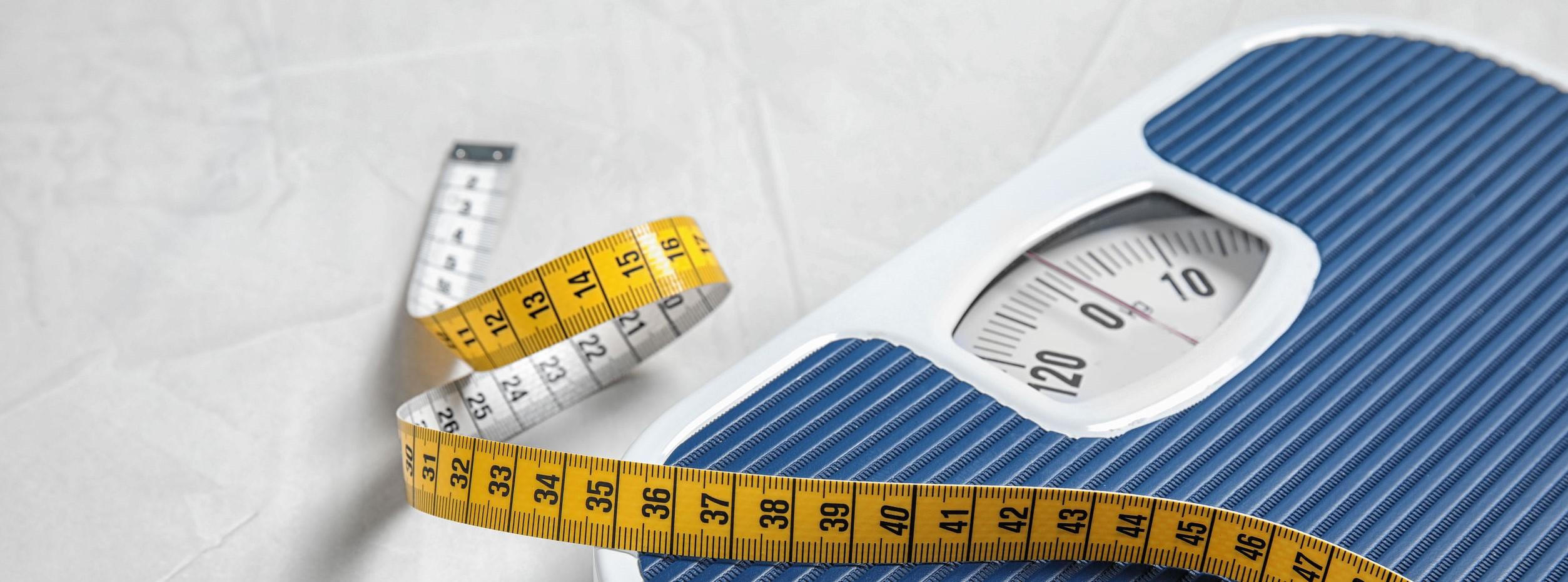
Weight loss isn’t just about watching the numbers drop on the scale. When you're consuming fewer calories — like during a liquid diet — other signs can show you're on the right track. These tools help you stay consistent without getting frustrated.
1. Progress Photos
Photos give you a real picture of your transformation over time. Small visual changes often happen before your weight shifts.
-
Use the same spot, lighting, and outfit each week
-
Take front, side, and back photos
-
Compare weekly or biweekly
Best for: Visual motivation and spotting fat loss that the scale may not reflect
2. Measurement Tracking
Measuring body parts helps you track inch loss — especially useful when the scale stalls.
-
Use a flexible measuring tape
-
Track waist, hips, arms, thighs, and chest
-
Measure once every 7–10 days
Best for: Spotting progress in body shape and fit, not just pounds
3. Food Journals or Apps
Logging your food intake increases awareness of what, when, and how much you eat — without obsessing.
-
Write down meals, drinks, and mood after eating
-
Note triggers like cravings or stress
-
Stay mindful of how your body reacts to certain foods
Best for: Building better eating habits and staying accountable
4. Energy & Mood Logs
Sometimes how you feel is more important than what the scale says. These logs help you notice positive changes in your body.
-
Track sleep quality, focus, and mood daily
-
Note energy dips or boosts after certain meals
-
Record changes in digestion or appetite
Best for: Understanding how food affects your energy, mood, and overall health
5. Habit Tracker
Healthy habits build long-term results. A habit tracker keeps you focused on the process, not just the outcome.
-
Check off goals like drinking more water, walking, or limiting sugar
-
Use a printable chart or mobile app
-
Track consistency over perfection
Best for: Staying on track with small wins that support weight loss
6. Clothing Fit Checks
Your jeans don’t lie. Clothes are a simple and honest way to track body changes.
-
Pick one outfit that was tight before
-
Try it on weekly — same time, same day
-
Notice how it fits in different areas
Best for: Real-life progress tracking without any numbers
Simple Rules That Make a Liquid Diet Work (and Stick Long-Term)
A liquid diet can help you lose weight fast, but only if you follow the right habits. These simple rules keep the plan effective and safe, without making you feel tired or hungry all the time.
Start with a clear plan. Know how many days you’ll be on the liquid diet and what types of drinks or soups you’ll include. Stick to balanced liquids that give you both nutrients and energy.
-
Choose a mix of clear liquids and full liquids
-
Include protein shakes or blended soups to avoid muscle loss
-
Avoid sugar-loaded drinks like soda or flavored milk
Keep your routine simple and steady. Plan your meals and stick to regular times to avoid binge eating later.
-
Drink something every 2–3 hours
-
Sip slowly instead of gulping down large portions
-
Stay consistent even on weekends
Listen to your body. A liquid diet is not meant to starve you. If you feel weak or dizzy, adjust your plan.
-
Add more calories through healthy sources like nut butter or oats
-
Stay hydrated with water, herbal teas, and coconut water
-
Make sure your liquids include enough vitamins, minerals, and fiber
Lastly, don’t forget the after-plan. A slow return to solid food helps you maintain the results.
-
Reintroduce soft foods gradually
-
Watch your portion sizes and eating habits
-
Keep some liquid meals even after the diet as part of your routine
Conclusion
Now that you’ve read this far, you’re clearly not looking for another quick fix—you want something that works and actually lasts. That already puts you ahead of most.
This is your reminder: don’t wait for the “perfect” moment. Start small. Stay honest with yourself. Build consistency over intensity. The results will follow.
You don’t need to be perfect—you just need to keep going.
Ready to try a smarter approach? Download Balance Bite’s liquid diet starter plan and skip the crash diets for good.




Leave a comment
Translation missing: en.blogs.comments.discription