

Skip the fad diets and still lose weight. Discover 10 metabolism-boosting foods that keep you full, energized, and burn calories naturally, all without restrictive eating.
Tired of diets that feel impossible to stick to? You’re not alone. The truth is, you can lose weight without dieting, by eating smarter, not lesser.
Some everyday foods naturally boost metabolism, keep you full, and help your body burn fat efficiently. They make healthy eating simple, satisfying, and sustainable.
In this guide, you’ll find 10 metabolism-boosting foods that support real results without restrictions so you can eat well, feel good, and make progress that lasts.
Ready to take your first step toward balance? Explore more practical nutrition tips and everyday food ideas on Balance Bite
Why Most Diets Fail to Assist in Weight Loss?
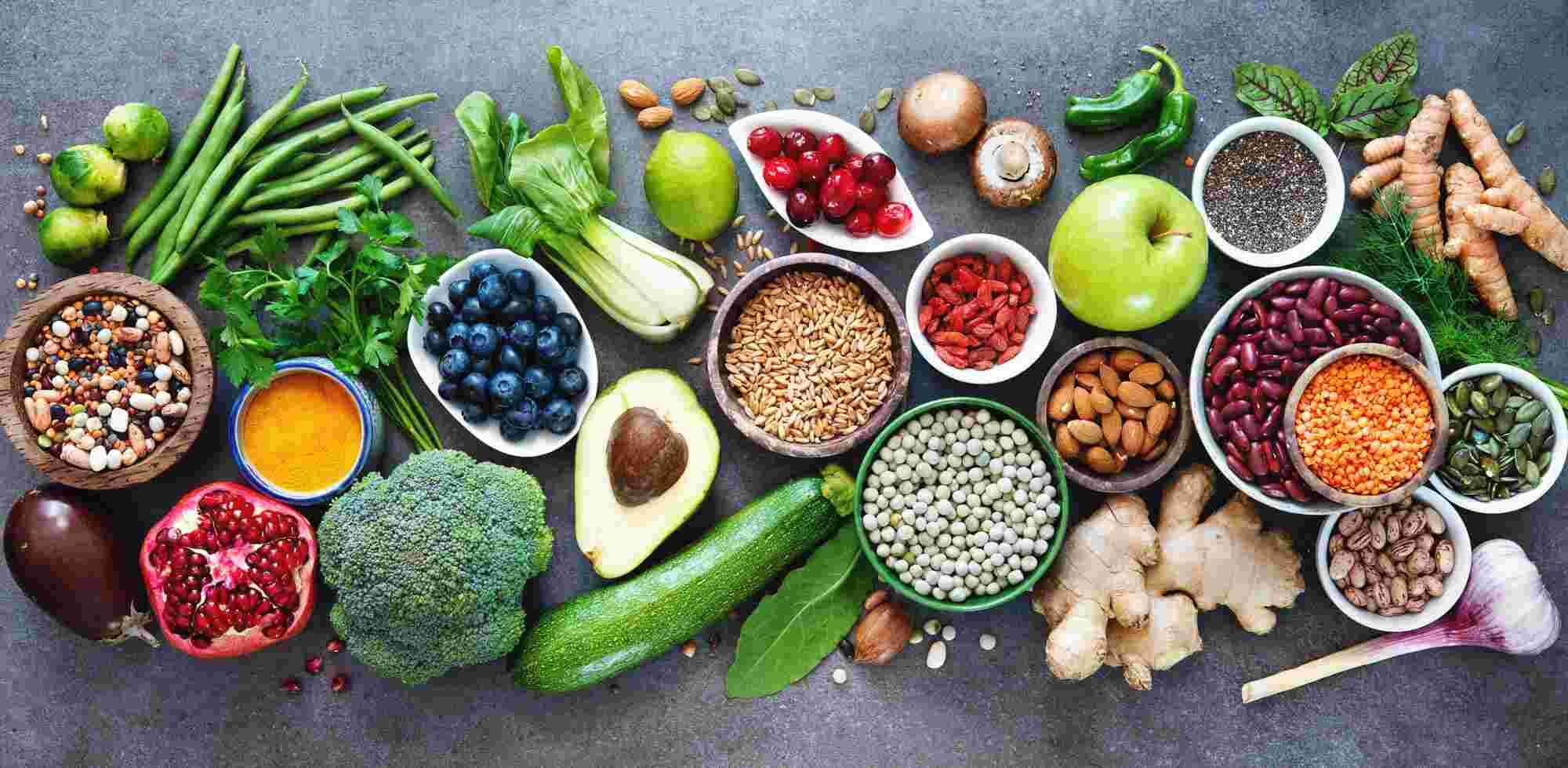
Many plans focus only on fewer calories, ignoring deeper causes behind weight gain. This section explores where diets slip and how they leave you worse off.
Many fad diets remove entire food groups or ignore what a healthy eating pattern should look like. This often leads to energy crashes, mood swings, and overeating later. A healthy diet built on variety, color, and moderation supports steady progress instead of short bursts of effort.
Here are some common reasons diets collapse:
• Ignoring portion sizes and eating habits.
• Removing healthy fats and other nutritious foods.
• Depending on high calorie foods after long gaps in eating.
• Neglecting regular physical activity that supports metabolism.
Another hidden issue is mindset. Without daily structure and healthy habits, most people slip back into old food choices. True change comes from consistency, not restriction.
The real solution is balance. Eating whole grains, lean protein, fruits, and vegetables in proper portions helps you lose weight without dieting and maintain a healthy weight naturally
10 Healthy Foods That Help You Lose Weight Naturally
You don’t need every trendy supplement just nutrient-rich staples. Here you’ll find power players like canned beans, grains, and veggies that quietly support fat loss.
1. Canned Beans
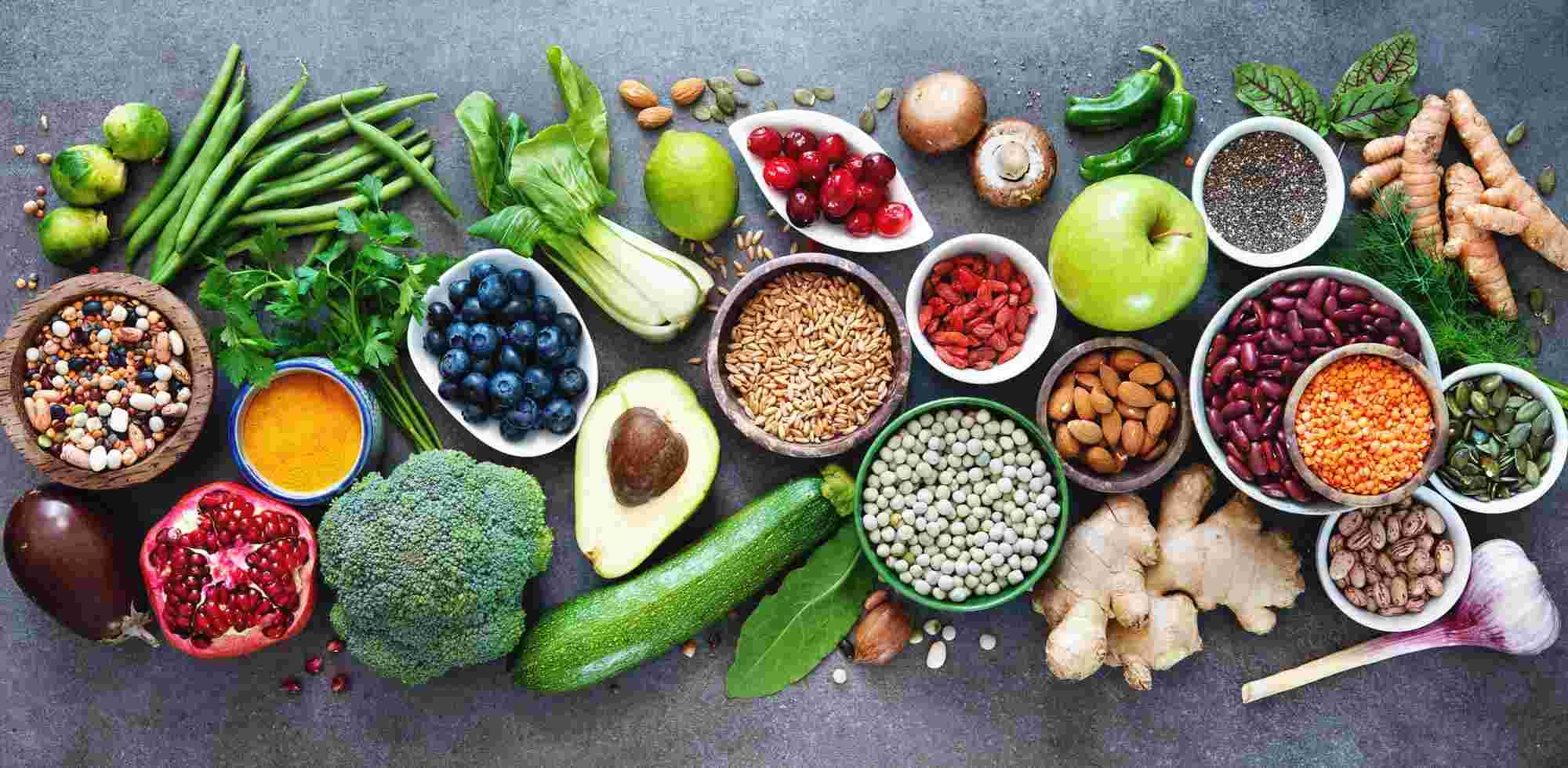
Packed with protein and fiber, canned beans keep you full longer and stabilize blood sugar. They’re a quick, budget-friendly way to help you lose weight without extra prep or stress.
Here’s how to make the most of canned beans in your meals:
• Add them to salads, soups, or wraps for easy protein.
• Choose low-sodium varieties to balance your diet and sodium intake.
• Pair with brown rice for a satisfying, high-fiber meal.
• Swap them for high calorie foods like creamy sauces or fried snacks.
Canned beans make healthy eating simple, keeping you energized while supporting steady weight loss through real, everyday meals.
2. Leafy Greens like Spinach and Kale
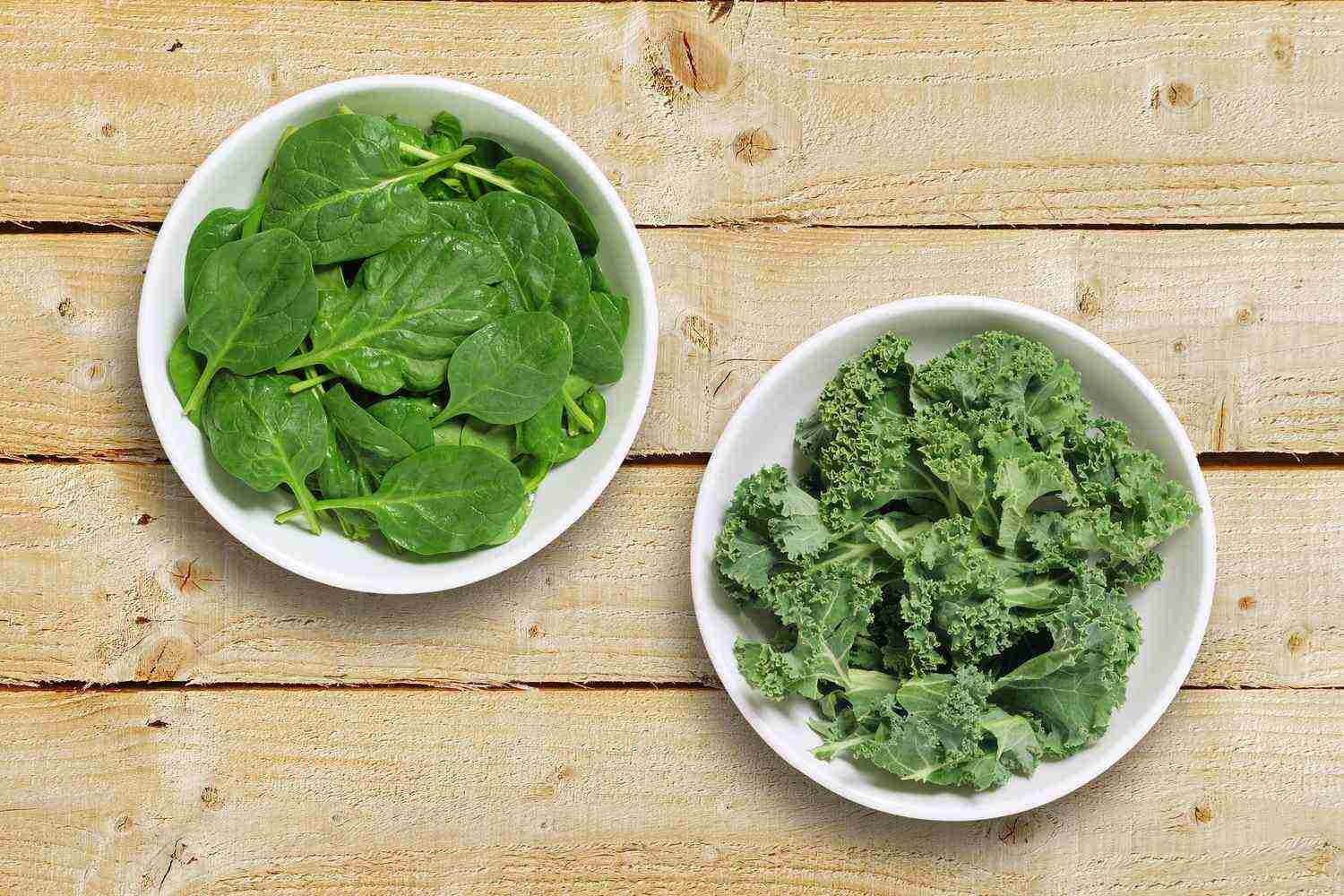
These greens are low in calories but rich in nutrients. They support a healthy diet by improving digestion, reducing cravings, and keeping your plate colorful.
Try adding leafy greens to your diet in simple, versatile ways:
• Add spinach to smoothies or dal for a nutrient boost.
• Sauté kale with olive oil and garlic for a quick side dish.
• Use greens as a base for healthy snacks like wraps or grain bowls.
• Rotate them weekly for variety and better nutrient absorption.
Leafy greens strengthen your body and digestion while reducing health risks linked to poor eating habits.
3. Whole Grains such as Oats and Quinoa
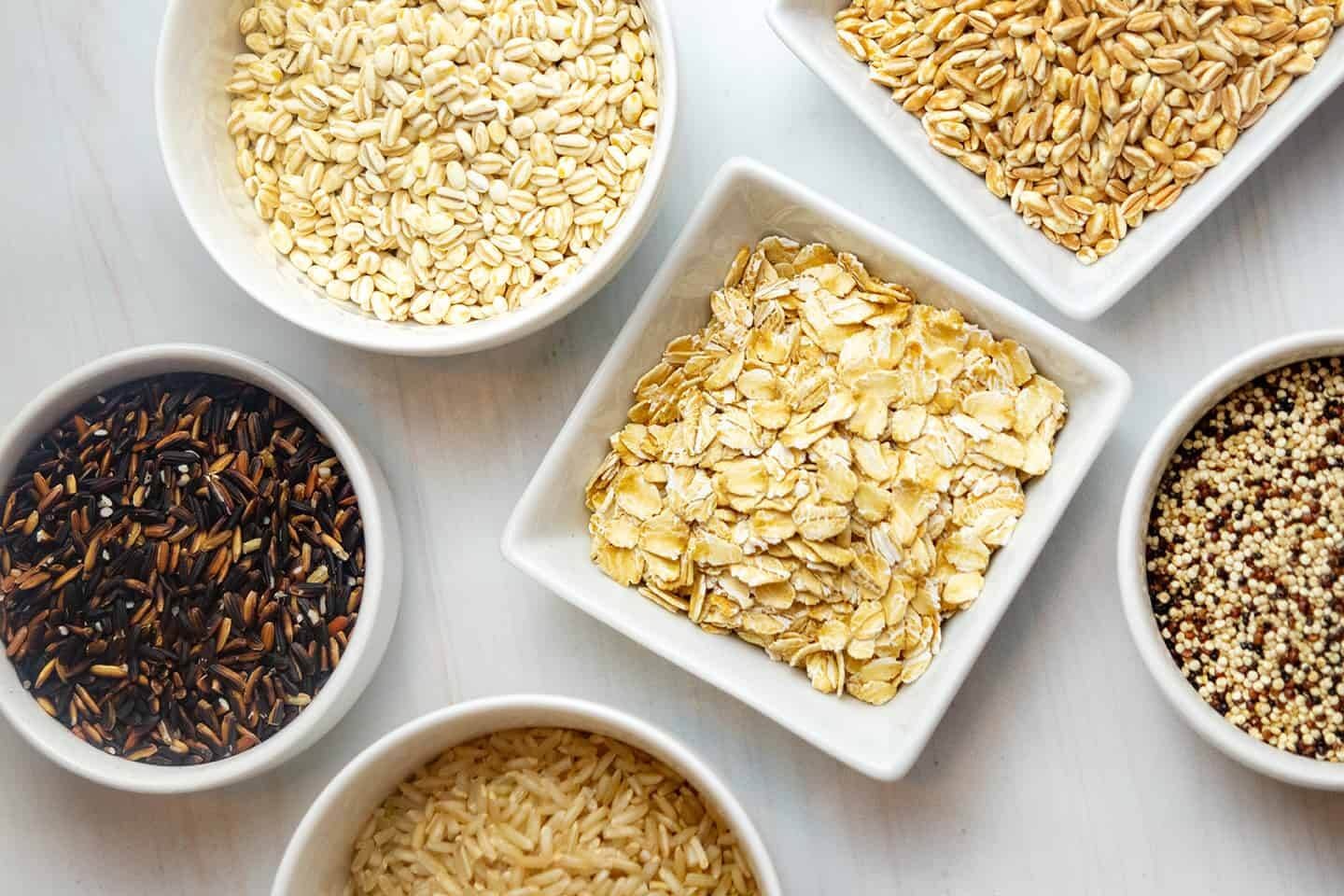
Whole grains provide steady energy and curb hunger. Replacing white bread with these options improves metabolism and supports balanced diet goals.
Include more whole grains in your daily meals with these easy tweaks:
• Replace refined grains like white bread with oats or quinoa.
• Cook oats with low fat dairy products for added protein.
• Add quinoa to salads for fiber and complete nutrition.
• Keep portion sizes moderate to maintain balance.
Choosing whole grains helps regulate appetite, supports your metabolism, and keeps your weight loss journey consistent.
4. Lean Proteins like Fish, Eggs, and Tofu
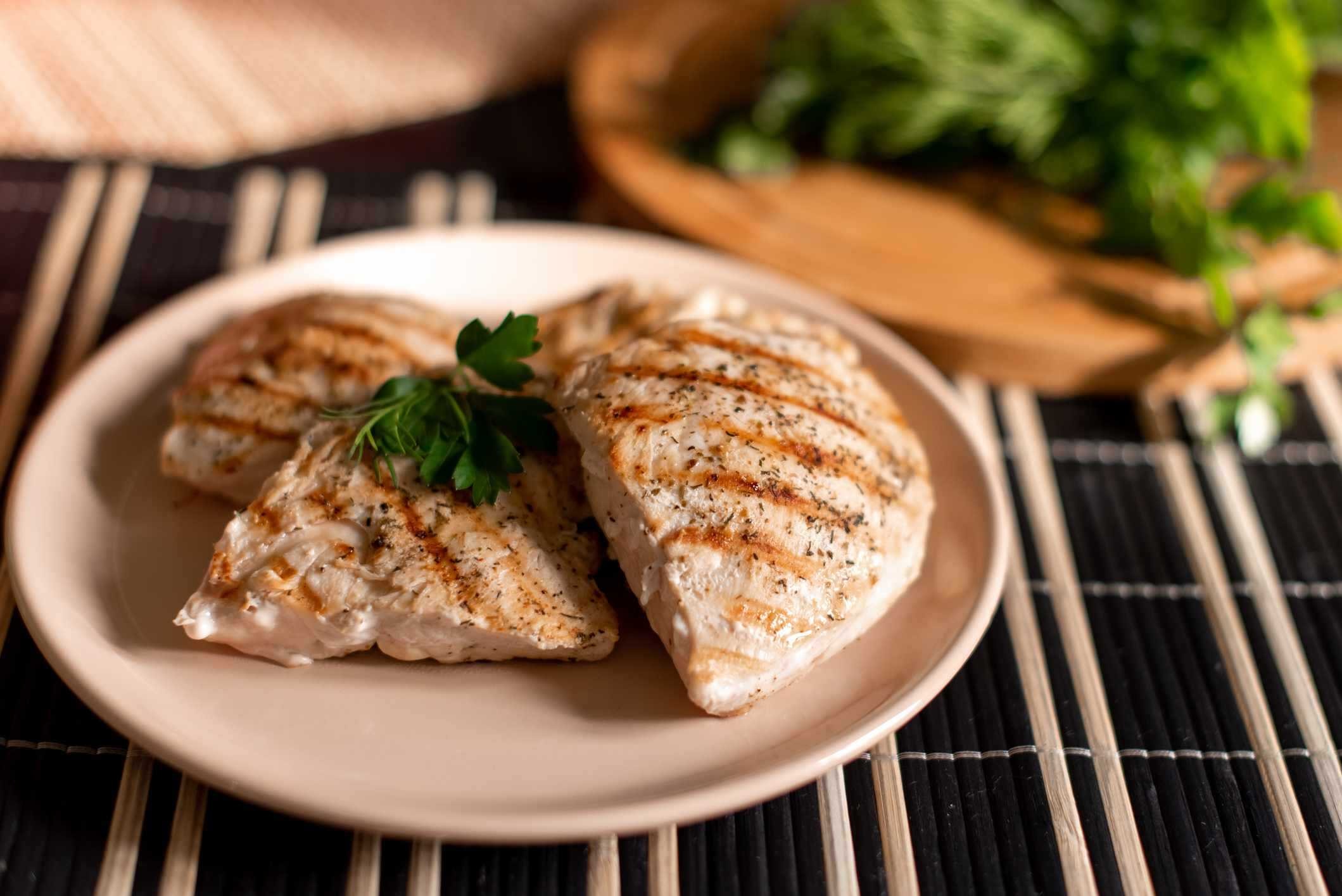
Protein fuels muscle repair and controls appetite. Adding lean protein to your meals boosts metabolism and helps maintain a healthy weight long-term.
Use these ideas to add more lean protein throughout your day:
• Include grilled fish or boiled eggs for quick healthy meals.
• Add tofu to stir-fries for a plant-based protein option.
• Avoid frying; choose baking or steaming for fewer calories.
• Pair proteins with vegetables for a complete, balanced diet.
Lean protein helps your body rebuild, recover, and stay full, supporting sustainable weight loss without dieting.
5. Fresh Fruits Rich in Fiber
High in fiber and antioxidants, fruits curb sweet cravings naturally. Choose more fruits like berries or apples to satisfy hunger without added sugars.
Here’s how to enjoy fruits in a balanced and practical way:
• Start your day with more fruits like papaya, guava, or berries.
• Pair apples or pears with healthy fats such as nuts for longer fullness.
• Replace sugary desserts with fresh fruit bowls or smoothies.
• Use seasonal fruits to maximize nutrients and flavor.
Fresh fruits improve digestion, boost energy, and make your healthy eating routine colorful and satisfying.
6. Nuts and Seeds for Healthy Fats
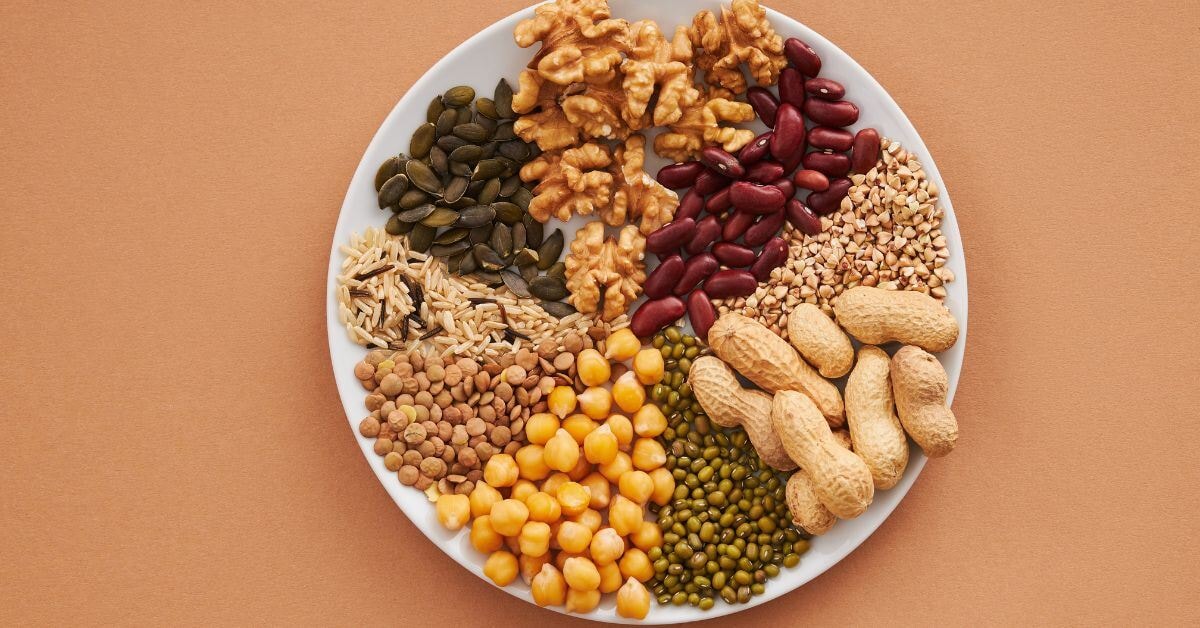
Almonds, chia, and flax seeds offer healthy fats that support heart health and steady energy. A handful a day helps manage high calorie foods cravings.
Here’s how to make nuts and seeds work for you:
• Add them to yogurt or oatmeal for crunch and nutrition.
• Snack on roasted nuts instead of processed snacks.
• Blend seeds into smoothies for extra nutritious foods.
• Choose unsalted versions to reduce saturated fat intake.
Nuts and seeds keep you full, balance hormones, and protect against heart disease when eaten mindfully.
7. Yogurt and Fermented Foods for Gut Balance

These nutritious foods enhance digestion and reduce inflammation. Regular intake improves gut bacteria and supports long-term weight loss progress.
Here are simple ways to enjoy yogurt and fermented foods daily:
• Add yogurt to your meals as a cooling side or snack.
• Pick low fat dairy products to support better digestion.
• Try fermented options like kefir or pickled vegetables.
• Avoid sugar-loaded flavored yogurts to maintain gut balance.
A strong gut supports immunity, mood, and metabolism — essential for lasting healthy weight management.
8. Vegetables like Broccoli, Cauliflower, and Carrots
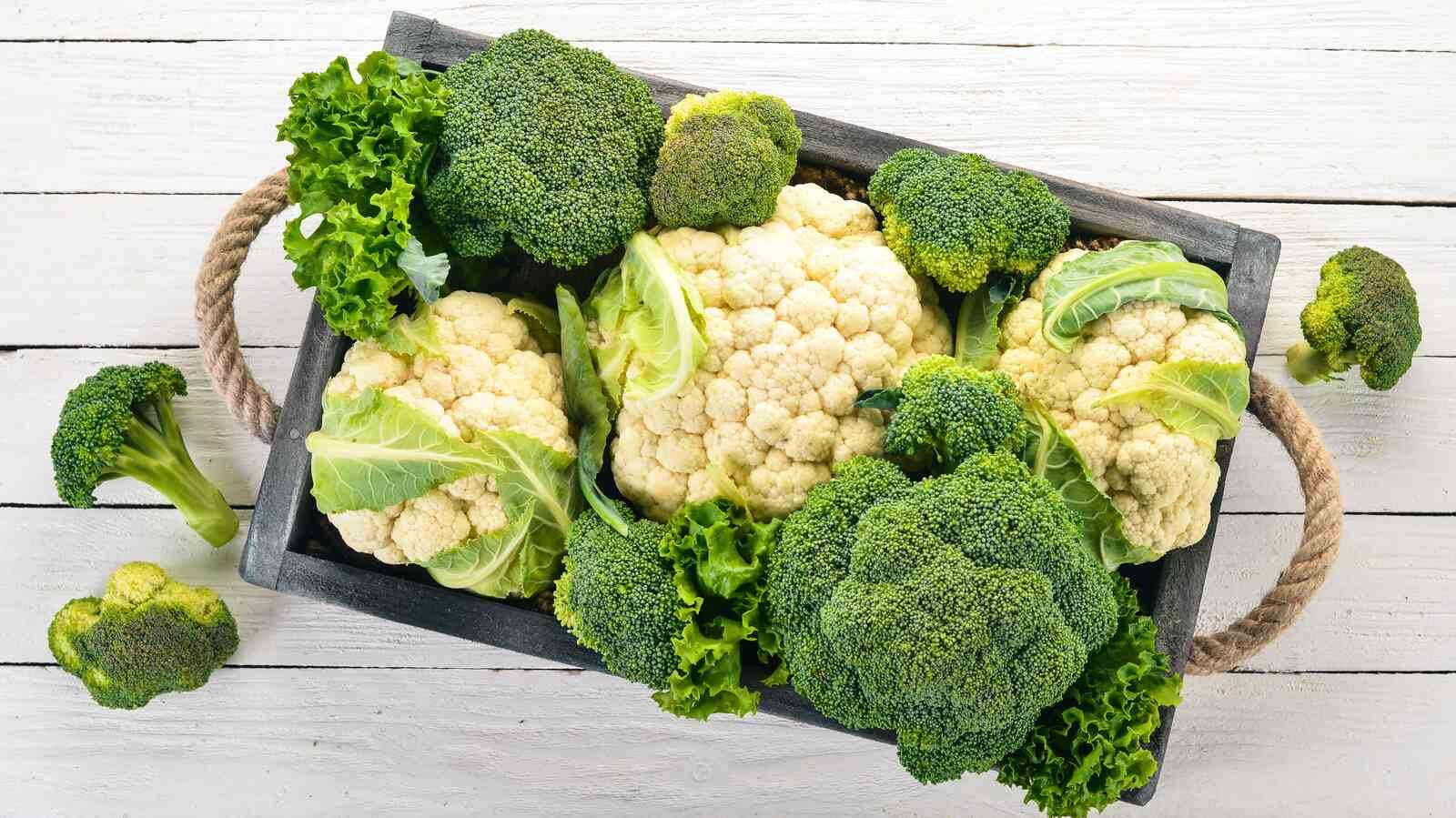
Vegetables are naturally low in fat and more calories efficient. Fill half your plate with colorful veggies to support digestion and prevent overeating.
Here’s how to make your vegetables more exciting and consistent:
• Steam or roast your veggies instead of frying.
• Add olive oil or herbs for flavor without adding more calories.
• Mix veggies into soups, curries, or grain bowls.
• Combine several vegetables to keep textures and nutrients diverse.
Eating a wide range of vegetables strengthens your metabolism, helps control weight gain, and improves digestion naturally.
9. Herbal Teas that Support Metabolism

Green, ginger, or peppermint tea enhances fat oxidation and hydration. Swapping sweetened drinks for herbal teas can cut liquid calories effortlessly.
Try these ways to make herbal teas part of your day:
• Replace sugary drinks with green or chamomile tea.
• Drink sparkling water or unsweetened iced tea as refreshing alternatives.
• Enjoy a cup before bed to relax and improve sleep quality.
• Add lemon, mint, or cinnamon for natural flavor.
Herbal teas help you stay hydrated, support disease control, and gently speed up calorie burn — the smarter sip for your daily routine.
10. Lentils and Legumes for Lasting Fullness
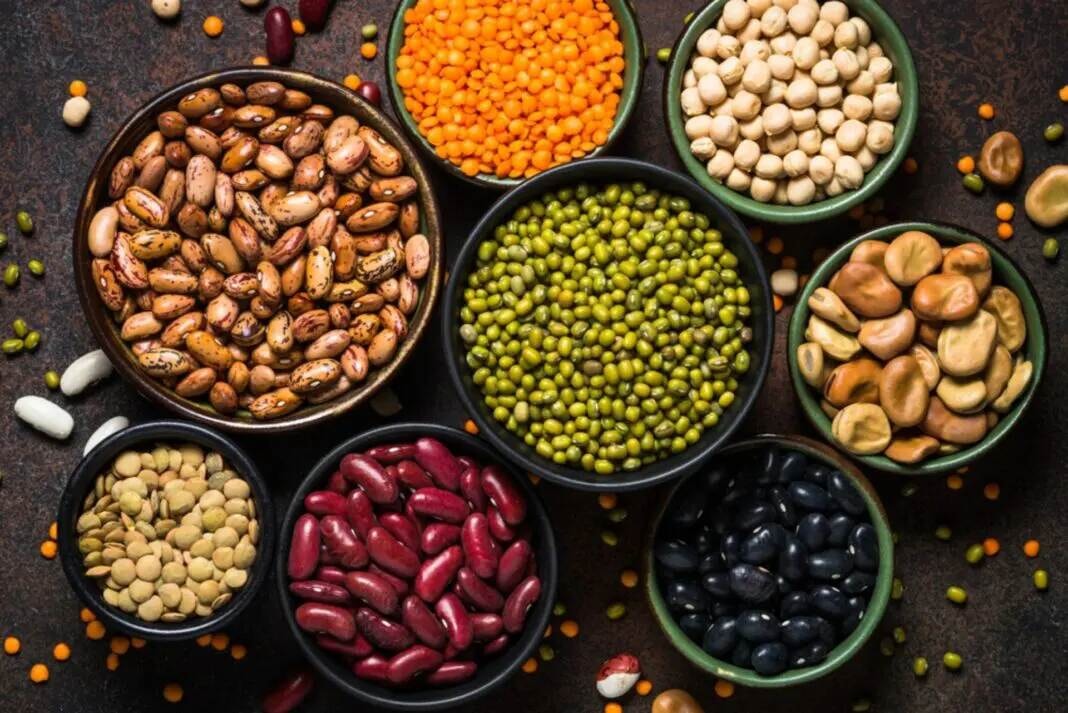
Rich in protein and fiber, lentils steady blood sugar and control hunger. They fit into any weight loss plan focused on whole, healthy eating.
Here’s how to include more lentils and legumes without getting bored:
• Rotate lentils like masoor dal, moong, and chickpeas weekly.
• Add legumes to soups or broth based soup for volume and flavor.
• Pair them with rice or quinoa for complete protein.
• Use lentil spreads as healthy snack dips.
Lentils keep you satisfied longer, improve energy, and support balanced diet goals through natural, affordable nutrition.
For more food inspiration and science-backed ways to stay full and energized, visit Balance Bite for balanced recipes and mindful eating guides.
Common Mistakes That Stop You From Losing Weight Naturally
Even with good intentions, small missteps derail progress. This section flags blind spots, like overeating “healthy” foods or skipping meals that sabotage your weight loss program.
Many people unknowingly eat more calories through sauces, snacks, and liquid calories. A few small corrections can reset your metabolism and help you lose weight without dieting.
Here are the most common mistakes to watch out for:
-
Skipping meals, which slows metabolism and triggers overeating later.
-
Trusting “low-fat” or “healthy” labels instead of reading ingredients.
-
Eating mindlessly while watching TV or working, which leads to unnoticed snacking.
-
Ignoring portion sizes, so even healthy foods become calorie-heavy.
-
Drinking sweetened drinks instead of drinking water or herbal teas.
-
Relying on fad diets that promise quick fixes but disrupt your healthy habits.
Each of these mistakes may seem small but adds up over time. They impact digestion, slow metabolism, and can even increase health risks such as heart disease if repeated long term.
The goal isn’t perfection but awareness. By noticing patterns like mindless snacking or excessive reliance on “diet” foods, you create space for simple strategies that bring your body back to balance.
A consistent healthy diet, filled with vegetables, lean proteins, and nutritious foods, makes real progress possible without strict restrictions.
6 Reasons Why Building Healthy Habits Matters More Than Quick Fixes

Quick fixes fade, habits last. Here are the six core reasons why a strong foundation of lifestyle habits outperforms any “fast-track” diet.
1. Quick Fixes Only Give Short-Term Results
Fad diets may help you drop weight quickly, but they rarely stick. Once the plan ends, old habits return and your body reclaims the lost weight.
Here’s what usually happens:
• You cut calories too sharply and your energy drops.
• You start eating larger portions once hunger kicks in.
• Your metabolism slows, reducing fat burn even when you eat less.
Shortcuts ignore how your body adapts. Real weight loss efforts work when you build patience and structure around steady nutrition.
2. Healthy Habits Reshape Daily Choices
When eating well becomes automatic, results follow naturally. Building strong daily habits supports balance, control, and consistency.
Try these steps:
• Choose balanced meals over crash diets.
• Walk or stretch daily to stay active.
• Plan ahead so you don’t rely on impulse eating.
This approach teaches sustainable ways to lose weight that work without counting how many calories every day.
3. Sustainable Change Keeps Metabolism Steady
Extreme calorie restriction confuses your metabolism. When you eat too little or too irregularly, your body conserves energy instead of burning it.
You can fix this by:
• Eating smaller, more regular meals.
• Including lean proteins and complex carbs.
• Avoiding meal skipping to keep metabolism even.
Sustainability protects energy and performance, allowing your body to adapt instead of resisting progress.
4. Consistency Creates Long-Term Success
Lasting results come from repeatable actions, not perfect weeks. Consistency builds rhythm and stability in both mindset and metabolism.
Stay steady by:
• Planning meals and workouts in advance.
• Tracking progress weekly, not daily.
• Adjusting when needed, but never quitting completely.
When you stay consistent, your results compound quietly, shaping a routine that becomes effortless.
5. Balanced Routines Reduce Stress-Related Eating
Emotional eating thrives when your schedule is chaotic. Structure and predictability give your body and brain a sense of calm.
Keep control by:
• Scheduling meals at the same times each day.
• Using mindful eating to pause before snacking.
• Prioritizing hydration to reduce cravings.
Balanced routines prevent stress from turning into overeating, protecting both your focus and your weight loss efforts.
6. Positive Habits Improve Overall Well-Being
Healthy habits support more than weight control; they strengthen your confidence, focus, and long-term wellness.
Maintain progress with:
• Daily movement and sleep consistency.
• Nutritious meals that balance protein, fiber, and color.
• Simple lifestyle adjustments that build discipline naturally.
Over time, these small habits create transformation. The goal isn’t just to lose—it’s to live with ease, balance, and energy.
Keep your progress realistic and steady with the help of Balance Bite, where you’ll find habit-building ideas and simple nutrition strategies that last.
Tips to Balance Nutrition and Lifestyle for a Sustainable Healthy Weight
Balance is everything. You’ll get practical tips to juggle stress, food, movement, and rest, so that your weight loss journey feels manageable and grounded.
1. Stay Consistent with Regular Physical Activity
Movement builds momentum. Regular physical activity supports metabolism, tones muscles, and helps you lose weight without extreme restrictions or burnout.
Here’s how to keep movement part of your exercise plan:
• Combine brisk walking, cycling, and yoga for variety.
• Mix cardio with light resistance training to reduce extra weight.
• Stretch daily to prevent stiffness and improve posture.
• Remember: even small daily steps make a big difference.
Consistency, not intensity, drives results. Regular movement helps maintain muscle tone, manage stress, and improve long-term healthy weight balance.
2. Limit High Calorie Foods That Add Up Fast
Sneaky snacks and sauces can stall progress. Reducing high calorie foods keeps energy balanced and prevents unnecessary weight gain during your routine.
Practical swaps for smarter eating:
• Choose broth based soups over creamy ones for fewer calories.
• Serve meals on smaller plates to control portions naturally.
• Limit processed foods high in saturated fat or high fat oils.
• Replace white bread with whole wheat bread for steady energy.
Even subtle changes in how you serve or season food can create lasting control and prevent extra weight from sneaking back.
3. Focus on Nutrient-Dense Meals Over Portion Size Alone
Quality matters more than quantity. A healthy diet filled with whole grains, lean proteins, and colorful vegetables fuels your body better than just eating in smaller portions.
Here’s how to get more from every bite:
• Add olive oil or nuts for healthy fats instead of processed sauces.
• Include lentils, fish, and vegetables to stay full longer.
• Choose whole wheat bread or brown rice over refined carbs.
• Enjoy more food with fewer empty calories by choosing nutrient-rich options.
As research suggests in the American Journal of Nutrition, nutrient-focused meals improve metabolism and long-term weight management far better than restriction.
4. Manage Stress to Avoid Emotional Eating
Stress often leads to cravings for fat or sugary foods. Relaxation, mindful breathing, and small lifestyle shifts reduce mindless snacking and promote better balance.
Here’s how to regain control when stress hits:
• Identify emotional triggers like boredom or watching TV.
• Replace cravings with herbal teas or stretching breaks.
• Prepare healthy snacks like nuts or fruit before stressful days.
• Journal feelings instead of eating through them.
Mindful stress control supports emotional balance, prevents high calorie foods overload, and sustains long-term focus on your healthy habits.
5. Track Your Progress Without Obsessing Over Numbers
The scale doesn’t tell the full story. Measure how you feel, how your clothes fit, and your energy instead of just focusing on body mass index (BMI).
To make tracking motivating, not obsessive:
• Note how your strength, mood, and sleep improve over time.
• Track hydration, meal timing, and workout patterns.
• Celebrate visible changes, not just the current weight.
• Rely on simple strategies that measure lifestyle consistency.
Progress is about steady improvement, not perfection. The goal is to maintain habits that align with your natural rhythm and energy.
6. Adjust Your Plan If You Have Specific Health Conditions
Every body is different. If you have unique health conditions, talk to a healthcare professional to fine-tune your plan safely for better results.
Smart ways to personalize your journey:
• Get regular checkups to align your nutrition with disease control goals.
• Modify activity intensity based on your doctor’s guidance.
• Choose low-impact options if managing joint or heart issues.
• Review your progress with a registered dietitian every few months.
Professional insight keeps your plan safe, effective, and sustainable—especially when health conditions play a role in your weight goals.
7. Prioritize Sleep to Support Recovery and Metabolism
Good sleep is as vital as diet or exercise. Skipping rest causes sleep deprivation, which can raise cravings and slow your metabolism over time.
Ways to sleep smarter for better recovery:
• Create a dark, quiet, screen-free environment.
• Avoid caffeine or heavy meals before bed.
• Keep a steady bedtime routine that trains your body’s rhythm.
• Reflect on progress instead of late-night scrolling.
Sleep resets your body and mind, restores hormones, and gives you the clarity to stay consistent on your journey to lose weight and live well.
Conclusion
Now that you’ve read this far, here’s the real takeaway — lasting change doesn’t start in your kitchen, it starts with a choice. You’ve got everything you need to take control: awareness, curiosity, and the will to begin.
Start small. Pick one habit, one meal, or one swap that feels doable today. Stay consistent, and momentum will do the rest.
You don’t need a miracle plan to transform your health — just commitment and patience. Let this be the week you stop waiting for “someday” and start building the life and body you deserve.
Staying consistent doesn’t have to be hard. Learn practical, no-fuss ways to align your meals, mindset, and lifestyle with lasting results at Balance Bite




Leave a comment
Translation missing: en.blogs.comments.discription