

Your meals decide how you feel, think and function far more than you realise. When a diet has the right components, habits improve and results start showing naturally.
Here you’ll see the 9 essential parts that shape the healthiest meal plan and help you build a routine your body trusts.
What Most People Get Wrong About A Healthy and Balanced Diet?
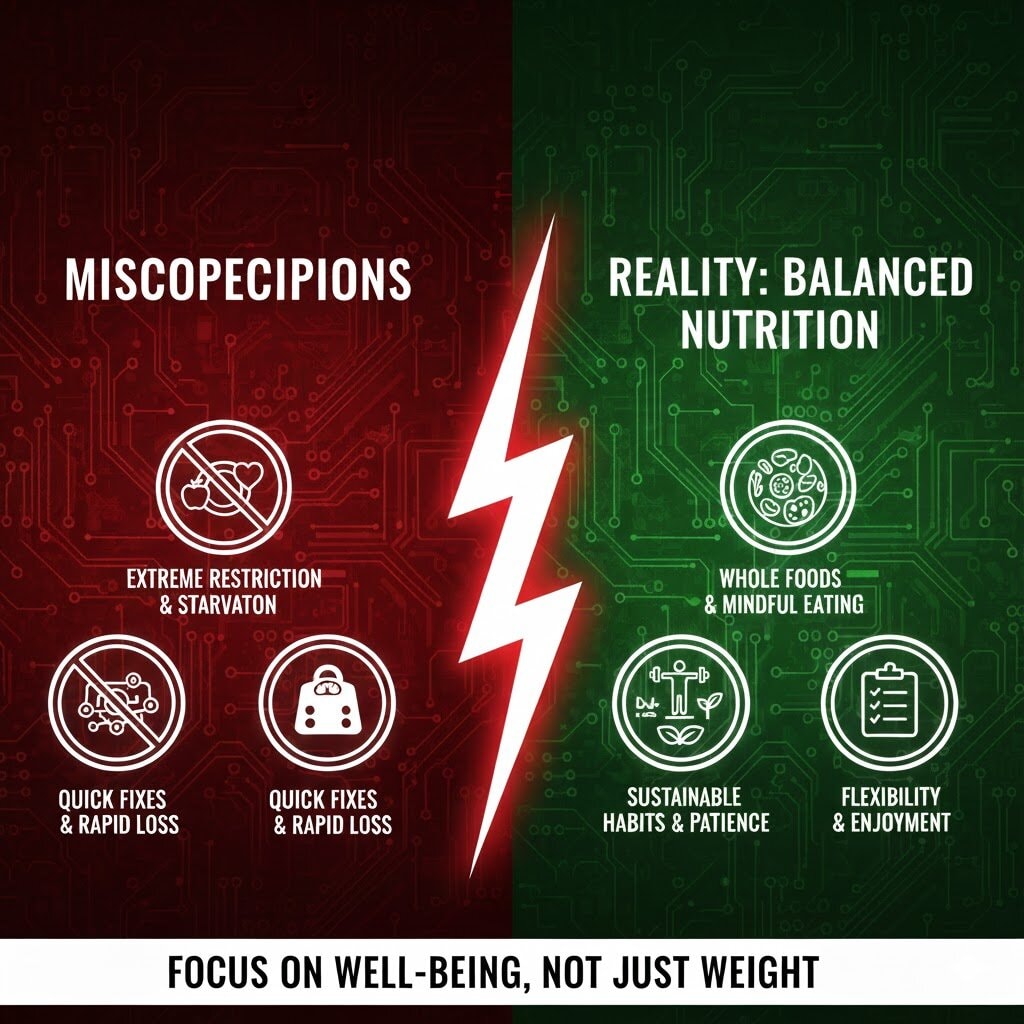
Many people chase a healthy balance by mixing different foods without understanding healthier choices or the real health benefits behind them. Fresh veggies and fruits help, but applying them randomly never builds a consistent routine.
This section opens up the common mistakes that quietly shape your eating habits.
Common mistakes people make with a “balanced” diet
-
Focusing on single “superfoods” instead of the overall meal pattern
-
Adding salad or fruit but keeping portions of refined carbs the same
-
Copying someone else’s plate without matching their activity or needs
-
Eating healthy foods, but in portions that still exceed daily needs
-
Treating weekends, dinners or social meals as “exceptions” too often
Example
-
Someone may add a side salad and fruit juice to a meal of white bread and fried snacks. The plate looks healthier, but the overall balance, oils and refined carbs still outweigh the benefits of the salad.
Another common gap is ignoring how meals fit together across the day. A light breakfast, a rushed lunch and a heavy dinner can feel balanced in total, yet the timing and composition still put pressure on energy, digestion and sleep.
These patterns show why “eating a bit of everything” does not always create balance, and they lead directly into the 9 key components that turn any diet into a truly healthy meal plan.
“See the healthiest meal plans designed for real Indian routines on MyBalanceBite.”
9 Key Components of a Healthy Meal Plan
A strong meal plan depends on balanced foods, healthy protein sources, colorful vegetables, fresh fruit, dried fruit, whole grains like brown rice and whole wheat bread, and smart habits that support your body weight and vary based on your needs. These 9 components hold everything together.
1. Balanced Food Groups
Balanced food groups help you mix colorful vegetables, fresh fruit, dried fruit, and fresh veggies in a way that gives meals natural variety and key nutrients. These choices improve energy, support digestion, and bring stability to daily eating.
What a balanced mix usually includes
-
Vegetables in at least one or two colours on your plate
-
Fresh fruit in one or two small portions across the day
-
A fibre rich base such as whole grains or beans
-
A protein source that supports fullness and repair
Example
A healthy plate at lunch could include brown rice, dal made with beans, a mixed vegetable sabzi and a small bowl of curd. The variety covers fibre, protein and micronutrients in one simple layout.
Different organizations suggest slightly different serving targets, but they all point toward the same idea, regular use of diverse food groups.
2. Adequate Protein Intake
Protein from healthy protein sources like cottage cheese, greek yogurt, and nonfat yogurt supports muscle repair, steady energy, and fullness. These foods help you build consistency without overwhelming your routine.
Useful protein options
-
Dairy choices such as paneer, greek yogurt or curd
-
Plant proteins like lentils, chickpeas and other beans
-
Eggs or lean poultry in measured portions
-
Nuts and seeds in small, planned amounts
Learn more about creating a weekly meal plan, Indian-style that incorporates these protein sources and supports long-term wellness.
Example
Breakfast with greek yogurt, fruit and a small handful of nuts provides protein, fibre and healthy fats, and it keeps you satisfied for hours.
For more specific guidance, personalised advice from a registered dietitian can fine tune total protein needs across the day.
3. Controlled Serving Size
Serving sizes influence body weight, especially when portions vary based on appetite or emotional eating. Using simple measures like 1 cup or palm sized portions helps you eat enough without slipping into overeating.
Practical serving cues
-
Cooked grains: about 1 small cup per meal
-
Protein: a palm sized piece of paneer, fish or poultry
-
Oils and ghee: 1 to 2 teaspoons per meal
-
Nuts: a small closed handful, not a bowl
Example
If you choose lean cuts of chicken, a palm sized portion with vegetables and a small serving of rice keeps the meal filling without excess calories.
4. Healthy Fats And Limited Saturated Fat
Healthy fats work best when you keep an eye on too much saturated fat and rely on options like unsalted nuts for steady nutrition. Managing fat intake helps balance hormones, appetite, and long term heart health.
Better fat choices
-
Unsaturated fats from nuts, seeds and olive oil
-
Limited ghee, butter and full fat cream
-
Careful use of items like sour cream or heavy cheese
-
Cooking methods that use less visible oil
Example
Using a teaspoon of olive oil to stir fry vegetables and adding a few unsalted nuts on top supports flavour and texture without crowding the plate with fat. These habits lower heart disease risk over time.
5. Fiber From Fruits And Vegetables
Fiber rich foods like a side salad or mashed banana support digestion, appetite control, and smooth blood sugar response. These simple additions make each meal more satisfying without adding complexity.
Easy fibre wins
-
Add a side salad with most main meals
-
Choose fruit with edible skin, such as apple or pear
-
Mix vegetables into dals, upma or poha
-
Use mashed banana or fruit pieces instead of sugary toppings
Example
A plate of dal, rice and sabzi with a small salad keeps you full longer than dal and rice alone, because fibre slows digestion and supports gut health.
6. Whole Grains For Steady Energy
Whole grains such as brown rice, whole wheat bread, white rice, or even white bread in mindful portions support long lasting energy and better fullness. These grains sustain you through busy routines.
Ways to use whole grains wisely
-
Prefer brown rice or hand pounded rice most days
-
Choose whole wheat bread more often than refined bread
-
Keep white rice or white bread to smaller, mindful servings
-
Combine grains with vegetables and protein for balance
Example
A breakfast of whole wheat bread, paneer bhurji and tomato slices provides fibre, protein and carbs in one simple meal, and it keeps mid-morning hunger away, making it an ideal option in a diet chart for old age.
7. Hydration And Low Calorie Beverages
Hydration shapes daily performance, supports metabolism, and helps regulate hunger. Low calorie beverages keep calories in check while making it easier to follow your plan consistently.
Good hydration habits
-
Drink water regularly across the day, not all at once
-
Use plain water, infused water or unsweetened tea
-
Limit sugary drinks and high calorie coffees
-
Have a glass of water before meals to check true hunger
Example
If you drink water before reaching for a snack, you often find that the craving fades because thirst, not hunger, was driving the urge.
8. Smart Use Of Olive Oil
Olive oil works well when used thoughtfully in cooking or dressing. It adds flavor, improves nutrient absorption, and supports heart friendly fat balance without overwhelming calories.
Smart ways to use it
-
Drizzle a small amount over salads instead of heavy dressings
-
Use it lightly while sautéing vegetables
-
Combine with lemon and herbs for simple marinades
-
Keep total oil per meal measured rather than free poured
Example
A salad with colorful vegetables, a teaspoon of olive oil and lemon juice absorbs fat soluble vitamins better than a dry salad, while still fitting into a healthy plan.
9. Calorie Awareness And Portion Control
Understanding how calories fit into your meals brings structure and helps prevent accidental overeating. Portion control becomes a natural system once you see what your body responds to daily.
Ways to build awareness
-
Notice which meals leave you comfortably full versus heavy
-
Track rough portions for a week to see patterns
-
Adjust one element at a time, such as grain or oil quantity
-
Use a simple visual rule, half vegetables, one quarter protein, one quarter grains
Example
If you reduce grain portions slightly and increase vegetables on the same plate, total calories drop while fullness stays similar, which is the quiet base of steady progress.
These components define what goes into a truly healthy plate, and the next section shows how to combine them into a full sample meal plan you can follow in daily life.
“If you prefer ready made, balanced plates, browse MyBalanceBite’s smart meal templates.”
Sample Meal Plan Built On Key Healthy Meal Components
A sample plan works best when it includes lean cuts like skinless poultry or grilled chicken, whole wheat bread, colorful vegetables, side salad options, and foods like red meat or processed meats used mindfully. Seeing these pieces inside a structured day—a key element of personalized weight loss programs—helps bring the components to life.
| Meal Time | What To Eat | Why It Helps |
|---|---|---|
| Early Morning | Warm water or unsweetened green tea | Supports hydration and prepares the body for the first meal. |
| Breakfast | Whole wheat bread with cottage cheese and colorful vegetables | Combines whole grains, dairy and veggies for balanced energy. |
| Mid Morning | Fresh fruit or a small bowl of dried fruit | Adds fibre and natural sweetness to control mid-meal hunger. |
| Lunch | Brown rice or whole wheat roti, dal or beans, vegetable sabzi, side salad | Builds a complete healthy plate with protein, fibre and whole grains. |
| Evening Snack | Greek yogurt or curd with a spoon of chia seeds | Provides protein and fibre to reduce cravings. |
| Dinner | Skinless poultry, grilled chicken or plant protein with sautéed vegetables | Offers lean protein and unsaturated fats without heaviness. |
| Optional Add-On | Warm milk or herbal tea | Helps digestion and supports a calmer end to the day. |
When you see the components working together in a full day, the pattern becomes easier to repeat, and the next section shows how to personalise this structure for different goals and lifestyles.
Tips To Personalize A Healthy Meal Plan For Your Routine And Goals

Personalizing a meal plan goes beyond food lists and considers your healthy weight goals, blood sugar stability, cardiovascular disease risk, and even personal factors like medical history. Some choices also help you save money while keeping meals practical for busy schedules.
Personalisation becomes the bridge between theory and your real life.
1. Weight Loss And Fat Reduction
Healthy weight results come from smart calorie choices, consistent meals and steady habits that keep hunger manageable. Tailoring foods to your routine makes fat reduction easier to sustain.
How to shape it for weight loss
-
Fix meal times that fit your work and sleep schedule
-
Structure your plate, half vegetables, one quarter protein, one quarter grains
-
Use planned snacks instead of random grazing
-
Adjust calories slightly rather than using big cuts
Example
A person who works late can shift their main meal to lunch, keep dinner lighter and plan a small evening snack to avoid night overeating.
2. Muscle Gain And Strength Building
Protein timing, calorie structure and nutrient dense meals help build strength. A routine that supports recovery and training intensity leads to better muscle gain.
Ways to support muscle growth
-
Add protein to every main meal
-
Include a protein rich snack around workouts
-
Keep calories slightly higher on training days
-
Use whole grains and healthy fats for lasting energy
Example
Evening lifters may use curd and fruit before training, then paneer with vegetables for dinner to support recovery.
3. Better Digestive Health
Gentle foods, probiotics, hydration and careful ingredient selection support digestion. These choices ease bloating and help meals feel lighter.
Digestive friendly habits
-
Use cooked vegetables if raw salads feel heavy
-
Include yogurt or probiotics
-
Drink water steadily instead of long gaps
-
Reduce spicy, fried or highly processed foods
Example
Replacing fried evening snacks with fruit and yogurt improves digestion while keeping flavour intact.
4. Improved Energy And Daily Productivity
Balanced carbs, protein and healthy fats keep energy steady. Avoiding sugar spikes supports clearer focus and smoother workdays.
Energy steadying practices
-
Include protein and fibre at breakfast
-
Avoid long gaps between meals
-
Use nuts, yogurt or fruit instead of sweets
-
Keep lunch balanced to prevent afternoon crashes
Example
Whole wheat toast with egg provides steadier morning energy than pastries or sugary drinks.
5. Blood Sugar Stability
Avoiding white bread, white rice and sugary foods keeps blood sugar stable. This supports appetite control and long term metabolic health.
Steps to support blood sugar
-
Rely on whole grains, lentils and vegetables
-
Keep sweets for rare moments
-
Pair carbs with protein or healthy fats
-
Spread meals evenly across the day
Example
Brown rice with dal and sabzi keeps blood sugar steadier than white rice paired with a sugary drink.
6. Heart Health And Lower Cholesterol
Avoiding red meat and processed meats while managing saturated fat supports cardiovascular disease prevention. These improvements protect long term heart health.
Heart focused adjustments
-
Choose poultry, fish or plant proteins
-
Use unsaturated fats such as olive oil
-
Limit deep fried foods
-
Include oats, beans and vegetables for fibre
This approach is especially those helpful for people with a family history of heart disease.
7. PCOS And Hormonal Balance
Balanced meals, fibre and consistent protein reduce hormonal swings. These habits support insulin response and improve PCOS symptoms.
Key points for PCOS
-
Avoid long gaps between meals
-
Choose low glycaemic grains
-
Add a protein source to each meal
-
Reduce sugary drinks and sweets
Example
A PCOS friendly day can include upma for breakfast, dal and brown rice for lunch and paneer with vegetables for dinner.
8. Healthy Eating For Busy Professionals
Smart shortcuts, efficient meal prep and reliable food choices help busy professionals stay consistent.
Practical strategies
-
Batch cook grains and lentils
-
Keep quick options like fruit, yogurt and nuts ready
-
Use tiffin style meals that travel well
-
Match eating windows with work hours
Example
Packing leftover dal and vegetables prevents last minute office food orders.
9. Meal Planning For Seniors
Nutrition for seniors depends on digestion, energy needs and medical history. Thoughtful adjustments improve safety and comfort.
Points to consider
-
Choose softer foods for easier chewing
-
Use gentle protein sources like curd and paneer
-
Reduce very salty or processed items
-
Match meal times with medications when needed
Example
Smaller, frequent meals such as porridge, soft sabzi and curd improve comfort across the day.
10. Balanced Nutrition For Vegetarians And Vegans
Unsalted nuts, dried fruit, whole grains and plant proteins help vegetarian and vegan diets stay complete and nutrient balanced.
Building a complete plate
-
Combine grains and lentils for full protein
-
Use nuts, seeds and plant oils for healthy fats
-
Include colourful vegetables daily
-
Use fortified foods or supplements for nutrients like B12 or D if required
Example
Brown rice, rajma, mixed vegetables and a nut based dressing create a nutrient complete vegan meal.
Personalised choices turn a general plan into a structure that fits your routine, and the next section explores how these patterns shape long term results.
“Get personalised nutrition ideas based on your goals with MyBalanceBite’s expert guides.”
How Healthy Eating Patterns Shape Long Term Results
Long term results come from habits that support body weight, improved digestion, colorful vegetables, and nutrient dense options. These choices protect immunity, lower risk of lifestyle conditions like cardiovascular disease, and improve nutrient absorption. Patterns matter more than any single meal.
1. Steadier Energy Levels Throughout The Day
Meals that use whole wheat bread, fresh veggies and steady carbs reduce energy spikes and crashes. A regular pattern of balanced meals keeps your body supplied with slow burning fuel instead of short bursts.
Example
A breakfast of whole wheat toast, paneer and tomato will hold your energy better than tea with biscuits that fade by mid morning.
2. Better Weight Control Over Months And Years
Maintaining a healthy body weight becomes easier when meal structure stays consistent. Portions that follow a familiar pattern reduce guesswork and help prevent slow creep weight gain.
Helpful habits
-
Keep plate ratios similar across meals
-
Use similar breakfast or lunch formats most days
-
Watch long term trends, not daily fluctuations
3. Improved Digestion And Gut Health
Foods like greek yogurt, fibre rich vegetables and whole grains support gut bacteria and smoother digestion. When these show up regularly, bloating and discomfort reduce over time.
Example
Having yogurt or curd with lunch most days builds a quiet base of probiotic support that your gut can rely on.
4. Stronger Immunity And Fewer Illnesses
Fresh veggies and colorful vegetables provide antioxidants and micronutrients that support immune function. Regular intake, not rare large portions, builds resilience against common infections.
Simple immunity builders
-
Include at least one colourful vegetable at both lunch and dinner
-
Rotate fruits through the week for variety
-
Use herbs and spices like haldi, ginger and garlic frequently
5. Lower Risk Of Lifestyle Diseases
Limiting processed foods and managing saturated fat intake protects against cardiovascular disease and related conditions. Combined with movement, this pattern becomes a strong long term shield.
Supportive steps
-
Prefer home cooked meals over frequent packaged foods
-
Use unsaturated fats and measure oils
-
Check numbers like blood pressure and lipids with your healthcare provider at recommended intervals
6. Healthier Skin Hair And Overall Appearance
Colorful vegetables, fruits and hydrating foods feed the skin and hair with vitamins, minerals and antioxidants. Over time, these choices reflect in texture, brightness and overall appearance.
Example
Regular intake of fruits, nuts and plenty of water often shows up as smoother skin and less dryness, which no single product can replace.
7. Reduced Cravings And Better Appetite Control
Protein rich foods and balanced carbs improve satiety and reduce random cravings. When meals follow a clear structure, the body trusts that food is coming and urges become calmer.
Craving control basics
-
Include a protein source at each meal
-
Avoid very long gaps between eating
-
Use fibre to create volume without excess calories
8. More Stable Mood And Mental Clarity
Balanced meals support steady blood sugar, which keeps mood, focus and decision making more stable across the day. Sudden drops in glucose are often felt as irritability, fatigue or fog.
Example
A balanced lunch of dal, rice and sabzi will support afternoon concentration better than a meal built mainly on refined carbs and sweets.
9. Improved Sleep Quality Over Time
Nutritious foods, stable portions and earlier dinners help regulate rest cycles. When digestion is not overworked at night, the body can focus on recovery and deep sleep.
Sleep supportive habits
-
Finish dinner a few hours before bedtime
-
Keep night meals lighter and easier to digest
-
Avoid very sugary or heavy late snacks
10. Stronger Metabolism And Better Nutrient Absorption
Healthy proteins, regular meal timing and balanced plates keep metabolism active and support better nutrient absorption. The body learns what to expect and uses energy more efficiently.
Example
A pattern of three structured meals and one or two planned snacks trains your metabolism to work steadily instead of swinging between feast and long gaps.
When healthy eating becomes a pattern rather than a phase, progress feels quieter but far more reliable, and the next section can focus on answering the practical questions that come up while you build this routine.
FAQs
1. How Do I Build A Shopping List That Saves Time Without Compromising Nutrition?
Group foods by category and choose items that work across multiple meals. Buy staples like whole grains, dal, eggs, paneer, vegetables and fruits that stay fresh for days. Add quick options like yogurt, nuts and frozen veggies to avoid last minute decisions.
2. How Many Calories Should Come From Snacks When You Want A Flexible Routine?
Snacks usually work best at 10 to 20 percent of your total daily calories. This keeps hunger steady without cutting into meals. For someone eating 1,600 calories, 160 to 320 calories from snacks is enough.
3. Can A Meal Plan Help You Lose Weight Even If You Don’t Exercise Daily?
Yes. Structured meals control calories, steady hunger and reduce overeating. Exercise speeds results, but nutrition alone can still create a calorie deficit and support healthy weight loss when followed consistently.
4. What Are The Best Ways To Stay Motivated When Following A Long Term Meal Plan?
Use simple habits that build routine. Repeat reliable meals, track small wins, prep ingredients once or twice a week and review how your energy and digestion improve. Consistency becomes easier when the plan feels predictable.
5. How Can You Make Healthy Eating Affordable Without Reducing Food Quality?
Choose seasonal produce, rely on lentils and beans, buy grains in bulk and reduce dependence on packaged snacks. Cook more at home and reuse ingredients across meals to keep costs low while maintaining nutrition.
Conclusion
A strong meal plan takes shape when the right components show up in your day with consistency, not complexity. When your plate stays balanced and your habits stay steady, your body begins to respond with clearer energy, smoother digestion and quieter hunger cues.
Your next step is simple. Pick two or three components you can apply today, build them into your routine and let the rest follow naturally as your meals become more structured.
“Ready to put these components into action? Start with MyBalanceBite’s beginner friendly meal plans.”




Leave a comment
Translation missing: en.blogs.comments.discription