

Cravings calm down the moment your meals follow a predictable rhythm. A steady diet schedule gives the body a signal it can trust, and that signal reduces the urge to snack without relying on willpower.
This structure keeps your calorie deficit stable, lowers surprise hunger and supports consistent fat loss. These eight steps show how to build a schedule that stays dependable every day.
Why A Consistent Diet Schedule Is Essential For Steady Fat Loss?

A steady diet schedule helps you lose weight by keeping hunger predictable, supporting healthy eating patterns, and guiding your body toward a healthy weight. It improves overall health, stabilizes nutrient rich food choices, and supports sustainable weight loss with steady progress.
This sets the stage for understanding how structured timing shapes long term fat loss.
Key ways a consistent diet schedule supports fat loss
-
It reduces grazing and mindless bites, which often cause slow weight gain over months.
-
It keeps main meals structured, so plates lean toward a healthy diet rather than last minute processed foods.
-
It supports a healthy weight by pairing regular meals with steady calorie intake and fewer energy crashes.
-
It allows physical activity to slot into the day, since you know when you will feel light enough to move.
-
It improves overall health markers because digestion, sleep and hunger sit in a more regular pattern.
A stable schedule also supports good health by matching food timing with daily tasks. You can plan a lighter lunch before meetings, a slightly heavier meal before an evening walk, or a simple soup on days when work runs late. The structure becomes a quiet backbone for your weight loss journey.
Once this foundation feels clear, the next step is to design the exact eating pattern that can deliver these benefits in daily life.
1. Fix Consistent Meal Times For Breakfast, Lunch And Dinner
Consistent meal times help portion control feel easier and make mindful eating more natural during your day. Balanced meals spread across fixed timings prevent random hunger and reduce overeating.
“Discipline is choosing what you want most over what you want now.”
-Abraham Lincoln
Practical ways to fix meal times
-
Choose specific bands for each main meal, such as 8 to 8:30 am, 1 to 1:30 pm and 8 to 8:30 pm.
-
Align meals with work blocks, so you eat before long meetings or commutes instead of during them.
-
Keep weekends within one hour of weekday timing, so hunger hormones stay in the same rhythm.
A clear timetable turns meals into anchors, not afterthoughts. Once these anchors hold, every other adjustment in your schedule sits more securely.
Need help building a meal rhythm you can actually follow? Try the Balance Bite Meal Pattern Tool to map your ideal breakfast, lunch and dinner timings in minutes.
2. Set A Daily Calorie Deficit And Distribute Calories Across The Day
A clear calorie deficit works only when you understand how many calories suit your goals and how fewer calories influence energy levels. Watching extra calories, more calories, water weight and water retention keeps the pattern predictable.
“If you can’t measure it, you can’t improve it.”
-Peter Drucker
How to set and spread your calorie deficit
-
Estimate your maintenance calories, then reduce them in a modest, sustainable range.
-
Place slightly more calories in meals where cravings are strongest.
-
Keep the gap between meals stable, so your body never swings from too full to too empty.
A measured deficit paired with steady timing makes cravings less sharp and gives your schedule a solid base.
Not sure how many calories fit your goals? Balance Bite has a Smart Calorie Calculator that personalises your target range and splits it across meals for you.
3. Use Fibre Rich Foods In Meals That Usually Trigger Hunger Spikes
Fresh fruits, whole wheat, green peas, nutrient rich foods and vegetable poha help manage appetite by slowing digestion and adding natural volume. These food groups keep cravings under control without forced restriction.
Where fibre rich foods work best
-
Use fibre heavy items in meals where you tend to overeat, such as late evenings.
-
Keep fresh fruits or vegetable poha as snack options that hold you longer.
-
Pair whole wheat options with protein to create meals with stronger satiety.
Well timed fibre stretches fullness between meals and makes your calorie plan easier to follow.
4. Place Brown Rice Or Whole Grains In The Meal Slot Where You Need Long Energy
Eat brown rice or choose whole grains, refined grains or complex carbohydrates when you need steady energy instead of quick crashes. These options fit both vegetarian Indian diet and other Indian meal plan patterns comfortably.
How to time whole grains
-
Use them at lunch during long work stretches that demand focus.
-
Pair grains with vegetables and dal to create balanced plates.
-
Keep dinner portions smaller to support calmer digestion and better sleep.
When grains appear in the right meal, they fuel your day instead of triggering late night cravings. For more guidance, consider this proven 1 month diet plan for weight loss.
5. Schedule Carbohydrates Around Activity To Support Stable Blood Sugar
Managing refined carbs, refined carbohydrates, sugary drinks, fruit juices and foods to avoid supports stable blood sugar across your day. Placing carbohydrates near higher activity reduces swings and improves control.
Simple rules for placing carbohydrates
-
Place more starchy foods close to workouts or walks, so they are used efficiently.
-
Limit sugary drinks and fruit juices to rare occasions.
-
Keep foods to avoid away from your most vulnerable times, such as late nights.
This pattern links your carbohydrates to movement, not cravings.
Balance Bite includes a Carb Timing Guide that helps you match the right carbs to your activity level and hunger patterns.
6. Add Healthy Fats Like Chia Seeds During Times You Tend To Crave Snacks
Healthy fats like chia seeds, olive oil, roasted seeds and herbal teas slow digestion and improve satiety. Lean proteins support fullness without heaviness.
How to place healthy fats
-
Add chia seeds to curd or smoothies during long gaps.
-
Use roasted seeds or a teaspoon of olive oil to make salads more satisfying.
-
Pair herbal tea with a small protein bite during evening cravings.
These additions soften the edges of hunger and keep your routine balanced.
7. Adjust Meal Timing Based On Your Existing Health Conditions
Essential vitamins, essential nutrients, health benefits and healthy diet choices influence how well your timing supports real conditions. Balanced diet adjustments ensure the schedule works with your body rather than against it.
Ways to match timing with health needs
For an example of how to align your diet plan with your health goals, check out this 1400 kcal Diet Plan (Indian style) that offers balanced meals and practical timing tips.
-
For digestion issues, keep heavier meals earlier and lighter meals at night.
-
For blood sugar concerns, avoid long gaps and rely on nutrient dense snacks.
-
For low energy days, place meals before demanding tasks for steadier focus.
When your schedule respects your health state, it becomes easier to maintain.
8. Build A Repeatable Daily Template That You Can Follow Long Term
A plan for weight loss works when your weight loss plan, balanced meals, meal prep and food items stay simple enough to repeat. This structure keeps decision making light and prevents schedule fatigue.
How to build a dependable template
-
Create one weekday template and one weekend template.
-
Repeat your main breakfast and snack choices through the week.
-
Use meal prep to keep core items ready with minimal effort.
Once the template feels familiar, the next step is tailoring this structure for health conditions that need closer attention.
How To Personalize Your Diet Schedule For Different Health Conditions

Different health conditions respond uniquely to meal timing, balanced diet choices, low fat swaps, herbal teas, lean proteins, essential nutrients, and fresh fruits. These adjustments support better overall health and help you lose weight without unwanted symptoms.
This opens the way for tailored guidance across specific conditions where scheduling truly matters.
1. High Blood Sugar Or Pre Diabetes
A stable routine benefits from choices like side salad, multigrain toast and low fat swaps that reduce spikes in blood sugar. These adjustments help meals digest slowly and keep hunger steady across the day. This sets up a predictable rhythm that avoids sudden energy dips.
Practical adjustments
-
Keep meal gaps shorter to prevent swings between empty stomach and overeating.
-
Use multigrain toast or light salads with protein instead of white bread, which digests too quickly.
-
Place your main carb portion earlier when activity is higher.
A routine that stays calm through the day helps blood sugar remain closer to its ideal range.
2. High Blood Pressure
People with high blood pressure respond well to limits on avoid foods and steady use of herbal teas and sautéed spinach. These choices ease sodium load and help the body maintain balance without sharp fluctuations. This supports a smoother rhythm through the day.
Useful timing shifts
-
Keep salty or heavy meals away from evening hours.
-
Spread out smaller meals for easier digestion and pressure control.
-
Use herbal tea as a calming substitute for packaged snacks or deep fried options.
This pattern keeps your system under less strain while still supporting daily needs.
3. Hypothyroidism
Lean proteins and targeted protein sources help maintain steady energy when thyroid function slows. These foods reduce fatigue dips and keep meals more satisfying. This shapes a routine that matches your natural metabolic pace.
Timing ideas that help
-
Start the day with a turmeric breakfast to support a calmer digestive response.
-
Place protein rich meals earlier to support alertness.
-
Keep dinner small and simple to protect sleep quality.
A measured rhythm makes the day feel more even and reduces energy crashes.
4. PCOS Or Irregular Hormonal Balance
A balanced diet and portion control help smooth appetite and mood shifts linked with PCOS. These choices support steadier energy curves and create a calmer daily routine.
Adjustments that work for PCOS
-
Keep carbohydrate portions moderate and pair them with protein and fibre.
-
Avoid long gaps without food, since these trigger sharp cravings.
-
Add a small moong dal snack between meals when energy drops.
Regular timing becomes a grounding force when appetite rhythms feel unpredictable.
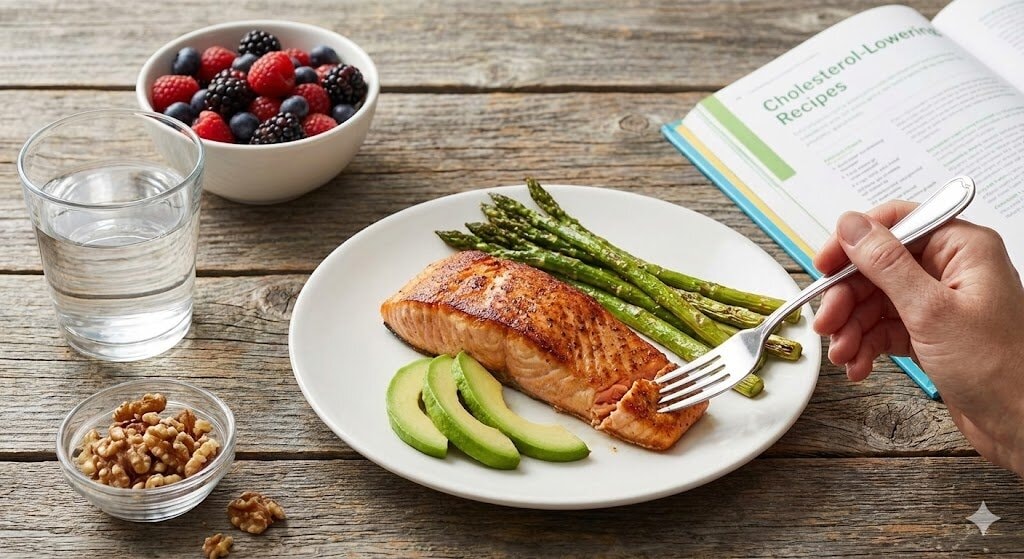
5. High Cholesterol
Healthy fats from olive oil and similar options support cholesterol balance without stressing digestion. These swaps offer steady energy rather than heaviness. This lets your daily schedule flow with foods that protect long term heart health.
How to place healthy fats
-
Use light amounts of healthy fats in daytime meals instead of heavy evening plates.
-
Swap fried foods for baked options or dishes cooked with minimal olive oil.
-
Keep late night eating very light to help digestion.
A well timed structure keeps meals satisfying without adding strain to the system.
6. Acid Reflux Or Digestive Sensitivity
Fresh fruits and green tea create a lighter pattern that supports digestion and reduces discomfort after meals. These choices prevent sudden acidity spikes and help meals settle well. This forms the base of a calmer routine.
Timing adjustments
-
Keep dinner earlier and avoid lying down soon after.
-
Use fresh fruits between meals, not directly after heavy dishes.
-
Drink green tea away from very oily or spicy meals.
These shifts give the digestive system the space it needs to work comfortably.
7. Low Energy Levels Or Chronic Fatigue
Nutrient rich foods and essential nutrients sustain steady energy through the day, especially when fatigue is frequent. These choices minimise dips and support mild recovery. This creates a smoother daily flow.
Effective timing ideas
-
Place the most nutrient dense meal before your most demanding task.
-
Avoid large lunches that can trigger afternoon sluggishness.
-
If you follow an indian diet plan, use simple dal, roti and sabzi combinations for lighter digestion.
When the schedule supports your energy curve, your daily routine becomes lighter to maintain and more consistent over time.
Daily Habits That Make Long Term Fat Loss Easier

Daily habits shape sustainable weight loss by reinforcing mindful eating, limiting sugary drinks and fried foods, improving physical activity patterns, and using nutrient rich foods that support steady progress.
“We are what we repeatedly do. Excellence, then, is not an act but a habit.”
-Aristotle
These healthy habits prevent weight gain and promote good health through consistent cues and predictable meals. This builds the foundation for the simple routines listed next.
1. Eating Meals At Consistent Times Each Day
Regular meal times give your body clear signals around hunger and fullness. When breakfast, lunch and dinner arrive at similar hours, mindful eating becomes easier and you are less tempted to graze between meals. This stable rhythm supports steady progress without feeling like you are watching the clock all day.
Ways to stabilise meal timing
-
Pick fixed time windows for each main meal and protect them like appointments.
-
Keep weekends within an hour of your weekday schedule.
-
Let work or study blocks sit around meals, not over them.
A day built around consistent timings makes every other habit more reliable.
2. Keeping A Stable Calorie Intake Throughout The Week
A stable calorie intake keeps your body from guessing whether a day will bring fewer calories or a sudden surplus. When you avoid sharp swings, cravings soften and energy feels more even. This steadiness supports a clear calorie deficit that works quietly in the background.
How to keep intake steady: try following a doctor-recommended 7 day diet to lower triglycerides and improve heart health.
-
Keep portion sizes similar from Monday to Sunday, not strict on weekdays and loose on weekends.
-
Use the same plate or bowl sizes to control serving volume.
-
Keep obvious avoid foods as rare events, not weekly anchors.
A calm pattern across the week gives your fat loss numbers room to move in the right direction.
3. Prioritizing Fibre Rich Foods In Most Meals
Fibre rich foods such as fresh fruits, whole wheat options, green peas and other nutrient rich foods slow digestion and keep meals satisfying. When most plates include at least one high fibre item, hunger arrives more gently and you snack less between meals.
Practical ways to add fibre
-
Include a fruit or salad with at least two main meals.
-
Swap a refined grain with a whole wheat or higher fibre option where possible.
-
Add lentils, beans or vegetables to curries and one pot meals.
Fibre turns each meal into a more dependable anchor in your schedule.
4. Drinking Enough Water Before And Between Meals
Steady hydration keeps digestion smoother and reduces the chance of mistaking thirst for hunger. Drinking enough water before and between meals supports blood volume, focus and appetite control. Simple habits here make the rest of your diet schedule easier to follow.
Helpful hydration habits
-
Drink a glass of water shortly after waking and before each main meal.
-
Keep a bottle near your workspace and refill it on a fixed routine.
-
Use herbal teas or green tea as part of your fluid intake, not sugary drinks.
When your body is well hydrated, meal timing and portion choices feel more controlled.
5. Limiting High Sugar Snacks To Control Blood Sugar
High sugar snacks, sugary drinks and fried foods push blood sugar up quickly, then drop it just as fast. These swings often trigger more cravings and extra snacking. Limiting these items to rare occasions keeps your blood sugar curve smoother and aligns better with a stable diet schedule.
Ways to reduce sugar heavy choices
-
Keep sweets and fried snacks out of daily visibility and buy them in small amounts.
-
Replace sugary drinks with water, herbal tea or plain coffee.
-
Use a simple rule such as one small treat on one or two days of the week.
Stable blood sugar reduces urgency around food and gives your schedule more control.
6. Adding Short Walks After Lunch Or Dinner
Short walks after lunch or dinner help your body use circulating glucose more efficiently and support digestion. These light bouts of physical activity also act as a mental reset after long sitting periods. Over time, they anchor your day and pair movement with meals in a simple way.
How to fit walks into your routine
-
Start with 5 to 10 minutes of relaxed walking after one main meal.
-
Use nearby streets, building corridors or a terrace rather than waiting for a “perfect” route.
-
Treat the walk as non negotiable, just like brushing your teeth.
When movement ties into meals, your diet schedule begins to support more than just numbers on a scale.
7. Planning Groceries To Avoid Random Eating Choices
Grocery planning keeps your kitchen stocked for the diet schedule you want, not the one that happens by accident. When core food items and simple meal prep are in place, you are less likely to lean on instant noodles, heavy takeaways or random snacks. This planning quietly protects your long term goals.
Simple planning practices
-
Make a short list of go to breakfast, lunch and snack options and shop around them.
-
Keep a few freezer friendly items ready for busy days.
-
Prepare one or two components ahead, such as chopped vegetables or cooked lentils.
With these habits in place, your daily routine begins to reinforce the diet schedule instead of fighting it, which brings the focus naturally toward how you want to close your plan and maintain results over time.
Stay accountable with the Balance Bite Daily Habit Tracker that reinforces consistent meal timing and smarter snacking patterns.
FAQs
1. Can A Diet Chart Help Someone Who Works Night Shifts Maintain A Steady Routine?
Yes. A diet chart creates predictable meal slots during night hours, which keeps hunger stable and reduces random snacking. Focus on fixed eating windows, a protein rich first meal, and lighter options before sleeping to maintain rhythm and digestion.
2. How Do I Maintain Balanced Nutrition When My Meal Timings Change On Weekends?
Keep the same number of meals, shift them by no more than one hour, and retain your usual plate structure. A stable mix of protein, fibre and whole grains lets your nutrition stay balanced even if the weekend timetable moves.
3. What Should I Do If My Hunger Peaks Late At Night Even With A Structured Diet Schedule?
Add a small planned buffer, such as a protein snack or fruit, earlier in the evening. This controls the spike and prevents overeating late at night. Also check if your dinner is too light or too early.
4. Is A Diet Plan For Weight Management Still Effective If I Travel Frequently?
Yes, if you keep your meal frequency and portion sizes consistent. Choose simple meals like dal, rice, grilled options or salads, and avoid grazing during long travel periods. Routine matters more than location.
5. How Can I Control Emotional Eating Without Disrupting My Progress?
Identify the time of day emotional eating appears and place a structured snack or short walk there. Keep trigger foods out of reach, slow down your eating pace and use high fibre or protein options to stabilise appetite before emotions take over.
Conclusion
A clear schedule works best when you allow it to settle into your day at its own pace. Start by choosing one moment in your routine that feels easy to organise, then let the rest adjust around it. This gentle approach builds confidence without pressure and helps your appetite settle into a pattern you can trust.
As the rhythm becomes familiar, the structure holds on its own and guides you toward steadier choices with far less effort.
If you want a schedule that feels natural instead of forced, Balance Bite gives you personalised templates, meal timing reminders and simple food pairing ideas. Build your rhythm, one day at a time.




Leave a comment
Translation missing: en.blogs.comments.discription