

Indian food is often underestimated in weight loss conversations, yet it delivers a balance that many popular Western diets struggle to match. The strength of this weight loss in 1 month diet plan comes from the staples people already trust and eat daily.
These meals offer natural variety, steady energy and simple ingredients that support real fat loss without forcing extremes. Once you see how everyday Indian staples work inside a structured routine, the plan becomes easier to follow with confidence.
Why An Indian Diet With Everyday Staples Works Better Than Most Diet Plans
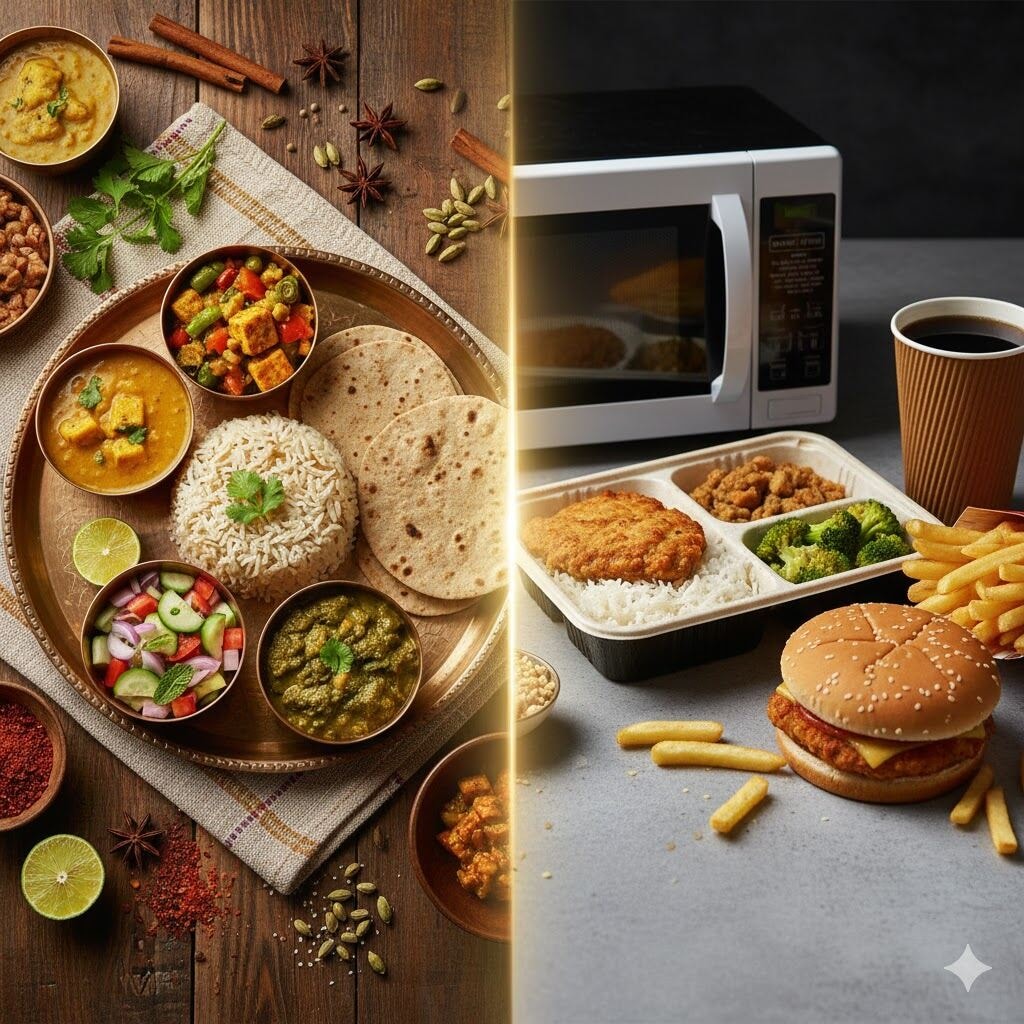
Indian meals naturally include complex carbohydrates, fresh fruits and nutrient dense foods that support sustainable weight loss without feeling restrictive. This balanced diet structure avoids poor eating habits and even prevents rapid weight loss meal plan Indian that backfires.
These everyday staples create a steady rhythm your body responds to, which opens up how this approach actually improves results.
| Factor | Indian Everyday Staples | Typical Western Diet Patterns |
|---|---|---|
| Complex carbohydrates | Comes from roti, rice, millets and other whole grains that provide slow energy | Often relies on refined grains that spike and crash energy levels |
| Daily vegetables | Includes fresh vegetables in almost every meal which improves essential nutrients | Often lower in vegetables and higher in convenience items |
| Cooking patterns | Uses spices and natural combinations that support digestion and satiety | Uses more cheese, butter and processed ingredients |
| Meal rhythm | Structured eating with breakfast, lunch and dinner that keeps calorie intake stable | Irregular eating that leads to overeating or skipped meals |
| Cultural habits | Encourages home cooked meals with mindful portions | Larger servings and more high calorie condiments |
This comparison shows how Indian staples create a more grounded eating rhythm that matches how the body manages energy and hunger. The next step is understanding how to build these patterns into a practical one month structure.
Indian Staple Diet Chart For One Month That Supports Healthy Fat Loss
A structured Indian diet chart for one month works because it uses traditional meals built around filling meals, vegetable stir fry options and fresh fruit salad pairings that support fat cells reduction over time.
These familiar meals make it easy to stay consistent without relying on processed ideas of a weight loss diet. The next step is seeing how the chart fits into real routines.
Weight Loss Diet Plan Table For Women
(1200 to 1400 kcal per day)
| Meal | What To Eat | Calories |
|---|---|---|
| Early Morning | Warm lemon water or green tea | 10 |
| Breakfast | 2 idlis with sambar or vegetable poha 1 cup | 250 |
| Mid Morning Snack | 1 fruit or buttermilk 1 glass | 80 |
| Lunch | 1 cup brown rice or 2 rotis, dal 1 cup, sautéed veggies 1 cup | 380 |
| Evening Snack | Roasted chana 1 handful or Greek yogurt 1 small bowl | 120 |
| Dinner | 2 rotis or 1 cup vegetable khichdi, salad bowl | 100 |
| Before Bed | Warm turmeric milk 100 ml or chamomile tea | 40 |
| Daily Total | 1200 to 1300 kcal |
This table outlines a complete four week structure you can follow without changing the portions or timing.
Weight Loss Diet Plan Table For Men
(1500 to 1700 kcal per day)
| Meal | What To Eat | Calories |
|---|---|---|
| Early Morning | Warm lemon water or green tea | 10 |
| Breakfast | Vegetable oats 1.5 cups or 3 egg omelette with veggies | 350 |
| Mid Morning Snack | 1 fruit or coconut water | 100 |
| Lunch | 1 cup brown rice or 3 rotis, dal 1 cup, paneer or chicken 120 g | 480 |
| Evening Snack | Peanut chaat or grilled paneer sticks | 180 |
| Dinner | 2 rotis or 1.5 cups khichdi with sabzi and salad | 350 |
| Before Bed | Warm turmeric milk or chamomile tea | 40 |
| Daily Total | 1500 to 1600 kcal |
Follow this four week pattern as it is, since repetition builds rhythm and helps the body respond steadily.
A one month plan built on Indian staples stays sustainable because each meal sits close to how the body already eats, which keeps energy steady and hunger predictable. It gives structure without pressure, so consistency becomes easier than constant discipline.
“Eating real, familiar food is the fastest path to lasting health.” – Sanjeev Kapoor
This steady rhythm shapes the results you can expect, and that is where the focus naturally moves next.
“Start your personalized nutrition plan and see results in just 4 weeks!”
Realistic Weight Loss Expectations For One Month
Many people hope for rapid weight loss, but steady results depend on how calorie intake, body fat levels and potential weight gain patterns shift week by week. A healthy plan for weight loss focuses on gentle changes your body can maintain.
Setting clear expectations helps you understand what this journey actually looks like over thirty days.
Week By Week Pattern For One Month
-
Week 1: Water loss and bloating reduce first, so the scale may drop faster than actual body fat. Clothes often feel slightly lighter.
-
Week 2: Fat loss begins to contribute more as your calorie intake stays consistent, and hunger patterns start to stabilise.
-
Week 3: Progress usually slows, yet inch loss around waist and hips gives a clearer picture than the weighing scale alone.
-
Week 4: Results depend on how closely you follow the plan and manage potential weight gain from social meals or late snacks.
This four week rhythm shows why one month results depend more on consistency than on any single “perfect” day of eating.
Realistic Numbers For Healthy Fat Loss
-
Most people with higher body fat can expect around 1.5 to 3 kilos of loss in a month with a sensible calorie deficit.
-
Those already near a healthy weight often see slower movement, closer to 0.5 to 1.5 kilos in the same period.
-
Inch loss, better energy, and fewer cravings often appear before big changes on the scale.
-
Very large drops usually signal water loss or extreme restriction, not sustainable weight loss.
Seeing these ranges in advance keeps expectations grounded and reduces the urge to chase extreme targets that rarely hold.
Signals Your Plan Is Working, Even If Scale Is Slow
-
You wake up less heavy or sluggish after dinner, even when the weighing scale barely shifts.
-
Hunger feels more predictable across the day instead of coming in sharp spikes and crashes.
-
You recover faster from walks or workouts and feel more willing to move.
-
Cravings for sugary drinks and heavy snacks reduce as your meals become more structured.
These signs show the plan is reshaping your habits, not just your weekly weigh in, and that matters more for long term results.
When To Adjust Your One Month Plan
-
You feel constantly drained or lightheaded, which signals your calorie intake may be too low for your routine.
-
You wake up hungry at night or binge on weekends, which often points to poor balance across weekday meals.
-
Your digestion feels off for more than a few days, which can mean fibre, water or meal timing need correction.
-
The scale does not move at all after three weeks, even though you followed the structure closely.
These checkpoints help you fine tune the plan early, so one month becomes a clear starting block, not a frustrating test.
Once this picture of realistic progress feels clear, it becomes much easier to focus on the daily habits that quietly move the numbers, and that is exactly what the next section builds on.
“Fine-tune your plan with a certified nutritionist today!”
5 Habits That Make Any Diet Plan Easier To Follow
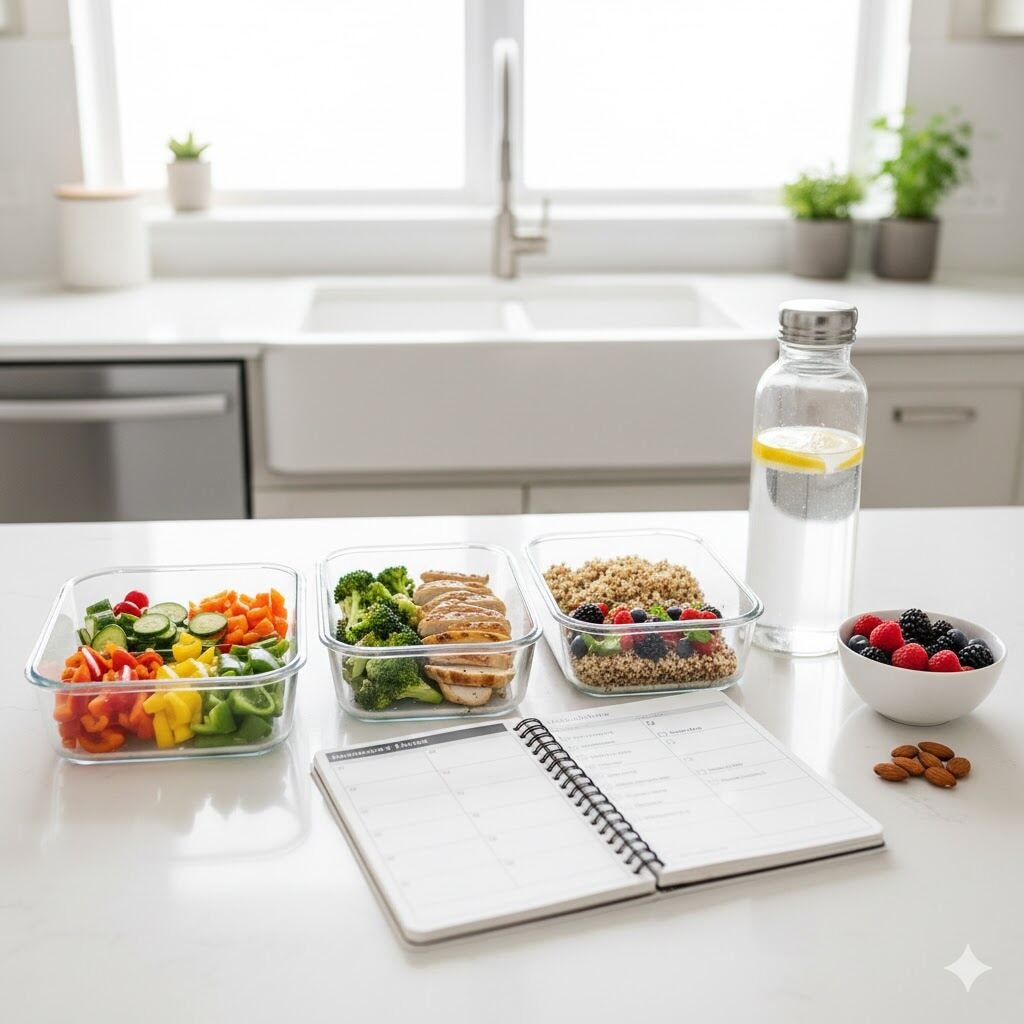
Small adjustments like reducing sugary drinks, planning a mid morning snack or adding fresh fruits make any weight loss diet plan easier to follow without relying on extremes. These shifts support sustainable weight loss because they change routines, not just meals.
Understanding how these habits work together makes the full picture clearer.
1. Drink Water Before Every Meal
This habit works like a quiet anchor for your weight loss efforts. A glass of plain water or warm water with a little lemon juice before meals slows your pace, controls appetite and supports digestion. It also leaves less room for sugary drinks that add empty calories.
-
Drink 1 glass of water 10 to 15 minutes before each main meal.
-
Use this pause to scan hunger levels before serving your plate.
-
Replace sweetened beverages with water most days of the week.
-
Keep a small bottle nearby so the routine feels automatic.
Over time, this simple pause makes main meals calmer and more deliberate, which strengthens every other change you make around food.
2. Pair Morning Tea With A Short Mobility Routine
Linking your first cup of tea with movement builds consistency without feeling like a workout block. Gentle stretches, ankle rolls or a five minute walk around the house switch on circulation and quietly boost metabolism for the day ahead.
-
Keep mobility light so it feels easy to repeat daily.
-
Use cues like “kettle on, start stretches” to lock the habit in.
-
Combine this with traditional indian breakfast dishes that are light yet filling, such as idli or upma.
-
Avoid scrolling on your phone during this window to keep focus on the routine.
This pairing turns a passive morning into an active start, which prepares you for better food choices across the day.
3. Add A Vegetable Portion To Every Lunch
A steady vegetable habit makes any plate more filling with fewer calories. Whether you choose steamed veggies, a quick vegetable stir fry or a bowl of cucumber and carrot sticks, fibre and colour improve the health benefits of your usual meals.
-
Aim for at least one katori of vegetables at every lunch.
-
Rotate options like sautéed veggies grilled chicken, or steamed vegetables fish if you eat non veg.
-
Use a spoon of olive oil instead of heavy gravies to keep the plate lighter.
-
On busy days, rely on leftover brown rice stir frying with mixed vegetables as a shortcut.
Once vegetables become a non negotiable part of lunch, the rest of your plate can stay flexible without pulling you away from your goals.
4. End Dinner With A Five Minute Walk
A short walk after dinner is small in effort but large in effect. It helps digestion, reduces late night heaviness and keeps blood sugar swings calmer, which all support long term fat loss.
-
Walk near home so the habit feels safe and repeatable.
-
Keep the pace relaxed, like a cool down, not a workout.
-
Use this time to check in with how full you feel after dinner.
-
Keep the same route most days so decision making stays low.
This quiet ritual signals the end of eating for the day and gently reinforces that your body, not the clock, closes the kitchen.
5. Prep One Healthy Food Snack Right After Breakfast
Preparing one snack when the kitchen is already active prevents random grazing later. A small box of nuts and berries oats, chia seeds greek yogurt or sliced cucumber and carrot sticks gives you a planned break instead of a rushed choice.
-
Choose options that stay stable at room temperature for a few hours.
-
Rotate ideas like steamed vegetables fish pieces or grilled paneer bites if you prefer savoury.
-
Store the snack where you work so it replaces impulse ordering.
-
Keep portions modest so they support, not derail, your calorie guidelines.
This single act of planning keeps your weight loss efforts steady during the most distracted hours of the day.
“Small, repeated choices shape long-term results more than occasional extremes.” – Deepika Chopra
When these habits sit inside a familiar indian diet plan, they turn everyday meals into a stable system, and that stability makes your evening snack choices much easier to shape with intention.
Smart Evening Snack Choices For Healthy Weight Maintenance With Simple Healthy Foods

Evening cravings are easier to manage when you rely on healthy snacks that stabilize appetite and avoid excessive salt processed foods. Choosing a nutritious evening snack with nutrient dense foods prevents overeating at dinner and supports long term weight loss progress.
Seeing which snack combinations truly help will guide your choices for busy evenings.
1. Nuts And Roasted Chana Mix
This mix works well when you want something quick but filling. It keeps energy stable without pulling you toward refined grains. A small portion feels enough and prevents overeating later.
2. Fruit Bowl With Chia Seeds
A light bowl supports steady energy and sits easy on the stomach. It brings natural sweetness without sugary drinks and helps you stay aligned with healthier choices as the day winds down.
3. Sprouts And Veggie Bowl
This bowl fits a clean routine because it comes with fresh vegetables that support fullness without excess calories. It keeps your snack time simple and helps you avoid processed foods.
4. Greek Yogurt With Seeds
A creamy option that adds steady satisfaction and carries nutrient dense foods in the right balance. It works well when you want something light but still structured enough to prevent random cravings.
5. Grilled Fish Bites
A protein rich snack that feels clean and digestible. It pairs well with fresh fruits or vegetables if you want a little more volume. It helps you maintain control during evening hunger waves.
6. Vegetable Poha Cup
A warm option that fits traditional Indian eating patterns. The light use of whole grains keeps it steady and manageable. It works for people who prefer savory snacks without going heavy.
7. Whole Wheat Vegetable Sandwich
A simple choice that feels familiar and balanced. It uses whole grains in a way that keeps evening hunger steady and predictable. Perfect for people who prefer something structured without excess preparation.
8. Paneer Tikka Sticks
This snack supports calm and steady fullness. It works well in a controlled diet where you want comfort without slipping into poor eating habits. Easy to prepare and easier to portion.
9. Millet Khakhra With Mint Dip
A crunchy option that carries whole grains in a clever way. It satisfies grazing urges while keeping calorie intake under control. This snack works best for people who struggle with late evening cravings.
10. Boiled Egg Pair With Salad
A reliable snack with clean ingredients and a steady satiety effect. It pairs well with fresh vegetables and keeps your evening routine predictable. Good for people who want something minimal without losing structure.
Choosing snacks with this kind of structure keeps evenings calm and predictable, which protects the progress you build through the day. Once this part of the routine feels steady, it becomes easier to notice where health risks still appear during a one month weight loss journey.
Common Health Risks During A One Month Weight Loss Journey
A one month plan can trigger health risks if choices are too restrictive, especially when calorie intake drops too fast or meals lack steamed vegetables, fresh fruits or other essential nutrients. Sudden cuts often raise the chance of rapid weight loss rebound or potential weight gain later.
Understanding these risks gives more control over your plan.
1. Nutrient Deficiencies
Low variety or strict rules can cut out food groups that carry essential vitamins and minerals. When that happens, immunity, hair quality and energy quietly slip even while you lose weight on the scale. Planning simple rotations of dals, vegetables and fruits keeps this risk low.
2. Low Energy Levels
Sharp calorie cuts drain energy faster than most people expect. When intake stays below what your day really needs, workouts and daily tasks start to feel heavy and slow. If you're hitting a plateau in your weight loss journey, matching your diet plan with your routine keeps fatigue from becoming a constant background feeling.
3. Unstable Blood Sugar
Skipping meals or eating only refined choices can cause blood sugar swings that turn hunger into urgency. These dips often trigger evening overeating or random snacking. Regular meal timing and fibre rich foods keep appetite steady enough to make better decisions.
4. Muscle Loss
When protein stays low for weeks, the body starts using muscle tissue for fuel. This shrinks overall strength and makes future fat loss harder. Keeping lentils, paneer, curd or eggs in the plan protects muscle even while body fat comes down.
5. Metabolic Slowdown
Extreme restriction tells the body to conserve energy. Over time, this slowdown can reduce fat burning and make the same calorie intake less effective. A controlled approach that allows enough food to function well keeps metabolism from slipping into defence mode.
6. Digestive Issues
Sudden changes in fibre, water and meal timing can unsettle digestion. Some people notice bloating, constipation or discomfort when portions drop without enough roughage. Steady intake of fresh fruits, salads and lightly steamed vegetables keeps the gut rhythm more predictable.
7. Mood Swings And Irritability
Tight intake and long gaps between meals can unsettle mood and focus. The brain reacts quickly when blood sugar and energy dip at the same time. Planned snacks and meals take the edge off, so decisions stay calmer through the day.
8. Hormonal Imbalance
Strong restriction can disturb hormones that regulate appetite, stress and fullness. When these signals misfire, cravings rise and it becomes harder to practice portion control in social or stressful situations. A measured routine keeps these systems working with you instead of against you.
9. Poor Sleep Quality
Late heavy dinners or very low calories can both interfere with deep sleep. The body struggles to rest when it is either too full or still hungry. An early, lighter dinner with enough protein and fibre supports sleep that actually helps recovery.
10. Rebound Weight Gain
Fast results built on harsh rules rarely last. When the routine breaks, the body often regains weight quickly, especially if old habits return at full strength. People who learn to lose weight through consistent meals and stable habits find it easier to hold their new baseline.
Every risk here has a quieter alternative that still supports progress, and those safer choices become clearer once you start tracking results in a calmer, more structured way.
Simple Ways To Track Progress Without Obsessing Over The Scale
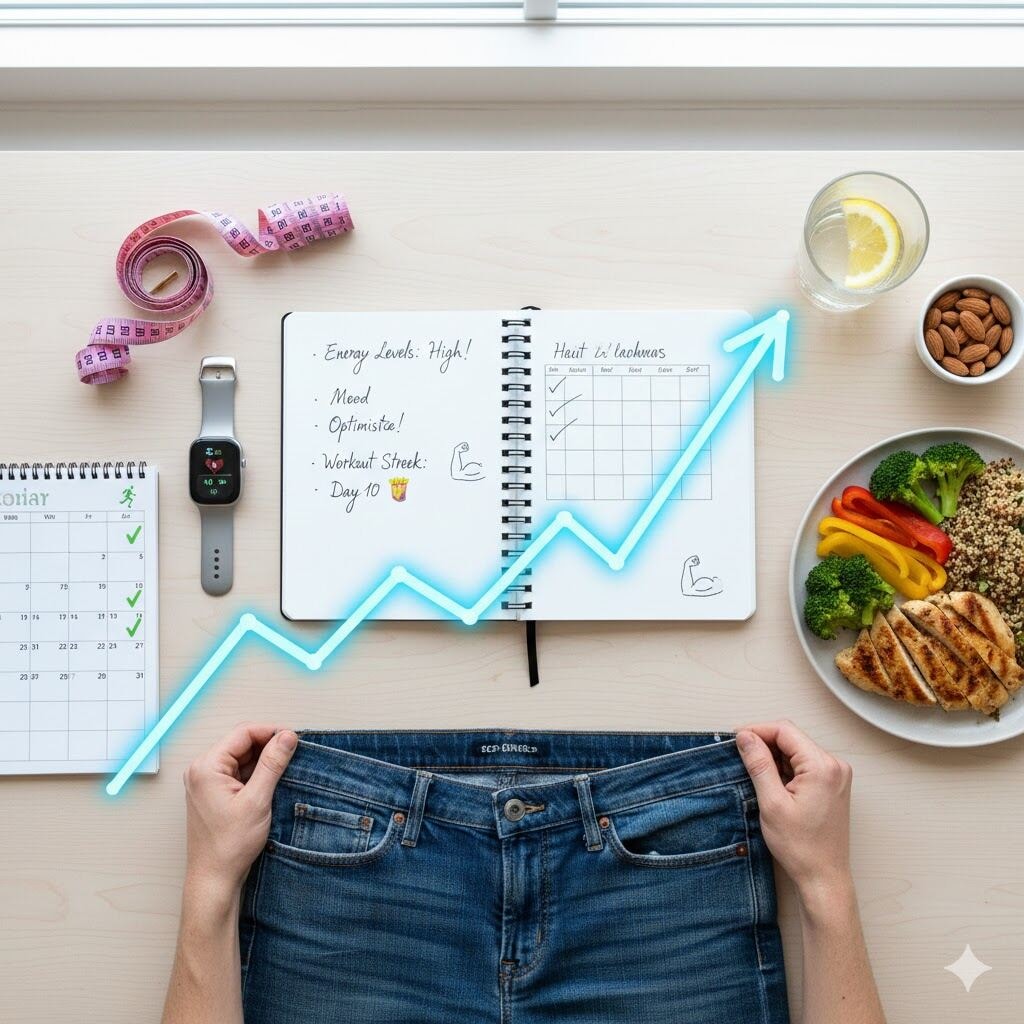
Tracking progress through non scale markers like energy levels, meal consistency and your exercise plan offers a clearer picture than weight alone. It also reflects improvements in sustainable weight loss habits without the pressure of daily numbers.
“Your body notices patterns, not perfection.” – Rujuta Diwekar
These small markers show what is changing beneath the surface and help refine your next steps, such as choosing the right 1000 calories diet plan (Indian style) for sustainable fat loss.
1. Energy And Mood Checks
A stable rise in day to day energy or fewer afternoon dips shows that your body is responding well. Small mood lifts often appear before any visible change.
What To Observe
-
More steady mornings
-
Fewer evening crashes
-
A calmer rhythm during physical activity
2. Appetite And Craving Patterns
Improved appetite control signals better regulation, especially for people with higher body weight who struggle with irregular hunger waves.
Signs Of Improvement
-
Shorter craving windows
-
Less urge for late night snacking
3. Meal Quality And Consistency
Better choices show up long before weight changes do. Structured meals reduce chaos and build sustainable rhythm.
What Counts As Progress
-
Regular inclusion of fresh vegetables
-
Fewer impulsive decisions
4. Strength And Endurance Markers
Strength gains often show up through small improvements like climbing stairs with less effort or finishing walks faster.
Track These Weekly
-
How long you can walk without stopping
-
How quickly your breathing settles
-
How light daily tasks feel
5. Body Feedback Signals
Your body often tells the story earlier than the scale can. Consistent sleep, smoother digestion and reduced bloating are all progress markers.
Positive Shifts
-
Easier mornings
-
More predictable digestion
-
Lower water retention through the day
These markers help you see progress in a practical way, and they prepare you for the strategies that strengthen your routine over the next month.
“Track your progress smartly and stay on target without the scale stress.”
FAQs
1. Can I Follow This Plan If I Don’t Eat Brown Rice Every Day?
Yes. You can rotate other whole grains like millets or wheat roti and still stay within a steady calorie intake. Brown rice is optional, not mandatory. What matters is consistency, portion control, and avoiding refined grains that slow your progress.
2. How Do I Handle Social Events Without Breaking My One Month Routine?
Scan the menu and pick simple fresh fruits, grilled options, or vegetable soup. This keeps your calorie intake predictable and avoids sugary drinks or processed foods that disrupt your rhythm. One mindful eating choice is enough to stay on track.
3. What Should I Do If My Hunger Levels Suddenly Increase Midway Through The Month?
Increase volume through steamed vegetables or a light vegetable stir fry. These support satiety without raising calorie intake. Sometimes hunger spikes come from low essential vitamins or water intake, so check both before adjusting meals.
4. How Can Vegetarians Meet Their Protein Needs Without Relying On Supplements?
Rely on lentils, paneer, Greek yogurt, sprouts, and sautéed veggies paired with lean protein sources available in vegetarian form. These foods support essential nutrients, help control body fat, and fit easily into any structured diet plan.
5. Is It Normal For Weight Loss To Slow Down In The Third Week?
Yes. Your weight loss progress usually steadies as your body adjusts. Fat loss becomes slower once initial water shifts settle, especially if calorie intake is already balanced. Focus on sustainable weight loss instead of rapid weight loss patterns.
Conclusion
By anchoring your plan in everyday Indian staples and thoughtfully structured meals, you create a rhythm that supports sustainable fat loss.
Pair this with mindful habits, balanced portions, and consistent routines, and you’ll turn short-term efforts into lasting results. Let these choices guide your journey with clarity, control, and steady progress.




Leave a comment
Translation missing: en.blogs.comments.discription