

Weight loss with PCOS rarely stalls due to lack of effort. It stalls because the body reacts differently to food, insulin signals, and hunger patterns that most diets fail to address.
Doctors and nutrition experts now agree the best diet for PCOS weight loss is not about eating less. It focuses on food choices that steady insulin levels, support hormones, and reduce symptoms without draining the body.
These seven diet approaches reflect what clinicians rely on in real practice. Each one shows how structured eating supports weight loss while keeping PCOS symptoms stable.
7 Different Diet Plans That Work Best for PCOS Weight Loss and Symptom Management
Different diet plans work for PCOS weight loss because people with PCOS respond differently to food based on insulin resistance, blood sugar patterns, and symptom severity.
A structured PCOS diet focuses on stability, not restriction, helping manage symptoms while improving weight management and overall health. Each approach below addresses specific metabolic needs through food choices that support sustainable progress.
1. Low Glycemic Index Diet Plan for PCOS Weight Loss
A low glycemic index approach focuses on low GI foods and low GI diets that keep blood sugar stable and reduce spikes that worsen insulin resistance.
This diet plan supports managing PCOS by improving insulin sensitivity, lowering belly fat risk, and helping people with PCOS lose weight steadily without triggering cravings or fatigue.
| Meal | Food Items | Portion Size | Approx Calories |
|---|---|---|---|
| Breakfast | Vegetable oats porridge | 1 bowl | 300 |
| Nuts topping | 1 teaspoon | 40 | |
| Mid Morning | Apple | 1 medium | 80 |
| Lunch | Brown rice | ¾ cup cooked | 165 |
| Kidney beans curry | ¾ cup | 170 | |
| Non starchy vegetables | 1 cup | 60 | |
| Evening Snack | Mixed salad | 1 bowl | 60 |
| Green tea | 1 cup | 0 | |
| Dinner | Vegetable dal | 1 bowl | 220 |
| Steamed vegetables | 1 cup | 80 | |
| Daily Total | 1,400–1,450 kcal | ||
2. Mediterranean Diet Plan With Healthy Fats for PCOS
This diet plan emphasizes olive oil, whole grains, foods rich in antioxidants, and balanced fat intake to support hormonal balance and cardiovascular disease prevention.
For PCOS patients, healthy fats help regulate insulin levels, improve overall health, and reduce inflammation that can aggravate PCOS symptoms over time.
| Meal | Food Items | Portion Size | Approx Calories |
|---|---|---|---|
| Breakfast | Whole grain toast | 1 slice | 90 |
| Avocado spread | 2 tablespoons | 80 | |
| Boiled egg | 1 | 70 | |
| Mid Morning | Orange | 1 medium | 70 |
| Lunch | Grilled vegetables | 1 cup | 120 |
| Chickpea salad | 1 bowl | 220 | |
| Olive oil dressing | 1 teaspoon | 40 | |
| Evening Snack | Nuts mix | Small handful | 120 |
| Dinner | Grilled fish or tofu | 100 g | 200 |
| Steamed vegetables | 1 cup | 80 | |
| Daily Total | 1,450–1,500 kcal | ||
3. High Protein Diet Plan Using Lean Proteins for PCOS
A high protein PCOS diet plan prioritizes lean proteins to improve insulin sensitivity, preserve muscle, and reduce excess weight. Adequate protein intake helps manage blood sugar levels, supports body fat reduction, and promotes weight loss by improving satiety and metabolic stability in people with PCOS.
| Meal | Food Items | Portion Size | Approx Calories |
|---|---|---|---|
| Breakfast | Paneer bhurji | 80 g paneer | 220 |
| Whole wheat roti | 1 | 100 | |
| Mid Morning | Greek yogurt | ½ cup | 80 |
| Lunch | Grilled chicken or tofu | 120 g | 220 |
| Brown rice | ½ cup | 110 | |
| Vegetables | 1 cup | 60 | |
| Evening Snack | Roasted chana | 1 handful | 120 |
| Dinner | Lentil soup | 1 bowl | 220 |
| Salad | 1 bowl | 40 | |
| Daily Total | 1,400–1,450 kcal | ||
4. Anti Inflammatory Healthy Diet Plan to Manage PCOS Symptoms
An anti inflammatory healthy diet focuses on nutrient dense foods that improve PCOS symptoms and reduce chronic inflammation.
This approach helps manage symptoms such as excess hair growth and fatigue while supporting hormonal balance, overall health, and long term PCOS management without worsening insulin resistance.
| Meal | Food Items | Portion Size | Approx Calories |
|---|---|---|---|
| Breakfast | Turmeric vegetable upma | 1 bowl | 300 |
| Mid Morning | Papaya | 1 cup | 70 |
| Lunch | Millet roti | 1 | 110 |
| Vegetable curry | 1 bowl | 180 | |
| Salad | 1 bowl | 40 | |
| Evening Snack | Green tea | 1 cup | 0 |
| Seeds mix | 1 tablespoon | 80 | |
| Dinner | Vegetable soup | 1 bowl | 180 |
| Steamed vegetables | 1 cup | 80 | |
| Daily Total | 1,350–1,400 kcal | ||
5. Balanced Vegetarian Diet Plan for PCOS and Insulin Levels
A balanced diet built around whole grains, brown rice, kidney beans, non starchy vegetables, and seeds dinner rice supports insulin levels naturally.
This vegetarian PCOS diet focuses on improving insulin resistance, maintaining a healthy weight, and managing PCOS symptoms through consistent, plant based nutrition.
| Meal | Food Items | Portion Size | Approx Calories |
|---|---|---|---|
| Breakfast | Vegetable poha | 1 bowl | 280 |
| Mid Morning | Guava | 1 medium | 80 |
| Lunch | Brown rice | ¾ cup | 165 |
| Mixed dal | ¾ cup | 200 | |
| Mixed vegetables | 1 cup | 60 | |
| Evening Snack | Peanuts | Small handful | 120 |
| Dinner | Vegetable khichdi | 1 bowl | 280 |
| Daily Total | 1,400–1,450 kcal | ||
6. Dairy Smart Diet Plan: When You Can Drink Milk With PCOS
This approach explains when people with PCOS can drink milk without worsening symptoms. Choosing the right portions and timing, including options like sleeping warm milk, helps regulate insulin levels and manage blood sugar levels while avoiding digestive stress that may aggravate PCOS symptoms.
| Meal | Food Items | Portion Size | Approx Calories |
|---|---|---|---|
| Breakfast | Vegetable omelette or paneer | 2 eggs or 60 g paneer | 200 |
| Whole wheat toast | 1 slice | 90 | |
| Mid Morning | Curd | ½ cup | 70 |
| Lunch | Rice | ½ cup | 110 |
| Dal | 1 bowl | 220 | |
| Vegetables | 1 cup | 60 | |
| Evening Snack | Fruit | 1 small | 70 |
| Dinner | Vegetable curry | 1 bowl | 200 |
| Bedtime | Warm milk | ½ cup | 70 |
| Daily Total | 1,450–1,500 kcal | ||
7. Sustainable Diet Plan That Helps Manage Symptoms and Lose Weight
A sustainable diet plan supports weight management through healthy habits rather than restriction. It helps reduce excess weight, promote weight loss, and maintain hormonal balance while fitting daily routines. This approach is central to managing PCOS long term without burnout or repeated setbacks.
| Meal | Food Items | Portion Size | Approx Calories |
|---|---|---|---|
| Breakfast | Idli with sambar | 2 idlis + sambar | 300 |
| Mid Morning | Fruit | 1 medium | 80 |
| Lunch | Rice | ¾ cup | 165 |
| Vegetable curry | 1 bowl | 200 | |
| Evening Snack | Salad | 1 bowl | 60 |
| Dinner | Light dal | 1 bowl | 220 |
| Vegetables | 1 cup | 80 | |
| Daily Total | 1,450–1,500 kcal | ||
Once a full day comes together like this, patterns become easier to repeat. The next section breaks down how to adjust portions and food choices across days without losing balance or consistency.
Want help choosing the right plan for your body?
MyBalanceBite breaks down PCOS diets with clear portions, simple swaps, and real-life guidance you can follow daily.
Foods to Eat and Strictly Avoid in a PCOS Weight Loss Diet
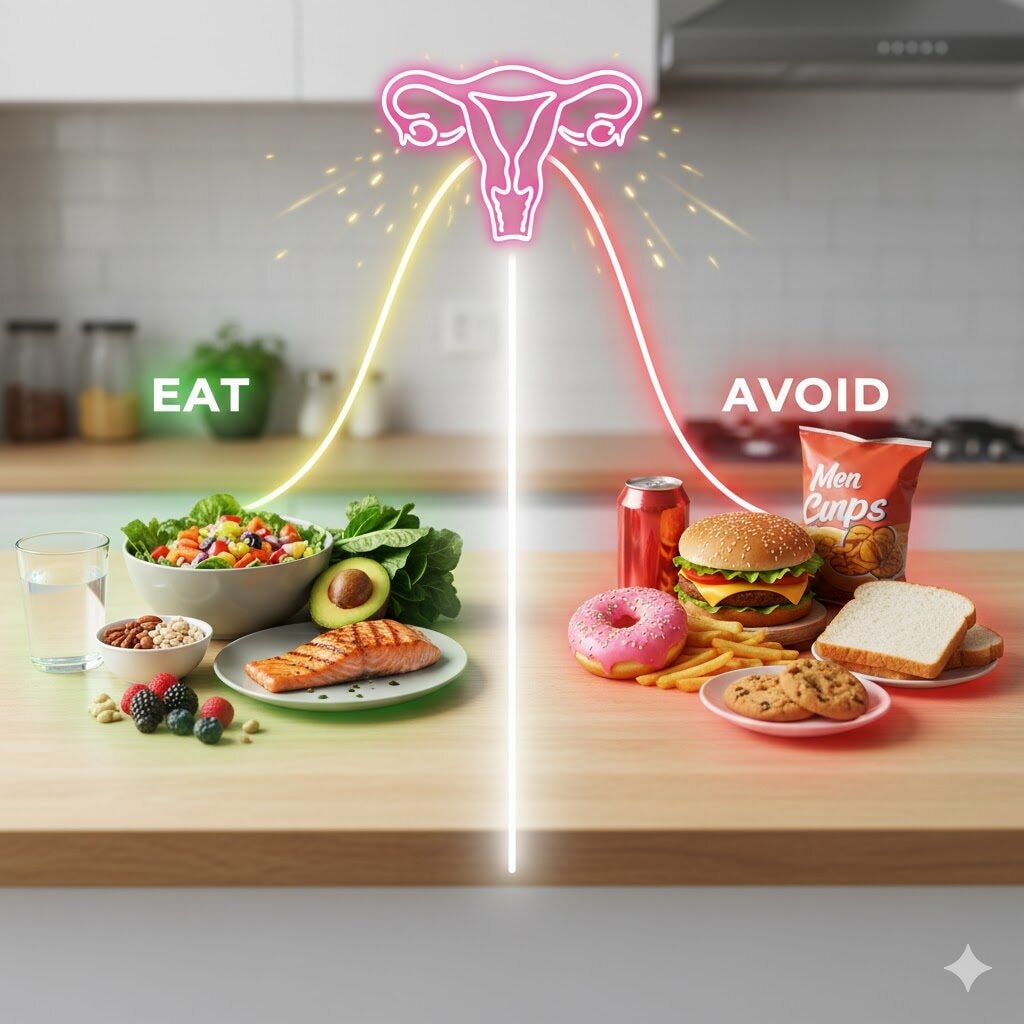
Food choices directly influence insulin resistance, weight gain, and whether symptoms improve or worsen PCOS symptoms.
Whole foods like low GI foods, whole grains, and nutrient dense foods support balance, while processed foods, fried foods, sugary foods, processed meats, trans fats, white bread, soft drinks, energy drinks, and sugary snacks can aggravate PCOS symptoms.
This separation explains why certain foods support results and others consistently block them.
Foods to Eat
1. Whole Grains
Whole grains such as brown rice, millets, quinoa, and oats provide steady energy and fiber. They help manage blood sugar levels and reduce sharp insulin spikes that interfere with weight loss and PCOS management.
2. Low GI Foods and Legumes
Low GI foods like lentils, chickpeas, kidney beans, and green gram release glucose slowly. These foods support insulin sensitivity and help maintain stable energy throughout the day.
3. Non Starchy Vegetables
Non starchy vegetables including spinach, broccoli, cauliflower, beans, capsicum, and bottle gourd add volume without excess calories. They improve fullness, support digestion, and assist in managing PCOS symptoms.
4. Lean Proteins
Lean proteins such as eggs, paneer, tofu, fish, and dal help preserve muscle mass and control hunger. Adequate protein intake supports weight management and improves metabolic stability.
5. Healthy Fats
Healthy fats from olive oil, nuts, seeds, and peanuts support hormonal balance and nutrient absorption. When used in controlled portions, they help reduce inflammation and improve overall health.
6. Fruits in Controlled Portions
Fruits like apple, guava, pear, and berries provide vitamins and fiber. Portion control matters to avoid blood sugar spikes while still gaining nutritional benefits.
Foods to Strictly Limit or Avoid
1. Refined Carbohydrates
Refined carbohydrates such as white bread, maida roti, bakery products, and refined cereals digest quickly and raise insulin levels. These foods often worsen PCOS symptoms and promote weight gain.
2. Sugary Foods and Snacks
Sugary foods including sweets, chocolates, pastries, and sugary snacks increase blood sugar rapidly. Frequent intake can aggravate PCOS symptoms and disrupt hormonal balance.
3. Processed and Packaged Foods
Processed foods like packaged snacks, instant noodles, ready meals, and processed snacks contain additives and refined oils that interfere with metabolic health and insulin regulation.
4. Fried Foods and Trans Fats
Fried foods such as chips, pakoras, and items high in trans fats increase inflammation. These foods worsen insulin resistance and slow weight management efforts.
5. Sugary Beverages
Soft drinks, energy drinks, and sweetened juices deliver large sugar loads without satiety. Regular intake destabilizes blood sugar control and adds empty calories.
6. Processed Meats
Processed meats like sausages and salami contain unhealthy fats and preservatives. These foods add inflammatory stress and offer little nutritional benefit for people with PCOS.
Clear grouping like this reduces confusion and supports consistent daily choices.
For ingredient-level clarity and portion guidance, MyBalanceBite offers PCOS food lists that simplify everyday decisions without guesswork.
Meal Timing and Portion Control in a PCOS Diet Plan
Meal timing and portions shape blood sugar stability as much as food quality. Structured meal food options morning, balanced salad evening snack choices, and thoughtful combinations like nuts breakfast paneer paratha or peanuts dinner vegetable khichdi help avoid spikes.
Including green tea or sleeping herbal tea further supports regulation through the day.
This structure shows how daily timing keeps insulin levels steady.
Midday balance
Build lunch around a clear plate structure, one portion whole grains, two portions non starchy vegetables, and one portion protein. This balance reduces afternoon fatigue.
Evening control
Use a balanced salad evening snack with peanuts if hunger appears, followed by green tea when suitable.
Dinner lightness
Keep dinner lighter than lunch and finish earlier when possible. Options like peanuts dinner vegetable khichdi with vegetables support digestion and blood sugar stability.
Bedtime support
If needed for sleep, choose sleeping herbal tea rather than late snacks.
Portion Control That Stays Practical
-
Proteins, one palm sized portion per meal
-
Whole grains, ½ to ¾ cup cooked per meal
-
Vegetables, at least half the plate
-
Healthy fats, one to two teaspoons or a small handful
These simple anchors reduce guesswork and prevent overeating without calorie tracking.
When timing and portions feel consistent, understanding how quickly weight changes can occur becomes clearer, which is where the next section places its focus.
MyBalanceBite focuses on timing, portions, and balance rather than rigid rules, helping PCOS routines feel structured yet flexible.
How Fast You Can Lose Weight With the Right PCOS Diet Plan?
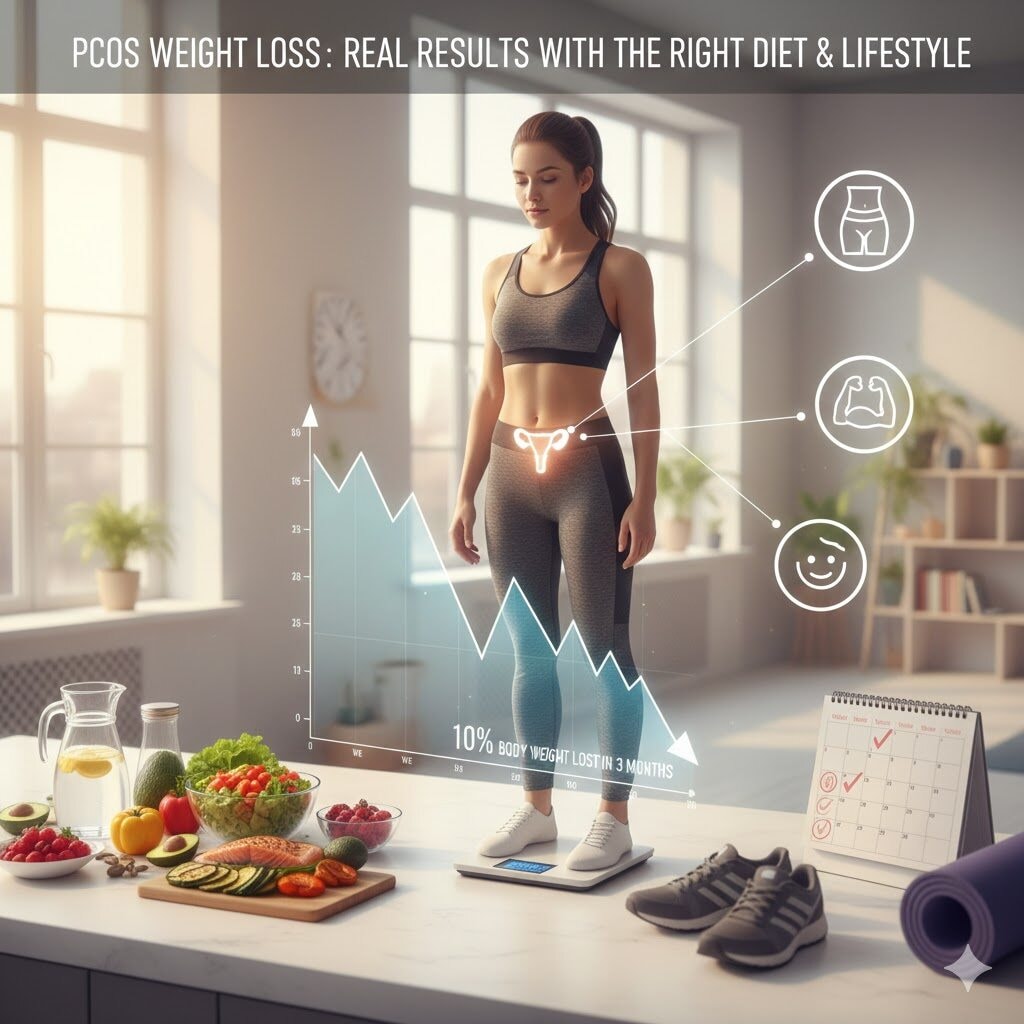
Weight loss speed with PCOS depends on insulin resistance, excess weight, body fat distribution, and whether habits support a healthy weight. Rapid drops are rare, but steady fat loss reduces weight gain over time when the diet addresses metabolic barriers rather than calorie cuts alone.
This sets realistic expectations for progress that lasts beyond short phases.
What “Fast” Usually Looks Like With PCOS
Most progress shows up as steady weekly change, not dramatic shifts. A PCOD diet plan works best when it supports insulin control and helps balance hormones through consistent meals.
-
A realistic pace is often 0.25 to 0.75 kg per week for many people with PCOS
-
Early changes may show in bloating reduction and waist measurement before the scale changes
-
Body fat loss can continue even when weight loss slows for a short period
What Makes Results Faster for Some People
Speed depends on whether the diet plan reduces insulin resistance and keeps blood sugar stable across the day.
-
Higher protein and fiber meals improve fullness and reduce cravings
-
Low glycemic index meals reduce insulin spikes and support fat loss
-
Consistent meal timing reduces repeated overeating in the evening
-
Better sleep supports appetite regulation and insulin response
A Simple Way to Track Progress Without Guesswork
A PCOD diet chart helps track consistency, not perfection. It also shows patterns you can correct early.
-
Track weight once a week, same time, same conditions
-
Track waist once a week since belly fat changes can appear earlier
-
Track energy and cravings as signs of improving insulin sensitivity
-
Track menstrual regularity since cycles often reflect hormonal balance
Example of a Realistic 4 Week Outcome
If meals are consistent and portions stay controlled, many people see one or more of these changes within a month.
-
1 to 3 kg weight loss depending on starting excess weight
-
Reduced cravings in the evening
-
Better energy through the afternoon
-
A noticeable change in waist measurement
Once expectations feel grounded, the next section becomes easier to apply because it shows how a healthy diet supports PCOS symptoms beyond weight loss.
7 Ways a Healthy Diet Helps Manage PCOS Symptoms Long Term
A healthy diet influences far more than weight loss in polycystic ovary syndrome PCOS. It improves insulin levels, stabilizes blood sugar, supports hormonal balance, reduces inflammation, and lowers reliance on fad diets.
Over time, consistent nutrition helps manage PCOS symptoms while protecting overall health and metabolic function.
These benefits explain why diet remains central to long term PCOS management.
1. Improves Insulin Levels and Blood Sugar Control
A structured PCOS diet helps regulate insulin levels and maintain blood sugar stable throughout the day. By choosing low glycemic index foods and limiting sugary foods, this benefit directly supports managing PCOS and reduces the metabolic stress that worsens insulin resistance.
What this looks like in meals
-
Choose low glycemic index foods such as lentils, oats, and vegetables.
-
Pair carbs with protein and healthy fats to slow glucose release.
-
Keep sugary foods for rare occasions, not daily habits.
Example
A bowl of dal with vegetables and a small portion of brown rice keeps energy steadier than bread and sweet tea.
2. Supports Sustainable Weight Loss Without Extreme Dieting
A balanced PCOS diet plan promotes weight loss by addressing insulin sensitivity instead of extreme calorie cuts. This approach reduces body fat gradually, supports healthy weight goals, and prevents rebound weight gain commonly seen with fad diets and low fat extremes.
What supports long term weight loss
-
Protein at each meal to improve fullness.
-
Fiber from vegetables and whole grains to support appetite control.
-
Portion consistency that makes weight management predictable.
3. Helps Manage PCOS Symptoms Like Irregular Periods and Cravings
Diet plays a key role in regulating menstrual cycles and reducing irregular periods linked to hormonal imbalance. Stable meals help manage symptoms such as cravings and mood shifts, making daily PCOS management more predictable for people with PCOS.
Signals that diet is supporting cycles
-
Cravings feel less urgent, especially in the evening.
-
Energy stays steady between meals.
-
Meals feel easier to repeat without extreme hunger.
4. Reduces Inflammation That Worsens Hormonal Imbalance
Anti inflammatory food choices reduce internal stress that can worsen PCOS symptoms and disrupt hormonal balance. This benefit supports long term PCOS management and lowers the risk of metabolic complications tied to chronic inflammation.
Food patterns that help
-
More vegetables, legumes, nuts, and seeds.
-
Less fried foods and processed foods.
-
Healthy fats like olive oil in controlled portions.
5. Improves Energy Levels and Reduces Fatigue
A nutrient focused PCOS diet supports overall health and steady energy by avoiding energy drinks and refined carbohydrates. Balanced meals improve daily stamina and reduce fatigue caused by blood sugar fluctuations and poor nutrient absorption.
Practical shifts that improve energy
-
Replace energy drinks with water, green tea, or herbal tea.
-
Choose whole grains over white bread for steadier energy.
-
Add a protein source to breakfast to prevent mid morning crashes.
6. Lowers Dependence on Fad Diets Over Time
Consistent nutrition reduces reliance on fad diets that often worsen PCOS symptoms and disrupt insulin levels. A stable diet plan builds confidence and supports managing PCOS through routine rather than repeated short term fixes.
-
Consistency helps lower insulin resistance over time.
-
Predictable meals reduce the urge for drastic resets.
-
A steady plan supports long term adherence and results.
7. Supports Long Term Hormonal and Metabolic Balance
Long term dietary consistency supports hormonal balance and improves insulin resistance gradually. This foundation helps PCOS patients manage symptoms, protect metabolic health, and sustain weight management without constant dietary resets.
What consistency protects
-
Insulin levels and blood sugar stability
-
Hormonal balance and menstrual regularity
-
Long term weight management and overall health
With these benefits clear, the next section focuses on the specific diet mistakes that quietly block results, even when effort is high.
PCOS Diet Mistakes That Prevent Weight Loss and Symptom Management
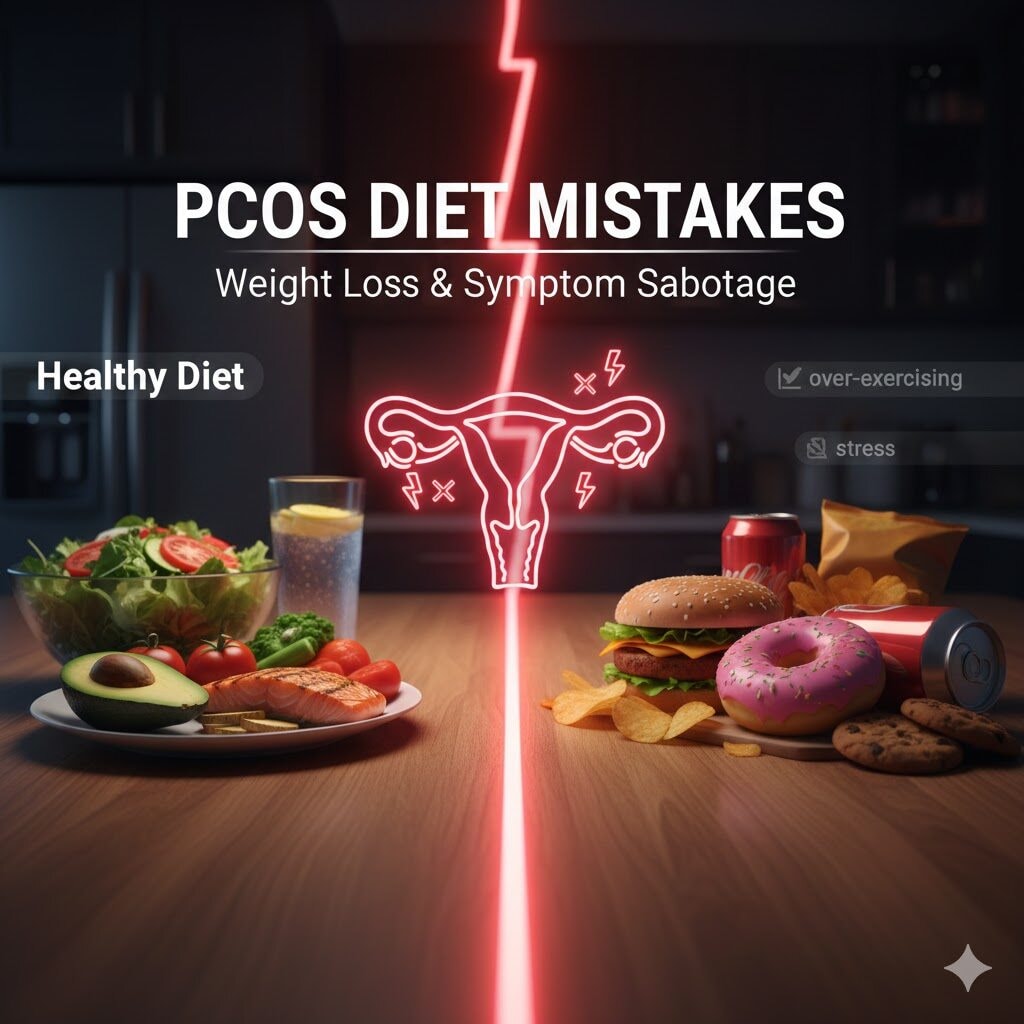
Many PCOS patients struggle because common diet mistakes worsen insulin resistance and stall weight management. Fad diets, ignoring insulin sensitivity, skipping lean proteins, avoiding healthy fats like olive oil, and failing to limit processed foods often worsen PCOS symptoms instead of improving them.
How These Mistakes Usually Show Up
-
Hunger returns quickly after meals.
-
Energy dips appear mid afternoon.
-
Cravings rise at night, even after dinner.
-
Weight loss slows, while symptoms feel unchanged.
These signs often point to structure problems, not a lack of discipline.
1. Relying on Fad Diets for Quick Weight Loss
Fad diets often restrict essential nutrients and disrupt insulin regulation, leading to temporary weight loss followed by regain. In PCOS patients, these patterns worsen insulin resistance and destabilize hormonal balance rather than supporting sustainable progress.
Common examples
-
Detox plans that remove meals and rely on liquids
-
Very low carb plans with no fiber strategy
-
Extreme low fat plans that remove satiety
2. Ignoring Insulin Levels While Planning Meals
Meal plans that overlook insulin levels often worsen insulin resistance and slow results. Without supporting insulin sensitivity, even calorie controlled diets can fail to promote weight loss or improve PCOS symptoms.
What to check in meals
-
A carb heavy breakfast without protein
-
Long gaps followed by large portions at dinner
-
Snacks built around sugar or refined flour
3. Not Following a Low Glycemic Index Eating Pattern
Ignoring low glycemic index principles allows blood sugar swings that aggravate PCOS symptoms. High GI meals can worsen insulin resistance and make weight management more difficult over time.
Typical high GI patterns and best fruits for PCOS
-
White bread, biscuits, and sweet tea in the morning
-
Large rice portions without enough protein or vegetables
-
Sugary snacks used to push through fatigue
4. Not Limiting Processed Foods and Hidden Sugars
Processed snacks, sugary snacks, fried foods, soft drinks, and white bread increase insulin demand and worsen PCOS symptoms. Failing to limit processed foods undermines blood sugar control and long term PCOS management.
Where hidden sugar often sits
-
Flavoured yogurt and packaged breakfast cereals
-
Sauces, spreads, and sweetened drinks
-
“Healthy” snack bars with syrups and refined flour
5. Skipping Lean Proteins in Daily Meals
Skipping lean proteins reduces satiety and increases blood sugar fluctuations. This mistake makes it harder to manage symptoms, regulate insulin levels, and reduce body fat in a structured PCOS diet plan.
Simple protein anchors
-
Eggs or paneer at breakfast
-
Dal, tofu, fish, or chicken at lunch
-
A protein portion at dinner, even when the meal is lighter
6. Avoiding Healthy Fats Out of Fear of Calories
Avoiding healthy fats like olive oil can impair hormonal balance and nutrient absorption. Low fat approaches often worsen insulin resistance and reduce diet sustainability for people with PCOS.
Better fat choices in small portions
-
Olive oil for cooking or dressing
-
Nuts and seeds with snacks
-
Peanut chutney or tahini style spreads in controlled amounts
7. Treating a Healthy Diet as a Short Term Fix Instead of a Long Term Plan
Viewing diet as temporary weakens PCOS management efforts. Sustainable results come from consistent habits that support insulin sensitivity, hormonal balance, and overall health rather than short cycles of restriction.
What long term thinking looks like
-
A repeatable meal structure you can maintain on weekdays
-
Flexible food swaps instead of rigid rules
-
A plan that supports symptom control, not just weight loss
Once these mistakes are clear, the conclusion becomes simple, focus on the few habits that create steady results and keep symptoms stable.
Conclusion
The best diet for PCOS weight loss works when it fits your body, your routine, and your symptoms. Choose one approach that matches how your energy, hunger, and blood sugar behave, then apply it consistently instead of rotating plans.
Small, repeatable decisions do more for PCOS than frequent resets.
Start with one clear change this week, adjust portions with awareness, and track how your body responds. Progress in PCOS comes from alignment, not intensity, and steady choices create results that last.
If you want guidance that respects your body’s pace, MyBalanceBite shares PCOS nutrition insights built around balance, not extremes.




Leave a comment
Translation missing: en.blogs.comments.discription