

Blood sugar does not rise by accident. It responds to specific food choices that quietly shape how the body copes with gestational diabetes each day.
Doctors see the same pattern again and again. Small, consistent food decisions matter more than extreme restrictions, and the right choices often prevent problems before they begin.
These gestational diabetes food choices are the ones doctors pay closest attention to because they support control, stability, and safer outcomes when followed with intention.
What Is Gestational Diabetes and How It Affects Blood Sugar?

Gestational diabetes mellitus is a form of pregnancy gestational diabetes that occurs when pregnancy hormones trigger insulin resistance, making it difficult to manage glucose levels.
It often develops in early pregnancy and can lead to high blood sugar and pregnancy complications that affect the unborn baby, the baby’s health, and healthy pregnancy outcomes.
This foundation clarifies how the condition begins and why blood sugar control becomes central.
Why It Develops During Pregnancy
Pregnancy hormones are essential for fetal growth, but they also change how insulin works in the body.
-
Pregnancy hormones reduce insulin sensitivity in muscle and liver cells
-
Insulin resistance increases to ensure steady glucose supply for the unborn baby
-
The pancreas must produce more insulin to maintain normal glucose levels
-
When insulin production cannot keep pace, high blood sugar develops
These changes are gradual, which is why gestational diabetes mellitus may appear without early symptoms.
How Blood Sugar Is Affected
When insulin resistance rises, blood glucose levels increase after meals and take longer to return to baseline. Repeated spikes raise the risk of sustained high blood sugar levels, especially when meals contain refined carbohydrates or sugary foods.
Example
A breakfast of white bread and sweetened spread can elevate glucose quickly. Replacing it with whole grains and protein often leads to a slower, more controlled rise.
This response pattern explains why meal composition becomes critical.
Why Blood Sugar Control Matters
Persistent high blood sugar increases the likelihood of pregnancy complications and can influence the baby’s health. Elevated glucose levels cross the placenta, affecting fetal growth and increasing risks for both mother and child during delivery and beyond.
Clear blood sugar control supports healthier pregnancy outcomes.
Understanding how gestational diabetes mellitus alters glucose regulation sets the stage for choosing foods that stabilize blood sugar rather than amplify these changes.
10 Foods That Help Manage Blood Sugar in Gestational Diabetes
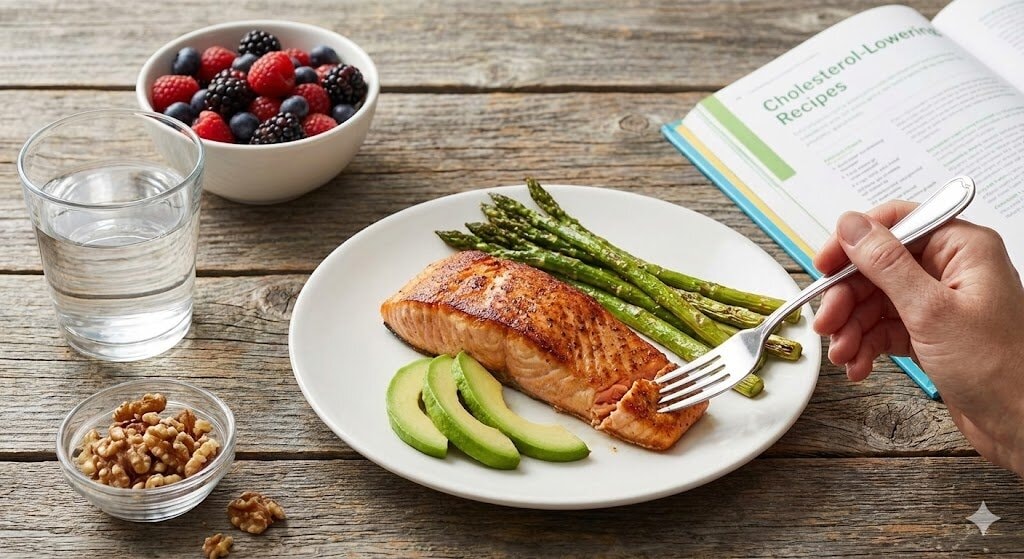
Choosing foods from the right food groups supports a balanced diet that protects blood glucose and promotes staying healthy. Whole grains, complex carbohydrates, brown rice, starchy vegetables, fresh fruits, lean protein, healthy fats, and olive oil help create healthy meals and healthy snacks.
These choices support healthy weight management while aligning nutrition with daily blood sugar needs.
1. Whole Grains
Whole grains such as oats, quinoa, barley, and whole wheat digest more slowly than refined grains. This slower breakdown helps keep blood glucose levels steadier after meals.
2. Complex Carbohydrates
Complex carbohydrates from beans, lentils, and minimally processed grains release glucose gradually. This supports sustained energy without sharp rises in blood sugar.
3. Brown Rice
Brown rice provides fiber that slows carbohydrate absorption. Controlled portions paired with protein and vegetables help maintain better blood glucose control.
4. Starchy Vegetables
Starchy vegetables like sweet potato, corn, and peas contribute carbohydrates. Treating them as measured portions helps prevent unexpected blood sugar increases.
5. Fresh Fruits
Fresh fruits contain natural sugars balanced by fiber. Whole fruit supports steadier glucose response when portions remain consistent.
6. Lean Protein
Lean protein from eggs, fish, chicken, tofu, paneer, and dals slows glucose absorption. Including protein at meals reduces post meal blood sugar spikes.
7. Healthy Fats
Healthy fats from nuts, seeds, avocado, and nut butters improve fullness and help smooth post meal blood glucose patterns.
8. Olive Oil
Olive oil provides healthy fat without added sugars. It supports meal balance when used for cooking or dressing vegetables.
9. Healthy Meals
Healthy meals combine controlled carbohydrates, protein, vegetables, and fats. This structure supports predictable blood glucose responses throughout the day.
10. Healthy Snacks
Healthy snacks that include protein or fat help maintain blood glucose stability between meals and reduce sudden drops or spikes.
Example
A balanced dinner might include brown rice, dal, sautéed vegetables in olive oil, and a fresh salad.
What These Foods Do for Blood Sugar
These foods work by slowing digestion, moderating glucose release, and improving meal structure. The emphasis stays on balance, consistency, and predictable blood sugar response.
These food choices become clearer when compared with foods that raise blood glucose faster and disrupt balance.
Foods That Raise Blood Sugar Faster
Sugary foods, sugary drinks, soft drinks, added sugar, and natural sugars often cause rapid glucose rises, especially when people eat sugary foods alongside refined starches.
White bread, white rice, very starchy foods, starchy foods, starchy carbohydrates, fast foods, fatty foods, saturated fat, processed foods, and highly processed foods offer little nutritional value.
Knowing which foods disrupt control helps prevent avoidable blood sugar swings.
1. Sugary Foods
Sugary foods such as sweets, desserts, and baked items contain added sugar that enters the bloodstream rapidly.
2. Sugary Drinks
Sugary drinks provide liquid sugar with no fiber, leading to faster glucose absorption.
3. Soft Drinks
Soft drinks concentrate sugar in small volumes, making glucose spikes more likely.
4. Added Sugar
Added sugar appears in sauces, spreads, and packaged foods where sweetness is not always obvious, which is one factor why many diet for obesity fail.
5. Natural Sugars in Concentrated Forms
Natural sugars like honey, jaggery, and syrups behave like added sugar when used freely.
6. White Bread
White bread digests quickly due to refined flour, raising blood glucose soon after eating.
7. White Rice
White rice lacks fiber, so glucose enters the bloodstream faster than with whole grains.
8. Very Starchy Foods
Very starchy foods such as fried potatoes and heavy grain dishes raise glucose rapidly when portions are large.
9. Fast Foods
Fast foods combine refined starches with fatty foods, encouraging overeating and unstable glucose response.
10. Highly Processed Foods
Highly processed foods often contain hidden sugars, refined carbohydrates, and saturated fat that disrupt insulin response.
Example
A meal of soft drinks, white rice, and fried snacks often raises glucose faster than a plate built around protein and vegetables.
What These Foods Do to Blood Sugar
These foods digest quickly, deliver concentrated sugars, or combine refined starch with fat. This combination raises glucose faster and makes blood sugar harder to stabilize after meals.
Recognizing these foods makes it easier to design meals that keep blood sugar predictable and controlled.
A Gestational Diabetes Diet Plan Based on Blood Sugar Supporting Foods

A structured gestational diabetes diet works best when it helps plan healthy meals around healthy eating habits and long term disease control. This approach supports healthy weight goals while fitting into diabetes care guided by a healthcare professional or health care team.
Consistent planning helps align food choices with daily routines and blood sugar targets.
| Meal | Foods Included | Portion Size | Approx. Calories |
|---|---|---|---|
| Breakfast | Seeded bread, eggs or paneer, sautéed vegetables in olive oil, fresh fruit | 1 slice bread, 2 eggs or 75 g paneer, 1 cup vegetables, 1 tsp olive oil, 1 small fruit | 350–400 kcal |
| Mid-Morning Snack | Carrot sticks, hummus or yogurt, water or sugar free drinks | 1 cup carrot sticks, 2 tbsp hummus or 100 g yogurt | 120–150 kcal |
| Lunch | Brown rice, dal or lean protein, starchy vegetables, salad with olive oil | ½ cup cooked brown rice, 1 cup dal or 100 g protein, ½ cup starchy vegetables, 1 tsp olive oil | 450–500 kcal |
| Afternoon Snack | Grain cereals with nuts or seeds, unsweetened tea | ¾ cup cereal, 1 tbsp nuts or seeds | 180–220 kcal |
| Dinner | Whole grains or complex carbohydrates, lean protein, non-starchy vegetables | ½ cup whole grains, 100 g protein, 1.5 cups vegetables | 400–450 kcal |
| Optional Bedtime Snack | Soft cheeses with vegetables or nuts | 40 g soft cheese, small handful nuts or vegetables | 120–150 kcal |
Safety Notes That Support Better Outcomes
Some people have a higher risk of pregnancy complications, so diet planning should stay aligned with diabetes care and your health care team. The aim is stable glucose patterns that support healthy babies.
One caution matters here, avoid products that trigger a laxative effect, since digestion changes can disrupt predictable meal response.
This structure becomes easier to follow once portion size and meal timing are handled with the same level of precision.
"Get Your Personalized Diabetes Nutrition Plan Today"
How Portion Size Affects Blood Sugar Response
Portion size shapes how quickly glucose rises after a meal. Even nutrient dense carbohydrate foods can push blood sugar levels up when servings are large or uneven across the day. A balanced plate keeps blood glucose steadier by limiting the carbohydrate load and pairing it with protein, fats, and fiber.
Portion cues that keep meals predictable
-
Keep cooked grains like brown rice to about 1/2 cup per meal
-
Limit seeded bread to 1 slice when paired with other carbohydrate foods
-
Treat starchy vegetables as a carbohydrate portion, not an extra vegetable
-
Include lean protein with every meal to slow glucose absorption
-
Use healthy fats like olive oil in measured amounts, not free pouring
Example
Two cups of brown rice can raise blood glucose faster than 1/2 cup paired with dal, vegetables, and olive oil.
Portion control becomes more effective when meals are spaced in a steady rhythm that supports glucose stability.
Meal Timing Tips for Gestational Diabetes
Meal timing affects whether blood glucose rises sharply or stays steady. Long gaps between meals increase hunger and can lead to larger portions, while closely spaced balanced meals support consistent blood sugar control.
A regular pattern also reduces the chances of low blood sugar for people who are sensitive to timing shifts.
A simple timing structure that works
-
Eat regularly, aim for meals every 3 to 4 hours
-
Avoid skipping meals, especially breakfast
-
Include a mid morning and afternoon snack when gaps are long
-
Keep dinner at a consistent time, avoid late heavy meals
-
Consider a small bedtime snack if low blood sugar occurs overnight
Example
A snack like carrot sticks with hummus at 4 pm often prevents overeating at dinner and keeps glucose steadier.
Once timing is consistent, the next focus is how diet changes blood sugar through clear mechanisms that repeat across the day.
7 Ways a Gestational Diabetes Diet Helps Manage Blood Sugar

A well designed diet influences how the body responds to carbohydrate foods, healthy fats, and lean protein throughout the day. By helping regulate blood sugar levels, reducing glucose fluctuations, and supporting eating patterns like eat regularly, diet becomes a practical tool rather than a restriction.
Each mechanism explains how food timing and composition work together.
1. Balanced Carbohydrate Foods Prevent Blood Sugar Spikes
Balanced carbohydrate foods reduce sharp rises by spreading carbs across meals and pairing them with protein, fat, and fiber.
How it works
-
Keep carbohydrate foods consistent at meals
-
Pair carbs with lean protein and healthy fats
-
Avoid stacking multiple carb portions in one plate
Example
Brown rice plus dal and vegetables often produces a steadier glucose curve than brown rice alone.
2. Lean Protein Slows Glucose Absorption
Lean protein slows digestion and reduces the speed at which glucose enters the bloodstream after meals.
How it works
-
Include lean protein at every meal
-
Add protein to snacks to prevent sharp rises
-
Use protein to anchor breakfast for better control
Example
Eggs with seeded bread tends to raise glucose more slowly than bread alone.
3. Fiber Rich Foods Stabilize Blood Sugar Levels
Fiber slows carbohydrate absorption and supports steadier blood sugar levels across the day.
How it works
-
Choose whole grains more often than refined grains
-
Add vegetables to every meal for fiber volume
-
Use legumes as a steady complex carbohydrate source
Example
Oats and nuts often create a slower glucose rise than grain cereals made from refined flour.
4. Eating Regularly Supports Consistent Blood Sugar Control
When you eat regularly, glucose intake becomes predictable, and insulin response becomes easier to manage.
How it works
-
Keep meals spaced 3 to 4 hours apart
-
Use planned snacks when gaps are long
-
Maintain stable timing for breakfast and dinner
Example
A mid afternoon snack can prevent late evening hunger and oversized dinner portions.
5. Avoiding Fruit Juice Reduces Sudden Blood Sugar Rises
Avoiding fruit juice reduces rapid glucose entry because juice removes fiber and concentrates sugars.
How it works
-
Prefer fresh fruits over juice
-
Keep fruit portions consistent
-
Avoid fruit juice even when labeled natural
Example
An orange may raise glucose more gradually than a glass of fruit juice made from several oranges.
6. Healthy Fats Improve Insulin Response
Healthy fats slow digestion, support satiety, and can improve insulin response when used in controlled amounts.
How it works
-
Use olive oil as a measured fat source
-
Add nuts or seeds to meals for steady energy
-
Avoid replacing carbs with saturated fat heavy foods
Example
Vegetables cooked in olive oil can keep meals satisfying without relying on extra carbs.
7. Healthy Eating Patterns Reduce Daily Blood Sugar Fluctuations
Healthy eating patterns reduce glucose fluctuations by keeping meals consistent in composition, timing, and portion size.
How it works
-
Repeat a simple meal structure daily
-
Plan healthy meals in advance for consistency
-
Use stable snack routines to avoid reactive eating
Example
A predictable breakfast routine often stabilizes morning glucose more than frequent changes in food choices.
When these mechanisms are clear, it becomes easier to spot the daily habits that quietly disrupt blood sugar control.
"Talk to a Clinical Nutrition Expert for Gestational Diabetes Food Support"
Common Diet Mistakes That Worsen Blood Sugar Levels
Blood sugar control often slips due to habits like skip meals, relying on added sugar, choosing sugary drinks or soft drinks, eating fatty foods high in saturated fat, or misreading food labels.
When people eat sugary foods without planning, small decisions compound into unstable glucose patterns that undermine consistent control.
Identifying these errors prevents repeat patterns that quietly disrupt progress.
1. Skipping Blood Sugar Monitoring After Meals
Post meal checks show how specific meals affect glucose. Without them, patterns stay hidden and the same triggers repeat.
Key moments to watch
-
After breakfast
-
After lunch
-
After dinner
Example
A meal that seems balanced can still raise glucose if portions drift upward.
2. Assuming All “Healthy” Foods Are Automatically Safe
Healthy foods can still raise glucose when portions are large or when multiple carbohydrate foods are combined in one meal.
Common patterns
-
Large fruit portions
-
Oversized grain servings
-
Multiple carbs in one plate
3. Eating Out Without Adjusting Portions or Ingredients
Restaurant meals often contain hidden fats, sugars, and refined carbs. Portion sizes also run larger than home servings.
Smart adjustments
-
Choose grilled or steamed options
-
Request sauces on the side
-
Share carb heavy sides
4. Ignoring Hidden Sugars in Sauces and Packaged Foods
Added sugar often appears in ketchup, dressings, spreads, and packaged snacks. Food labels reveal what taste does not.
Where to check
-
Sauces and condiments
-
Packaged snacks
-
Flavored dairy products
5. Making Sudden Diet Changes Without Consistency
Blood sugar responds best to stable routines. Rapid switching between strict and relaxed eating creates unpredictable glucose patterns.
What works better
-
Repeat a simple meal structure
-
Adjust one element at a time
-
Track the response for several days
6. Relying on Cravings Instead of Planned Meals
Cravings often push choices toward sugary foods, fatty foods, and fast carbs. Planning reduces reactive decisions.
Simple planning habits
-
Prepare one reliable breakfast
-
Keep one structured snack option
-
Decide dinner earlier in the day
7. Not Adjusting Diet Based on Blood Sugar Readings
Blood sugar readings are feedback. When numbers change, meals should change too, especially around carbohydrate foods and timing.
What to adjust first
-
Portion size
-
Meal timing
-
Drink choices like sugary drinks or soft drinks
When mistakes are clear, the next step is using practical tools that track blood sugar levels daily and guide smarter adjustments.
Tools To Track Blood Sugar Levels Daily to Manage Gestational Diabetes
Daily monitoring supports diabetes care by revealing how food, timing, and activity affect glucose trends. Tools may include guidance from a healthcare professional, coordination with a health care team, awareness of high blood pressure risks, and knowing when prescribed insulin is required.
Tracking turns numbers into feedback that shapes daily decisions.
1. Blood Glucose Meter
Use a blood glucose meter at consistent moments such as fasting and after meals. Comparing readings taken at the same times each day shows how specific foods and portion sizes affect blood sugar patterns.
This tool works best when readings are viewed as trends rather than isolated numbers.
2. Continuous Glucose Monitor
A continuous glucose monitor shows how glucose rises and falls across the day. It highlights the speed and direction of change after meals, movement, and rest.
Seeing patterns over time helps identify which meals create stability and which need adjustment.
3. Logbook or Tracking App
A logbook or app connects glucose readings with meals, snacks, portion size, and timing. This context turns numbers into useful information.
Clear records make it easier to spot repeat patterns and share meaningful insights with your health care team.
4. Food Labels
Food labels guide choices by showing serving size, carbohydrate content, and added sugars. Reading labels supports portion control and helps avoid unexpected glucose rises from packaged foods.
This habit strengthens decision making outside home cooked meals.
5. Healthcare Professional Guidance
A healthcare professional helps interpret glucose patterns and assess higher risk factors. Their role is to translate data into safe adjustments that align with pregnancy needs.
This guidance ensures diet changes stay medically appropriate.
6. Health Care Team Support
The health care team oversees diabetes care as a whole, including blood pressure trends and the need for prescribed insulin. Coordination keeps food, monitoring, and medical decisions aligned.
Team based care adds consistency and long term safety.
Example
If post breakfast readings rise steadily, tracking makes it clear whether the issue lies in portion size, food choice, or timing.
FAQs
1. Can Gestational Diabetes Go Away After Delivery?
Yes. Gestational diabetes usually resolves after delivery because pregnancy hormones drop and insulin resistance decreases. Blood sugar levels often return to normal within weeks, though follow-up testing is still important.
2. Is It Safe to Use Artificial Sweeteners During Pregnancy With Gestational Diabetes?
Some artificial sweeteners are considered safe in moderation, but they should not replace balanced meals. Use them sparingly and only with guidance from a healthcare professional.
3. How Does Physical Activity Support Blood Sugar Control Along With Diet?
Physical activity helps muscles use glucose more efficiently, which lowers blood sugar levels. Even light movement after meals can improve glucose control when combined with a structured diet.
4. Can Stress and Sleep Patterns Affect Blood Sugar Levels in Gestational Diabetes?
Yes. Poor sleep and high stress can raise blood sugar levels by increasing stress hormones that interfere with insulin action.
5. How Is a Healthy Diet for Gestational Diabetes Different From a Regular Pregnancy Diet?
A gestational diabetes diet focuses more on carbohydrate control, portion size, and meal timing to manage blood sugar, while a regular pregnancy diet emphasizes overall nutrition without strict glucose monitoring.
Conclusion
Food choices work best when they are consistent, intentional, and informed by real feedback. Managing gestational diabetes is less about perfection and more about building patterns that support stable blood sugar day after day.
Use what you’ve learned to make small, steady adjustments. Pay attention to how your body responds, keep tracking simple, and work alongside your healthcare team when changes are needed.
With the right structure in place, food becomes a reliable tool that supports control, confidence, and better outcomes.
"Book a Free Diet Consultation with a Nutritionist Now"




Leave a comment
Translation missing: en.blogs.comments.discription