

Most Indian diet charts fail for one simple reason. They ask you to eat in ways that do not match how Indian meals, routines, or households actually work.
This guide is built differently. It shows how a diet chart for Indian meals can support health, fat loss, and balance without strict food restrictions or unrealistic rules.
Instead of forcing one plan on everyone, these seven diet charts cover real Indian eating patterns and daily needs, so food choices feel practical, not stressful.
Why Indian Eating Patterns and Metabolism Require a Separate Diet Chart
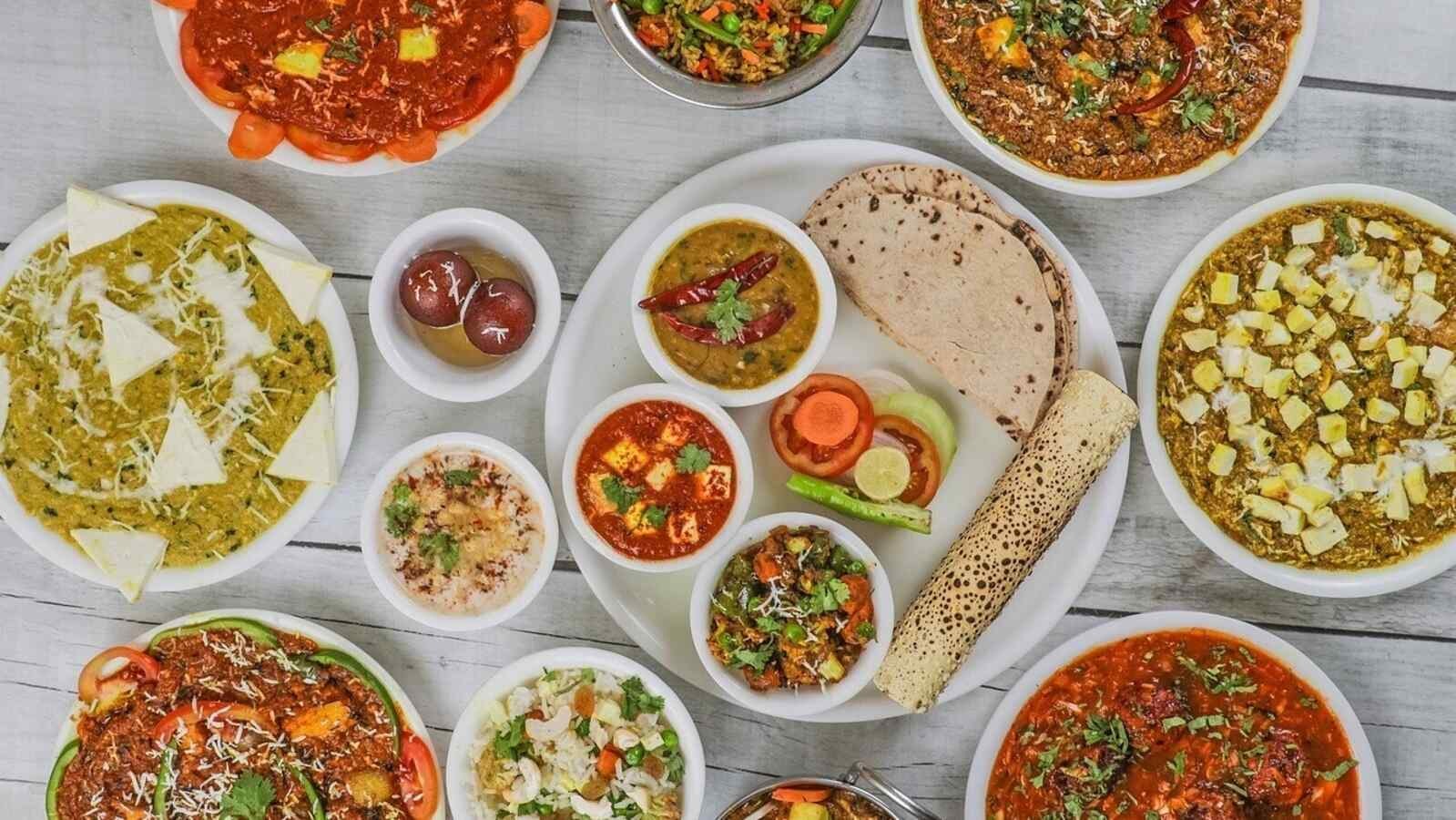
Indian eating patterns are shaped by indian cuisine, daily routines, age groups, and health conditions that differ sharply from Western diets. Meals are often mixed, shared, and flexible, not measured or isolated.
Because of this, factors like basal metabolic rate and body weight influence how an indian diet plan affects overall health and overall well being more than most people expect.
This is why many diet charts fail quietly. They ignore how Indian meals are actually eaten and instead impose imported structures that do not survive real schedules. When food advice fights daily life, consistency breaks long before results appear.
Let's Understand in detail how a Indian diet chart actually differs from other diets.
1. Meal Structure Blends Food Groups Naturally
Indian plates combine grains, lentils, vegetables, and fats in a single meal. Dal with rice, roti with sabzi, or a simple curd lunch changes digestion, fullness, and energy flow differently than separated meal components. This natural mixing of food groups alters how the body responds across the day.
2. Daily Routines Override Intention
Late work hours, long commutes, and shared family meals shape food intake more than motivation. These patterns influence meal timing, portion sizes, and snacking habits. Over time, this affects body weight and contributes to lifestyle diseases, even when food choices appear healthy.
3. Health Conditions Reshape What Balance Means
Across different age groups, digestion speed, blood sugar stability, and existing health conditions determine what a balanced diet actually looks like. A meal structure that supports one person’s overall health may not support another’s, even within the same indian cuisine.
4. The Same Diet Can Produce Different Outcomes
Two people may follow the same indian diet plan. One works a desk job with irregular meals, the other walks daily with early dinners. The food looks identical, but the outcome on energy levels, weight, and overall well being is not.
A diet chart that works in India must adapt to real routines, mixed meals, and metabolic differences instead of forcing rigid templates. This foundation makes it possible to design a sample balanced diet chart that fits daily eating, fat loss, and maintenance without conflict.
The Complete Indian Diet Chart Framework for Daily Eating, Fat Loss, and Weight Maintenance
A strong indian diet chart balances essential nutrients across food groups using whole foods and real food choices. This framework connects balanced diet principles with practical goals like fat loss, maintenance, and energy stability.
Instead of rigid rules, it focuses on nutrition, right balance, and sustainable food intake across lifestyles.
1. Balanced Diet Chart for Indian Daily Eating
A balanced diet chart for daily eating focuses on whole grains like whole wheat and whole grain bread, fresh fruits, curd lunch options, and measured portions of white rice or brown rice. The goal is steady food intake that supports energy, digestion, and consistency without restriction.
| Meal | Vegetarian Option (Portion • Calories) |
Non-Vegetarian Option (Portion • Calories) |
Vegan Option (Portion • Calories) |
|---|---|---|---|
| Early Morning | Lemon water, 1 glass • 10 kcal | Lemon water, 1 glass • 10 kcal | Warm water, 1 glass • 0 kcal |
| Breakfast | Vegetable poha, 1 medium bowl (200 g) • 300 kcal | Vegetable omelette (2 eggs) + whole grain bread (2 slices) • 350 kcal | Oats cooked in soy milk + fruit, 1 bowl • 350 kcal |
| Mid-Morning | Fresh fruits, 1 bowl • 120 kcal | Fresh fruits, 1 bowl • 120 kcal | Fresh fruits, 1 bowl • 120 kcal |
| Lunch | Whole wheat roti (2) + mixed veg sabzi (1 cup) + curd (1 cup) • 500 kcal | Whole wheat roti (2) + chicken breast curry (120 g) + salad • 550 kcal | Quinoa with vegetables, 1 cup cooked • 500 kcal |
| Evening Snack | Roasted chana, 30 g • 150 kcal | Roasted makhana, 25 g • 120 kcal | Roasted seeds mix, small bowl • 180 kcal |
| Dinner | Brown rice (1 cup) + dal (1 cup) + salad • 450 kcal | White rice (1 cup) + dal (1 cup) • 450 kcal | Brown rice (1 cup) + stir-fried tofu (100 g) + curry leaves • 500 kcal |
| Optional | Warm milk, 1 cup • 120 kcal | Buttermilk, 1 glass • 80 kcal |
Green tea, 1 cup • 0 kcal |
Daily Total (Approx.)
-
Vegetarian: ~1,550 kcal
-
Non-Vegetarian: ~1,600 kcal
-
Vegan: ~1,600 kcal
Daily Total (Approx.)
-
Vegetarian: ~1,900 kcal
-
Non-Vegetarian: ~2,000 kcal
-
Vegan: ~1,850 kcal
2. Diet Chart for Fat Loss Using Indian Food Items
An indian weight loss diet works when portion control, protein intake, and food item selection align with fat loss goals. Protein rich foods, low fat cooking, and mindful choices help lose weight steadily while supporting sustainable weight loss rather than quick fixes.
| Meal | Vegetarian Option (Portion • Calories) |
Non-Vegetarian Option (Portion • Calories) |
Vegan Option (Portion • Calories) |
|---|---|---|---|
| Early Morning | Warm water + lemon, 1 glass • 10 kcal | Warm water + lemon, 1 glass • 10 kcal | Warm water, 1 glass • 0 kcal |
| Breakfast | Vegetable oats, 1 medium bowl • 250 kcal | Boiled eggs (2) + sautéed vegetables • 280 kcal | Oats with soy milk + chia seeds, 1 bowl • 300 kcal |
| Mid-Morning | Fresh fruits (papaya or apple), 1 bowl • 100 kcal | Fresh fruits, 1 bowl • 100 kcal | Fresh fruits, 1 bowl • 100 kcal |
| Lunch | Whole wheat roti (1) + dal (1 cup) + sabzi • 400 kcal | Grilled chicken breast (120 g) + salad + roti (1) • 420 kcal | Quinoa (¾ cup cooked) + vegetables • 420 kcal |
| Evening Snack | Roasted chana, 25 g • 120 kcal | Roasted makhana, 25 g • 120 kcal | Roasted seeds mix, small bowl • 150 kcal |
| Dinner | Brown rice (½ cup) + paneer bhurji (100 g) • 350 kcal | Brown rice (½ cup) + grilled fish (120 g) • 360 kcal | Stir-fried tofu (120 g) + vegetables • 350 kcal |
| Optional | Green tea, 1 cup • 0 kcal | Green tea, 1 cup • 0 kcal | Green tea, 1 cup • 0 kcal |
How this chart supports fat loss
Portion control comes before food elimination. Protein intake stays steady to protect muscle. Low fat cooking reduces excess calories without removing familiar food items. This approach supports fat loss and sustainable weight loss, not short-term drops.
Fat loss works best when the plan fits your lifestyle.
Explore how MyBalanceBite simplifies portion control and food choices without extreme rules.
3. Diet Chart for Maintaining Weight and Long-Term Health
Weight maintenance depends on stable food intake that protects energy levels, blood sugar, and heart health. A balanced indian diet here supports cardiovascular disease prevention, reduces heart disease risk, and avoids unwanted weight gain while preserving good health long term.
| Meal | Vegetarian Option (Portion • Calories) |
Non-Vegetarian Option (Portion • Calories) |
Vegan Option (Portion • Calories) |
|---|---|---|---|
| Early Morning | Warm water, 1 glass • 0 kcal | Warm water, 1 glass • 0 kcal | Warm water, 1 glass • 0 kcal |
| Breakfast | Vegetable upma, 1 medium bowl • 300 kcal | Omelette (2 eggs) + whole grain bread (1 slice) • 320 kcal | Oats with nuts and fruits, 1 bowl • 330 kcal |
| Mid-Morning | Fresh fruits, 1 bowl • 120 kcal | Fresh fruits, 1 bowl • 120 kcal | Fresh fruits, 1 bowl • 120 kcal |
| Lunch | Whole wheat roti (2) + sabzi + curd • 500 kcal | Roti (2) + chicken curry (120 g) + salad • 520 kcal | Brown rice (1 cup) + dal + vegetables • 520 kcal |
| Evening Snack | Buttermilk + roasted seeds • 150 kcal | Buttermilk + roasted chana • 150 kcal | Coconut water + roasted seeds • 160 kcal |
| Dinner | White rice (1 cup) + dal + vegetables • 450 kcal | White rice (1 cup) + fish curry (120 g) • 480 kcal | Quinoa (1 cup cooked) + vegetables • 480 kcal |
| Optional | Warm milk, 1 cup • 120 kcal | Warm milk, 1 cup • 120 kcal | Herbal tea, 1 cup • 0 kcal |
Daily Total (Approx.)
-
Vegetarian: ~1,900 kcal
-
Non-Vegetarian: ~2,000 kcal
-
Vegan: ~1,950 kcal
How this chart supports long-term health
Stable food intake protects energy levels, supports blood sugar balance, and reduces long-term heart disease risk. A balanced indian diet here avoids both restriction and excess, helping prevent weight gain while preserving good health over time.
4. Diet Chart Based on Calorie Needs for Different Indian Lifestyles
Calorie needs vary based on diet type, activity, and daily foods consumed. Understanding how many calories the body requires helps align diet choices with realistic routines rather than generic targets.
4.1 Sedentary Indian Lifestyle (Desk Job, Minimal Physical Activity)
A sedentary lifestyle requires tighter control of food intake and calorie density. Matching diet quantity to lower energy expenditure helps prevent fat gain while maintaining nutrition balance.
One-Day Diet Plan (Approx. 1,600 kcal)
| Meal | Food Item | Portion | Calories |
|---|---|---|---|
| Morning | Warm water | 1 glass | 0 |
| Breakfast | Vegetable poha | 1 medium bowl | 280 |
| Mid-Morning | Fresh fruits | 1 bowl | 120 |
| Lunch | Whole wheat roti + sabzi + curd | 2 rotis + 1 cup + 1 cup | 500 |
| Snack | Roasted chana | 25 g | 120 |
| Dinner | Brown rice + dal + salad | ½ cup + 1 cup | 380 |
| Optional | Green tea | 1 cup | 0 |
4.2 Moderately Active Indian Lifestyle (Regular Walking or Light Exercise)
Moderate activity allows slightly higher calorie intake while still prioritizing balanced meals. The focus stays on consistency, portion awareness, and steady energy.
One-Day Diet Plan (Approx. 1,800 kcal)
| Meal | Food Items | Portion | Calories |
|---|---|---|---|
| Morning | Warm water | 1 glass | 0 |
| Breakfast | Vegetable upma | 1 medium bowl | 320 |
| Mid-Morning | Fresh fruits | 1 bowl | 120 |
| Lunch | Roti + dal + sabzi + curd | 2 rotis + 1 cup + 1 cup | 520 |
| Snack | Buttermilk + roasted seeds | 1 glass + small bowl | 150 |
| Dinner | White rice + vegetables + dal | 1 cup + 1 cup | 420 |
| Optional | Milk | 1 cup | 120 |
4.3 Physically Active Indian Lifestyle (Gym, Sports, or Manual Work)
Higher activity increases calorie and protein needs. This diet plan supports recovery, muscle maintenance, and consistent output.
One-Day Diet Plan (Approx. 2,200 kcal)
| Meal | Food Items | Portion | Calories |
|---|---|---|---|
| Morning | Lemon water | 1 glass | 10 |
| Breakfast | Omelette (2 eggs) + whole wheat toast | 2 eggs + 2 slices | 380 |
| Mid-Morning | Fruit + nuts | 1 bowl + small handful | 200 |
| Lunch | Roti + chicken breast curry + salad | 2 rotis + 120 g | 550 |
| Snack | Boiled eggs or paneer | 2 eggs or 100 g | 180 |
| Dinner ideas | Brown rice + dal + vegetables | 1 cup + 1 cup | 480 |
| Optional | Milk | 1 cup | 120 |
4.4 Highly Active Indian Lifestyle (Athletes or Physically Demanding Jobs)
Highly active individuals need structured, higher-calorie meals to avoid underfueling. Skipping meals here quickly reduces performance and recovery.
One-Day Diet Plan (Approx. 2,700 kcal)
| Meal | Food Items | Portion | Calories |
|---|---|---|---|
| Morning | Warm water + soaked nuts | 1 glass + 6–8 nuts | 120 |
| Breakfast | Oats with milk + banana | 1 large bowl | 450 |
| Mid-Morning | Fruit smoothie | 1 glass | 250 |
| Lunch | Rice + dal + vegetables + curd | 1½ cups + 1 cup | 650 |
| Snack | Peanut chaat or sprouts | 1 bowl | 50 |
| Dinner | Roti + grilled fish or tofu | 3 rotis + 150 g | 650 |
| Optional | Milk | 1 cup | 120 |
Once the diet plan matches activity level, eating becomes predictable instead of reactive. The next section focuses on how smart snack choices protect this structure between meals.
Snacks That Support Healthy Eating in an Indian Diet Chart
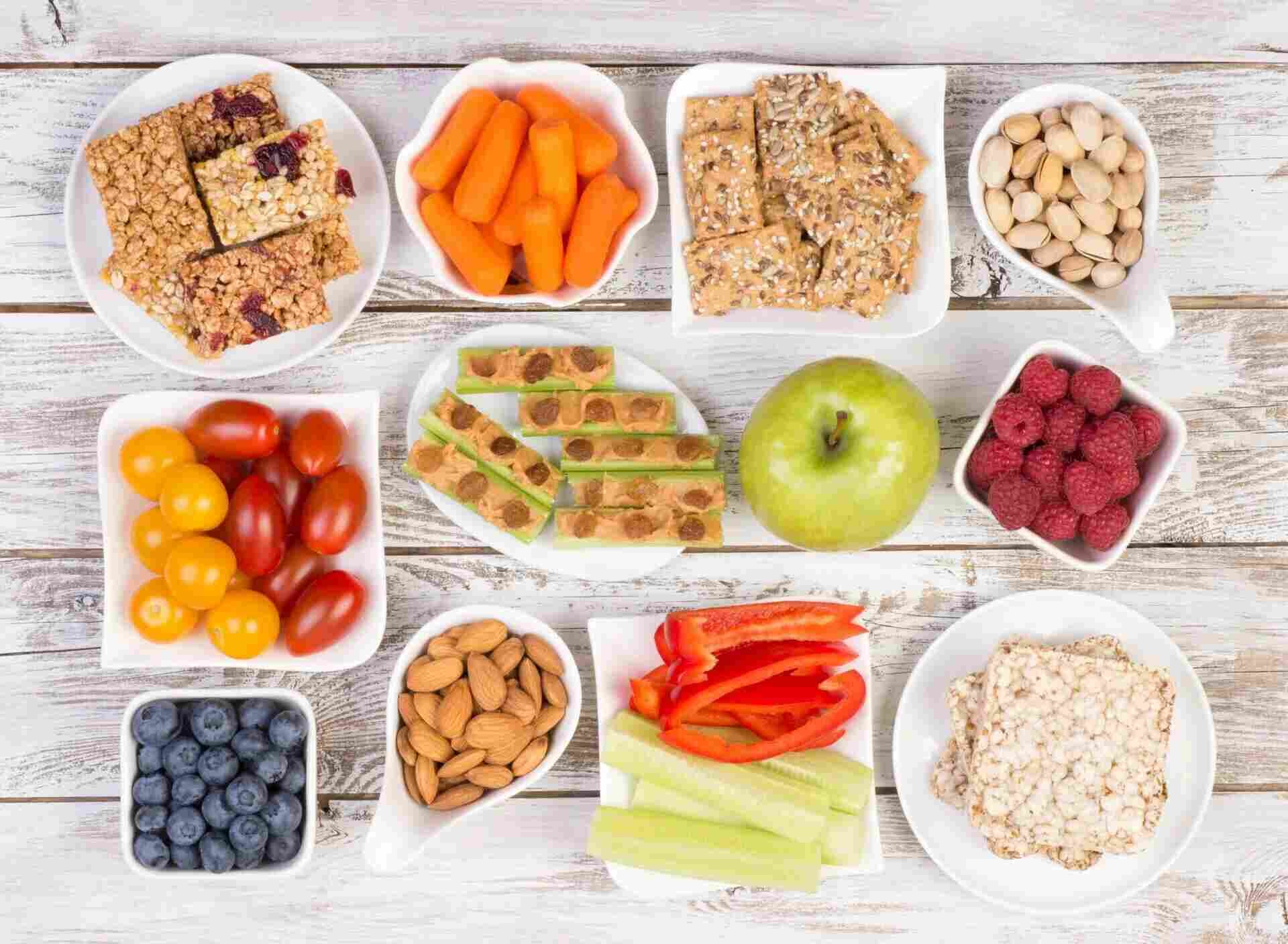
Healthy snacks prevent overeating by stabilizing hunger between meals. Options using fresh fruits, roasted seeds, chia seeds, green tea, and lemon water support steady energy without processed foods. When planned correctly, snacks reinforce healthy eating instead of disrupting it.
1. Fresh Fruit with Nuts or Seeds
Fresh fruits paired with nuts or seeds provide fiber, micronutrients, and controlled energy that supports satiety between meals.
Best use
-
One medium fruit like apple or papaya
-
A small handful of nuts or mixed seeds
Example
An apple with a few almonds mid morning keeps hunger steady until lunch without adding heaviness.
2. Roasted Chana or Roasted Makhana
These snacks offer plant protein and crunch without refined carbs, making them reliable choices for hunger control.
Works best when
-
Meals are delayed
-
Evening hunger tends to spike
Dry roasting keeps calories predictable while preserving volume and texture.
3. Boiled Eggs or Paneer Cubes
Eggs and paneer supply protein and fats that slow digestion and support stable energy levels.
Fits well
-
Between lunch and dinner
-
On days with longer work hours
Example
Two boiled eggs or a small bowl of paneer cubes provide structure when meals are spaced far apart.
4. Sprouts Chaat with Vegetables
Sprouts combined with vegetables add volume, fiber, and nutrients without excess calories.
Important detail
-
Use light seasoning
-
Avoid oil heavy toppings
This option suits people who prefer a filling snack without density.
5. Curd or Greek Yogurt with Flax or Chia Seeds
Curd with seeds supports digestion, gut health, and sustained fullness between meals.
Most helpful
-
In warm climates
-
On days with digestion sensitivity
A spoon of seeds is enough to add texture and satiety.
6. Vegetable Sticks with Hummus or Peanut Chutney
This option provides fiber, healthy fats, and flavor without relying on fried foods.
Practical tip
-
Prepare vegetables in advance
-
Measure chutney portions
Example
Carrot and cucumber sticks with a spoon of peanut chutney offer balance without excess.
7. Homemade Poha or Upma in Small Portions
Controlled portions of poha or upma offer comfort foods without disrupting diet balance.
Best timing
-
On active days
-
When meals are spaced widely
Portion size matters more than avoiding the food itself.
8. Buttermilk or Coconut Water
These beverages support hydration and electrolyte balance with minimal calorie load.
Useful when
-
Weather is hot
-
Appetite is low but hydration is needed
They also reduce snacking driven by thirst.
Where snacks often go wrong
Snacks lose their role when they replace meals or become unplanned additions. Pairing snacks with white bread, heavy spreads, or random packaged items increases intake without improving fullness. The goal is to support meals, not compete with them.
When snacks are planned with this logic, they strengthen the diet chart instead of fragmenting it. This consistency makes it easier to design full-day eating patterns, including structured days like a quinoa day, without feeling restricted.
Steps to Create Your Own Balanced Diet Chart That Fits Real Indian Lifestyles
Building an indian diet plan requires clarity around food items, portions, and daily routines. This process focuses on aligning foods with lifestyle demands rather than copying fixed templates. These steps outline how to design a diet chart that adapts to real life and remains practical.
1. Define Your Primary Goal Before Choosing Any Food Items
Your goal decides what the diet chart optimizes for. A daily eating plan looks different from a fat loss plan, even when the foods stay similar. Keep the goal specific and measurable so food choices stay consistent.
Goal examples
-
Fat loss, with steady energy across the day
-
Weight maintenance, with stable hunger and routine meals
-
Better overall health, with balanced food groups and regular intake
2. Estimate Daily Calorie Needs Based on Your Routine
Calorie needs depend on activity level, work hours, and movement through the day. A diet chart becomes easier to follow when portions match the number your body can maintain.
Quick way to think about it
-
Sedentary routine needs smaller grain portions and fewer calorie dense extras
-
Active routine needs fuller meals and planned snacks for recovery
Example
A desk job day may work better with 2 rotis at lunch, while a gym day may need 3 rotis or added rice.
3. Decide Meal Frequency That Fits Your Daily Schedule
Meal frequency should fit your routine, not fight it. A diet chart works when it removes repeated decisions and makes eating predictable.
Common patterns that work
-
3 meals plus 1 snack
-
3 meals plus 2 snacks for active days
-
2 main meals plus structured snacks for late schedules
4. Allocate Food Groups Across Meals for Balance
A balanced diet chart is easier when each meal has a clear structure across food groups. This prevents meals from becoming carb heavy or protein light.
Simple meal structure
-
Grain, like roti, rice, or quinoa
-
Protein, like dal, paneer, eggs, chicken, fish, tofu
-
Vegetables, cooked or raw
-
Healthy fats, in measured amounts
This keeps the diet plan stable even when food items change.
5. Select Core Indian Food Items You Can Eat Consistently
Consistency comes from repetition that still feels normal. Choose food items that fit your home cooking style and availability.
Good core picks
-
Staples you already cook, like dal, sabzi, roti, rice
-
Proteins you can repeat without boredom
-
Vegetables that are easy to prepare most days
Example
If you can reliably do dal plus sabzi at lunch, the diet chart becomes sustainable without extra effort.
6. Set Portion Sizes Instead of Eliminating Foods
Most diet charts fail when they rely on removal instead of control. Portion sizes make the diet plan flexible without becoming vague.
Portion anchors that stay practical
-
Rotis, decide 1, 2, or 3 based on calorie needs
-
Rice, decide ½ cup, 1 cup, or 1½ cups cooked
-
Protein, keep a consistent serving each meal
This protects fat loss goals without turning meals into restrictions.
7. Add Healthy Snacks to Manage Hunger Gaps
Healthy snacks exist to protect your main meals, not replace them. They keep hunger stable and reduce overeating later.
Use snacks when
-
Lunch and dinner are far apart
-
Work hours push meals late
-
Training days increase hunger
Example
Roasted chana at 5 pm often prevents a heavy dinner portion at 9 pm.
8. Adjust the Diet Chart for Weekends and Eating Outside
A diet chart survives when it accounts for real life. Weekends, travel, and restaurant meals need a plan, not a reset.
Simple adjustment rules
-
Keep meal structure steady, even if food items change
-
Control portions first, then improve food quality
-
Balance the day if one meal is heavier
This keeps the diet plan consistent across different days.
9. Review and Refine the Diet Chart After Two Weeks
A diet chart should improve with feedback. Two weeks is enough time to notice energy, hunger, and portion fit.
What to check
-
Hunger patterns, especially late evening
-
Energy levels through the day
-
Weight trend and waist changes
-
Ease of following the plan without friction
Refining one or two portions often fixes most problems without changing the entire diet plan.
A diet chart becomes reliable when it is designed, tested, and adjusted like a routine, not treated like a temporary rule set, and that is what makes mistakes easier to spot and correct.
Common Mistakes That Ruin Results Even on a Healthy Indian Diet
Many diets fail due to processed foods, refined carbs, fried foods, and crash diets disguised as healthy choices. Skipping meals, missing meals, and chasing quick weight loss undermine results. Recognizing these common mistakes protects progress and consistency.
1. Eating the Right Food Items in the Wrong Portions
A diet can include good food items and still fail if portion size is not controlled. Extra rice, extra oil, and extra snacks add up quietly.
What it looks like
-
Two meals that are both grain heavy
-
A “small” extra serving that becomes daily
-
Large dinner portions after light or delayed daytime meals
Example
Brown rice can support a balanced diet, but 1½ cups cooked at dinner often pushes calorie intake beyond what the day can absorb.
2. Ignoring Calorie Needs While Following a “Healthy” Diet
Calorie needs decide whether weight shifts or stays stable. Many people improve food quality but never adjust quantity, so results stall.
What to check
-
If body weight stays unchanged for weeks, portions are likely matching maintenance
-
If energy drops sharply, intake may be too low for the routine
-
If hunger spikes at night, meals may be too light earlier
This is why a diet chart must match routine, not just food choices.
3. Skipping Protein Across Multiple Meals
Protein supports fullness, recovery, and stable eating patterns. When protein intake is low, people compensate with refined carbs or snacks.
Common misses
-
Breakfast built only around carbs
-
Lunch without a clear protein serving
-
Dinner focused on grains with minimal dal, paneer, eggs, chicken, fish, or tofu
A simple fix is adding one reliable protein rich food in each main meal.
4. Overusing Healthy Fats Without Accounting for Quantity
Healthy fats matter, but they are calorie dense. Extra ghee, nuts, or oils often become the hidden reason fat loss slows down.
What to watch
-
Cooking oil poured freely instead of measured
-
Nuts eaten as a habit, not a portion
-
Peanut chutney or spreads used like a side dish
Example
A spoon or two of oil across cooking is supportive, but repeated extra spoonfuls across the day can turn a controlled plan into excess.
5. Treating Homemade Food as Automatically Calorie-Free
Homemade food is often more nutritious, but calorie load still depends on portions, oil, and ingredients.
Where it slips
-
Sabzi cooked with heavy oil
-
Fried foods treated as “home food” and eaten frequently
-
Second servings justified because the food is not packaged
Home cooking supports consistency, but it still needs structure.
6. Random Snacking Without Planning It Into the Diet Chart
Unplanned snacking breaks appetite rhythm and inflates daily intake. It also makes meal portions harder to control.
Better approach
-
Plan one snack window
-
Choose snacks that support satiety, not cravings
-
Keep snacks consistent on workdays
This is why snack planning belongs inside the diet chart, not outside it.
7. Changing the Diet Chart Too Frequently Without Review
Frequent changes stop the body from settling into a pattern. It also makes it impossible to identify what is working.
A better rhythm
-
Follow one structure for two weeks
-
Track hunger, energy, and weight trend
-
Adjust one variable at a time, usually portions first
Consistency creates data, and data creates clarity.
8. Expecting Fat Loss Without Adjusting Portions or Frequency
Fat loss happens when the plan creates a steady calorie deficit without chaos. Many people keep the same portions and only change food items, then wait for results.
What actually moves the outcome
-
Smaller grain portions on low activity days
-
Higher protein intake to reduce hunger
-
A planned snack so dinner does not become uncontrolled
When these adjustments are made, results follow without crash diets or extreme restriction.
Knowing these mistakes makes the diet chart easier to protect in real life, especially on days when travel, restaurants, or changing schedules try to pull it off track.
Most people fail not because of food choices, but because small mistakes go unnoticed.
MyBalanceBite helps you spot and fix those gaps before they stall progress.
Tips to Adjust an Indian Diet Chart When Eating Outside or While Traveling
Eating outside requires smarter food choices, not abandonment. Selecting non veg options like chicken breast or grilled fish, plant options like stir fried tofu or sautéed green beans, and mindful oil use such as mustard oil or olive oil helps maintain balance.
1. Prioritize Meal Structure Over Exact Food Items
A working diet chart is built on structure, not on one fixed menu. When you eat out, keep the same building blocks in place.
Use this simple structure
-
One protein serving
-
One controlled grain portion
-
One vegetable portion
-
One measured fat source
Example
If you normally eat roti, dal, and sabzi, a restaurant meal can still follow the same structure with roti, grilled fish, and a salad.
2. Control Portion Sizes When Restaurant Servings Are Large
Restaurants serve family sized portions as a default. Portion control is the simplest lever you have when you cannot change ingredients.
Practical ways to control portions
-
Decide your portion before eating
-
Serve half on your plate, keep the rest aside
-
Treat rice and breads as measured portions, not unlimited sides
This keeps calories stable without turning the meal into a negotiation.
3. Choose Simple Preparations Over Rich Gravies and Fried Foods
Cooking method changes calorie load faster than most people notice. Simple preparations keep food closer to your diet chart goals.
Better choices that still feel normal
-
Tandoor, grilled, steamed, sautéed
-
Less gravy, more dry sabzi
-
Dals without extra cream and heavy tadka
Example
Choosing chicken breast tandoori or grilled fish is often easier to fit than creamy curries, even when portions are similar.
4. Adjust One Meal Instead of Abandoning the Entire Day
One off plan meal does not require a full day reset. Your diet chart stays stable when you treat each meal as its own decision.
A simple correction approach
-
Keep the next meal lighter and structured
-
Focus on protein and vegetables
-
Reduce grain portions slightly
This keeps progress steady without overcorrecting.
5. Use Snacks Strategically During Long Travel Hours
Travel makes meal timing unpredictable. Planned snacks protect you from arriving too hungry and overeating.
Travel friendly options that match a diet chart
-
Fresh fruits
-
Roasted chana or makhana
-
Buttermilk or coconut water
A small planned snack often prevents a large impulsive meal later.
6. Balance the Day If One Meal Goes Off-Plan
Balancing the day means adjusting the remaining food intake calmly, not cutting aggressively.
What balancing looks like
-
If lunch is heavy, keep dinner lighter
-
Reduce rice or roti portion at the next meal
-
Keep protein steady so hunger stays controlled
This maintains consistency without making the day feel broken.
7. Avoid Compensatory Starving After Eating Outside
Compensatory starving creates a swing between overeating and under eating. That swing weakens routine and makes cravings louder.
Better response
-
Return to your normal meal timing
-
Keep portions controlled
-
Use simple meals until hunger normalizes
The diet chart works when your response is structured, not emotional.
When you can travel and eat out without losing your structure, the diet chart becomes a routine you can live with, not a plan that only works at home.
FAQs
1. How Long Should Someone Follow the Same Indian Diet Chart Before Making Changes?
Follow the same diet chart for at least two weeks. This duration is enough to assess hunger patterns, energy levels, digestion, and early weight trends. Changes made sooner are usually reactionary and not data driven.
2. Can Healthy Fats Be Included Daily Without Slowing Progress?
Yes. Daily intake of healthy fats is necessary, not optional. Progress slows only when quantities are unchecked. Measured use supports satiety, hormone function, and consistency without affecting fat loss—see this high protein diet chart for guidance on structuring meals for energy and recovery.
3. Is It Necessary to Follow a Fixed Diet Plan or Can Meals Rotate Daily?
Meals can rotate as long as portion sizes, food groups, and calorie intake stay consistent. A diet chart works on structure, not repetition of the same dishes.
4. How Do Age and Gender Change Nutritional Needs in an Indian Diet?
Age and gender influence calorie needs, protein requirements, and recovery capacity. Younger, active individuals typically need more calories, while older age groups benefit from controlled portions and higher protein density.
5. Can an Indian Diet Chart Work Without Supplements or Protein Powders?
Yes. A well planned Indian diet chart can meet nutritional needs through food alone. Supplements are useful only when food access, appetite, or specific deficiencies make meeting requirements difficult.
Conclusion
Use the charts here as working structures, not rules to follow blindly. Start with one that matches your routine, apply it for a few weeks, and adjust based on energy, hunger, and ease of execution. When food choices feel steady instead of forced, progress becomes easier to maintain.
This approach keeps eating practical, flexible, and sustainable, which is exactly what allows health and results to hold beyond the first few weeks.
If you want guidance that stays practical beyond charts and tables,
MyBalanceBite focuses on building food habits that last longer than motivation.




Leave a comment
Translation missing: en.blogs.comments.discription