

Fat loss often fails not because food choices are wrong, but because the plan behind them is unclear. Many people follow strict dieting rules, yet see little change in energy, body shape, or long-term results.
A diet plan for fat loss works when it supports how the body uses food, not when it forces extreme limits. Structure, balance, and consistency matter more than cutting meals or entire food groups.
Understanding this difference changes how food choices are made each day, and it sets the foundation for a plan that works without strict dieting.
What Goes Wrong in Most Diet Plan and Diet Chart Approaches for Fat Loss
Most diet plan and diet chart approaches rely on crash diets, extreme restrictions, low fat labels, refined carbs, refined grains, processed foods, fried foods, and avoid foods logic that quietly leads to weight gain instead of fat loss.
These shortcuts ignore structure and consistency, which explains why results collapse early.
Where these approaches lose effectiveness
-
Crash diets create rapid control but disrupt appetite regulation within days.
-
Extreme restrictions reduce food variety, making meals difficult to repeat.
-
Low fat labels often replace proper meals with packaged options that lack satiety.
-
Refined carbs and refined grains digest quickly, leading to early hunger.
-
Processed foods concentrate calories into small portions that do not feel filling.
-
Fried foods increase calorie load without improving meal balance.
-
Avoid foods logic turns eating into rule-following instead of structured planning.
How this plays out day to day
Someone removes rice and bread, switches to low fat snacks, and relies on processed foods to cope with hunger. The diet feels strict, yet meals lack balance. Energy drops, portions drift, and weight gain slowly returns.
Fat loss improves when structure replaces restriction. A diet chart works only when meals are planned to fit real routines with clarity and balance.
That distinction becomes clearer when weight change is separated from fat loss and the health risks of confusing the two come into focus.
Diet Plan for Weight vs Fat Loss: How Misalignment Increases Health Risks
Trying to lose weight without understanding fat loss often disrupts healthy weight, overall health, and long term weight loss journey. When plans chase scale change instead of body fat reduction, health risks rise and health benefits disappear, making sustainable weight loss harder.
| Focus Area | Weight Loss–Driven Plan | Fat Loss–Focused Plan |
|---|---|---|
| Primary goal | Reduce scale number | Reduce body fat while protecting muscle |
| Early results | Fast drop due to water and muscle loss | Slower but stable fat reduction |
| Effect on energy | Energy dips quickly | Energy stays more consistent |
| Impact on appetite | Hunger and cravings increase | Appetite stays more controlled |
| Health outcome | Higher health risks over time | Better support for overall health |
| Long term result | Weight regain is common | Sustainable weight loss is more likely |
When the plan rewards scale movement alone, food choices become restrictive and short-lived. Fat loss requires structure that supports the body instead of pressuring it. That shift becomes clearer when the role of daily food balance and meal design comes into focus next.
Practical Diet Chart for Fat Loss Structured for Balanced Nutrition and Sustainability
A practical diet chart for fat loss is built on balanced diet principles, healthy eating, healthy diet choices, and balanced nutrition using whole foods, essential nutrients, essential vitamins, and nutrient rich foods. Smarter food choices matter more than restriction when sustainability is the goal.
| Meal Time | Food Focus | Portion Guide | Approx Calories |
|---|---|---|---|
| Morning | Hydration and light fuel | 1 glass warm water, 1 fresh fruit | 50 to 80 |
| Breakfast | Protein and carbohydrates | 2 slices multigrain toast with plant protein or dairy, or grain bowl | 300 to 350 |
| Mid morning | Light nourishment | Green tea or herbal tea, small portion nuts or seeds | 100 to 150 |
| Lunch | Balanced main meal | 1 cup whole grains, protein source, vegetables | 400 to 450 |
| Evening | Hunger control | Protein smoothie, roasted seeds, or fruit | 150 to 200 |
| Dinner | Light and nutrient dense | Protein portion with vegetables | 300 to 350 |
| Optional | Digestive support | Lemon water or plain warm water | 20 |
This chart shows a general fat loss structure first. The same framework works across eating styles when food choices are swapped, not the meal balance.
“Get a personalized nutrition plan tailored to your goals and lifestyle. Book a free consultation today!”
Food Swaps Within a General Fat Loss Diet Chart
| Meal Slot | General Role | Vegetarian Options | Vegan Options | Non-Vegetarian Options |
|---|---|---|---|---|
| Breakfast protein | Start the day with satiety | Paneer, curd, greek yogurt | Tofu, soy yogurt, chickpea spread | Eggs, omelette |
| Lunch protein | Support energy and fullness | Dal, rajma, paneer | Lentils, chickpeas, tofu | Chicken, fish |
| Dinner protein | Light but sufficient intake | Paneer, curd, sprouts | Tofu, tempeh, lentils | Fish, chicken |
| Carbohydrates | Steady energy source | Brown rice, roti, millets | Brown rice, millets, oats | Brown rice, roti |
| Healthy fats | Hormone and nutrient support | Nuts, seeds, ghee | Nuts, seeds, olive oil | Olive oil, nuts |
| Snacks | Hunger control | Fruit, nuts, yogurt – discover why most diet for obesity fail and what a balanced, sustainable meal plan looks like. | Fruit, nuts, seeds | Fruit, boiled eggs |
| Vegetables | Fiber and micronutrients | Leafy greens, mixed veg | Leafy greens, mixed veg | Leafy greens, mixed veg |
The structure stays the same across all diets. Only the protein source changes, while portions, calories, and balance remain consistent.
When portions and calorie ranges stay steady, fat loss becomes predictable without strict dieting. The next step is learning how to build this chart around personal routines so it stays easy to follow every day.
Steps to Build Your Own Chart for Weight Loss That Supports Balanced Nutrition
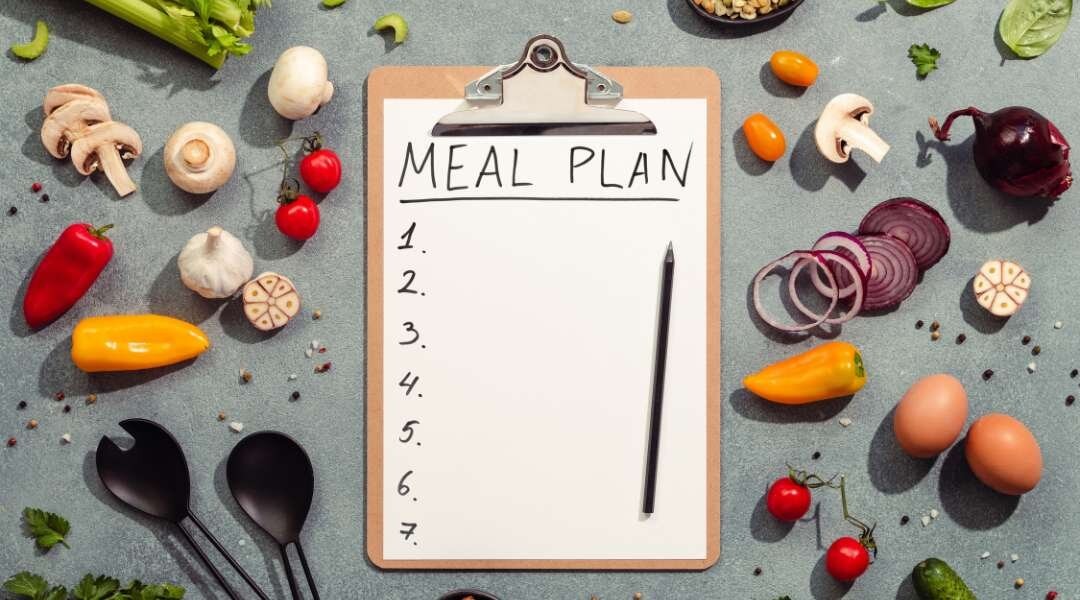
Creating a chart for weight loss requires clear planning around indian diet patterns, indian food choices, indian diet plan structure, and indian weight loss diet needs.
It balances whole grains, brown rice, complex carbohydrates, healthy fats like olive oil and chia seeds, protein rich foods, fresh fruits, leafy greens, portion control, and calorie awareness.
1. Fix the Number of Meals in the Day
Fixing meal count brings structure to a weight loss plan and prevents random eating. Whether it is three meals or five smaller ones, consistency supports healthy eating, steady energy, and better blood sugar control. This step helps avoid weight gain caused by long gaps or constant snacking.
A fixed meal count removes daily decision-making. Once the number is set, the chart can be built around predictable time slots rather than appetite swings.
Example
Someone who plans three meals and one snack is less likely to overeat late in the evening.
2. Decide Food Groups for Each Meal Slot
Each meal should include a planned mix of whole foods from an indian diet, such as grains, proteins, vegetables, and fats. Using familiar indian food keeps the indian diet plan realistic and easier to follow as part of an indian weight loss diet.
Key focus
-
Meals should feel complete, not pieced together
-
Each group plays a role in satiety and energy
-
Balance matters more than variety at every meal
This clarity prevents meals from drifting toward excess carbohydrates or missing protein.
3. Allocate Protein Portions Across Meals
Spreading protein rich foods across meals supports fat loss, muscle retention, and a healthy weight. Options like grilled chicken, grilled fish, greek yogurt, lentil soup, or a protein smoothie help control hunger and improve overall health during a weight loss journey.
Protein works best when it is evenly distributed. Large gaps without protein often lead to overeating later in the day.
4. Assign Carbohydrate Sources and Quantities
Choosing the right carbohydrates matters more than cutting them out. Whole grains, complex carbohydrates, brown rice, and multigrain toast support energy and digestion when portions are controlled. Knowing when to eat brown rice versus refined options like white bread improves balance.
Carbohydrates should support activity and recovery, not dominate every meal.
Example
Measured portions of whole grains keep meals satisfying without pushing calorie intake too high.
5. Include Fats in Controlled Portions
Healthy fats are essential for hormone balance and nutrient absorption. Small amounts of olive oil or chia seeds support fat loss without excess calories. This approach avoids the low fat trap while keeping the diet chart practical and nutritionally complete.
Fat portions should be planned, not added casually during cooking.
6. Add Vegetables and Fiber to Every Main Meal
Vegetables improve fullness and digestion while supporting essential nutrients. Leafy greens, steamed vegetables, vegetable stir fry, fresh fruits, and fresh fruit salad add fiber and volume, making the chart for weight loss easier to follow without constant hunger.
Fiber-rich meals slow eating pace and improve satisfaction.
7. Define Snack Options and Portion Limits
Unplanned snacks often lead to excess calories. Defining snack choices helps maintain portion control and reduces reliance on packaged snacks, soft drinks, or sugary drinks. Planned snacks support healthy habits and prevent blood sugar swings between meals.
Snacks should bridge meals, not replace them.
8. Set Simple Portion Guides for Each Meal
Portion guides remove confusion around how many calories to eat without constant tracking. Visual cues combined with mindful eating help maintain a balanced diet while supporting steady weight loss and better long-term adherence to the diet plan.
Practical reference
-
Protein close to palm size
-
Carbohydrates kept to a measured serving
-
Fats limited to small additions
These cues work even when eating outside the home.
9. Create a Weekly Rotation to Avoid Repetition
Repeating the same meals can reduce motivation. Rotating dishes such as stir fried tofu, fried tofu in moderation, or different protein and vegetable combinations keeps the diet chart flexible while maintaining balanced nutrition and consistency.
Rotation supports adherence without changing portion logic.
10. Finalize the Chart in a Clear, Repeatable Format
A diet chart should be easy to read, repeat, and adjust. Whether used as a diet chart for weight or a chart for weight loss, clarity helps maintain structure, reduces decision fatigue, and supports long-term adherence to the plan.
A finished chart should also note hydration choices, such as warm water or lemon juice, and allow room to incorporate physical activity without altering food portions daily.
When structure replaces guesswork, the plan becomes easier to follow consistently. That consistency makes it easier to see where people unintentionally break fat loss, which is what the next section addresses.
“Receive premium groceries and curated meals delivered to your doorstep. Make your fat loss journey effortless.”
Common Mistakes That Break Fat Loss Even in a Balanced Diet Plan
Fat loss stalls when people ignore portion control, rely on packaged snacks, sugary drinks, soft drinks, excess salt, and avoid processed foods inconsistently. Poor sleep, low physical activity, missing healthy habits, and skipping practical tips weaken even good plans.
These mistakes quietly undo progress.
1. Eating Too Little and Slowing Metabolism
Severe calorie cuts often slow metabolism and increase fatigue. This approach can stall fat loss and lead to weight gain later, especially when the body adapts to prolonged under eating.
Key points
-
Very low calories reduce energy levels
-
The body conserves fat and breaks down muscle
-
Short-term loss is often followed by rebound weight gain
Example
Skipping breakfast or eating under 1,000 calories daily may show weight drop initially, but hunger and fatigue increase mid-day, causing overeating later.
2. Skipping Protein in Main Meals
Missing protein reduces satiety and increases cravings. Over time, this weakens fat loss and makes a weight loss diet harder to sustain, even when calories seem controlled.
Key points
-
Protein stabilizes appetite hormones
-
Supports muscle retention during weight loss
-
Helps avoid energy crashes mid-day
3. Overeating Healthy Foods Without Portion Control
Healthy foods still contain calories. Ignoring portion control can quietly push intake beyond needs, slowing progress despite following a balanced diet.
Key points
-
Nuts, seeds, and fruits are nutrient-rich but calorie-dense
-
Measuring or visually estimating portions prevents accidental overconsumption
Example
A handful of nuts is sufficient; eating several handfuls during the day can offset a well-planned meal.
4. Ignoring Meal Timing and Long Gaps Between Meals
Long gaps can trigger overeating later in the day. Irregular timing affects energy, blood sugar stability, and consistency within a weight loss plan.
Key points
-
Meal spacing of 3–5 hours keeps hunger manageable
-
Consistent timing helps balance blood sugar and energy
5. Relying on Processed Low-Fat or Sugar-Free Foods
Many processed foods marketed as low fat or sugar free still disrupt appetite and nutrition quality. They often replace whole foods and reduce overall diet quality.
Key points
-
Processed substitutes can increase cravings
-
Whole foods provide fiber, protein, and micronutrients
Example
Low-fat cookies may reduce fat content but are high in sugar and can spike cravings.
6. Not Tracking Liquid Calories and Snacks
Calories from beverages and small snacks add up quickly. Ignoring them can undermine fat loss even when meals appear well planned.
Key points
-
Sugary drinks, juices, and coffee beverages add hidden calories
-
Planned hydration and snack tracking supports consistent results
7. Inconsistent Eating Patterns Across the Week
Following the plan on weekdays but abandoning it on weekends creates imbalance. This inconsistency slows progress and affects healthy habits.
Key points
-
Weekend “cheat” meals should still follow basic portion logic
-
Daily consistency matters more than extreme restriction
8. Cutting Carbs Aggressively Instead of Balancing Them
Removing carbohydrates completely can reduce energy and increase cravings. Balanced intake supports sustainable weight loss and better performance.
Key points
-
Whole grains, vegetables, and fruits supply fiber and micronutrients
-
Moderate carbs timed around activity help maintain energy
9. Poor Sleep and High Daily Stress Levels
Sleep and stress influence appetite hormones and recovery. Ignoring them can stall fat loss despite a well structured diet plan.
Key points
-
Lack of sleep increases ghrelin (hunger hormone)
-
Stress elevates cortisol, which can increase fat storage
-
Target 7–8 hours of quality sleep daily
10. Expecting Spot Reduction for Belly Fat
Fat loss does not happen in isolated areas. Expecting targeted belly fat reduction often leads to frustration and unrealistic expectations.
Key points
-
Fat loss occurs evenly over the body
-
Focus on total energy balance, nutrition, and consistency
Example
Crunches alone will not reduce belly fat; overall calorie control and consistent exercise are required.
When these mistakes are understood, it becomes easier to see why even well-structured diet charts can fail. The next section focuses on how health conditions modify fat loss strategies, so planning aligns with individual needs.
How Health Conditions Change the Way a Diet Plan for Weight Loss Should Be Structured

Health conditions such as blood sugar imbalance, blood pressure concerns, thyroid issues, PCOS, digestive health problems, joint pain, and inflammation require different weight loss diet and weight loss diet plan adjustments. Ignoring these factors risks poor results and discomfort.
1. High Blood Sugar and Prediabetes
Blood sugar imbalance requires meals that stabilize glucose levels. Portion control, fiber-rich foods, and balanced carbohydrates help avoid spikes that can stall fat loss.
Key points
-
Focus on low-GI carbohydrates like oats, brown rice, or millets
-
Include protein at every meal to slow glucose absorption
-
Avoid sugary drinks and refined grains
Example
A bowl of lentil soup with a small portion of brown rice keeps blood sugar steady compared to a rice-heavy meal.
2. High Blood Pressure and Heart Health
Weight loss plans for high blood pressure need to control sodium intake and include foods that support heart function. Whole foods, vegetables, fruits, and moderate healthy fats are critical.
Key points
-
Reduce excess salt and processed foods
-
Include potassium-rich foods like leafy greens and beans
-
Balance protein, carbs, and fats for overall heart health
3. Thyroid-Related Weight Issues
Thyroid disorders affect metabolism and energy levels. Diet plans should maintain adequate calories, support hormone function, and avoid extreme restrictions that can worsen fatigue or slow metabolism.
Key points
-
Moderate carbohydrate and protein balance
-
Include iodine and selenium-rich foods if appropriate
-
Focus on consistent meal timing to support energy
4. PCOS and Hormonal Imbalance
PCOS impacts insulin sensitivity and fat distribution. Weight loss diet plans must stabilize blood sugar and include anti-inflammatory foods.
Key points
-
Emphasize high-fiber vegetables, whole grains, and protein-rich foods
-
Limit refined sugars and processed foods
-
Small, frequent meals can reduce insulin spikes
Example
A lunch with grilled tofu, vegetables, and quinoa provides steady energy and supports insulin balance.
5. Digestive Health Problems
Digestive issues require meals that are easy to absorb, high in fiber, and balanced in macronutrients. Avoiding foods that trigger discomfort is key.
Key points
-
Incorporate cooked vegetables and easily digestible proteins
-
Include fermented foods or probiotics if suitable
-
Space meals evenly to prevent bloating
6. Joint Pain and Inflammation
Joint issues can limit physical activity, so diet must support inflammation reduction and maintain weight loss without over-reliance on exercise alone.
Key points
-
Include anti-inflammatory foods like leafy greens, olive oil, and nuts
-
Focus on lean protein and whole grains
-
Hydration supports joint lubrication and recovery
Considering these health conditions while building a diet plan ensures fat loss is safe, sustainable, and effective. The next section focuses on lifestyle changes that strengthen long-term fat loss, which work in tandem with these medical considerations.
Beyond Dieting: How Lifestyle Changes Support Long-Term Fat Loss
Fat loss improves when healthy habits, mindful eating, physical activity, and sustainable weight loss thinking support the diet plan. Lifestyle consistency strengthens results that food alone cannot hold. This section connects daily choices with long term fat loss stability.
1. Daily Habits That Reinforce Fat Loss
Small, repeatable daily habits have a bigger impact than short-term dietary extremes. When routines support consistent energy balance, fat loss becomes more predictable.
Key points
-
Schedule meals and snacks to reduce unplanned eating
-
Track sleep and stress levels to maintain hormonal balance
-
Include hydration reminders, such as water or lemon juice
Example
Drinking a glass of warm lemon water before breakfast supports digestion and helps regulate appetite throughout the morning.
2. Mindful Eating Practices
Mindful eating helps recognize hunger cues, prevents overeating, and supports better portion control. It reinforces the structure set by the diet chart.
Key points
-
Eat slowly and avoid distractions during meals
-
Focus on meal satisfaction rather than empty calories
-
Use visual cues for portion control
Example
Pausing between bites allows the body to signal fullness, reducing the risk of extra snacking.
3. Physical Activity Integration
Incorporating physical activity strengthens fat loss, improves metabolism, and supports overall health. Activity does not need to be extreme; consistent movement is key.
Key points
-
Include walking, stretching, or light cardio daily
-
Strength training preserves muscle during fat loss
-
Combine activity with meal timing for optimal energy use
Example
A 20-minute walk after lunch can stabilize blood sugar and improve digestion without adding stress.
4. Long-Term Lifestyle Consistency
Long-term fat loss depends on maintaining habits, not temporary diets. Integrating mindful eating, balanced meals, and daily movement into routines makes the process sustainable and realistic.
Key points
-
Avoid relying solely on dietary restrictions
-
Build flexibility for social events without breaking structure
-
Focus on progress, not perfection
When healthy habits, mindful eating, and physical activity are combined with a structured diet plan, fat loss becomes sustainable and less stressful. This understanding naturally leads into strategies for measuring results and adjusting your plan to ensure long-term success.
FAQs
1. How Long Does It Usually Take to See Visible Fat Loss Results?
Visible fat loss generally appears in 4–8 weeks, depending on consistency, diet quality, activity level, and individual metabolism. Early changes are often subtle, like reduced bloating or firmer muscles, before major scale differences appear.
2. Can Fat Loss Happen Without Strict Calorie Counting Every Day?
Yes. Fat loss can occur by following a structured diet plan with balanced portions and healthy habits. Consistency and portion control matter more than obsessively tracking every calorie.
3. Is It Normal for Weight to Fluctuate During Fat Loss?
Yes. Daily weight changes of 1–2 kg are normal due to water balance, digestion, and glycogen levels. Focus on trends over weeks, not day-to-day numbers.
4. How Do Social Events and Eating Out Affect Fat Loss Progress?
Social meals can add extra calories, but planning ahead, portion control, and prioritizing protein and vegetables help maintain progress without derailing the overall plan.
5. Is a Diet Chart for Weight Enough or Is Professional Guidance Sometimes Needed?
A diet chart provides structure, but professional guidance is useful if you have health conditions, metabolic concerns, or need personalized adjustments for long-term fat loss.
Conclusion
Sustainable fat loss comes from consistent structure, balanced meals, and daily habits rather than extreme restrictions. Focus on building a repeatable plan, staying mindful of portions, and incorporating movement and lifestyle practices.
Small, steady changes compound over time, making results lasting and effortless without strict dieting.
“Try our 30-day guided program with a dedicated nutritionist and see real results in just one month.”




Leave a comment
Translation missing: en.blogs.comments.discription