

Our ancestors never counted calories, yet they stayed lean, strong, and disease-free. Modern eating flipped that balance, filling plates with sugars, oils, and instant comfort.
The Paleo Diet Chart asks a simple question, what if returning to real, unprocessed foods could reverse today’s health problems?
Built on a hunter-gatherer type diet from the Paleolithic era, it replaces modern foods with natural ones that improve gut health, balance metabolism, and restore lasting energy.
What Is the Paleo Diet and How Does It Work for Weight loss or Gain?

The paleo diet, rooted in the Paleolithic era, follows a hunter gatherer type diet built around unprocessed foods our ancestors once relied on. By eliminating modern foods, grains, legumes, and dairy, it mimics how foods humans originally ate.
This diet focuses on restoring natural metabolism and supporting steady weight management. Understanding its foundation helps you see why the paleo diet may improve overall balance.
The paleolithic diet, often called the caveman diet or stone age diet, emerged from the simple idea that human genetics are still best suited to ancient eating patterns. Our ancestors depended on wild plants, lean meat, and fish, shaping an eating plan built purely around essential food groups found in nature.
Unlike modern or highly processed foods that disrupt digestion and hormone balance, this approach returns to clean, nutrient-rich sources that the body recognizes instinctively.
“Every time you eat or drink, you are either feeding disease or fighting it.”
— Heather Morgan, Nutritionist
The paleo diet may therefore lead to improved metabolic function and gradual weight control through whole, natural nutrition.
Core aspects of this eating model include:
-
Emphasizing food groups like fruits, vegetables, meats, nuts, and seeds that reflect true evolutionary nutrition.
-
Replacing processed oils with natural fats while keeping saturated fat intake moderate and derived from quality sources.
-
Avoiding dairy, legumes, refined sugar, and grains to maintain a strict paleo diet pattern.
-
Prioritizing lean meats and grass-fed options for better nutrient absorption.
-
Steering clear of modern staples like refined grains or rice, though some flexible versions allow you to eat rice occasionally depending on activity levels.
-
Choosing unprocessed ingredients that align with an authentic hunter gatherer diet and promote balanced energy.
Some experts use systems like the score appraising paleolithic diet to measure adherence and nutritional quality, helping determine how closely modern meals reflect ancestral principles.
Comparatively, while the Mediterranean diet focuses on variety and moderation, paleo builds its strength in simplicity and exclusion, cutting out anything that evolved after agriculture.
Those who eat paleo often find improved digestion, better satiety, and smoother weight regulation due to consistent whole-food intake.
Following such a structure naturally encourages meal creativity, giving rise to countless paleo diet recipes designed to make clean eating both practical and enjoyable.
“The food you eat can be either the safest and most powerful form of medicine or the slowest form of poison.”
— Ann Wigmore, Holistic Health Pioneer
When history meets nutrition science, food becomes both fuel and medicine and the next section translates these principles into a practical, easy-to-follow meal plan.
Your Practical and Easy-to-Follow Paleo Meal Plan

A good paleo eating plan brings whole foods and healthy foods together into an eating plan that includes lean meats, grass fed meats, coconut milk, and fresh fruits. Using olive oil or avocado oil ensures the right mix of monounsaturated fats and essential nutrients.
This structure creates delicious meals that make eating paleo simple and sustainable, setting the tone for your detailed meal chart ahead.
| Day | Breakfast | Lunch | Dinner | Snacks / Add-ons |
|---|---|---|---|---|
| Monday | Scrambled eggs cooked in olive oil with fresh fruits | Grilled chicken salad with avocado oil dressing | Baked salmon with steamed vegetables | A handful of pumpkin seeds or coconut milk smoothie |
| Tuesday | Banana almond smoothie with coconut milk | Lean meat stir-fry with veggies and olive oil | Grass-fed beef or paneer sautéed with greens | Fresh fruit bowl or roasted nuts |
| Wednesday | Boiled eggs with sautéed spinach | Chicken salad with avocado oil and mixed greens | Grilled fish with olive oil drizzle | Coconut chips or apple slices |
| Thursday | Coconut milk chia pudding with berries | Sweet potato and grilled chicken bowl | Stir-fried vegetables with lean meats | Pumpkin seeds or paleo energy bites |
| Friday | Omelet with vegetables and olive oil | Grass-fed beef and broccoli bowl | Shrimp curry cooked in coconut milk | Handful of almonds or fresh fruits |
| Saturday | Fresh fruit platter with coconut yogurt | Chicken salad with avocado oil | Grilled lamb or tofu with vegetables | Coconut water and nuts |
| Sunday | Smoothie with banana, spinach, and coconut milk | Grilled lean meat with sweet potato mash | Baked fish with olive oil and herbs | Fresh berries or pumpkin seeds |
Each meal focuses on whole foods, natural fats, and essential nutrients while avoiding dairy, grains, or processed ingredients. The goal is to maintain balance across all food groups without overcomplication.
This plan keeps energy steady, appetite satisfied, and progress visible, the next step explores which foods to strictly avoid to stay within the true paleo framework.
Build your own meal combinations, track calories, and measure real progress using Balance Bite designed to make Paleo planning effortless and sustainable
Foods to Strictly Avoid on the Paleo Diet
Strict paleo guidelines cut out modern processed foods, grains, legumes, and dairy products that can disrupt digestion and energy. Non paleo foods like whole grains, vegetable oils, and items high in high fructose corn syrup move you away from a truly unprocessed lifestyle.
Foods and ingredients to completely avoid:
-
Grains such as wheat, rice, oats, barley, and corn, which are not part of the original paleo framework.
-
Legumes including beans, lentils, peas, and soy that can affect digestion and nutrient absorption.
-
Dairy products like milk, cheese, and yogurt that were introduced long after the hunter-gatherer period.
-
Refined sugars and sweeteners including high fructose corn syrup that increase inflammation and energy crashes.
-
Vegetable oils such as soybean, canola, and sunflower oil that contain unstable fats and are heavily processed.
-
Packaged and highly processed foods that contain additives, preservatives, and artificial flavors not found in nature.
Following these rules keeps your meals pure and consistent with the philosophy of unprocessed nutrition. Every restriction here exists to protect metabolic stability and promote better digestion.
Eliminating these ingredients opens space for natural fats, proteins, and plant-based nutrients to work efficiently, leading us directly to who can follow this plan safely and who may need to modify it.
Who Should Avoid or Modify the Paleo Diet
Certain individuals with heart disease or existing nutritional deficiencies may need to modify the plan. Since the paleo diet may affect cardiovascular risk factors and those sensitive to grains, legumes, or dairy products, adjustments are sometimes required.
Individuals who should exercise caution or modify their approach include:
1. People with Cardiovascular Disease
Those with heart disease should moderate red meats and saturated fat while focusing on lean meat, fish, and olive oil. Prioritizing monounsaturated fats over animal fats helps maintain better cholesterol and aligns with heart-healthy eating.
2. Individuals with Nutritional Deficiencies
Eliminating grains, legumes, and dairy can lower calcium, magnesium, and vitamin B intake. Including fortified plant-based foods or supplements ensures nutritional balance while staying close to the paleo principle of whole, natural eating.
3. Athletes and Physically Active Individuals
Those with higher energy demands need more carbohydrates for endurance and muscle recovery. Adding paleo-friendly carbs such as sweet potatoes or a small portion of rice keeps glycogen levels stable without leaving the strict paleo structure entirely.
4. Pregnant and Breastfeeding Women
This group requires extra folate, iron, and calcium to support maternal and infant health. A flexible paleo approach that allows small portions of dairy or fortified alternatives helps meet these needs safely.
5. People with Chronic Kidney or Liver Issues
A high-protein diet can strain filtration systems in those with existing conditions. Balancing meat intake with fruits, vegetables, and moderate protein sources helps manage stress on the kidneys and liver.
6. Those Transitioning from Processed Diets
Shifting too quickly from modern processed foods to a strict paleo diet can cause fatigue or nutrient shock. Gradual changes allow the body to adapt to unprocessed nutrition while maintaining energy and mood stability.
The paleo diet may encourage metabolic and physiologic improvements when followed with awareness. Recognizing these considerations helps individuals apply paleo principles safely before exploring the specific health benefits that make it so effective.
Health Benefits of Following the Paleo Diet
The paleo diet may enhance gut health, improve cardiovascular risk factors, and lower heart disease markers by emphasizing unprocessed and whole foods. Including essential nutrients and grass fed sources helps restore natural energy and supports a truly healthy diet.
Recognizing these metabolic and physiologic improvements reveals why paleo eating aligns with long-term wellness goals.
Key health benefits include:
-
Better gut health through fiber-rich vegetables, fruits, and fermented foods that nourish healthy bacteria.
-
Improved cardiovascular function as unprocessed fats and lean proteins support steady cholesterol levels and lower triglycerides.
-
Reduced heart disease risk when grass fed meats and olive oil replace refined vegetable oils and hydrogenated fats.
-
Enhanced nutrient absorption due to whole, natural ingredients that carry essential vitamins and minerals.
-
Stable energy and mental clarity as the diet avoids sugar crashes caused by processed carbohydrates.
-
Lower inflammation levels which support joint health and faster recovery from physical stress.
A consistent paleo routine also promotes metabolic and physiologic improvements by aligning nutrient intake with natural body rhythms. These cumulative effects not only improve short-term vitality but also build a foundation for lasting wellness.
When nutrition begins to repair from within, performance, recovery, and balance follow, the next section explores how to turn these benefits into personalized, goal-specific meal strategies.
Get a snapshot of how Paleo eating impacts your body. Try the Balance Bite health tracker to see measurable improvements in energy, digestion, and focus
Making Your Own Paleo Diet Plan: Smart Meal Prep Tips for Every Goal
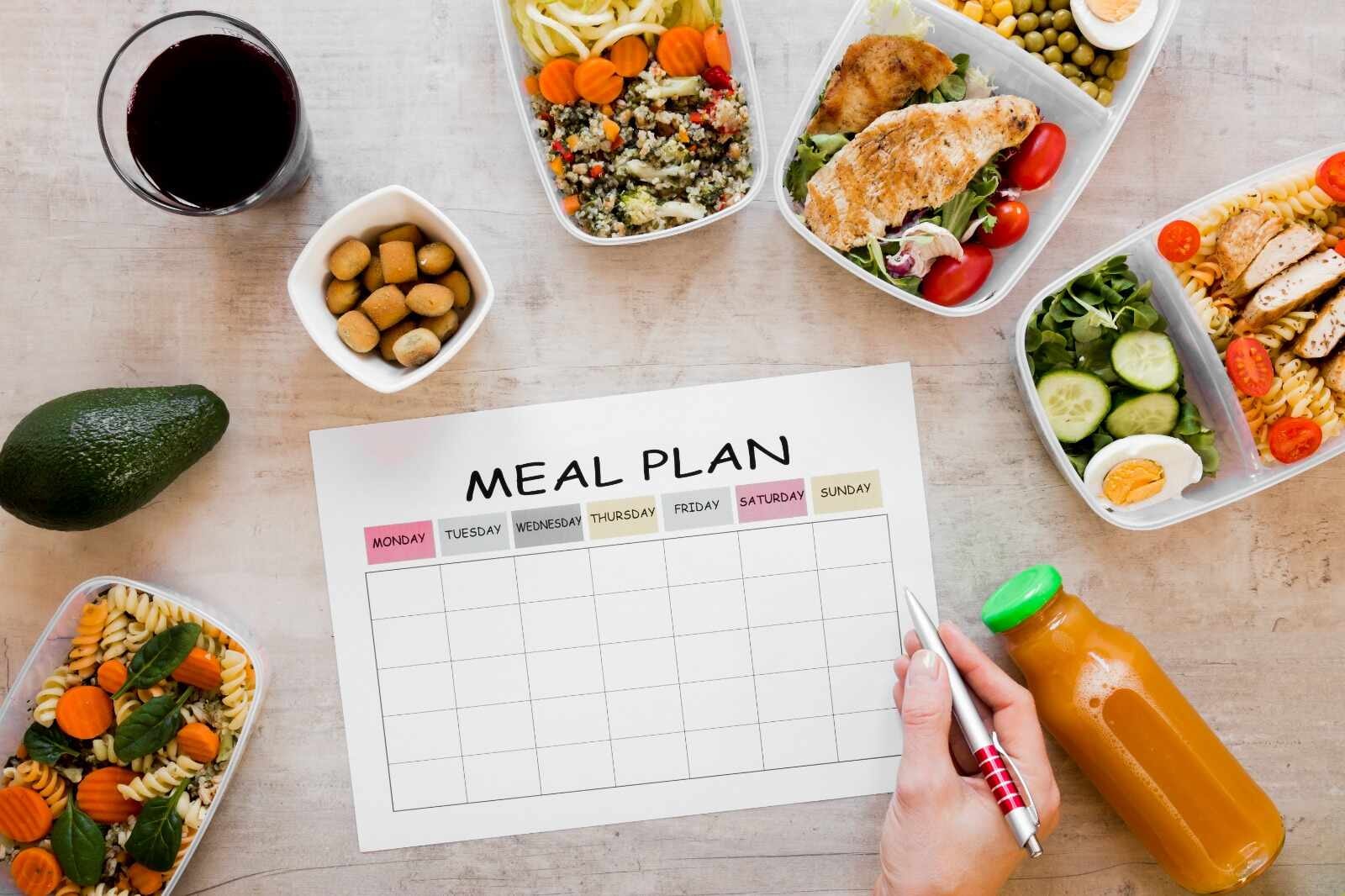
A successful paleo eating plan uses whole foods, unprocessed foods, lean meats, and grass fed options cooked with olive oil or avocado oil. Adding coconut milk and other paleo foods ensures meals stay nutrient rich and easy to follow.
This section helps you personalize your approach through different goals that define what following a paleo diet really means.
1. Weight Loss Goals
Focusing on lean meats, grass fed meats, and coconut milk keeps calories balanced while fueling metabolism. Fresh fruits supply fiber and essential nutrients that prevent cravings while the paleo diet may help reduce appetite naturally.
Keeping meals strictly paleo, portion-controlled, and evenly spaced throughout the day helps maintain fat loss without hunger. Consistency in food timing and quality shapes lasting results.
2. Muscle Gain and Strength
Grass fed proteins, lean meat, chicken salad, and avocado oil deliver clean energy for muscle recovery. Coconut milk provides extra calories that support growth without adding processed fats.
You can make small adjustments such as increasing portion size or adding olive oil for healthy calories. For training days, include paleo-friendly carb sources like sweet potatoes or plantains to sustain endurance.
3. Maintaining Overall Health and Energy
A foundation of whole foods, olive oil, and essential nutrients keeps energy levels stable and digestion smooth. Unprocessed foods reduce inflammation, helping the body maintain balance through busy routines.
Variety matters here, rotating fruits, vegetables, and protein types ensures complete micronutrient intake. Balanced meals rich in grass fed proteins and plant-based fats build steady energy across the day.
4. Lowering Blood Pressure Naturally
Avocado oil, extra virgin olive oil, and other monounsaturated fats play a direct role in regulating blood pressure while the paleo diet may improve circulation. These oils complement lean proteins and high-potassium vegetables to create a heart-supportive plan.
Simple steps like limiting salt, using herbs for flavor, and maintaining hydration strengthen the cardiovascular effects of a paleo lifestyle.
5. Busy Professionals or Students
Frozen vegetables, chicken salad, and quick meal combinations make paleo eating easier for tight schedules. Coconut milk and pumpkin seeds provide quick energy that helps avoid packaged food temptations.
Time-saving habits:
-
Prepare two large batches of meals per week.
-
Use reusable containers for easy grab-and-go lunches.
-
Keep healthy oils and nuts stocked for fast, satisfying snacks.
Building these small systems keeps your eating plan consistent even on long, unpredictable days.
6. Vegetarians Following the Paleo Diet
Coconut milk, avocado oil, pumpkin seeds, and fresh fruits supply essential nutrients that compensate for the absence of meat. Unprocessed foods create balance between protein, fats, and antioxidants.
Combining different seeds and vegetables builds complete amino acid profiles while maintaining a clean, natural diet. Vegetarian paleo remains fully achievable with creativity and mindful pairing.
“In the end, living well isn’t about restriction, it’s about returning to what works for your body.”
— Chris Kresser, Functional Medicine Expert
Each goal adapts the same foundation of whole, nutrient-dense food to individual needs. Adjusting quantities and priorities makes paleo eating flexible yet sustainable, setting up the next section on how exercise completes the system for strength and endurance.
Explore Balance Bite to personalize your Paleo plan and discover how clean, ancestral eating can power your modern lifestyle
Paleo Diet and Exercise: Building Strength, Energy, and Lasting Fitness

A diet rich in grass fed ingredients, supported by the paleo diet may, improves heart health and gut health through steady nutrient absorption. The result is improved metabolic and physiologic performance that sustains both energy and strength.
This naturally leads into understanding balance between activity and recovery.
Exercise amplifies what the paleo diet begins. The body uses clean, unprocessed fuel more efficiently when movement patterns are natural and consistent. Together, they create a rhythm where nutrition powers performance and recovery strengthens adaptation.
Paleo-friendly training focuses on movements that mimic real-life activity rather than isolation-based gym routines. It builds functional fitness, improving balance, agility, and muscle control.
Effective training formats include:
-
Bodyweight workouts like squats, planks, lunges, and pull-ups to enhance endurance and mobility.
-
Resistance sessions using kettlebells or free weights two or three times a week to maintain muscle mass.
-
Short sprints or HIIT circuits for metabolic conditioning and fat utilization.
-
Outdoor cardio such as hiking, swimming, or cycling to strengthen the heart and lungs while lowering stress.
-
Active recovery days involving yoga or stretching to maintain flexibility and prevent stiffness.
The paleo diet’s nutrient density fuels this structure. Clean proteins aid tissue repair, healthy fats support joint function, and vegetables restore minerals lost during exertion. Consistent training paired with proper rest ensures performance without fatigue.
When movement, rest, and nutrition align, the body reaches its natural equilibrium, the perfect point where energy feels effortless and fitness becomes self-sustaining. The next section explores the mistakes that often disrupt this balance and how to correct them effectively.
Common Mistakes to Avoid When Following the Paleo Diet
Many people new to strict paleo underestimate the risks of grains, legumes, dairy products, and vegetable oils. These modern processed foods often lead to nutritional deficiencies and higher saturated fats.
Recognizing these errors early prevents setbacks and strengthens the discipline behind a cleaner paleo lifestyle.
1. Eating Too Much Meat and Ignoring Vegetables
Focusing heavily on lean meats and grass fed meats without enough fruits and vegetables limits fiber and antioxidants. The result is sluggish digestion and micronutrient gaps. Balanced paleo eating means pairing proteins with colorful produce for a steady flow of vitamins and minerals.
To stay on track:
-
Fill half your plate with vegetables in every meal.
-
Add one serving of fruit daily to increase fiber and antioxidants.
-
Rotate greens, root vegetables, and seasonal produce for variety.
2. Using Unhealthy Oils That Aren’t Truly Paleo
Vegetable oils and refined seed oils are often mistaken as healthy options. They oxidize quickly and reduce the benefits of natural fats. Cooking with olive oil, avocado oil, or extra virgin olive oil provides clean monounsaturated fats that protect the heart and preserve food quality.
Better approach:
-
Replace vegetable oils with avocado, coconut, or olive oil.
-
Avoid frying and use low-heat cooking when possible.
-
Check labels for hidden refined oils in dressings or snacks.
3. Overeating Nuts and Seeds Without Portion Control
Nuts and pumpkin seeds add healthy fats and minerals but are calorie dense. When portions exceed daily needs, fat loss stalls. Keeping servings moderate ensures you gain their benefits without overloading calories or disrupting balance.
Simple ways to improve:
-
Limit nut servings to a small handful per day.
-
Mix seeds with fruits or vegetables for balanced snacks.
-
Avoid nut butters that include added sugars or oils.
4. Forgetting to Include Enough Healthy Carbs from Fruits and Vegetables
Fresh fruits, tubers, and starchy vegetables maintain energy and prevent fatigue. Skipping them can lead to nutrient loss and slower recovery. Rotating natural carb sources supports metabolic health and keeps meals satisfying.
Try this instead:
-
Include one starchy vegetable like sweet potato or yam per day.
-
Add fruit post-workout to replenish energy levels.
-
Track your energy and adjust carb intake based on activity.
5. Relying on Processed “Paleo-Labeled” Packaged Foods
Many products labeled paleo contain additives or hidden sugars. These modern foods blur the line between clean eating and convenience. Choosing whole, unprocessed ingredients aligns better with the diet’s original purpose.
Practical adjustment:
-
Prioritize whole foods over packaged ones.
-
Read ingredient lists carefully before buying.
-
Prepare snacks at home using basic, natural ingredients.
6. Not Drinking Enough Water or Electrolyte-Rich Fluids
Hydration drives metabolism and supports muscle function. Coconut water, fruit-infused water, and mineral-rich broths help maintain electrolyte balance during active days. Consistent hydration keeps performance and recovery steady.
Smart correction:
-
Aim for at least 8–10 glasses of water daily.
-
Add a pinch of salt or lemon for electrolytes.
-
Rehydrate after workouts using coconut water or broth.
7. Cutting Calories Too Aggressively in the Name of Weight Loss
Extreme restriction can trigger fatigue and hormonal stress. The paleo diet may promote fat loss, but consistency matters more than deprivation. Eating enough lean proteins, healthy fats, and vegetables keeps metabolism responsive.
To make it work better:
-
Eat balanced meals at regular intervals.
-
Focus on food quality, not calorie counting.
-
Add avocado or coconut milk to meals if energy feels low.
8. Ignoring Body Signals and Skipping Regular Health Checks
Fatigue, hair loss, or mood dips signal possible nutrient imbalances. Tracking weight, blood pressure, and energy levels helps ensure the body adapts safely to paleo changes. Awareness maintains progress without setbacks.
Better approach:
-
Keep a simple food and symptom log weekly.
-
Schedule health checkups every 3–6 months.
-
Adjust intake based on professional guidance or blood results.
9. Neglecting Exercise While Expecting Diet Alone to Deliver Results
Nutrition builds the foundation, but exercise completes it. Combining resistance training, cardio, or mobility workouts enhances energy use and physical tone. Movement turns dietary improvements into visible strength.
To stay consistent:
-
Incorporate 3–4 workout sessions per week.
-
Mix strength, cardio, and flexibility exercises.
-
Choose outdoor or bodyweight activities for natural movement.
10. Failing to Plan Meals and Falling Back on Convenience Foods
Unplanned eating often leads back to processed snacks or rushed decisions. Meal prepping twice a week and keeping basic staples ready makes staying paleo simple and consistent. Structure removes guesswork from daily choices.
Simple ways to stay prepared:
-
Prepare meal bases like grilled meats and chopped vegetables in advance.
-
Keep olive oil, nuts, and fruits stocked for quick snacks.
-
Use a simple weekly meal planner to stay organized.
Avoiding these mistakes transforms paleo eating from a short-term challenge into a sustainable system. With structure and self-awareness, you maintain results naturally, the next section explains how to build daily habits that keep this consistency alive.
Steps to Follow the Paleo Diet Consistently in Daily Life

Following a paleo diet revolves around unprocessed and whole foods enriched with avocado oil. Avoid processed foods and keep meals balanced with the paleo eating plan principles. This routine builds confidence to sustain the plan in everyday scenarios.
1. Plan Your Weekly Paleo Grocery List in Advance
Choosing unprocessed and whole foods ensures every meal stays aligned with paleo basics. Planning also prevents impulse buys and saves time during the week.
To plan efficiently:
-
List lean meats, fish, eggs, fruits, and vegetables before shopping.
-
Include healthy fats like olive oil, coconut milk, and nuts.
-
Shop once a week and store produce in clear containers for easy access.
2. Stock Up on Healthy Oils, Nuts, and Seeds for Quick Meals
Keep olive oil, avocado oil, extra virgin olive oil, and pumpkin seeds ready for easy cooking and snacking. These ingredients provide healthy fats that keep meals filling and flavorful.
Practical tip:
-
Store nuts and seeds in airtight jars.
-
Rotate oils weekly to maintain freshness and variety.
-
Keep a small container of mixed seeds handy for travel or work.
3. Prep Fruits and Vegetables in Batches for the Week
Batch preparation saves effort and makes sticking to paleo realistic even on busy days. Pre-washed and pre-chopped produce reduces decision fatigue when hunger strikes.
To simplify prep:
-
Wash and chop vegetables right after buying them.
-
Store fruits in breathable mesh bags.
-
Use clear boxes or mason jars for quick grab-and-go options.
4. Learn to Read Food Labels for Hidden Sugars and Additives
Many packaged items disguise sugars under different names or include processed oils that are not paleo-friendly. Reading labels helps you avoid setbacks and stay fully aligned with clean eating.
What to check for:
-
Hidden ingredients like high fructose corn syrup or artificial sweeteners.
-
Vegetable oils or preservatives that compromise food purity.
-
Short ingredient lists, the fewer, the better.
5. Choose Paleo-Friendly Options When Eating Out or Traveling
Staying paleo outside home depends on mindful selection rather than perfection. Simple swaps can help maintain consistency without feeling restrictive.
Smart ways to manage it:
-
Ask for grilled or roasted options instead of fried.
-
Replace bread or rice with extra vegetables or salad.
-
Carry small snacks like nuts or fruit when traveling.
6. Track Meals, Weight, and Blood Pressure Weekly
Monitoring progress keeps motivation high and reveals how your body adapts to paleo eating. Tracking also ensures balance and identifies early signs of nutrient imbalance.
What to monitor:
-
Weight, waist size, and blood pressure trends.
-
Energy levels, digestion, and mood stability.
-
Any recurring cravings or fatigue patterns.
7. Rotate Protein Sources to Avoid Nutrient Deficiency
Relying on the same protein daily limits amino acid variety. Switching sources prevents nutritional gaps and keeps meals interesting.
Good rotation examples:
-
Grass fed meats, fish, poultry, and eggs.
-
Occasional organ meats for iron and vitamin B12.
-
Plant-based options like nuts and seeds for variety.
8. Review Your Paleo Diet Every Few Weeks for Balance and Variety
Even strict paleo followers benefit from regular reassessment. Over time, energy demands and nutrient needs evolve, so the plan must adapt accordingly.
To review effectively:
-
Evaluate energy, sleep, and digestion every 3–4 weeks.
-
Check if any food groups are overused or missing.
-
Make gradual adjustments, not sudden overhauls.
Small routines like these make paleo less about restriction and more about rhythm.
FAQs
1. What Are Some Beginner-Friendly Paleo Diet Food Options to Start With?
Start simple with eggs, chicken, fish, sweet potatoes, leafy greens, fruits, nuts, and healthy oils like olive or coconut oil. These basics help you get used to whole, unprocessed eating without feeling restricted.
2. How Much Can You Eat on the Paleo Without Overdoing Calories?
Listen to hunger cues and focus on nutrient-dense meals. Eat until comfortably full, not stuffed. Balancing protein, vegetables, and healthy fats helps prevent overeating naturally.
3. Can the Paleo Diet Menu Be Adjusted for People With Low Blood Pressure?
Yes. Add more natural salts like pink Himalayan salt, increase fluid intake, and include potassium-rich foods such as bananas and avocados. Avoid excessive restriction to keep blood pressure stable.
4. How Long Does It Take to Notice Results or Lose Weight on the Paleo Diet?
Most people start seeing noticeable changes in energy and body composition within 3 to 4 weeks. Consistency, portion control, and staying active are key to visible results.
5. Can the Paleo Diet Help Lower Blood Pressure Without Medication?
It can help when combined with lifestyle changes. By reducing processed foods, refined sugars, and unhealthy oils, Paleo eating supports better heart health and stable blood pressure over time.
Conclusion
The paleo diet is less about recreating the past and more about returning to balance. By eating foods the body recognizes, energy stabilizes, digestion improves, and modern fatigue starts to fade.
You don’t need perfection to see results, just awareness, preparation, and steady choices that align with natural eating. Start small: swap one processed meal for a whole-food option and notice how your body responds.
Consistency, not intensity, creates change. Each mindful meal moves you closer to better health, sharper focus, and a lifestyle that feels sustainable rather than restrictive.
Ready to bring balance back to your plate? Start your 7-day Paleo-style plan on Balance Bite and feel the difference of eating the way your body was built to




Leave a comment
Translation missing: en.blogs.comments.discription