

PCOS changes the way the body responds to food, and the gap between what women eat and how their symptoms behave is often wider than it seems. Diet becomes confusing when hunger, energy and cycles shift without clear patterns.
Experts now show how treating PCOS with diet becomes effective when eating habits align with insulin signals, inflammation control and steady blood sugar. Their view turns food from guesswork into a predictable tool for daily management.
Can You Really Treat PCOS With Diet?
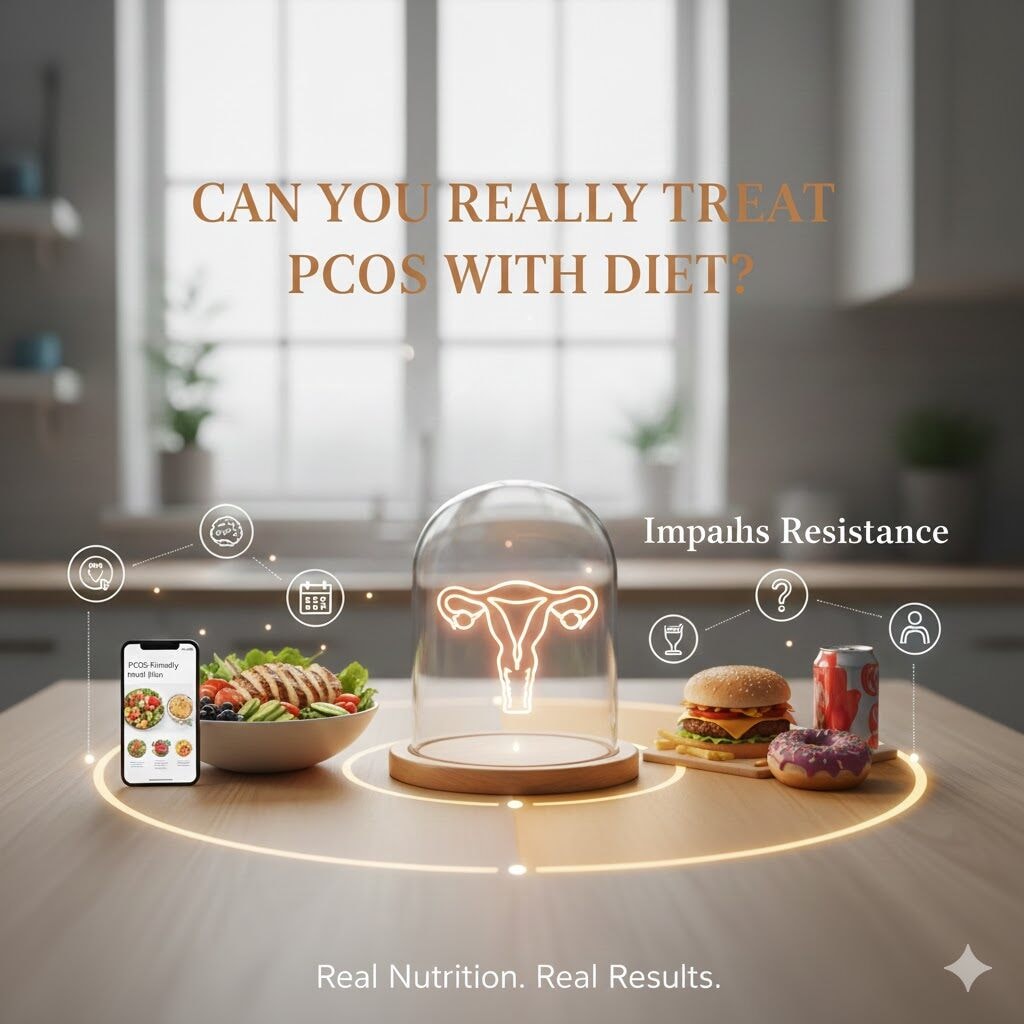
A healthy diet plays a central role in managing polycystic ovary syndrome because food patterns influence how this hormonal disorder behaves. Women with PCOS often adjust meals without understanding how deeply nutrition shapes symptoms in people with pcos and pcos patients.
Seeing diet as part of the condition itself makes the next steps easier to follow.
A PCOS focused eating pattern works when it supports the body’s natural systems rather than pushing strict rules. Food choices guide how cells respond to insulin, how steady cravings feel and how consistently cycles appear. Small, predictable habits create clearer feedback than heavy restrictions.
How diet interacts with polycystic ovary syndrome
-
It affects how efficiently the body handles glucose, which influences hunger, mood and energy across the day.
-
It shapes inflammation levels, which can intensify pain, fatigue or acne when left unmanaged.
-
It supports hormone balance by stabilizing nutrients that regulate ovarian function.
-
It guides long term weight trends, which is meaningful in a hormonal condition that alters appetite and metabolism.
Simple shifts often show the strongest impact. Choosing whole grains over refined options, or adding a source of protein to a carb-heavy meal, can change how long energy lasts and how predictable symptoms feel through the week. These small adjustments build a foundation that makes PCOS easier to manage.
Diet becomes effective when it supports the systems that PCOS disrupts. To understand why this connection is so strong, the next step is to look at insulin resistance and how it shapes PCOS symptoms over time.
How Insulin Resistance Shapes PCOS Symptoms Over Time
Insulin sensitivity and insulin production affect how strongly symptoms unfold in women with PCOS. When insulin levels stay unstable, the body struggles to regulate insulin levels and improve insulin resistance. Over time, this pattern disrupts energy and hormone balance.
Understanding this pattern sets up a clearer view of why certain foods produce steadier responses.
Insulin resistance means the cells do not respond well to insulin, so the body produces more to get the same job done. As insulin levels rise, the ovaries and liver receive stronger signals that can shift hormone balance, appetite and fat storage. This is why the same meal can feel heavier for people with PCOS than for others.
Key ways insulin resistance influences PCOS symptoms
-
It reduces insulin sensitivity, so the body needs higher insulin production to move glucose into cells.
-
It pushes the pancreas to work harder, which keeps insulin levels raised for longer than needed.
-
It disrupts hormone balance in the ovaries, so androgen levels can climb and cycles become less predictable.
-
It makes it harder to reduce insulin resistance, because frequent spikes turn into a daily pattern.
-
It slows progress in pcos management by turning small blood sugar swings into ongoing fatigue and cravings.
You can see the effect in everyday situations. A breakfast based on sweetened cereal and juice may trigger a quick blood sugar rise, followed by a sharp dip in energy. The same person might feel steadier with eggs and vegetables, because that mix demands less insulin and gives more controlled release of glucose.
Improving insulin resistance is not about removing all carbohydrates, it is about helping the body regulate insulin levels in a smoother curve. When food choices lower the demand for constant insulin production, PCOS symptoms often become less sharp and more predictable over time.
Insulin is only one part of the story, though, and the way different carbohydrates act on blood sugar explains the next link in this chain, the glycemic index and why it matters more than counting calories.
Why The Glycemic Index Matters More Than Counting Calories?
Blood sugar stability matters more than simple calorie tracking. Low GI eating helps the body manage refined carbohydrates, white bread and whole grains in a more predictable way. Brown rice and other balanced carb sources support a rhythm that calories alone cannot explain.
Seeing how different carbohydrates behave prepares you for choosing foods that keep blood sugar steady.
For someone living with polycystic ovary syndrome pcos, the pcos diet works best when it looks beyond calories and watches how fast glucose enters the blood. A pcos diet focuses on keeping blood sugar stable so hormones receive a calmer signal, and this is exactly what the glycemic index measures.
How the glycemic index shapes PCOS friendly carbs
-
Low GI foods release glucose slowly, which keeps blood sugar stable for longer periods after meals.
-
High GI refined carbohydrates, such as white bread or sugary snacks, create sharp rises and sudden drops in energy.
-
Whole grains and brown rice usually sit in the middle range, offering a steadier curve than ultra processed options.
-
Kidney beans and other legumes are classic low GI choices that support a more controlled response in a PCOS diet.
Practical examples inside a pcos diet
-
Swapping a white bread sandwich for one made with dense whole grain bread makes the same lunch feel more stable.
-
Building a bowl with brown rice, kidney beans and vegetables slows digestion and extends fullness through the afternoon.
-
Pairing high GI foods with protein and fat, for example fruit with yogurt, softens their impact on blood sugar.
-
Choosing water or green tea instead of sweetened drinks avoids unnecessary spikes that quietly strain insulin control.
Calories still matter, but for PCOS the pace of glucose release often matters more than the total number on a label. Once this pace is under control, the next question is how the foods you choose influence inflammation inside the body and how anti inflammatory foods can support that work.
“Use MyBalance Bite’s Meal Patterns to Build Low GI Plates Faster”
The Role of Anti Inflammatory Foods Inside the Body
Anti inflammatory properties help counter the effects of highly processed foods, processed foods, fried foods and processed meats. These choices influence how the body reacts daily, especially when inflammation affects hormone signals.
Reducing this load supports smoother progress for women with PCOS. This perspective opens the door to understanding which food patterns calm the body instead of aggravating it.
How inflammation interacts with hormones in PCOS
-
Inflammatory molecules interfere with hormone receptors, which makes it harder for cells to respond to insulin and other signals.
-
They influence how the ovaries communicate with the brain, which can affect ovulation rhythm and cycle regularity.
-
They contribute to fluid shifts and tissue sensitivity, which may intensify pain, bloating or pelvic discomfort.
-
They place extra stress on blood vessels, which matters in a condition already linked to metabolic and cardiovascular risks.
When processed foods dominate the plate, these inflammatory signals repeat several times a day. A lunch of fried foods with processed meats, followed by sweetened snacks, keeps the body working to manage both glucose and inflammation. Over months, this pattern shapes how strongly PCOS symptoms are felt and how hard the body has to work to stay balanced.
Anti inflammatory foods do not fix everything on their own, but they create a gentler internal environment that supports hormonal care. With this calmer base, it becomes easier to see how different PCOS types respond when diet begins to change.
“See How MyBalance Bite Designs Anti Inflammatory Meal Plans”
How Different PCOS Types Respond to Dietary Changes
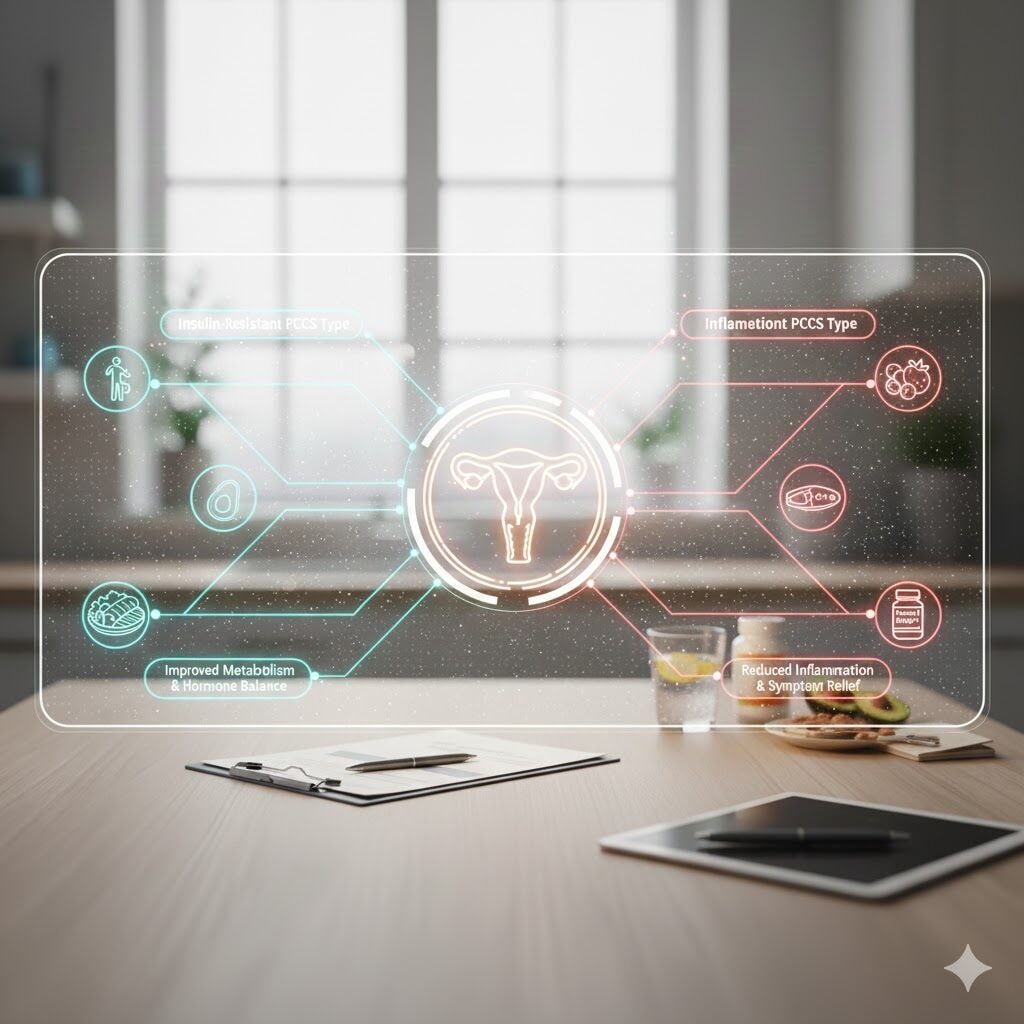
PCOS symptoms differ because hormonal imbalances, hormone production shifts and variations in male hormones and male sex hormones create different reactions. Certain foods influence symptoms of pcos more in some women than others.
Understanding these patterns ensures plans feel personal rather than generic.
Doctors often describe PCOS in patterns, such as insulin resistant, inflammatory, post pill or lean types. These are not rigid boxes, but they help explain why the same breakfast or snack can feel fine for one woman and heavy or triggering for another. The mix of hormones behind the scenes decides how food lands in daily life.
How different PCOS patterns respond to food
-
In insulin driven types, meals high in refined carbohydrates trigger sharper blood sugar swings, which amplify cravings and fatigue.
-
In more inflammatory patterns, certain foods like sugary desserts or processed meats can deepen bloating, joint stiffness or skin flares.
-
When male hormones and male sex hormones are higher, high GI snacks and long gaps without food may intensify acne and hair changes.
-
In lean PCOS, symptoms of pcos can still react to irregular eating and low protein intake, even when weight looks stable.
This is why certain foods feel “safe” for one person and tiring for another. A plate of pasta might work well for someone who balances it with vegetables and protein, yet for another woman with strong insulin resistance, the same plate could lead to a quick crash in focus and mood.
The difference lies in how her hormonal imbalances interact with that meal.
Dietary change works best when it respects these internal patterns instead of forcing a single template on every woman. The goal is not to label foods as good or bad, but to match choices to how your hormone production and symptom pattern behave over weeks, not days.
Once this personal map is clear, it becomes easier to see which diet structures support you and which ones quietly hurt your progress more than they help.
Which Diet Hurts PCOS More Than It Helps?
Some plans aggravate pcos symptoms, worsen pcos symptoms or trigger worsen symptoms when sugary foods dominate. Extreme choices often lead to weight gain or make it harder to lose weight. The issue usually lies in how rapidly symptoms shift when nutrition becomes unbalanced.
Recognizing these patterns gives you clarity before choosing any structured plan.
Diet Patterns That Commonly Hurt PCOS
1. Very Low Carb Diets
These remove most whole grains and fruits, which leaves digestion slow and energy inconsistent. The lack of fiber makes it harder to stay regular. If you are looking for a structured approach to support steady energy and digestion, this 7 day Indian diet plan for diabetic patients offers helpful food choices.
2. Juice Cleanses
These plans drop protein and fat to almost zero. The body receives glucose with no balancing nutrients, which strains hunger and focus.
3. Detox Diets
These often rely on herbs or liquids instead of complete meals, which removes the steady nutrients hormones rely on.
4. Cheat Day Heavy Diets
These stay strict during the week but encourage overeating on weekends. The cycle creates repeated spikes in glucose and mood.
5. Ultra Low Calorie Diets
These cut food intake below what the metabolism needs. Appetite rebounds are strong and the body slows down to protect energy.
When these patterns repeat, the message to your hormones is unstable. A simple example is switching between tight weekday eating and high sugar weekends. The body receives mixed cues, which makes symptoms feel scattered and progress inconsistent.
Diet works for PCOS when it supports steadiness rather than swings. With that base in mind, the next useful step is understanding which supplements can safely support a balanced routine.
Safe Supplements That Support PCOS Nutrition
Supplements often work best when paired with foods rich in nutrients like chia seeds, olive oil and high fiber foods. They support gaps in routine without overwhelming the system. Women navigating PCOS benefit most when supplements reinforce existing habits rather than replace them
Also, supplements are helpers, not the main treatment. PCOS affects hormones, metabolism and long term health, so any capsule or powder should sit inside a plan built on food, sleep and movement. A useful question is not “What should I take?” but “What does my current routine already provide?”
How to think about supplements for PCOS
-
Start with food first, especially meals built around high fiber foods, quality protein and healthy fats.
-
Use supplements to support a clear goal, for example filling a nutrient gap or supporting a known deficiency.
-
Avoid stacking several products at once, it becomes hard to know what is helping or causing side effects.
-
Discuss new supplements with a doctor or dietitian, especially if you take medicines for hormones or blood sugar.
Food linked supports you can use daily
-
Chia seeds add fiber, omega 3 fats and a mild thick texture to yogurt, porridge or smoothies.
-
Olive oil works as a base for dressings and sautés, helping you replace saturated fats with a steadier option.
-
High fiber foods such as lentils, beans, vegetables and whole grains slow digestion and keep meals more filling.
-
Foods rich in micronutrients, for example nuts, seeds and leafy greens, support hormone related processes in small but steady ways.
These food based supports often give you the same building blocks that many supplements try to deliver in concentrated form. A chia seed pudding with fruit and yogurt, or vegetables roasted in olive oil, can quietly nudge your intake in the right direction without adding another pill to your day.
When supplements are chosen carefully, they act like small reinforcements for a structure that is already sound. The real structure, though, still comes from the meals you cook and repeat, which is why the next step is to see how home made food can guide everyday PCOS management.
10 Steps for Managing PCOS With Home Made Food

Home prepared meals help steady progress by managing daily choices. Using balanced ingredients and mindful timing reduces hormonal swings and supports long term consistency. Homemade food gives you full control over planning, tracking and adjusting patterns that work best for your body.
1. Identify Your Core Symptoms
Core symptoms such as symptoms of pcos, irregular periods, irregular menstrual periods and excess hair growth help you understand what the body is signaling. Recognizing these patterns early guides how you build a tailored food plan that responds to your unique needs.
Practical ways to use this at home
-
Keep a simple log where you match symptoms to the meals you ate in the previous 24 hours.
-
Notice whether heavy dinners, late desserts or skipped meals link with period changes or excess hair growth.
2. Stabilize Your Meal Timing
Regularity supports weight management and helps maintain a healthy weight, especially in women with fluctuating hunger patterns. Stable eating windows reduce stress on hormone rhythms and make nutrition easier to sustain across the week.
Simple timing habits that work
-
Choose broad meal anchors, for example breakfast by 9 am, lunch by 2 pm and dinner by 8 pm.
-
Use home cooked leftovers to avoid long gaps where snacking replaces real meals.
3. Shift to Low GI Food Choices
Low GI foods and non starchy vegetables help your body respond steadily throughout the day. These choices shape a more predictable energy curve and reduce sudden spikes that complicate blood sugar control.
Home based swaps to try
-
Build plates around non starchy vegetables, such as salads, stir fries or dry sabzis.
-
Swap part of white rice or refined flour with millets, oats or other lower GI staples.
4. Add Lean Proteins to Every Meal
Including lean proteins supports a balanced diet and helps improve symptoms linked to unstable hunger and cravings. These foods make meals more structured and support sustained energy.
Easy ways to increase protein
-
Add clear protein sources to each plate, such as lentils, paneer, eggs, curd or lean meats.
-
Mix cooked dal into vegetable dishes to raise protein without extra cooking.
5. Include Healthy Fats Strategically
Healthy fats, including sources low in saturated fats, support hormone balance and make meals more satisfying. These choices reinforce long term stability and help nourish the endocrine system.
Smart fat choices for daily cooking
-
Cook with oils that support heart and hormone health, using measured spoon quantities.
-
Add nuts, seeds or avocado to meals where you tend to feel hungry again too soon.
6. Reduce Inflammatory Triggers
Removing fried foods and limiting processed foods lowers inflammatory signaling. These adjustments reduce strain on hormone activity and support calmer digestion.
Simpler low inflammation practices
-
Reserve deep fried snacks and heavily processed foods for rare occasions.
-
Replace instant mixes with simple spice blends, onions and tomatoes cooked at home.
7. Balance Carbohydrates With Fiber
High fiber foods support softer blood sugar transitions and make meals more efficient. They help the body move nutrients steadily and reduce sudden appetite spikes.
Everyday fibre boosting ideas
-
Fill half your plate with vegetables, lentils or beans when eating rice, roti or pasta.
-
Keep fruit in whole form so you benefit from fibre and slower glucose release.
8. Stay Hydrated Consistently
Hydration keeps digestion and appetite regulation smooth throughout the day. It supports metabolic clarity and reduces misinterpreted hunger signals.
Hydration habits that support routine
-
Keep a water glass near the areas where you cook and eat.
-
Use herbal teas or warm water between meals if you tend to snack out of thirst.
9. Plan Simple, Repeatable Meals
Using foods rich in nutrients and certain foods that work for your body makes meals predictable and easy. Repeatable patterns reduce stress around decision making.
Ways to simplify weekly cooking
-
Create a small rotation of go to breakfasts, lunches and dinners.
-
Batch cook base items like roasted vegetables or boiled lentils for quick assembly.
10. Track Hunger, Energy, and Cycles
Observing reproductive age patterns and monitoring body mass index helps you understand how routines shape mood and energy. Tracking these signals reveals which habits deserve refinement.
What to watch during weekly review
-
Review how hunger, energy and cycle patterns matched your meals.
-
Adjust recipes slowly based on what kept you steady versus what left you restless.
When homemade food becomes reliable, your routine gains a structure that supports steadier hormones and clearer energy patterns. Some symptoms, however, signal deeper changes that food alone cannot resolve, which makes it important to know when medical guidance becomes part of the plan.
Beyond Diet Plans: When to Seek Medical Help
Some symptoms reflect deeper patterns such as cardiovascular disease risk, hormone regulation issues or difficulty regulating menstrual cycles. When these signs persist, lifestyle changes alone may not resolve them. Medical input ensures you have guidance that supports long term health.
When medical help becomes important
-
Cycles stay absent or very far apart for several months despite careful routine.
-
You notice chest discomfort, strong breathlessness on light activity or a family history of cardiovascular disease.
-
There is ongoing difficulty regulating menstrual cycles even after weight, sleep and diet improve.
-
Skin, hair or mood symptoms change sharply, which may suggest shifts in hormone balance or thyroid function.
Questions to discuss with your doctor
-
Which tests are relevant for my current symptoms and age, and how often should they be repeated.
-
How my weight, family history and blood results influence long term risks such as cardiovascular disease.
-
Whether medicines for ovulation, insulin or cholesterol are needed alongside diet changes.
-
How to monitor hormone regulation over time so I can understand what progress looks like realistically.
Food, movement and sleep remain essential, even when treatment includes medicines. The goal is to let diet and lifestyle work alongside targeted medical care, not in place of it. Once that partnership is in place, the next step is to track your progress carefully so you can fine tune your routine with confidence.
Key Lifestyle Changes That Power Up Your Diet Results
Lifestyle shifts support weight loss, reduce tension from weight gain cycles and help overweight and obese women respond better to nutrition. These changes also alleviate symptoms by easing hormonal stress.
1. Fix a Consistent Sleep Schedule
Sleep is when hormone repair, appetite regulation and blood sugar control settle into place. Irregular bedtimes confuse these signals and make it harder for the body to use nutrition well.
Ways to steady your sleep window. While you work on improving your sleep, consider optimizing your nutrition as well with this 1000 calories diet plan (Indian style) for balanced fat loss.
-
Aim for a fixed sleep and wake range, for example 11 pm to 7 am, on most days of the week.
-
Keep evenings calm with dim light and quiet routines so your body links that pattern with rest, supporting overall wellness.
2. Add Light Movement After Meals
Gentle movement after meals helps muscles use glucose more efficiently. This small habit supports your diet’s work by reducing post meal sluggishness and easing digestion.
Simple post meal movement ideas
-
Walk for 10 to 15 minutes after lunch or dinner at a relaxed, conversational pace.
-
Use short indoor laps or light stretching on days when going outside is not practical.
3. Reduce Daily Stress Triggers
Stress hormones influence how the body handles insulin, appetite and fat storage. Lower stress across the day makes it easier for nutrition choices to show up as steady progress.
Ways to soften daily stress load
-
Identify two or three recurring stress points and adjust timing, boundaries or support around them.
-
Add brief pauses, such as slow breathing or a quiet tea break, between demanding tasks.
4. Set Digital Cutoff Times
Late night scrolling keeps the brain alert and light exposure can interfere with sleep hormones. Clear digital limits protect both rest and the results you expect from your diet.
Digital habits that support PCOS care
-
Choose a time each night when screens go off, for example 60 minutes before bed.
-
Charge devices away from the bed so you are less tempted to keep checking them.
5. Keep a Weekly Symptom Log
A weekly log connects your lifestyle and diet to how you actually feel. It shows how mood, energy and PCOS symptoms react to your routine over time, not just day by day.
What to include in your log
-
Note sleep quality, stress levels, activity, appetite and standout PCOS symptoms in one place.
-
Mark which days felt stable and which felt off, then look for patterns over several weeks.
6. Increase Morning Sun Exposure
Morning light helps set your body clock, which influences sleep, energy and hunger timing. This rhythm makes it easier to stick to eating patterns that support PCOS.
Easy ways to get more light
-
Spend 10 to 15 minutes near a window, balcony or outdoor space soon after waking.
-
Combine light exposure with another habit, such as stretching, walking or sipping your morning drink.
7. Maintain Regular Eating Rhythms
Your body responds well when it knows roughly when food will arrive. Regular eating rhythms support hormone timing, appetite control and smoother weight trends.
How to keep rhythms realistic
-
Match meal timing to your real work and family schedule instead of idealised plans.
-
Keep a simple backup option, like prepped leftovers or fruit and yogurt, for days that run late.
8. Limit Ultra Processed Snacking
Ultra processed snacks crowd out whole foods and keep taste buds chasing strong flavours. Reducing them gives your diet room to work and makes real food more satisfying again.
Practical ways to cut back
-
Keep packaged snacks out of sight and stock visible bowls with nuts, seeds or fruit.
-
Set a simple rule, such as one processed snack per day, and keep most other bites home made.
9. Build a Simple Workout Routine
Movement helps muscles use insulin more effectively and supports weight loss without pushing extremes. A simple, repeatable routine beats intense bursts followed by long pauses.
-
Combine walking with two or three short strength sessions each week, using bodyweight or light weights.
-
Choose activities you can perform at home so you are not dependent on perfect gym access.
10. Protect Time for Recovery and Rest
Recovery is when the body integrates the benefits of food, movement and sleep. Without deliberate rest, even a good plan can feel harder than it needs to.
Recovery that supports hormone balance
-
Block out small pockets of unstructured time in your week where nothing productive is expected.
-
Use gentle practices, such as stretching, reading or quiet conversation, to let your system reset.
When lifestyle and diet move in the same direction, PCOS care becomes more predictable and less reactive. The next practical step is to track how these changes affect your symptoms so you can fine tune your routine with clear feedback instead of guesswork.
Steps to Track Progress and Fine Tune Your Routine
Tracking routines helps improve pcos symptoms and maintain balance hormones as patterns shift. Reviewing these signals over time reveals whether your plan is working or needs adjustment. Small refinements often produce the most consistent changes.
What to track each week
-
Core pcos symptoms such as cycle length, flow, pain, skin changes and hair growth.
-
Daily energy curve, for example when you feel focused, sleepy or irritable.
-
Hunger and cravings, especially links to specific meals, snacks or long gaps without food.
-
Key habits like bedtime, wake time, movement, hydration and processed snack intake.
How to review your month with context
-
Look at your symptom log alongside your meal patterns rather than viewing them in isolation.
-
Note where you followed your plan steadily and where travel, work or stress shifted your habits.
-
Mark two or three days that felt especially good and study what you ate and how you lived on those days.
-
Do the same for difficult days, so you can see which patterns repeat before flares.
When and how to fine tune your plan
-
Adjust one element at a time, such as dinner timing or fibre intake, so you can see its specific effect.
-
Give each change at least two to four weeks before judging whether it improves pcos symptoms.
-
Keep what clearly helps you balance hormones, for example steady sleep or a consistent breakfast.
-
Drop changes that add stress without clear benefit, and return to the version that kept you more stable.
Over time, this kind of tracking creates a quiet confidence in your own data.
“Track Your Food and Symptoms with MyBalance Bite’s Simple Log”
FAQs
1. How Long Does It Take to Manage PCOS Symptoms When You Start a New Routine?
Most women notice early changes in energy, hunger and digestion within two to four weeks. Cycle improvements, skin changes and hormone related symptoms usually take eight to twelve weeks. Full stability often requires several months of consistent habits.
2. Are Fad Diets Risky for Women Trying to Build Long Term Hormone Stability?
Yes. Fad diets create sharp swings in glucose, appetite and nutrition, which disrupt hormone rhythm. They may produce quick shifts at first but rarely support long term stability. Balanced routines work better than extreme restrictions.
3. Can Treating PCOS With Diet Improve Sleep, Mood, or Daily Energy Levels?
Yes. Steady blood sugar, balanced meals and regular eating windows improve sleep quality, reduce mood dips and create smoother energy across the day. These changes typically appear before major hormonal shifts.
4. Is a Low Glycemic Index Approach Enough if Your Lifestyle Is Mostly Sedentary?
It helps, but it is not complete. Low GI eating steadies blood sugar, yet a sedentary routine slows insulin use. Even light daily movement makes a low GI plan more effective and reduces glucose buildup.
5. How Does Long Term Nutrition Shape the Way Diet Affect PCOS Over the Years?
Consistent nutrition influences insulin control, inflammation, hormone signaling and weight trends. Over years, these steady inputs protect against symptom flares and metabolic risks. Long term diet quality often matters more than short bursts of effort.
Conclusion
Treating PCOS with diet works best when it becomes a pattern you can live with rather than a set of strict rules. Food, movement and rest create results when they hold together long enough for your hormones to settle.
The next step is simple, choose one change you can maintain this week and let it shape the rhythm that follows.




Leave a comment
Translation missing: en.blogs.comments.discription