

Many women live with endometriosis pain that interrupts work, sleep and even simple daily tasks. The discomfort often lingers despite treatment because the body reacts to food patterns in ways most people never notice.
Specialists trust diet plans that steady hormones and slow inflammation, since these shifts influence pain more than single meals or quick fixes. A clear routine gives the body conditions that support calmer cycles and fewer flare ups.
Understanding how these choices work is the first step toward building a pattern that supports long term relief.
What Endometriosis Is And How It Affects Everyday Life?
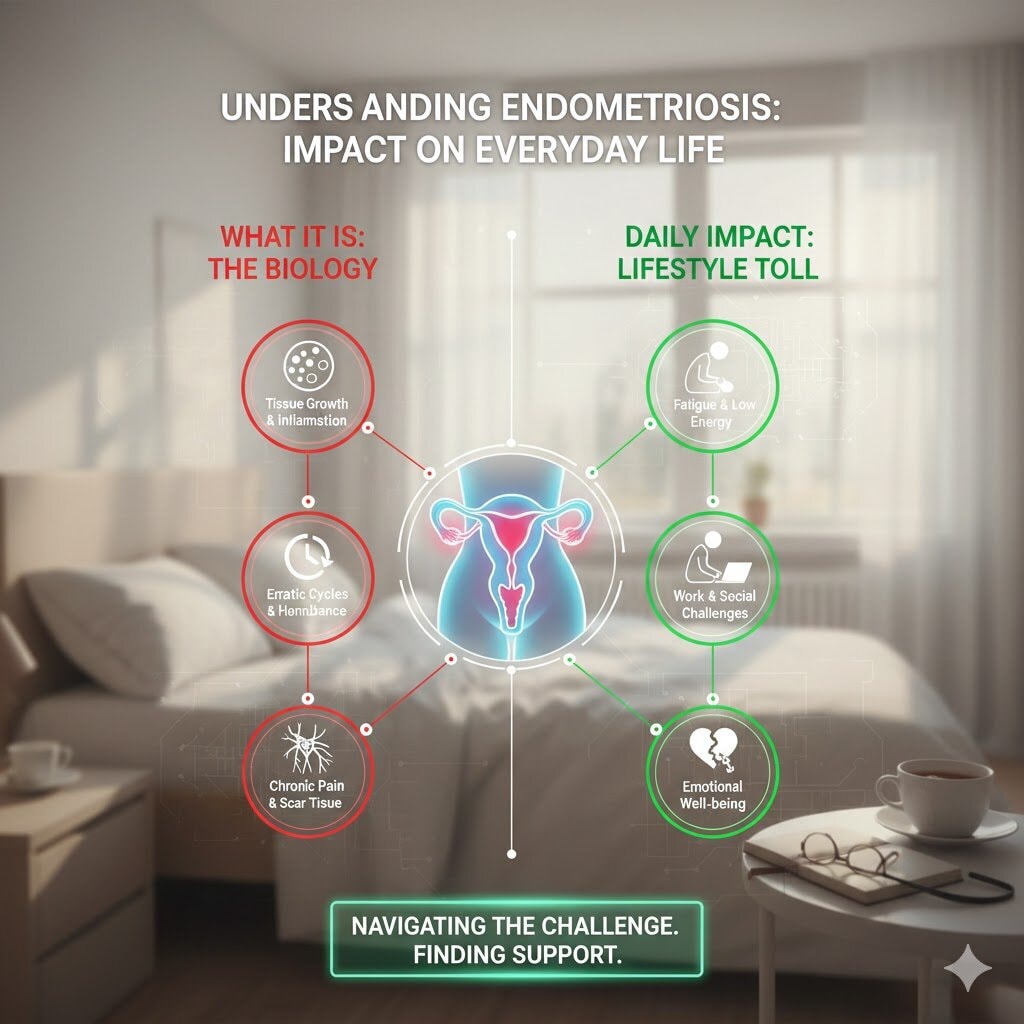
Endometriosis shapes reproductive health by affecting uterine health, uterus health and the overall reproductive system. It disrupts reproductive organs and reproductive tissues, triggers pelvic pain, menstrual cramps and ongoing endometriosis symptoms.
These issues influence menstrual health, menstrual cycles and the functioning of pelvic organs and reproductive function.
Understanding these daily disruptions makes it easier to see why the condition responds strongly to supportive choices.
Key changes inside the body
-
Cells similar to uterine tissues grow outside the uterus, often on ovaries, pelvic lining or nearby reproductive organs.
-
These cells respond to reproductive hormones, so they thicken and bleed with each cycle, but the blood has nowhere to go.
-
Trapped blood and irritation can lead to inflammation, scar tissue and adhesions that restrict pelvic organs.
-
Over time, this process alters how the reproductive system moves, how nerves send pain signals and how menstrual health feels each month.
How Endometriosis symptoms show up in daily life
"Chronic pain is not a sign of weakness, it is a signal that the body needs support."
-Dr. Amy Stein, Pelvic Pain Specialist
-
Pelvic pain and menstrual cramps can make standing, sitting at a desk or commuting feel heavier and more tiring than before.
-
Some women notice pain during bowel movements, urination or sex, which quietly reshapes routines and relationships.
-
Fatigue becomes common when the body is managing chronic inflammation, disturbed sleep and repeated menstrual cycles.
-
Planning work, social time and travel often starts to revolve around expected flare days rather than personal preference.
Impact on work, mood and relationships
-
Concentration can drop when pelvic pain, back pain or bloating dominate the background of the day.
-
Repeated discomfort may affect mood, confidence and the ability to commit to plans, even when motivation is high.
-
Many women adapt by hiding symptoms, using extra pain relief or pushing through tasks, which can add to overall strain.
Once this full picture of daily impact is clear, it becomes easier to understand how endometriosis compares with other conditions and why it is not the same as polycystic ovary syndrome.
Key Differences Between Endometriosis And Polycystic Ovary Syndrome
Endometriosis and polycystic ovary syndrome behave differently because reproductive hormones, hormone regulation and hormone levels shift in separate patterns. Factors such as excess estrogen and the risk of developing endometriosis create unique symptom pathways that do not match PCOS.
Once the distinctions are clear, the next steps in managing each condition become far more precise.
| Aspect | Endometriosis | Polycystic Ovary Syndrome |
|---|---|---|
| Core cause | Growth of tissue similar to endometrium outside the uterus | Hormonal imbalance that affects ovulation and metabolism |
| Hormonal pattern | Often linked with excess estrogen | Commonly linked with elevated androgens and insulin resistance |
| Primary symptoms | Pelvic pain, painful periods, pain during intercourse | Irregular cycles, acne, hair growth, weight challenges |
| Menstrual cycles | Usually painful and heavy | Often irregular or absent |
| Fertility impact | Can cause adhesions that affect egg movement | Can block ovulation and disturb hormone regulation |
| Diagnosis approach | Laparoscopy gives confirmation | Based on ultrasound and blood tests |
| Pain pattern | Chronic or cyclical pelvic pain | Pain is less prominent unless another issue coexists |
Seeing these differences side by side helps clarify why symptoms feel distinct and why care plans rarely overlap. With this foundation, the role of daily eating habits becomes easier to understand, especially how certain diet patterns can worsen or ease the discomfort linked to endometriosis.
How Poor Dietary Habits Make Endometriosis Worse
When dietary choices lean toward unhealthy fats, too much sugar, processed meats, red meat and certain foods, inflammation rises and stress hormones shift. These patterns can aggravate discomfort and heighten ongoing symptoms.
Recognising these patterns creates a clearer lens for adjusting the foods that influence flare ups the most.
How food choices drive more inflammation
Learn how your meal decisions can impact inflammation and discover a 7 days diet plan to lose 5 kg for healthier eating habits.
-
Unhealthy fats and processed meats increase inflammatory signals that act on sensitive pelvic tissues.
-
Too much sugar spikes insulin, which can disturb hormone regulation and worsen endometriosis pain over time.
-
Frequent red meat intake may raise levels linked with excess estrogen, which can fuel lesion activity.
-
Meals built on refined snacks instead of whole foods leave less room for nutrients that support natural repair.
Where nutrients go missing in poor dietary patterns
-
Diets low in colourful produce often lack vitamin C, which helps protect tissues and supports collagen in uterine and pelvic structures.
-
Limited intake of fibre rich foods slows the removal of used hormones, so excess hormones stay longer in circulation.
-
Skipping balanced meals restricts healthy fats that calm inflammation and support steady hormone levels.
Why food patterns matter even if you exercise
-
Endometriosis and physical exercises, including pelvic floor exercises, can improve circulation and muscle support but cannot fully offset daily inflammatory eating.
-
When poor dietary habits continue, exercise sessions work against a constant background of irritation in pelvic tissues.
-
Movement still helps mood, mobility and blood flow, yet results feel weaker if meals keep reactivating pain pathways.
Everyday examples of poor habits that add up
-
Relying on bakery items and fried snacks for quick energy leads to repeated hits of unhealthy fats and sugar.
-
Regular late night eating of heavy meals strains digestion and may increase discomfort during sleep.
-
Long gaps between meals followed by oversized portions push blood sugar and stress hormones into repeated swings.
Once the effect of these habits is clear, it becomes easier to see why a structured eating pattern focused on calmer ingredients is central to any endometriosis diet plan for pain relief.
Sample Ready To Use Diet Plan To Reduce Endometriosis Pain
A balanced diet built with healthy diet practices and foods like whole grains, leafy greens, fatty fish, nuts and seeds, chia seeds and essential fatty acids supports steady comfort. Citrus fruits, brown rice and other healthy foods help stabilise inflammation and energy levels through the day.
With this base in mind, it becomes easier to follow a structure that keeps your body more settled through the day.
"The food you eat can be the safest and most powerful form of medicine."
-Hippocrates
| Meal | What To Eat | Portion Size | Approx Calories | Why It Helps |
|---|---|---|---|---|
| Morning start | Warm water with lemon and chia seeds | 1 glass + 1 tsp chia | 40 kcal | Hydrates, improves digestion and offers essential fatty acids that ease inflammation |
| Breakfast | Oats cooked in water topped with nuts and seeds plus citrus fruits | 1 bowl oats + 1 tbsp nuts and seeds + 1 fruit | 320 to 360 kcal | Whole grains stabilise energy, nuts support healthy fats and citrus fruits add vitamin C for tissue support |
| Mid morning | Leafy greens bowl or a green smoothie | 1 bowl or 1 glass | 70 to 110 kcal | Fibre and antioxidants help natural hormone rhythm and reduce irritation |
| Lunch | Brown rice with sautéed vegetables and a portion of fatty fish | 1 cup rice + 1 cup vegetables + 100 g fish | 450 to 520 kcal | Omega rich fish calms inflammation and vegetables balance hormones |
| Evening snack | Nuts or a vitamin C rich fruit | 1 handful or 1 medium fruit | 90 to 120 kcal | Gentle fuel without spikes in sugar or stress hormones |
| Dinner | Lentil soup with leafy greens and steamed vegetables | 1 medium bowl soup + 1 cup vegetables | 280 to 350 kcal | Easy digestion and steady micronutrient support |
| Night support | Warm turmeric milk or herbal tea | 1 cup | 80 to 110 kcal | Soothes the system and supports restful sleep |
A meal plan with steady portions and predictable calories gives the body structure that keeps inflammation quieter and hormonal shifts smoother.
"Want personalised meal guides built around your symptoms and routine? Explore MyBalanceBite’s structured diet plans designed for real week-to-week living."
With that foundation in place, the next section moves into the foods that work against this rhythm and how avoiding them strengthens long term comfort.
Foods To Strictly Avoid For Better Ovarian Health
Avoiding processed foods, unhealthy fats, red meat, too much sugar, processed meats and certain foods helps reduce pressure on ovarian health. These choices often trigger hormonal shifts that worsen symptoms.
Knowing what works against you sets the stage for choosing foods that support comfort instead of triggering discomfort.
Key food groups that strain ovarian health
-
Highly processed foods such as packaged snacks and instant noodles often combine unhealthy fats, excess salt and additives that keep inflammation active.
-
Processed meats, including sausages, bacon and salami, frequently contain preservatives that may influence excess estrogen and burden healthy ovaries.
-
Red meat in frequent portions can alter fat balance and hormone metabolism, especially when it replaces fibre rich plant foods.
-
Sugary drinks and desserts push too much sugar into the system at once, which can disturb insulin and reproductive hormones.
-
Deep fried items and bakery goods made with refined oils add layers of unhealthy fats that work against long term ovarian health.
How these foods affect symptoms in real life
-
A day built around pastries, fried snacks and sweetened coffee can leave the pelvis feeling heavier and increase pelvic pain by evening.
-
Regular fast food meals reduce room for whole grains and leafy greens that support hormone balance and stable cycles.
-
Repeated spikes from sugar and unhealthy fats increase the chance of stronger cramps and more noticeable endometriosis pain around menstrual cycles.
Simple checks you can use during the week
-
Look at your plate and count how many items came from a packet or fryer instead of a kitchen or market.
-
Notice whether red meat or processed meats appear more often than beans, lentils or fish across your main meals.
-
Track how symptoms feel after nights that include heavy desserts or fast food compared with lighter, home cooked dinners.
Once these patterns are visible, it becomes easier to see where diet still helps and where symptoms continue to push through, which is the point at which medical treatment starts to play a larger role.
"Struggling to track food patterns on your own? MyBalanceBite helps you identify hidden triggers and build meals that keep inflammation lower across the month."
Beyond A Diet Plan: How To Know When It’s Time For Medical Treatment
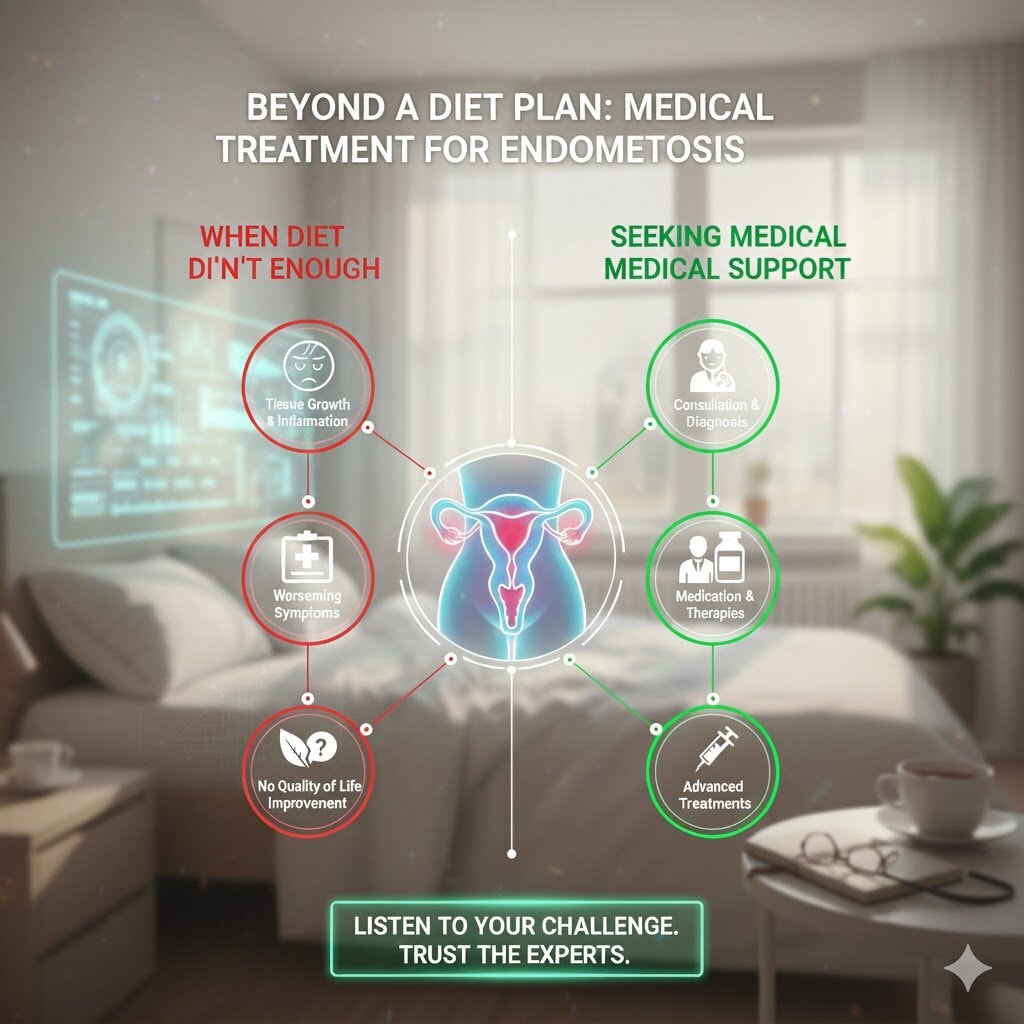
Some signs show diet alone cannot handle issues like uterine problems, bone health concerns, egg quality decline or the need for healthy pregnancy planning.
Overall reproductive health, reproductive wellness and the ability to protect reproductive tissues also influence when to consider treatment options.
Awareness of these signals helps you judge when professional guidance becomes the safer and wiser choice.
Early signals that need medical review
-
Pelvic pain that stays strong even after months of steady, healthy eating and lifestyle changes.
-
Menstrual bleeding that is very heavy, lasts many days or includes large clots.
-
Pain between periods, during bowel movements or urination that keeps returning.
-
Cramps that stop you from working, moving or sleeping in a regular way.
When fertility and future pregnancy are a priority
-
Difficulty conceiving after trying regularly, even with a stable, healthy diet pattern.
-
A known history of endometriosis along with concerns about egg quality or age.
-
Past miscarriages or pregnancy losses where your doctor has mentioned reproductive tissues or uterine problems.
-
Plans for a future pregnancy that need clear information about risk and timing.
Body wide signs that diet support is not enough
-
Ongoing fatigue, dizziness or breathlessness that may hint at anaemia from blood loss.
-
Bone health worries, such as early joint pain or a strong family history of weak bones.
-
Pain that spreads to the back, thighs or rectal area and feels sharper with every cycle.
Types of medical support that may be discussed
-
Hormonal medicines that calm endometrial activity and help balance reproductive hormones.
-
Targeted pain relief plans that protect daily function and sleep quality.
-
Surgical options, such as laparoscopy, to remove lesions or protect key reproductive tissues.
-
Bone health support when long term hormonal changes affect calcium levels and strength.
How diet and treatment work side by side
-
Medical treatments can reduce lesion activity and pain while diet supports lower inflammation in the background.
-
A structured eating pattern protects energy, digestion and hormone rhythm so the body handles treatment more smoothly.
-
Clear guidance from a specialist helps set realistic expectations about what food can and cannot change.
Once treatment decisions are in place, the focus naturally shifts to the small, everyday eating habits that keep support steady, which is where an endometriosis friendly pattern and practical tips start to matter most.
Tips To Start And Stick To An Endometriosis Friendly Eating Pattern
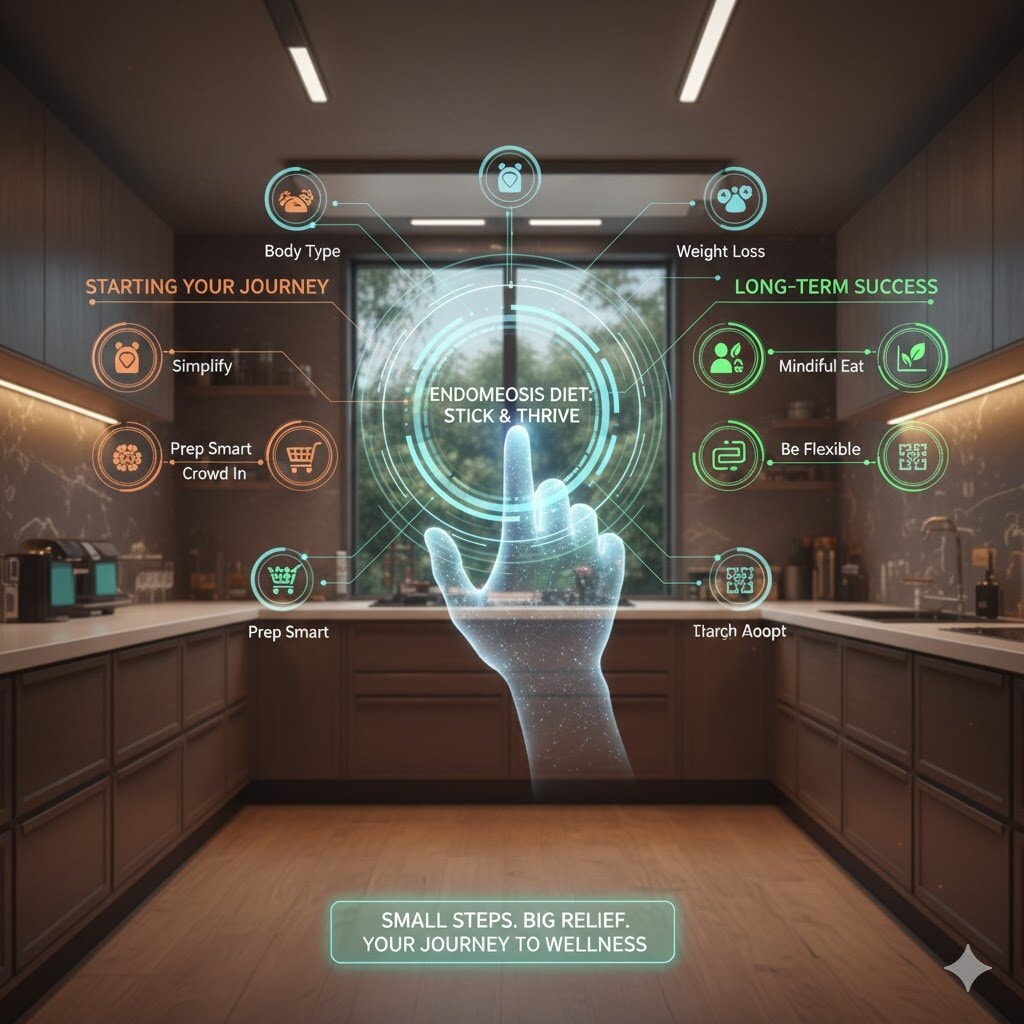
Long term comfort grows when you support reproductive health, help reproductive organs stay healthy and maintain reproductive wellness. Leafy green vegetables, good routines and choices that reduce endometriosis symptoms encourage stable habits.
Practices that support collagen production, reduce menstrual cramps, support fertility, female fertility and help regulate hormones strengthen daily progress. With these foundations understood, the small habits that strengthen consistency fall into place naturally.
1. Plan Your Meals For The Week In Advance
Planning meals early helps you choose foods that support uterine and ovarian health while avoiding last minute options that strain the body. A clear weekly structure keeps your routine steady and encourages patterns that protect tissue health. It also helps maintain a healthy weight with far less effort.
Practical ways to use this:
-
Block 20 minutes once a week to decide breakfasts, lunches and dinners for the next seven days.
-
Repeat simple patterns such as two rotating breakfast options and two lunch options so planning stays easy.
-
Note which days usually bring more pain or fatigue and schedule lighter, easier meals on those dates.
2. Keep Anti Inflammatory Staples Always Stocked
Keeping anti inflammatory staples at home ensures you consistently eat in ways that reduce uterine inflammation and support uterine tissues. Having reliable ingredients lowers stress and helps stabilise blood circulation, making everyday choices easier. This preparation strengthens your overall rhythm.
Staples that help:
-
Dry items such as whole grains, lentils, nuts and seeds that store well and cook quickly.
-
Leafy green vegetables, frozen or fresh, that can be added to soups, dals or stir fries without much effort.
-
A small set of oils rich in healthy fats so you are not pushed toward convenience snacks.
3. Build Plates Around Fiber And Healthy Fats
Fibre paired with healthy fats helps balance hormones and supports tissue health throughout the day. Including foods rich in monounsaturated fats keeps meals steady and gentle on the system. This structure nurtures long term stability without feeling restrictive.
"Small daily improvements lead to stunning long term results."
-Robin Sharma
How to build each plate:
-
Aim for half the plate as vegetables or salad, one quarter as whole grains and one quarter as protein.
-
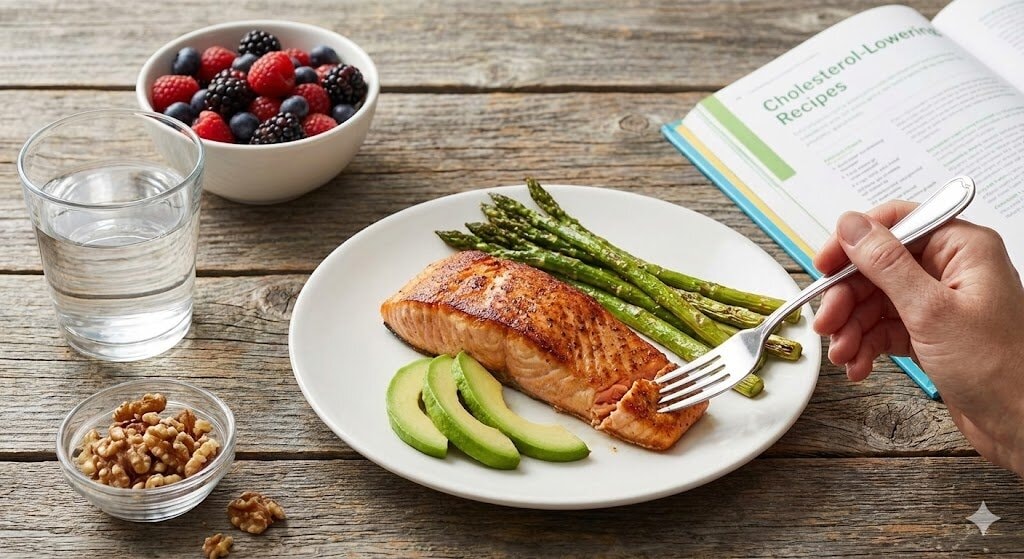
Add healthy fats such as nuts, seeds, avocado or a measured spoon of quality oil to main meals.
-
Use examples like brown rice with vegetables and lentils or millet with sautéed greens and paneer.
4. Limit Processed Foods During High Stress Weeks
Processed foods often make pelvic muscles tense and can interfere with blood flow during stressful periods. Cutting them down helps protect uterine tissues and keeps energy levels smoother. This small shift prevents unnecessary discomfort when your body is already under pressure.
Simple limits that work:
-
Decide a clear cap, such as no more than two processed items in a week.
-
Replace evening fried snacks with roasted chana, fruit or yoghurt on busy days.
-
Keep ready to cook home options so you are not pulled toward fast food when work runs late.
5. Add Omega 3 Rich Foods At Least Twice A Day
Omega 3 rich choices keep blood circulation smoother and ease discomfort linked with uterine inflammation. They also work with fibre and whole foods to support a healthier weight long term. Regular intake strengthens how well your system responds to daily demands.
Easy sources to rotate:
-
Chia seeds or flaxseeds added to porridge, smoothies or curd.
-
Fatty fish such as salmon, mackerel or sardines where suitable for your diet and culture.
-
Walnuts or mixed seeds as a part of an afternoon snack instead of fried mixtures.
6. Maintain Consistent Meal Timings
Eating at regular times helps balance hormones and prevents sudden swings that affect uterine and ovarian health. This rhythm also assists blood flow and keeps energy stable. Consistency gives your body a predictable pattern it can rely on.
Ways to keep the rhythm:
-
Fix rough anchors, such as breakfast within one hour of waking, lunch in the middle of your work period and dinner a few hours before sleep.
-
Avoid long gaps over five hours between main meals where possible.
-
Use light snacks like fruit or nuts if your schedule forces delays.
7. Track Trigger Foods And Patterns
Tracking reactions helps you understand how certain choices affect pelvic muscles, tissue health and overall comfort. When patterns appear, they show which foods support a uterus healthy state and which cause unwanted responses. Awareness builds control over daily symptoms.
How to track without pressure:
-
Keep a simple log with three columns for meal, symptoms and energy for that day.
-
Give cramps or pelvic discomfort a number from one to ten so changes are easy to see over time.
-
Note any link you see between heavy, fried or sugary meals and stronger endometriosis symptoms.
8. Prepare Simple Backup Meals For Busy Days
Backup meals protect your routine on hectic days and keep you aligned with promoting uterine health. Simple options prevent reliance on processed foods and help maintain blood flow and stable energy. This habit keeps your system from feeling overwhelmed.
Backup ideas that save you:
-
Cook extra portions of lentil soup, vegetable khichdi or stir fried vegetables to use the next day.
-
Store cut vegetables or pre washed greens so they can quickly become a stir fry or salad.
-
Keep pantry items like oats, poha or upma mix ready for ten minute meals.
9. Stay Hydrated To Reduce Bloating And Cravings
Good hydration supports blood circulation and eases pressure that builds around pelvic muscles. Water rich foods and fluids also encourage a uterus healthy environment and help manage cravings more smoothly. Hydration quietly strengthens the body’s ability to settle.
Hydration habits that help:
-
Set a rough goal, such as six to eight glasses of water across the day, adjusted for your climate and activity.
-
Include water rich foods like cucumber, oranges or melon as part of snacks or meals.
-
Limit sugary drinks and rely more on plain water, herbal teas or lightly infused water.
10. Review Your Eating Pattern Every Two Weeks
Regular reviews show how your dietary choices influence hormone balance, tissue health and long term stability. Adjusting every two weeks keeps the pattern relevant to your current needs and supports balance hormones as your body changes. This reflection keeps progress consistent.
How to run a quick review:
-
Look back at two weeks of meals and circle the days when pain, bloating or fatigue were strongest.
-
Notice if those days share common features, such as skipped meals, extra sugar or more processed food.
-
Decide one or two precise changes for the next fortnight instead of trying to change everything at once.
When these habits start to feel like a natural part of your week, the endometriosis diet shifts from being a set of rules to a support system. If you're interested in how specific foods can help with balancing hormones, discover the 10 best fruits for PCOS that support hormone health naturally.
"If sticking to routines feels harder than choosing the food itself, try MyBalanceBite’s weekly planning tools that turn diet goals into daily habits."
FAQs
1. How Can Someone With Endometriosis Support A Healthy Uterus Through Daily Lifestyle Choices?
Eat whole foods, stay active, sleep regularly and keep stress low. These habits support blood flow and reduce strain on uterine tissues.
2. Can Omega 3 Fatty Acids Help With Long Term Inflammation Control Beyond Regular Diet Changes?
Yes. Omega 3 fatty acids lower inflammation over time and help stabilize hormone activity when taken consistently.
3. What Are Some Early Signs That Hormonal Balance Is Shifting In Women With Endometriosis?
Irregular cycles, stronger cramps, mood swings and changes in energy often signal shifting hormone levels.
4. How Do Sleep Patterns And Stress Levels Influence Overall Endometriosis Management?
Poor sleep and high stress raise inflammatory signals and increase pain, while stable routines support calmer symptoms.
5. What Daily Habits Can Improve The Functioning Of Healthy Ovaries Over Time?
Eat balanced meals, limit sugar, stay active, hydrate well and follow consistent meal timings to support ovarian function.
Conclusion
Long term relief comes from patterns that support the body every day, not dramatic changes made once in a while. When meals follow a steady rhythm and the focus stays on foods that calm the system, progress becomes easier to maintain.
The next step is simple, choose one adjustment you can keep this week and let the routine build from there.
"If you want support shaping that first adjustment, MyBalanceBite can help you build a plan that fits your life, not the other way around."




Leave a comment
Translation missing: en.blogs.comments.discription