

You open a fitness app, scroll past five different meal plans, and notice the same pattern repeating. Protein sits at the center of every plan that claims to work beyond a few weeks.
That repetition is not accidental. Fitness experts recommend this high protein diet plan because it stabilizes protein intake, protects lean muscle mass, and keeps calorie intake predictable even when routines shift.
What holds their attention is how reliably this approach supports weight loss without rigid rules. The focus stays on consistency, appetite control, and results that hold once daily habits settle into place.
What Is a High Protein Diet Plan and Who is it For?
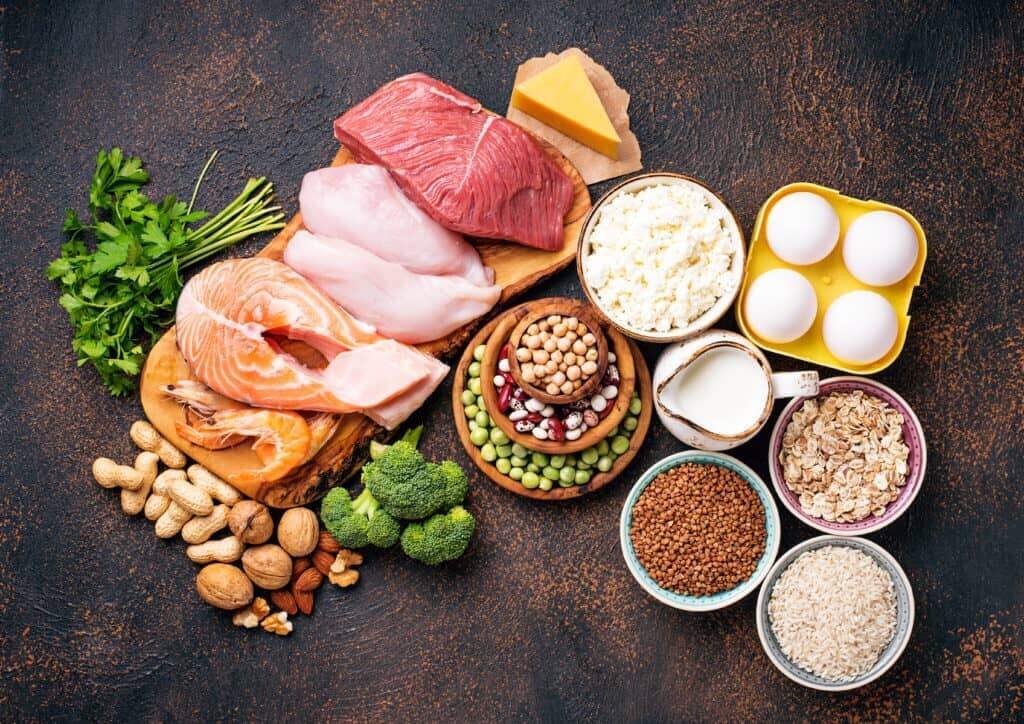
A high protein diet plan focuses on increasing protein intake above a standard protein diet while maintaining a balanced diet that supports overall health. It is designed around individual protein needs, weight management goals, and essential nutrients rather than extremes.
Understanding who benefits most depends on high protein intake, daily protein intake, and how much protein the body can use efficiently. For those considering different dietary approaches, learning about a liquid diet for weight loss might provide additional insights.
Best fit profiles
-
People aiming for steady weight management without aggressive restriction
-
People who snack often because meals do not keep them full
-
People trying to protect muscle while losing weight or training regularly
-
Vegetarians and non vegetarians who can plan protein sources in advance
Not the best fit without guidance
-
Anyone with a medical condition where protein needs must be monitored
-
Anyone relying mostly on packaged protein and skipping whole foods
Key idea to keep in mind
How much protein matters, but how evenly you can sustain daily protein intake matters more. A plan that fits your schedule will beat a perfect plan you cannot repeat.
Example
If breakfast is light and rushed, a high protein intake plan works when lunch and dinner are built to recover that gap, not when you try to “fix” it with random snacks.
Once the plan fits your life, the next step is setting a daily target in grams that your body can use efficiently.
Daily Protein Needs: How Many Grams Your Body Requires
Daily protein needs depend on body weight, calorie intake, and total daily calories rather than a fixed number. Grams of protein are calculated based on protein needs, protein intake patterns, and how much protein supports metabolism without excess.
Matching protein intake to body weight ensures adequacy without overshooting much protein for the body’s capacity.
The most reliable way to calculate protein needs
Fitness experts usually rely on body weight because it adjusts naturally for size, activity, and goals.
-
For general weight management:
0.8 to 1.0 grams of protein per kilogram of body weight -
For fat loss or regular training:
1.2 to 1.6 grams per kilogram -
For muscle preservation during weight loss:
Up to 1.8 grams per kilogram, depending on calorie intake
These ranges help preserve muscle mass while still leaving room for healthy fats and carbohydrates.
Example
If someone weighs 70 kg and wants to manage weight while staying active, multiplying body weight by 1.4 gives a daily target of about 98 grams of protein. Spread across meals, this could look like eggs at breakfast, dal or paneer at lunch, and chicken curry at dinner, supported by vegetables and grains.
Health context to keep in mind
-
Kidney function and kidney disease: higher protein targets should always respect medical advice.
-
Support kidney function: steady intake, hydration, and whole foods matter more than pushing numbers.
-
Bone health: protein works best when combined with calcium, micronutrients, and balanced calorie intake.
Making the numbers usable
-
Use sample meal plans to see how grams of protein translate into real meals.
-
Focus on incorporating high protein foods you already eat rather than adding supplements.
-
Adjust targets gradually as activity, weight, or goals change.
Once the math is clear, the focus shifts to turning these numbers into meals that feel natural across your day.
"MyBalanceBite breaks daily protein targets into simple meals that fit Indian eating habits, without guesswork or tracking fatigue."
A Practical High Protein Diet Plan That Fits Everyday Eating
A practical high protein diet plan translates protein meal plan ideas into everyday meals that support healthy weight loss and sustainable weight loss. It balances diet plan structure, high protein meal choices, and calorie control to promote weight loss without burnout.
A protein diet for weight works best when meal planning supports consistency and long term support weight loss goals.
| Meal Timing | Vegetarian | Non-Vegetarian | Vegan |
|---|---|---|---|
| Morning | Paneer bhurji, 22 g protein • 120 g • ~260 kcal | Boiled eggs, 18 g protein • 3 whole • ~210 kcal | Tofu scramble, 20 g protein • 150 g • ~240 kcal |
| Mid-Morning | Greek yogurt, 12 g protein • 150 g • ~120 kcal | Greek yogurt, 12 g protein • 150 g • ~120 kcal | Soy yogurt, 10 g protein • 200 g • ~130 kcal |
| Lunch | Dal + curd + brown rice, 24 g protein • 1 cup dal + ½ cup rice • ~420 kcal | Chicken curry + roti, 35 g protein • 150 g chicken • ~430 kcal | Chickpea curry + quinoa, 22 g protein • 1 cup • ~410 kcal |
| Evening | Roasted chana, 14 g protein • 40 g • ~180 kcal | Paneer cubes, 18 g protein • 100 g • ~200 kcal | Roasted soybeans, 16 g protein • 35 g • ~190 kcal |
| Dinner | Paneer curry + vegetables, 26 g protein • 120 g paneer • ~380 kcal | Fish or chicken curry, 32 g protein • 150 g • ~360 kcal | Tofu curry + vegetables, 24 g protein • 150 g • ~350 kcal |
How to read this table correctly
-
Each meal contributes 15–35 g protein, not all protein in one sitting
-
Daily protein intake lands naturally between 100–120 g for most active adults
-
Calories stay controlled without shrinking portions
-
Protein is paired with fiber and healthy fats to keep meals satisfying
Example
A non-veg day with eggs in the morning, chicken curry at lunch, and fish at dinner already delivers over 85 g protein before snacks, making weight control easier without tracking every bite.
This layout shows how a high protein meal plan works when protein is spread across meals instead of forced into one part of the day.
Want meal plans tailored to your body and routine?
"MyBalanceBite helps you build protein-focused meals that match your weight goals, food preferences, and daily schedule."
Foods to Avoid While Following a High Protein Diet Plan
Certain foods increase calorie intake, saturated fat, and processed meats exposure, which can slow fat loss and increase body fat or weight gain. Avoiding foods that disrupt blood sugar control and encourage excess calories helps keep a high protein diet plan aligned with results.
Limiting these foods supports better weight control without unnecessary restriction.
1. Sugary Beverages and Sweetened Drinks
Sugary beverages increase calorie intake quickly without improving fullness. They disrupt blood sugar control and make it harder to judge how much you have actually consumed. Even when protein intake is adequate, liquid calories can quietly slow fat loss by adding energy the body does not register as food.
2. Refined Grains and White Flour Products
Refined grains digest rapidly and provide little satiety. They raise blood sugar quickly and often lead to hunger soon after eating. When paired with a high protein diet plan, these foods reduce the stabilizing effect protein is meant to create across meals.
3. Deep Fried and Heavily Processed Foods
Deep fried foods combine high calories with saturated fat, making portions harder to control. They add energy density without supporting recovery or satiety. Over time, this slows fat loss even when protein targets appear to be met.
4. Packaged Snacks Marketed as “Healthy”
Many packaged snacks carry health labels but remain calorie dense and easy to overeat. They rarely contribute meaningfully to protein intake and often replace whole foods that would support steadier eating patterns.
5. Sugary Breakfast Cereals
Sugary cereals create early blood sugar swings that increase hunger before midday. Starting the day this way makes it harder for protein at later meals to stabilize appetite and energy levels.
6. High Sugar Desserts and Sweets
Desserts add calories without improving satisfaction when eaten frequently. In a high protein diet plan, regular sweets reduce the calorie flexibility needed to keep meals balanced and consistent.
7. Ultra Processed Ready Meals
Ready meals often contain hidden saturated fat, sodium, and calories. Their portion sizes and ingredients make it difficult to manage intake accurately, which weakens the predictability a protein focused plan relies on.
8. Excess Alcohol and Sugary Mixers
Alcohol contributes calories that do not support muscle recovery or satiety. Sugary mixers add further energy while disrupting appetite regulation, making it harder to stay consistent with protein based meals.
9. High Fat Processed Meats
Processed meats raise saturated fat intake without offering the same nutritional value as whole protein sources. They often replace leaner options that would better support fat loss and overall diet quality.
10. Frequent Fast Food Meals
Fast food meals combine high calories, saturated fat, and large portions. Even with high protein choices, the overall meal structure makes calorie intake difficult to manage across the day.
Once these foods are limited, protein can do its job more effectively, which sets the stage for understanding how a high protein diet supports belly fat loss through appetite control and energy balance.
How a High Protein Diet Supports Belly Fat Loss?

A high protein approach supports belly fat reduction by improving fat loss signals, controlling hunger hormone responses, and supporting a healthy metabolism. While spot reduction is not possible, reducing body fat and promoting fat loss improves belly fat outcomes over time.
Protein helps support weight loss by improving satiety and energy balance.
What protein changes in the fat loss process
-
Satiety: high protein meals keep you fuller, which reduces unplanned snacking and late day overeating.
-
Hunger hormone control: steadier meals reduce the sharp hunger spikes that push people toward quick calories.
-
Healthy metabolism support: keeping protein consistent helps preserve lean tissue, which supports a stable metabolic rate.
-
Energy balance: when appetite is calmer, calorie control becomes a decision, not a struggle.
What it does not do
Protein does not melt belly fat on its own. It supports fat loss by improving the behaviors and biology that decide whether you can stay consistent.
Example
Two people eat the same calories, but one spreads protein across meals while the other saves it for dinner. The first person usually feels steadier during the day, which makes fat loss easier to sustain and belly fat changes more likely over time.
The most reliable way to apply this is not chasing perfect meals, it is building a daily plan that fits your routine and still hits your protein target.
Steps to Build Your Own High Protein Diet Plan That Works Long Term
Building a sustainable plan starts with protein needs, daily protein intake, and choosing protein sources that fit real life. Structuring protein meal plan choices, managing calorie intake, and supporting weight management through consistent eating protein patterns ensures long term success.
High protein foods, fiber rich foods, and balanced portions make adherence easier.
1. Set Your Daily Protein Target
Setting a daily protein target starts with body weight, protein needs, and daily protein intake rather than guesswork. Knowing how much protein your body requires helps avoid too much protein while supporting muscle maintenance, weight management, and overall health.
What to lock in first
-
Target range: choose one number you can hit most days.
-
Meal split: decide how many meals will carry most of your protein.
-
Backup plan: identify one easy protein option for busy days.
Example
If lunch is often outside, you can protect daily protein intake by making breakfast and dinner predictable protein meals.
2. Distribute Protein Evenly Across Meals
Even distribution of protein intake improves digestion, supports muscle tissue, and helps the body use essential amino acids efficiently. Eating protein consistently across meals prevents overload at one time and supports stable energy, muscle mass, and blood sugar control throughout the day.
A simple distribution rule
-
Put a clear protein portion in at least three eating windows.
-
Avoid saving most protein for dinner.
-
Use snacks only to bridge gaps, not to replace meals.
3. Choose High Protein Foods You Enjoy Eating
Choosing high protein foods you enjoy makes adherence easier and reduces reliance on protein supplements. Lean meats, soy foods, low fat dairy, and plant based protein sources provide variety while supplying essential amino acids needed for muscle building and long term consistency.
What makes a good protein source
-
Easy to cook or order repeatedly
-
Fits your digestion and appetite
-
Works with your budget and routine
-
Does not require constant protein supplements
Example
If you like chicken curry or paneer, build around that instead of forcing salads and shakes you will quit in a week.
4. Balance Protein With Fiber and Micronutrients
Protein works best when paired with fiber rich foods, whole grains, and essential nutrients. Including brown rice, vegetables, and balanced carbohydrates supports digestion, healthy metabolism, and overall health while preventing nutrient gaps in a high protein meal plan.
What to add to every protein plate
-
Fiber rich foods: vegetables, dals, beans, fruit
-
Whole grains: brown rice, oats, whole wheat
-
Healthy fats: nuts, seeds, olive oil, ghee in controlled amounts
5. Plan Meals Around Protein First
Planning meals around protein sources ensures adequate protein intake without excess calories. Structuring a high protein meal first allows better control of calorie intake, supports weight loss goals, and helps incorporate protein rich foods naturally into a balanced diet.
A fast meal building method
-
Pick the protein first.
-
Add vegetables next.
-
Choose one carb portion based on your day’s activity.
-
Add a small healthy fat for satiety.
6. Adjust Portions Based on Activity and Progress
Protein intake and portion sizes should shift with changes in activity, body weight, and goals. Adjusting daily calories and protein intake over time helps support weight management, muscle maintenance, and fat loss without stalling progress.
When to adjust
-
Hunger increases for several days
-
Weight loss stalls for two to three weeks
-
Training volume changes
-
Sleep or stress shifts appetite patterns
7. Keep Meals Simple and Repeatable
Simple meals built from familiar protein sources improve consistency and reduce decision fatigue. Repeatable meals support sustainable weight loss, balanced calorie intake, and easier long term adherence to a high protein diet plan.
What repeatable actually means
If you're developing your own diet plan, you might find it helpful to:
-
Same breakfast most weekdays
-
Two to three lunch rotations
-
Two to three dinner rotations
-
One reliable snack option
8. Prepare Easy High Protein Snacks
High protein snacks like protein bars, protein smoothies, and simple protein rich foods help maintain daily protein intake between meals. Smart snacking supports hunger control, stable energy, and prevents overeating later in the day.
Best time to use snacks
-
Between long gaps in meals
-
After training when dinner is delayed
-
During travel or work blocks
Example
A protein smoothie or a protein bar works best as a bridge, not as a replacement for a real meal.
What these steps build in your routine
-
A clear daily protein intake target based on protein needs
-
A protein meal plan that fits your schedule, not your motivation
-
Consistent eating protein patterns that support weight management
-
Balanced meals using high protein foods and fiber rich foods
-
Calorie intake control without constant tracking
These steps create the structure that makes a high protein diet plan sustainable, and the next part shows what benefits start to appear once the routine becomes consistent.
10 Benefits of Following a High Protein Diet Plan
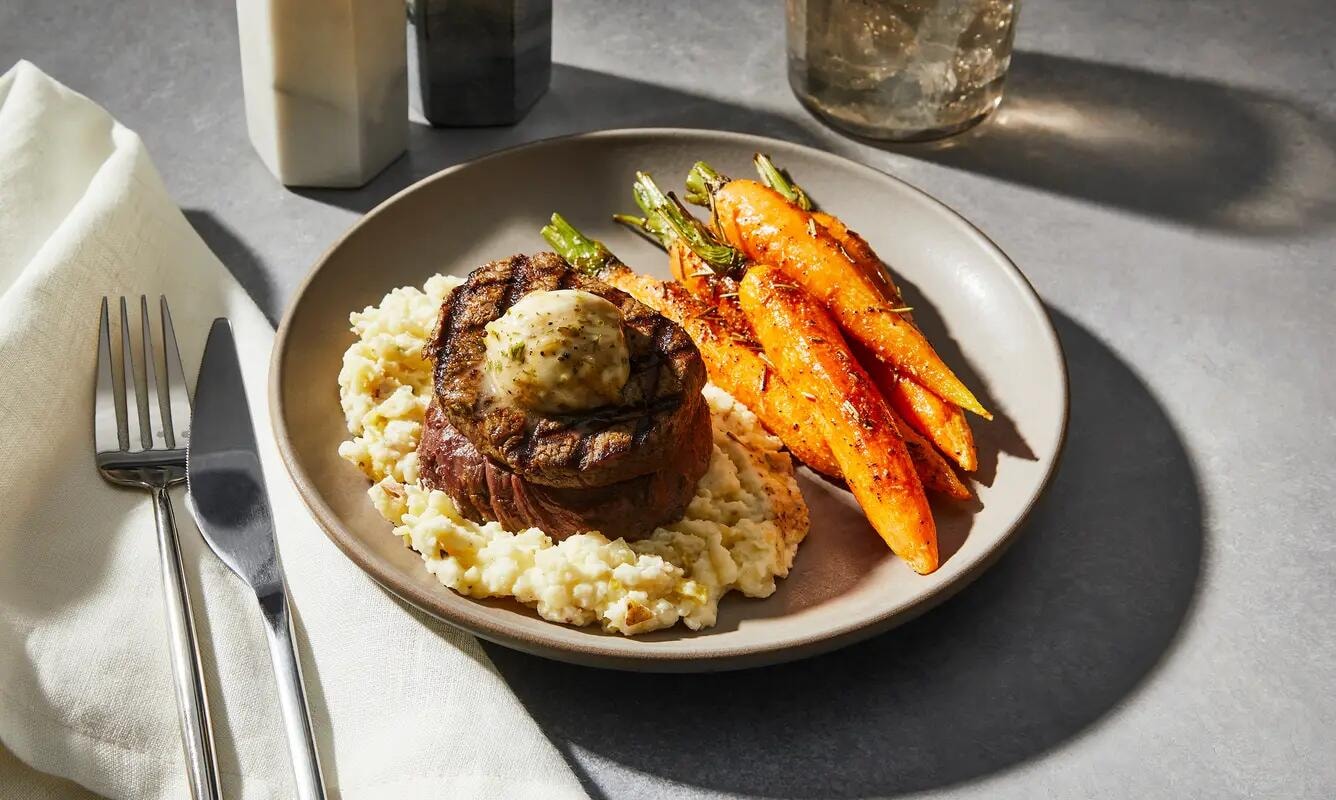
The benefits of a high protein diet plan include healthy weight loss, sustainable weight loss, and improved weight management without sacrificing balance. Supporting lean muscle mass, preserving muscle tissue, and maintaining muscle mass improves fat loss while stabilizing blood sugar control.
A balanced diet approach helps regulate hunger hormone signals and supports a healthy metabolism.
1. Supports Healthy Weight Loss
A high protein intake supports healthy weight loss by increasing satiety and preserving lean muscle mass. Protein helps manage calorie intake while promoting sustainable weight loss rather than rapid fluctuations.
2. Helps Reduce Belly Fat Over Time
Reducing body fat through consistent protein intake supports gradual belly fat reduction. While spot reduction is not possible, protein helps promote fat loss and improve body composition over time.
3. Improves Satiety and Appetite Control
Protein affects hunger hormone regulation, helping reduce frequent hunger and cravings. Eating high protein foods improves fullness, making it easier to maintain a controlled calorie intake.
Example
When lunch includes a real protein portion, evening snacking often drops without any deliberate restriction.
4. Preserves Lean Muscle During Fat Loss
Adequate protein intake helps preserve lean muscle mass and muscle tissue during fat loss. This supports strength, metabolism, and better body composition outcomes.
5. Stabilizes Energy Levels Throughout the Day
Balanced protein intake supports a healthy metabolism and prevents energy crashes. Stable blood sugar control contributes to better focus and sustained daily energy.
6. Supports Better Metabolic Health
Protein supports healthy metabolism by maintaining muscle mass and improving insulin response. This contributes to better weight management and long term metabolic stability.
7. Reduces Unnecessary Snacking
Higher protein intake improves satiety and reduces the urge to snack on high calorie foods. This supports calorie control and consistent eating habits.
8. Makes Diet Plans Easier to Sustain Long Term
A high protein diet plan built on real foods supports sustainable weight loss and long term adherence. Consistency becomes easier when meals feel satisfying and balanced.
9. Supports Better Blood Sugar Control
Protein slows digestion and supports steadier blood sugar control. This helps manage energy levels and reduces sharp spikes linked to refined foods.
10. Encourages More Balanced Food Choices
Focusing on protein sources naturally improves food quality and balance. Meals tend to include more whole foods, essential nutrients, and fewer empty calories.
These benefits become easier to notice when the plan is applied with consistency, and the next focus is identifying the common mistakes that can block them even when protein intake looks high.
Common Mistakes to Avoid on a High Protein Diet
Common mistakes include relying on protein supplements, ignoring fiber rich foods, overeating calories, and consuming too much protein without balance. Poor protein sources, lack of whole grains like brown rice, and misunderstanding digestion can increase kidney strain or disrupt protein intake goals.
Adjusting for body weight and hydration supports safer progress.
1. Relying Too Heavily on Protein Powders
Excessive use of protein supplements and plant based protein powders can crowd out whole foods. Whole protein sources provide better nutrient balance and support digestion.
What to do instead
-
Use protein supplements as a backup, not a base.
-
Build meals around real protein sources first.
-
Keep powders for travel, busy days, or post workout needs.
2. Ignoring Fiber While Increasing Protein
Low fiber intake disrupts digestion and overall health. Fiber rich foods support gut health, blood sugar control, and sustainable weight loss alongside protein.
Example
A day with eggs, chicken, and whey can still feel “heavy” if vegetables and dal are missing.
3. Skipping Meals and Chasing Protein Later
Skipping meals leads to uneven protein intake and overeating later. Consistent eating protein across meals supports stable energy and muscle maintenance.
A cleaner pattern
-
Keep one reliable breakfast option.
-
Make lunch protein led when evenings are unpredictable.
-
Use snacks to bridge gaps, not to replace meals.
4. Overeating Calories in the Name of Protein
High protein foods still contribute to calorie intake. Consuming too much protein without monitoring daily calories can slow fat loss or lead to weight gain.
What to watch
-
Hidden fats in cooking methods
-
Large portions of nuts and cheese
-
Frequent “high protein” packaged foods
5. Choosing Processed Protein Over Whole Foods
Processed meats and packaged protein foods often contain saturated fat and excess sodium. Whole protein sources support better overall health and body composition.
Better swaps
-
Lean meats, fish, eggs, paneer, tofu
-
Dal and beans paired with whole grains
-
Minimally processed options most days
6. Cutting Carbs Too Aggressively
Eliminating whole grains like brown rice can reduce energy and fiber intake. Balanced carbohydrates support digestion, training performance, and long term adherence.
-
Keep one controlled carb portion per main meal
-
Choose whole grains more often than refined grains
-
Adjust portions on low activity days, not eliminate them
7. Forgetting Hydration Needs
Digesting protein increases hydration needs. Inadequate water intake can affect digestion and increase kidney strain over time.
Simple check
If urine stays dark most of the day, hydration is likely too low for higher protein intake.
8. Eating Most Protein in One Meal
Consuming protein in one large meal limits absorption of essential amino acids. Spreading intake supports muscle maintenance and better utilization.
Better approach
-
Spread protein across three meals
-
Add one high protein snack only if needed
-
Keep dinner strong, but not overloaded
9. Not Adjusting Intake as Weight or Activity Changes
Protein needs change with body weight and activity levels. Failing to adjust intake can slow progress or impact muscle mass.
When to reassess
-
Weight changes by 3 to 5 kg
-
Training volume increases or drops
-
Hunger patterns change for two weeks
10. Expecting Spot Reduction in Belly Fat
Protein supports fat loss, not targeted fat removal. Expecting spot reduction leads to frustration and unrealistic expectations around body fat changes.
These corrections make the plan safer and more effective, and the next step is answering the most common questions people still have about protein intake and long term health.
FAQs
1. Is a High Protein Diet a Good Diet for Weight Loss?
Yes, a high protein diet supports weight loss by improving satiety, reducing calorie intake naturally, and preserving lean muscle mass. It works best when protein is spread across meals and paired with a balanced diet, not when it is pushed to extremes.
2. Does Eating High Protein Foods Every Day Cause Any Side Effects?
For most healthy people, eating high protein foods daily is safe. Side effects usually appear only when fiber, hydration, or food quality is ignored. Whole foods, enough water, and balanced meals prevent most issues.
3. How Many Grams of Protein Should I Eat Daily for Weight Loss?
A practical range is 1.2 to 1.6 grams of protein per kilogram of body weight per day. This level supports fat loss and muscle preservation without crowding out other nutrients.
4. Can a High Protein Diet Help Without Exercise?
Yes, a high protein diet can support weight loss without exercise by improving appetite control and calorie balance. Exercise strengthens results and muscle retention, but dietary consistency still drives fat loss.
5. How Long Does It Take to See Results on a High Protein Diet?
Most people notice reduced hunger and steadier energy within one to two weeks. Visible weight or body composition changes usually appear after three to four weeks of consistent intake.
Conclusion
Fitness experts back a high protein diet plan because it aligns with how people actually eat, train, and recover over time. It protects muscle, supports fat loss, and keeps hunger manageable without demanding perfect days or extreme rules.
The real value lies in execution. Choose protein sources you enjoy, spread intake across meals, and let consistency do the heavy lifting. When the plan fits daily life, results follow quietly and stay in place.
"MyBalanceBite is built around sustainable habits, clear guidance, and eating patterns you can maintain long after motivation fades."




Leave a comment
Translation missing: en.blogs.comments.discription