

Type 1 diabetes doesn’t wait for your schedule, it responds to every bite, sip, and skipped meal. The real challenge isn’t the diagnosis, it’s staying steady when everyday food choices decide your sugar balance.
A doctor-approved plan can change that. By blending practical foods, precise portions, and smart timing, this approach keeps blood sugar stable without cutting joy out of eating.
From what to eat and what to avoid to how timing and portion balance matter, here’s how to make every meal work for your health, one practical step at a time.
What Is Type 1 Diabetes and How It Affects Blood Sugar Levels?

Type 1 diabetes affects how your body manages blood glucose and insulin resistance. Without enough insulin, blood glucose levels rise, leading to unstable blood sugar level control and potential harm to overall health.
Understanding how this imbalance and healthful eating connect sets the foundation for effective blood sugar regulation ahead.
When you eat, carbohydrates convert into glucose, which acts as the body’s primary source of fuel. In a healthy system, the pancreas releases insulin, a hormone that allows glucose to move from the blood into cells for energy production.
In Type 1 diabetes, this process breaks down:
-
The immune system destroys insulin-producing beta cells in the pancreas. As a result, natural insulin levels drop to near zero.
-
Without insulin, glucose remains in the bloodstream, leading to high blood sugar (hyperglycemia). This forces the kidneys to work harder and can cause dehydration, fatigue, and nutrient loss.
-
Cells are starved of energy, even though sugar levels in the blood remain high. This paradox is what makes diabetes management uniquely challenging.
-
Insulin injections or pumps replace what the body no longer produces. However, the dose must match food intake, meal timing, and activity levels — making nutrition control critical.
-
Inconsistent meals or skipped snacks cause sudden sugar fluctuations, especially when insulin doses are not adjusted accordingly.
Every bite, portion, and meal time plays a role in maintaining that delicate balance. Diet isn’t just support; it’s the mechanism that makes insulin work effectively.
How Type 1 Diabetes Affects Blood Sugar Levels
Blood sugar levels rise and fall based on how efficiently glucose moves from food into cells. In people without diabetes, the pancreas automatically releases insulin to control this shift. In Type 1 diabetes, this feedback loop is broken.
Here’s how it happens:
-
Insulin production stops: The immune system mistakenly attacks the pancreas’s beta cells, halting natural insulin production.
-
Glucose accumulates in the bloodstream: Without insulin, glucose can’t enter cells for energy. This causes persistent high blood sugar (hyperglycemia).
-
Energy delivery fails: Cells stay deprived of energy, leading to tiredness and slower recovery, even after eating well.
-
The body compensates incorrectly: It breaks down fat and muscle for fuel, releasing ketones — compounds that can make the blood acidic and dangerous if unmanaged.
-
Every meal affects insulin balance: Food intake, especially carbohydrates, directly decides how much injected or pumped insulin is required to maintain stable glucose.
This cycle explains why Type 1 diabetes demands precision. Even small meal changes, an extra chapati, a skipped snack, or delayed dinner, can alter glucose levels for hours. Maintaining predictable eating patterns keeps your insulin response smoother and blood sugar under control.
“You can’t manage what you don’t measure, awareness is your first medicine.”
— Dr. Jason Fung, Nephrologist & Author of The Diabetes Code
This foundation prepares you to understand the next crucial step: why consistent blood sugar management determines long-term energy, organ health, and overall quality of life.
Why Managing Blood Sugar Levels Is Crucial for Type 1 Diabetes Patients
Managing diabetes isn’t just about food; it’s about learning how to regulate blood sugar levels daily. Stable blood sugar management supports overall health, controls blood pressure, and aids weight management.
Knowing how spikes in blood glucose affect diabetic patients helps you see why consistent habits form the backbone of long-term blood sugar stability.
Every rise or drop in blood glucose affects how the body functions, not just for the moment but over time. Maintaining stable levels protects your heart, nerves, kidneys, and eyes while preventing fatigue or mood swings that come from sugar fluctuations.
Here’s why regulation matters every day:
-
Energy balance: Stable sugar levels give the body a steady energy supply, reducing sudden tiredness or dizziness.
-
Brain function: The brain depends heavily on glucose; irregular levels can affect focus, mood, and reaction time.
-
Heart and kidney health: Consistent control lowers the risk of hypertension, high cholesterol, and kidney stress caused by excess glucose.
-
Wound healing and immunity: Balanced levels support cell repair, reducing infection risk and speeding recovery.
-
Hormonal stability: Managing sugar helps prevent cortisol and adrenaline surges that worsen insulin sensitivity.
Daily glucose regulation doesn’t rely on restriction but on rhythm, regular meals, smart carbs, and consistent hydration. When your diet and insulin work together, blood sugar stays in range more predictably and your energy remains even through the day.
“The goal isn’t perfect numbers, it’s consistent habits that keep you in balance.”
— Dr. Mark Hyman, Functional Medicine Expert
Consistent control also allows doctors to fine-tune insulin doses more accurately, minimizing sudden highs or lows. It’s not about eating less, it’s about keeping timing, balance, and nutrient quality consistent.
Once you understand this connection between blood sugar balance and daily routine, the next step is applying it through food choices. The following section presents a ready-to-use Indian diabetic diet chart designed to support stable glucose levels every day.
Your Ready to use Diabetic Diet Chart for Better Blood Sugar Control

A well balanced diet filled with nutritious meals, whole grains, lean proteins, and non starchy vegetables helps regulate blood glucose levels. A proper diabetic diet plan, especially an Indian diet chart or personalized diet chart, makes managing diabetes easier.
Explore how a practical Indian diet chart for diabetic patients simplifies sugar control through smart, healthful eating choices.
| Day | Breakfast | Lunch | Dinner | Snacks / Add-ons |
|---|---|---|---|---|
| Monday | Vegetable oats with flax seeds and green tea | Brown rice with dal, sautéed spinach, and salad | Grilled paneer with mixed vegetables | Buttermilk or roasted chana |
| Tuesday | Moong dal chilla with mint chutney | Quinoa khichdi with curd and cucumber | Stir-fried tofu with veggies | Handful of almonds or walnuts |
| Wednesday | Poha with peas and sprouts | 2 chapatis with palak dal and salad | Clear vegetable soup with multigrain toast | Greek yogurt with berries |
| Thursday | Vegetable upma with coconut water | Millet pulao with mixed veggies and curd | Grilled fish or soy chunks with sautéed greens | Herbal tea with fox nuts |
| Friday | Scrambled eggs or paneer bhurji with brown bread | Rajma curry with brown rice and salad | Tomato soup with steamed vegetables | Fruit bowl (low GI fruits like apple or guava) |
| Saturday | Smoothie bowl with oats, seeds, and banana | Grilled chicken or lentil curry with chapati | Vegetable stew with quinoa | Green tea or unsweetened black coffee |
| Sunday | Idli with sambar and green chutney | Vegetable biryani (made with brown rice) and raita | Light paneer curry with chapati | Coconut water and mixed nuts |
A diabetic diet plan isn’t about giving up favorite foods, it’s about structuring them for better balance. Regular meals spaced evenly through the day help insulin work efficiently, while whole grains and fiber-rich foods prevent sharp sugar spikes.
“Food is the most powerful drug we take three times a day.”
— Dr. Michael Greger, Physician & Author of How Not to Die
With this foundation, the next section explores common mistakes that often disrupt blood sugar stability and how small adjustments can make your diet more effective every single day.
Want a version built just for you? Explore personalized Indian diet charts at My Balance Bite, where nutrition meets your real routine
Common Diet Mistakes Type 1 Diabetes Patients Should Avoid

Even the best diabetic food chart fails if poor habits persist. Ignoring portion sizes, relying on sugary beverages or fruit juices, and skipping balanced meals can spike blood sugar levels and slow progress.
Recognizing how different foods affect blood glucose levels helps prevent these pitfalls and improves your overall blood sugar regulation.
1. Skipping Meals or Delaying Eating Times
Skipping meals disrupts insulin timing and raises the risk of high blood sugar levels later in the day. When your body doesn’t receive food at expected intervals, it struggles to use insulin efficiently, leading to unstable glucose levels and energy dips.
How to avoid:
-
Eat every 3–4 hours, even if it’s a small snack.
-
Keep quick, healthy options like nuts or fruit yogurt handy during busy hours.
-
Maintain fixed meal times as part of your daily routine to support consistent glucose control and a healthy weight.
2. Ignoring Carbohydrate Counting and Portion Control
Not tracking carbohydrate portions makes glucose regulation unpredictable. Each food choice directly impacts how much insulin your body needs, and ignoring this link often results in blood sugar spikes or drops.
How to avoid:
-
Track carbs using a simple meal plan or digital tracker.
-
Choose low glycemic index carbs such as kidney beans, brown rice, or millets.
-
Balance every carb source with protein or fiber to slow sugar absorption and maintain steady energy.
3. Overeating Fruits or “Healthy” Carbs Without Balance
Fruits contain essential vitamins and fiber, but large servings or fruit juices can quickly spike glucose. Even healthy carbs, when eaten without moderation, disturb blood sugar control.
How to avoid:
-
Stick to one serving of fruit per meal and pair it with protein (like curd or nuts).
-
Prefer whole fruits over juices for fiber benefits.
-
Include green leafy vegetables to balance overall carb load and maintain smoother glucose response.
4. Cutting Out Carbs Completely Instead of Choosing the Right Ones
Completely removing carbs leads to fatigue and poor insulin function. The goal is to select smarter carbs that fuel your body gradually instead of causing sugar surges.
How to avoid:
-
Replace refined carbs like white rice and bread with complex ones such as oats or whole wheat.
-
Include legumes, lentils, and green leafy vegetables for steady energy.
-
Limit unhealthy fats like fried foods that interfere with insulin efficiency.
5. Ignoring Hidden Sugars in Packaged Foods
Many packaged or processed foods contain added sugars under names like dextrose, corn syrup, or malt extract. These hidden sugars elevate glucose unexpectedly, even in items labeled “healthy.”
How to avoid:
-
Read labels carefully before buying sauces, cereals, or drinks.
-
Avoid sugary beverages and switch to plain water, herbal teas, or unsweetened drinks.
-
Cook more meals at home to control added sugar and sodium intake.
6. Not Adjusting Diet Around Physical Activity or Insulin Dosage
Physical activity changes how your body processes glucose, and meals that don’t match your activity or insulin dosage can cause sugar fluctuations.
How to avoid:
-
Eat a small carb-rich snack before workouts and include protein afterward.
-
Monitor glucose closely after exercise and adjust portions accordingly.
-
Plan your meal plan in coordination with your healthcare provider to maintain balance between diet, insulin, and activity.
7. Following Generic “Diabetic Diets” Without Personalization
Every Type 1 diabetic patient’s metabolism reacts differently to food. Generic plans often miss individual needs and may lead to under- or over-compensation in insulin response.
How to avoid:
-
Work with a certified dietitian to personalize your plan.
-
Track how your body reacts to specific foods and modify accordingly.
-
Build a flexible plan that fits your schedule, regional foods, and medical goals for better sustainability.
Once you identify and correct these habits, your meals stop being random and start becoming purposeful. The next section explores how a few sustainable diabetes management tips can help you maintain balanced glucose levels and lasting energy every single day.
Small mistakes can derail sugar control but the right plan fixes them fast. Discover how My Balance Bite builds practical Indian diabetic diet plans that balance food, insulin, and daily life.
Diabetes Management Tips for Sustainable Blood Sugar Control
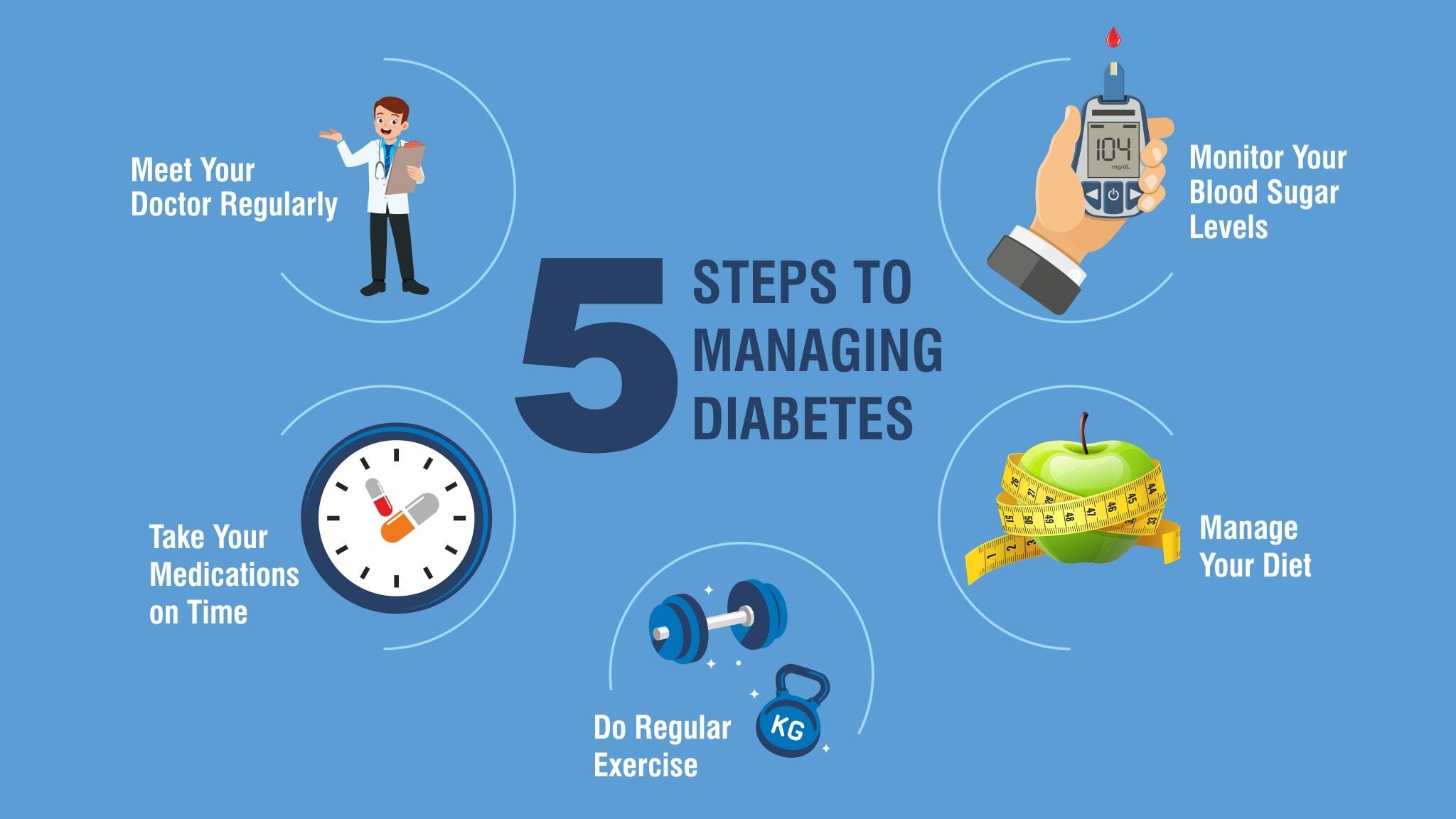
True diabetes management blends healthy lifestyle habits with healthful eating, lean proteins, olive oil, and whole grains. Regular use of green tea, non starchy vegetables, and brown rice helps maintain stable blood glucose levels and overall health.
Now, let’s understand how consistent daily choices help manage diabetes long after the diet plan begins.
1. Plan Your Meals Consciously
A structured meal plan helps any diabetic patient stay on track without confusion. Spacing meals evenly through the day keeps insulin activity steady and prevents energy crashes.
Include complex carbs, protein, and fiber in every meal to manage blood sugar levels naturally. This simple planning habit turns your eating routine into a predictable rhythm.
2. Choose Smart Carbs Over Refined Grains
Refined carbs such as white bread or sugary cereals cause rapid glucose spikes. Replacing them with whole grains, brown rice, or millets provides slow, steady energy release that helps in regulating blood sugar levels effectively.
These swaps maintain insulin balance and make your meals filling without unwanted sugar fluctuations.
3. Limit Sugary Foods Without Full Restriction
Total restriction leads to cravings, but moderation builds control. Avoid frequent intake of desserts, pastries, and sugary foods. If you crave sweetness, opt for fruits paired with yogurt or nuts to balance sugar absorption.
These pairings protect against sudden glucose surges while keeping your meal enjoyable and sustainable.
4. Stay Hydrated Throughout the Day
Water helps flush excess glucose and supports kidney function. Aim for at least 2.5 liters of water daily, with herbal teas or lemon water as supportive alternatives.
Hydration also aids digestion and improves nutrient absorption, making it easier for your body to manage blood sugar levels throughout the day.
5. Add Regular Movement After Meals
Physical activity plays a major role in managing diabetes effectively. Light walks after meals or short yoga sessions help your body use glucose better.
You don’t need high-intensity workouts, steady movement is enough to stabilize insulin response and maintain long-term energy balance.
6. Sync Eating, Sleep, and Stress Patterns
Your body responds best when its rhythm stays predictable. Eat at similar times each day, sleep 7–8 hours, and use small breaks for relaxation.
Stable habits keep hormones balanced, which directly affect blood sugar levels and overall insulin efficiency.
7. Practice Portion Awareness
Portion control prevents overeating and supports a healthy weight. Use smaller plates, chew slowly, and pause before taking seconds.
Mindful eating helps a diabetic patient stay satisfied with smaller portions and maintain glucose stability after meals.
“Small steps don’t just add up, they compound into lifelong control.”
— Dr. Sanjay Gupta, Neurosurgeon & Medical Correspondent
When these simple habits align, food becomes your ally instead of your challenge.
FAQs
1. How Can Sleep and Stress Levels Affect Efforts to Control Blood Sugar Levels?
Poor sleep and high stress increase cortisol, which raises blood glucose and reduces insulin sensitivity. Prioritize 7–8 hours of sleep and stress-management habits like deep breathing or meditation for stable blood sugar levels and better overall health.
2. What Role Does Exercise Play in Maintaining a Balanced Diet for Type 1 Diabetes?
Exercise improves insulin efficiency and helps your body regulate blood sugar levels more effectively. Pair workouts with a well balanced diet rich in complex carbohydrates, lean protein sources, and healthy fats to support overall health and prevent unwanted spikes or drops.
3. Can Supplements or Herbal Remedies Be Safely Added to a Diabetes Diet Plan?
Some supplements like chromium, magnesium, or fenugreek may help manage diabetes effectively, but always consult your doctor first. Combining these with a healthy diet supports better blood glucose management and long-term stability.
4. How Should a Chart for Diabetic Patients Be Used to Track Daily Meals and Glucose Levels?
Use a chart for diabetic patients to record blood glucose levels, insulin doses, and meal plans daily. Tracking helps you spot how different foods affect sugar control, making it easier to manage diabetes with consistency and accuracy.
5. What Are the Best Dining-Out Tips to Follow While Staying Consistent with a Diabetes Diet?
Choose grilled or steamed healthy foods over fried foods, request sauces on the side, and avoid sugary drinks. Pick whole grains when possible and enjoy green tea or unsweetened almond milk instead of carbonated drinks to keep blood glucose steady while eating out.
Conclusion
Managing Type 1 diabetes isn’t about strict diets or cutting out your favorite foods, it’s about balance, timing, and consistency. A structured plan helps you understand your body better, giving you control over your energy, focus, and long-term stability.
As you continue, treat every meal as an opportunity to stay steady, not restrictive. The real success lies in how calmly and consistently you manage your choices, one plate and one day at a time.
Your journey doesn’t end with one plan. Build consistency that lasts at My Balance Bite, crafted diets, measurable results





Leave a comment
Translation missing: en.blogs.comments.discription