

Ever felt like you’re doing everything right but the scale just won’t budge? That’s where this story flips the script. This 80 kg to 60 kg weight loss plan didn’t rely on crash diets or endless cardio, it worked because it understood how real fat loss actually happens.
This isn’t about starving yourself or chasing trends. It’s a simple, sustainable diet strategy built around smart nutrition, timing, and balance, things your body actually listens to.
If you’ve been stuck in the cycle of “trying everything,” this plan might just show you what truly works when discipline meets the right design.
Understanding How Weight Loss Really Works
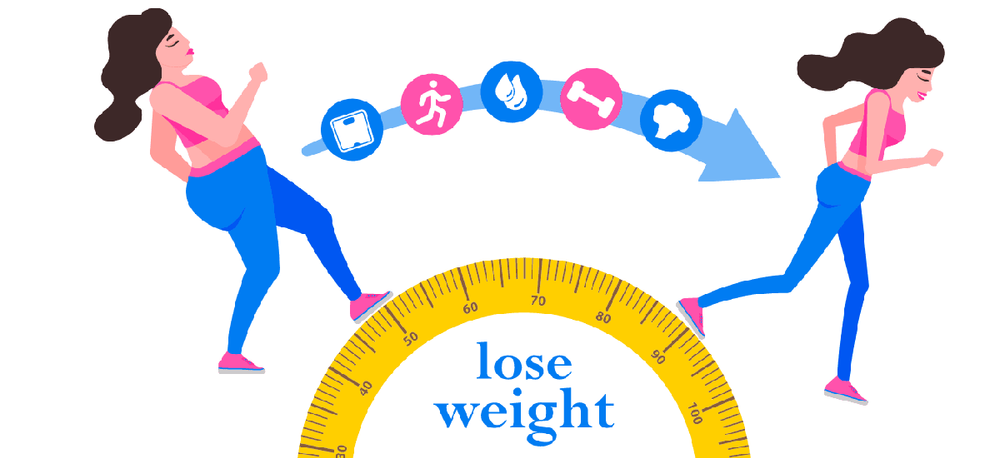
Weight loss depends on more than just cutting calories. It’s about how efficiently your body burns energy, how well you fuel it, and how consistently you support it with healthy habits.
To achieve long-term results, you need to understand one simple thing: your body doesn’t just respond to less food, it responds to balance. When your diet, movement, and recovery work together, fat loss becomes a natural outcome rather than a constant struggle.
Your body runs on a system called "energy balance", the relationship between the calories you consume and the calories you burn. Eat more than you burn, and your body stores the excess as fat. Eat slightly less, and it starts using stored fat for energy.
But here’s the catch, if you just starve yourself, your metabolism slows down to protect you. The real key is eating right, not less.
"Your metabolism is like a bonfire, feed it right, and it burns brighter.” — Luke Coutinho, Holistic Health Coach
For fat loss to actually stick, here’s what really matters:
-
Quality Over Quantity: Calories matter, but the source of those calories matters more. Whole grains, lean proteins, healthy fats, and fiber keep you fuller longer and stabilize your blood sugar, something crash diets never do.
-
Movement That Supports Metabolism: Strength training builds lean muscle, which burns more energy even when you’re resting. Cardio helps with endurance and overall calorie burn, but it’s the combination of both that reshapes your body.
-
Rest and Recovery: Sleep isn’t optional. Poor sleep increases stress hormones like cortisol, which can trigger fat storage, especially around the belly. Rest well, and your metabolism thanks you.
-
Hydration and Hormonal Health: Dehydration, skipped meals, or chronic stress can disrupt hormones that control hunger and fullness. Staying hydrated and maintaining routine meals keep those systems stable.
-
Consistency Over Extremes: Real transformation happens with small, repeatable habits. Anyone can lose 3 kg on a crash diet, but only consistency builds a body that keeps it off.
Think of your body as an ecosystem, not a math problem. When you feed it right, move it often, and let it recover, it naturally finds its healthy balance.
Mastering how weight loss actually works doesn’t just change how you look, it changes how you think about health altogether. In the next section, we’ll look at the seven biggest hurdles most people face on their 80 to 60 kg journey and how to overcome each one with confidence and clarity.
Ready to start your own transformation? Explore personalized diet blueprints crafted by certified experts at MyBalanceBite.com
7 Major Challenges You’ll Face on Your 80-to-60 Kg Weight Loss Journey

For most people, reducing weight brings unexpected obstacles. A demanding lifestyle, hidden sugar in meals, and unhealthy foods can lead to weight gain and frustration. Managing health while balancing life takes awareness and patience.
Every transformation looks easy in hindsight, but behind every success story is a list of daily battles quietly won. Here are the biggest challenges you might face on your 80-to-60 kg journey and how to handle them smartly.
1. The Weight Loss Plateau
A calorie imbalance often causes slow progress. Understanding how to burn more calories keeps your progress visible and your motivation steady.
When your body adapts to a certain calorie level, it slows energy use. That is why the scale stops moving even when you are doing everything right. To break through, you can:
-
Slightly reduce daily calorie intake or increase activity levels to create a new calorie gap.
-
Add resistance training to build muscle that burns more energy at rest.
-
Reassess portion sizes every few weeks as your body composition changes.
The key is not panic, but adjustment. Every plateau is a sign that your body has become efficient, not that you have failed.
2. Emotional and Stress Eating
Stress can lead to overeating sugar and processed foods, which provide temporary comfort but disrupt long-term results. Keeping your emotional health balanced helps you manage hunger and mood better.
To regain control:
-
Replace emotional eating triggers with calming rituals such as a short walk or breathing exercises.
-
Keep high-protein snacks ready to avoid impulse cravings.
-
Journal your feelings before turning to food, this builds awareness over reaction.
“We don’t eat because we’re hungry, we eat to fill a void. Recognizing that difference changes everything.” — Dr. Shikha Sharma, Nutrition Expert
Emotional balance makes discipline effortless because you are working with your body, not against it.
3. Staying Consistent for Months, Not Weeks
Long-term results require patience and rhythm. Weight loss is not a sprint, it is a series of sustainable habits practiced daily.
To stay consistent:
-
Build a simple daily routine that feels realistic, not restrictive.
-
Track progress using photos or how your clothes fit, not just the scale.
-
Reward milestones that reflect effort, such as completing 30 workout days or cooking at home for a week.
When you treat consistency as a lifestyle rather than a task, results become automatic.
4. Managing Cravings Without Feeling Deprived
Cutting out sugar or fried food does not mean cutting out satisfaction. Cravings are signals, not enemies, and learning to manage them keeps your journey enjoyable.
You can do this by:
-
Including a small portion of your favorite foods occasionally to avoid bingeing later.
-
Balancing meals with protein and fiber to keep you full longer.
-
Using natural flavor alternatives like fruit or dark chocolate for sweet cravings.
Sustainability depends on satisfaction, not denial. When your meals feel complete, discipline feels natural.
5. Unrealistic Expectations and Burnout
Setting extreme goals in short timelines creates frustration and fatigue. True transformation happens in months of steady progress, not days of restriction.
To avoid burnout:
-
Focus on weekly improvements in energy, mood, or sleep, not just numbers on the scale.
-
Take breaks from tracking if it feels overwhelming.
-
Celebrate process-based wins such as improved endurance or better posture.
Lasting success comes from steady progress, not speed.
6. Slower Metabolism Over Time
With age or prolonged dieting, your metabolism can slow slightly, but it is not irreversible. A smart mix of nutrition and activity can keep your body burning efficiently.
Here is how you can support it:
-
Include enough protein in every meal to maintain lean muscle.
-
Stay active throughout the day with walks, stretches, or light movement.
-
Avoid extremely low-calorie diets that make the body conserve energy.
Metabolism thrives on nourishment, not deprivation. Keep it fed, and it will keep you moving forward.
7. Lack of Sleep and Recovery
Rest is when your body repairs and resets. Poor sleep disrupts hunger hormones and increases cravings for high-calorie foods, slowing fat loss.
To fix your rhythm:
-
Aim for 7 to 8 hours of sleep consistently.
-
Keep a winding-down routine like reading or light stretching.
-
Limit caffeine late in the day to maintain sleep quality.
When you rest well, your body responds faster, your mind stays clearer, and your progress stays visible.
Every weight loss journey tests patience more than willpower. These challenges are not barriers, they are checkpoints showing you how far you have come. In the next section, we will look at how to turn these challenges into a structured plan that makes fat loss feel simpler and more predictable.
Every challenge is beatable with the right plan. Get a customized nutrition strategy designed for your lifestyle at MyBalanceBite.com
7-Day Weight Loss Diet Chart to Go from 80 Kg to 60 Kg
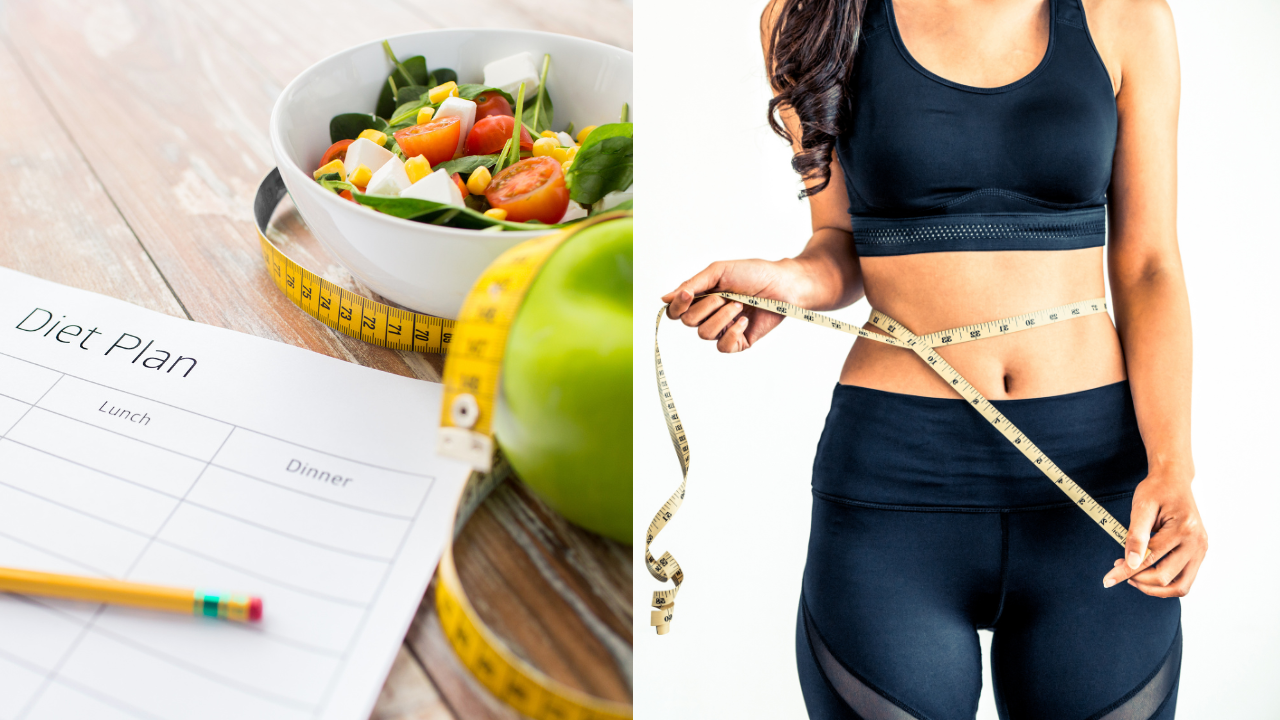
The 7-day weight loss diet chart is designed to help you go from 80 Kg to 60 Kg with balanced healthy meals. It combines fruits, grains, whole grains, and brown rice with sautéed vegetables, roasted chana, and milk for nutrition.
Here’s a simple and effective 7-day meal plan you can follow:
| Day | Breakfast | Lunch | Snack | Dinner |
|---|---|---|---|---|
| Day 1 | Oats with skim milk and banana | Brown rice, sautéed vegetables, and curd | Green tea with roasted chana | Grilled paneer with salad |
| Day 2 | Vegetable poha with peanuts | 2 rotis with dal and a bowl of salad | Coconut water and a handful of almonds | Stir-fried tofu with spinach |
| Day 3 | Boiled eggs or sprouts with fruit | Quinoa with mixed vegetables | Buttermilk and a small fruit | Vegetable soup with whole-grain toast |
| Day 4 | Smoothie with spinach, banana, and oats | Brown rice with rajma or chana | Green tea and a fruit | Grilled fish or paneer with steamed veggies |
| Day 5 | Upma with vegetables | 2 millet rotis with dal and sabzi | Coconut water and nuts | Moong dal khichdi with salad |
| Day 6 | Greek yogurt with berries and seeds | Lemon rice with sprouts salad | Herbal tea with roasted chickpeas | Light paneer curry with 1 roti |
| Day 7 | Besan chilla with mint chutney | Vegetable pulao with curd | Coconut water and fruit slices | Clear soup with sautéed vegetables |
Additional Tips:
-
Drink at least 8 to 10 glasses of water daily.
-
Avoid skipping meals to prevent overeating later.
-
Replace sugary drinks with herbal teas or infused water.
-
Keep dinner light and eat it at least 2 hours before bedtime.
-
Include green tea and coconut water to stay energized.
A 7-day plan like this helps reset your eating habits, control cravings, and keep your energy levels high. But even the most balanced diet can lose its impact if you unknowingly include the wrong foods.
“A great diet isn’t about perfection, it’s about progress and consistency.” — Ryan Fernando, Sports Nutritionist
In the next section, we’ll look at the foods you must strictly avoid to make your 80-to-60 kg transformation faster, smoother, and more sustainable.
Want a version of this plan tailored to your exact body type? Build your 7-day personalized chart now on MyBalanceBite.com
Foods to Strictly Avoid for Effective Weight Loss
Avoid sugar, junk foods, fried foods, and bakery products that overload your calories. Skip carbonated drinks, processed foods, and refined foods that slow metabolism. Cutting unhealthy foods keeps your health strong and speeds up your results.
Here’s a breakdown of the common food traps to steer clear of and what to replace them with instead.
1. Refined Sugars and Sweetened Drinks
Sugar hides everywhere, from tea and packaged juices to so-called “healthy” smoothies. These empty calories spike your blood sugar and store as fat quickly.
Avoid:
-
Sodas, energy drinks, sweetened teas, bakery sweets
-
Sugary cereals and flavored yogurts
Better choices:
-
Drink black coffee or green tea instead of sweetened beverages
-
Replace sugary juices with cinnamon water or infused detox water for natural flavor
2. Processed and Packaged Foods
Instant noodles, chips, and frozen snacks are loaded with preservatives, sodium, and refined oils. These not only increase calorie intake but also make your body crave more processed food.
Avoid:
-
Packaged soups, frozen meals, and white bread
-
Fried chips and ready-to-eat mixes
Better choices:
-
Choose whole-grain options or freshly cooked meals from your sample diet plan
-
Include roasted walnuts or seeds as part of your mid-morning snack instead of processed munchies
3. Fried and Oily Foods
Fried foods like samosas, pakoras, and french fries are calorie-dense and hard to digest. Regular intake leads to fat accumulation, especially around the belly.
Avoid:
-
Deep-fried snacks, fast food burgers, and fries
-
Oil-heavy curries or gravies at lunch or dinner
Better choices:
-
Air-fry or grill vegetables and proteins
-
Use olive oil or mustard oil in limited amounts for cooking
4. Refined Carbohydrates and Bakery Items
White flour, pastries, and biscuits provide instant energy but no nutrition. They also raise insulin levels, increasing fat storage.
Avoid:
-
Cakes, cookies, pasta made from refined flour
-
White rice or white bread
Better choices:
-
Choose brown rice, millet rotis, or quinoa instead
-
Use whole-grain bread for your breakfast or sandwich meals
5. Processed Meats and High-Sodium Foods
Cold cuts, sausages, and canned meat contain nitrates and added salts that hinder fat loss. Excess sodium causes bloating and water retention.
Avoid:
-
Salami, bacon, and canned fish varieties
-
Instant gravies and sauces
Better choices:
-
Opt for lean meats, grilled fish, or fresh paneer
-
Season food with herbs, lemon juice, or minimal salt
Eliminating these foods helps your metabolism stay active and your progress remain steady. When you fuel your body right, every calorie counts toward transformation instead of storage.
Now that you know what to avoid, the next step is understanding how long it realistically takes to go from 80 to 60 kg because sustainable fat loss isn’t just about food, it’s about time, patience, and consistency.
How Long Will It Take to Go from 80 Kg to 60 Kg?
Your timeline depends on calories, calorie deficit, and health conditions. To achieve and lose weight easily, stay consistent with a good lifestyle, regular exercise routine, and focus on healthy weight loss. Results vary, but discipline ensures lasting progress.
Weight loss isn’t a race, it’s a rhythm your body learns to adapt to. The key is understanding how much you can lose safely without exhausting yourself or slowing your metabolism.
Here’s what a realistic timeline looks like:
-
A healthy, sustainable rate of fat loss is 0.5 to 1 kg per week.
-
That means reducing 20 kg would take roughly 20 to 30 weeks (5 to 7 months) for most people.
-
Your speed depends on calorie deficit, physical activity, sleep, and hormonal balance.
Factors that can affect your pace:
-
Calorie Deficit: A 500-calorie deficit per day helps you lose roughly 0.5 kg per week.
-
Workout Routine: Mixing cardio and strength training helps maintain muscle while burning fat faster.
-
Diet Quality: High-protein meals and fiber-rich foods improve metabolism and reduce hunger spikes.
-
Sleep & Recovery: 7–8 hours of rest keeps hunger hormones like ghrelin and leptin balanced.
Example Breakdown:
If you burn 500 more calories than you eat every day through diet and exercise, you could lose:
-
2 kg per month → steady and safe progress
-
4 kg per month → achievable with intense consistency
So, going from 80 kg to 60 kg could take anywhere between 5 and 8 months, depending on how disciplined your plan is and how your body responds.
Quick tip: focus less on how fast you’re losing and more on how consistently you’re moving. Rapid weight loss often leads to rebound gain, while steady progress builds habits that stick for life.
Once you understand your timeline, the real question isn’t how fast you can lose weight, but how well your plan actually works for your body.
“Slow progress is still progress and it’s the kind that stays.” — Dr. Siddhant Bhargava, Nutritionist & Co-founder, Food Darzee
Most diets fail because they focus only on numbers, not sustainability. The good news? The next section uncovers exactly why this 80-to-60 kg diet plan works when others don’t and the simple science that makes it last.
The Secret Behind Why This Diet Plan Succeeds Where Most Diets Fail
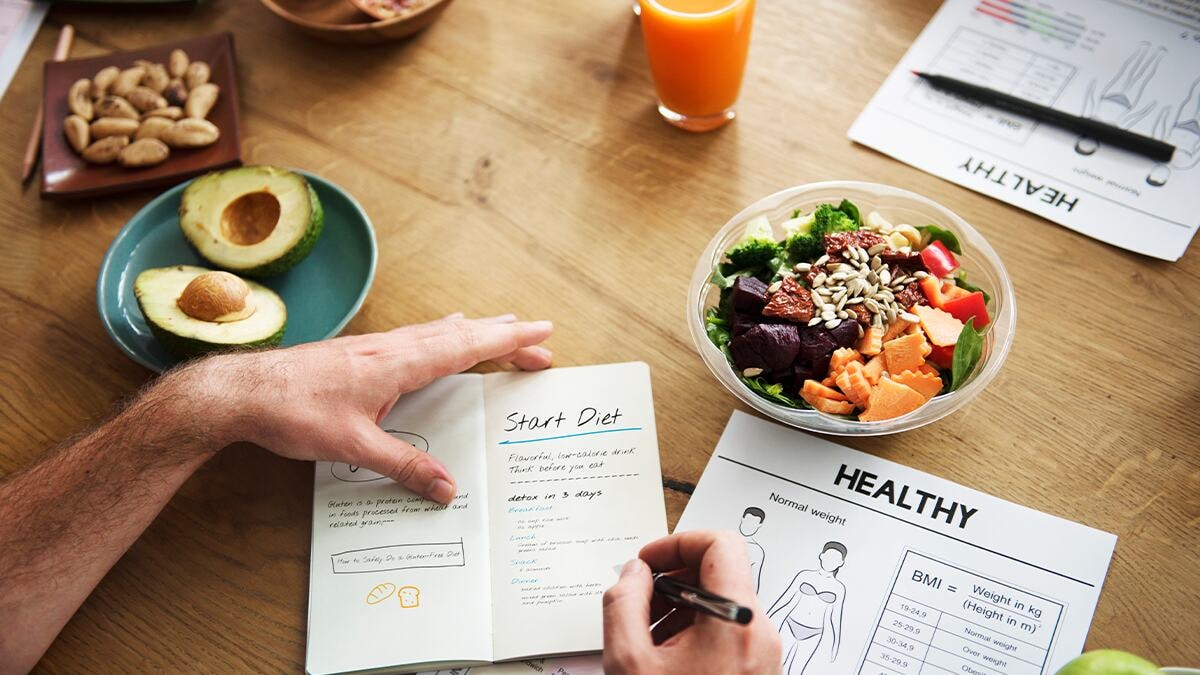
Designed by expert dietitians and healthcare provider, this weight loss plan balances nutrients and varied food groups. It promotes whole foods and low fat meals that support health and help you achieve steady success. Consult a doctor or professional medical advice to tailor it to your needs.
Unlike fad diets that starve your body or cut entire food groups, this one trains your metabolism to burn efficiently while still keeping you nourished.
Here’s why it works when others don’t:
-
Balanced Nutrition: Each meal includes the right ratio of proteins, complex carbs, and healthy fats that prevent cravings and mood crashes.
-
Sustainable Portions: You eat real food in controlled amounts, so you never feel deprived or burnt out halfway through.
-
Gradual Progress: The plan focuses on consistent calorie deficit and muscle preservation, avoiding the rebound weight gain common in crash diets.
-
Adaptable Choices: You can swap foods, tweak meal times, or include occasional treats without breaking the plan’s structure.
The real secret? It doesn’t ask you to fight your body. It helps you work with it, making the process natural, flexible, and long-lasting.
And as you’ll see in the next section, this success isn’t about luck, it’s about a clear understanding of how to sustain your results and keep your body thriving long after the goal is reached.
7 Important Instructions to Follow During Your Weight Loss Journey
Discipline shapes results. Stay hydrated with warm water, green tea, or coconut water. Include milk, follow portion control, and maintain an exercise routine. Focus on your daily life, achieve small goals, and build a stronger lifestyle each day.
Small daily actions define your transformation. When followed with patience, these simple instructions turn effort into results that last.
1. Stay Consistent with Your Diet and Routine
Your body responds to regularity. Eat, sleep, and exercise at roughly the same time every day to keep your metabolism and energy balanced. Consistency creates momentum, and momentum delivers results.
2. Eat a Balanced, High-Fiber Diet
Fruits, grains, brown rice, sautéed vegetables, and roasted chana keep your gut happy and hunger under control. Fiber slows digestion, stabilizes blood sugar, and keeps you fuller for longer. Include small portions of healthy fats like walnuts or olive oil for steady energy.
3. Drink Plenty of Water Daily
Hydration is the easiest metabolism booster. Sip warm water, coconut water, or green tea throughout the day. It helps flush toxins, curb hunger, and keep your digestion smooth.
4. Get Enough Sleep and Manage Stress
Sleep isn’t rest, it’s recovery. When you sleep well, your hormones regulate appetite and fat metabolism naturally. Manage stress through walks, meditation, or light stretching to avoid emotional eating.
5. Avoid Processed and Sugary Foods
Skip refined sugar, bakery items, and fried snacks that stall fat loss. Choose natural sweeteners like honey or fruit, and focus on home-cooked, whole-food meals that nourish instead of numb.
6. Include Regular Exercise or Physical Activity
Even 30 minutes of brisk walking, yoga, or strength training makes a difference. Exercise not only burns calories but improves mood, posture, and muscle tone, creating a more active metabolism.
7. Track Your Progress and Stay Patient
Use a simple log or app to record your meals, workouts, and changes. Progress isn’t always linear, but consistency always wins. Celebrate small milestones instead of chasing quick fixes.
When these seven habits become a part of your lifestyle, weight loss stops feeling like a struggle and starts feeling like a natural rhythm. The next section reveals how maintaining these practices keeps your body in balance long after reaching your goal weight.
Maintaining Your Weight After Reaching 60 Kg: The Balanced Diet Approach
Staying at 60 Kg requires awareness and good habits. Focus on healthy eating with fruits, grains, milk, low fat foods, brown rice, and whole foods. Add healthy fats and practice portion control.
Reaching your goal weight isn’t the finish line, it’s the start of a new rhythm. The key is to shift from “losing weight” to “living well.”
Here’s how to stay balanced without slipping back:
-
Stick to a structured routine: Eat at regular times and keep your exercise schedule steady. This prevents your metabolism from slowing down.
-
Follow the 80/20 rule: Eat healthy 80% of the time and allow small treats occasionally to avoid cravings or guilt.
-
Keep protein a priority: Include eggs, lentils, or paneer in every meal to preserve muscle and support metabolism.
-
Add smart mid-meal snacks: A handful of walnuts lunch or between meals provides good fats and keeps you full, preventing overeating later.
-
Stay hydrated daily: Water, green tea, or cinnamon water keep digestion active and help flush excess salt or bloating.
-
Watch portion sizes: Even healthy foods can cause weight gain if portions creep up over time.
-
Do weekly self-checks: Monitor your weight or measurements once a week to stay accountable without obsessing.
Consistency is the real secret to maintenance. You don’t have to eat perfectly, just stay mindful and flexible with your food and activity choices.
FAQ's
1. Can a high-fibre diet really help me lose weight faster?
Yes. High-fibre foods keep you full for longer, reduce cravings, and improve digestion. They naturally lower calorie intake, which helps you lose weight more efficiently.
2. What’s the best time to follow my diet plan for effective fat loss?
Stick to consistent meal times and avoid long gaps between meals. Eating your main meals earlier in the day and keeping dinner light helps improve fat loss results.
3. Do cheat meals affect my weight loss progress if I’m on a strict loss diet plan?
Occasional cheat meals won’t ruin your progress if you stay within your weekly calorie goals. The key is moderation and returning to your plan immediately afterward.
4. How can I stay motivated to lose weight during slow progress weeks?
Track non-scale wins like better energy or improved fitness. Focus on consistency and small habits instead of daily numbers on the scale.
5. Should I modify my diet plan if I’m not losing weight after a few weeks?
Yes. Recheck your calorie intake, portion sizes, and activity levels. A small calorie adjustment or increased physical activity usually restarts progress.
Conclusion
The journey from 80 Kg to 60 Kg isn’t about shortcuts or starvation, it’s about understanding your body and building habits that last. This plan works because it keeps things simple, balanced meals, steady activity, and mindful living.
When you stop chasing quick fixes and start creating consistency, fat loss becomes a natural outcome, not a daily struggle.
So stay patient, trust the process, and let your results speak louder than your excuses.
Your transformation story starts now. Visit MyBalanceBite.com and discover how real balance leads to real results.




Leave a comment
Translation missing: en.blogs.comments.discription