

Belly fat does not show up overnight. It settles in through routine meals, portion creep, and food choices that feel harmless but add up quietly.
An Indian-style budget-friendly 7-day diet plan to reduce belly fat works best when it respects how people actually eat. Familiar foods, controlled portions, and steady meals create conditions where fat loss becomes possible without constant hunger or confusion.
This approach relies on structure, not restriction. Each day follows a clear eating rhythm that reduces decision stress and keeps progress steady across the week.
What Belly Fat Really Is and How It Differs From Normal Fat?
Belly fat is not just surface body fat. It refers primarily to visceral fat, the type stored inside the abdominal cavity rather than under the skin. Unlike visible fat on hips or thighs, visceral fat surrounds organs such as the liver and intestines.
Because of this location, it interacts directly with hormonal and metabolic systems, influencing blood sugar handling, appetite signals, and long-term fat storage patterns.
How Belly Fat Differs From Normal Body Fat
| Aspect | Belly Fat (Visceral Fat) | Normal Fat (Subcutaneous Fat) |
|---|---|---|
| Location | Stored deep inside the abdomen, around organs | Stored under the skin |
| Visibility | Often creates a firm, protruding belly | Softer and easier to pinch |
| Metabolic activity | Highly active, affects insulin resistance | Less metabolically disruptive |
| Hormonal impact | Strongly influenced by stress hormone levels | Limited hormonal interaction |
| Health relevance | Linked to excess belly fat and metabolic strain | Mostly affects appearance |
| Response to change | Reduces with structured fat loss habits | Reduces more easily with calorie cuts |
Why This Difference Matters
Normal body fat acts mainly as stored energy. Belly fat behaves more like an active tissue that communicates with the body’s internal systems. When visceral fat builds up, it shifts how energy is used and stored, making fat loss less predictable and abdominal fat more persistent even with effort.
This distinction matters because fat loss strategies that work for general weight reduction often fall short when the goal is reducing belly fat specifically.
Understanding how belly fat behaves sets the foundation for the next step, calculating how many calories your body can use effectively for fat loss.
How Many Calories Do You Need for Fat Loss?
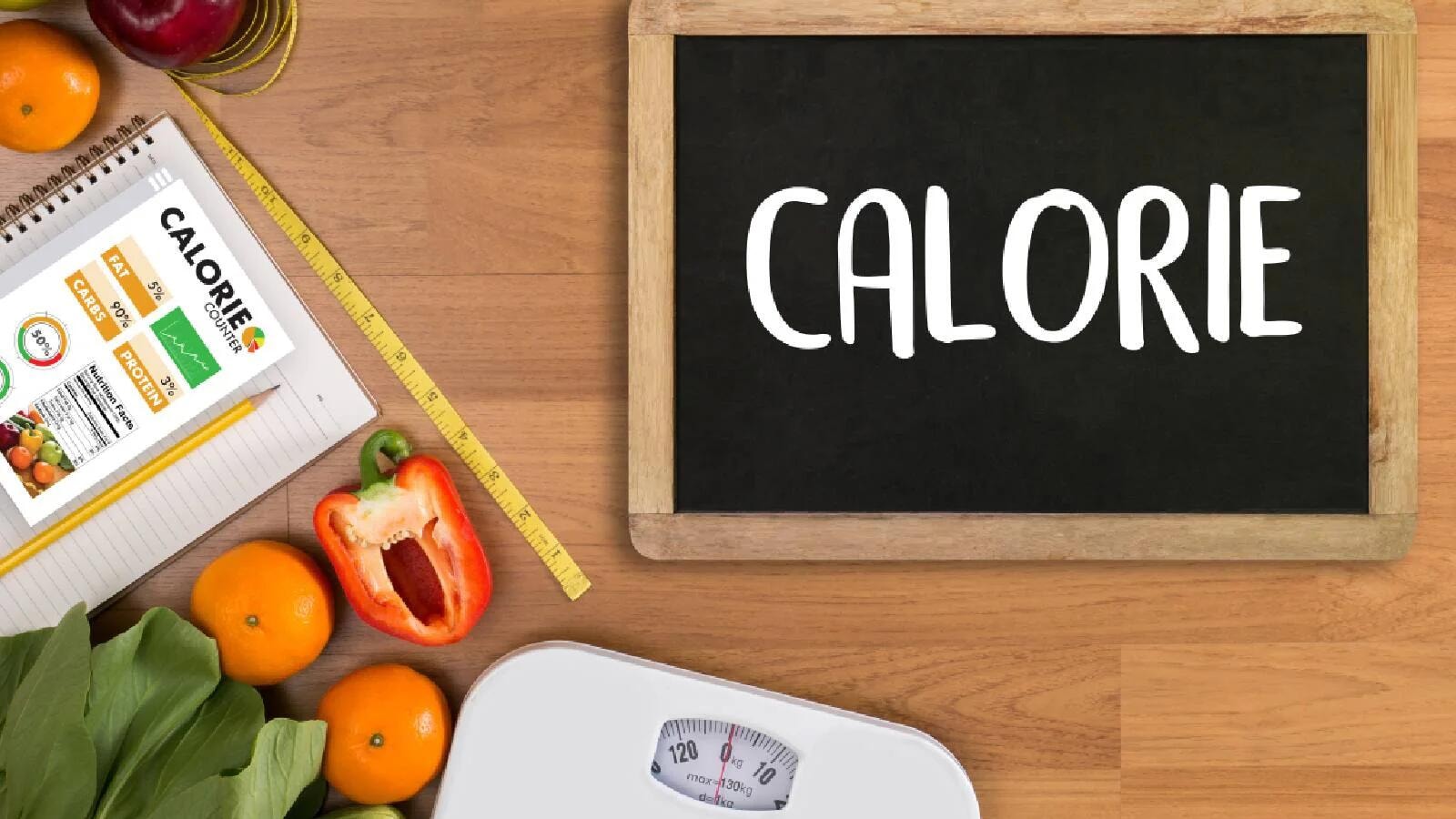
Fat loss depends on calorie intake relative to extra calories burned, not guesswork. When calorie intake exceeds needs, weight gain follows. When managed correctly, losing fat and sustainable weight loss become possible without harming muscle mass or overall health.
Understanding how many calories support weight loss is the foundation of any effective weight loss plan.
How Calorie Needs Are Calculated
Your daily calorie requirement starts with how much energy your body uses at rest and during movement. A simple and widely used method is based on body weight and activity level, which keeps calculation practical.
The Practical Calorie Formula
Use this formula as a starting point:
-
Maintenance calories: body weight (kg) × 22 × activity factor
-
Fat loss target: maintenance calories minus 300 to 500 calories
Activity factor guide:
-
Light activity: × 1.3
-
Moderate activity: × 1.5
-
Active lifestyle: × 1.7
Example
If you weigh 70 kg and stay moderately active:
70 × 22 × 1.5 ≈ 2,310 calories for maintenance
A fat loss range would be around 1,800 to 2,000 calories per day.
Why This Range Works for Belly Fat
Most belly fat reduces when the calorie deficit stays consistent. Extreme cuts often backfire by increasing hunger and stress hormone levels, which can slow progress. A steady deficit allows fat loss while protecting energy and muscle mass.
Where Food Choice Supports the Numbers
Calorie targets become easier to maintain when meals follow patterns seen in a mediterranean diet, where adding healthy fats improves satiety and helps control intake naturally.
Once calorie needs are clear, the next step is turning numbers into a structured diet chart that fits Indian meals and daily routines.
7-Day Indian Diet Chart for Belly Fat Loss on an
This 7-day indian diet plan structures meals using indian food staples that support fat loss and reduce abdominal fat. The diet chart balances brown rice, whole grains, complex carbohydrates, moong dal, lean proteins, chia seeds, leafy greens, fermented foods, and fresh fruits.
Mid morning meals, nutrient dense foods, and essential nutrients keep energy stable across the indian weight loss diet.
| Meal | Vegetarian | Non-Vegetarian | Vegan | Approx Calories |
|---|---|---|---|---|
| Early Morning | Warm water + 1 tsp chia seeds | Warm water + 1 tsp chia seeds | Warm water + 1 tsp chia seeds | 40 |
| Breakfast | Vegetable oats with curd, 1 bowl | 2 boiled eggs + vegetable oats | Vegetable oats cooked in soy milk | 350 |
| Mid Morning(for healthy options, see our 2500 calories diet plan guide) | 1 fresh fruit (apple or papaya) | 1 fresh fruit | 1 fresh fruit | 80 |
| Lunch | Brown rice 1 cup + moong dal + leafy greens | Brown rice 1 cup + grilled chicken + veg | Brown rice 1 cup + moong dal + veg | 500 |
| Evening Snack | Roasted chana or sprouts | Roasted chana | Roasted peanuts | 150 |
| Dinner | 2 rotis + mixed veg + curd | 2 rotis + grilled fish + veg | 2 rotis + mixed veg | 400 |
| Total Daily Calories | 1,500–1,550 | |||
Portion Guidance
-
Brown rice: cooked, leveled cup
-
Rotis: medium, without ghee
-
Oils: 2 to 3 teaspoons per day across meals
-
Protein focus: each main meal includes a clear protein source
This structure keeps calorie intake controlled while allowing flexibility across veg, non veg, and vegan preferences without disrupting fat loss.
With the diet chart clear, the next step is understanding which foods quietly slow progress and should be avoided during these seven days.
Foods To Strictly avoid during these 7 days
Certain foods actively slow belly fat loss. Processed foods, refined carbs, refined grains, fried foods, trans fats, and white bread disrupt calorie control and increase fat storage. A low fat diet alone is not the solution when these items remain present.
Knowing what to avoid processed foods wise is as important as choosing the right foods.
Why These Foods Interfere With Results
These foods concentrate calories, digest fast, and often leave hunger returning quickly. They also make portion control harder because the body does not register fullness as reliably.
Foods To Avoid for This 7-Day Diet Chart
For a detailed meal plan to accompany these guidelines, check out this 7-day vegetarian meal plan (Indian Edition).
Use this as a strict filter while following the plan:
-
Processed foods: packaged snacks, instant noodles, sugary cereals
-
Refined carbs: biscuits, pastries, sweet buns, most bakery items
-
Refined grains: maida-based rotis, pizza bases, white pasta
-
White bread: sandwiches with white bread, bread rolls, buns
-
Fried foods: pakoras, puri, chips, fried street snacks
-
Trans fats: foods made with vanaspati, many commercial bakery items
A Simple Rule That Works Daily
If the food is made mainly from refined grains or is deep-fried, it does not belong in these seven days. This keeps calorie control stable without turning meals into guesswork.
Example
If you usually eat a bread sandwich at tea time, swap it for roasted chana or a fruit and curd combination from the plan. The hunger control improves without adding complexity.
Once the avoid list is clear, the next step is seeing what this plan improves inside the body, not just on the waistline.
Benefits of Following This 7-Day Belly Fat Diet Plan
This diet plan supports health benefits beyond weight loss by promoting a balanced diet, healthy habits, and a sustainable healthy lifestyle. By helping you eat balanced meals consistently, it encourages less belly fat, improved overall health, and easier adherence.
The benefits come from structure, not restriction, which explains why results hold when the plan is followed properly.
1. Improves Calorie Control Without Extreme Restriction
This plan helps you lose weight by keeping calorie intake predictable through portion control, not food fear. It reduces extra calories that quietly drive weight gain, while supporting muscle mass so losing fat stays steady and sustainable weight loss remains realistic.
2. Supports Stable Blood Sugar Levels
Stable blood sugar supports fat loss by reducing insulin resistance and calming appetite swings. Balanced meals and consistent meal timing reduce spikes that strengthen fat storage patterns, which is why stubborn belly fat often softens when eating becomes steady.
3. Reduces Abdominal Fat Through Consistent Meal Structure
A fixed daily meal structure supports abdominal fat reduction by creating repeatable energy control. Over time, this improves body composition and supports efforts to reduce visceral fat, especially when excess belly fat has built up through irregular eating patterns.
4. Minimizes Cravings and Unplanned Snacking
Cravings fall when meals include protein rich foods and complex carbohydrates that digest slowly. This supports steady energy, better protein intake, and fewer hunger crashes, which reduces the urge to snack mindlessly and improves belly fat loss consistency.
5. Fits Easily Into an Indian Diet Routine
The plan fits an indian diet because it relies on common indian food choices like moong dal, vegetables, and whole grains. This keeps the indian weight loss diet practical at home, while still supporting fat loss without needing special products.
6. Encourages Sustainable Fat Loss, Not Short-Term Weight Drops
The goal stays on losing fat, not chasing quick scale changes. This reduces rebound risk, supports overall health, and keeps the weight loss plan realistic, which is why results tend to hold instead of cycling back into weight gain.
7. Reduces Decision Fatigue Around Daily Meals
A clear diet chart reduces daily thinking and keeps choices consistent. Knowing when to eat brown rice, lean proteins, and healthy fats lowers stress and supports a healthy diet that stays easy to follow through busy workdays.
Example
If lunch is already decided, brown rice, moong dal, and leafy greens, you stop negotiating with yourself at noon. The plan runs like a routine, not a daily debate.
8. Supports Energy, Digestion, and Daily Activity
Meals built around essential nutrients and essential vitamins support digestion, steady energy, and better recovery from physical activity. When energy stays stable, adherence improves, and less belly fat becomes a result of routine rather than constant effort.
Once the benefits are clear, it becomes easier to spot the small mistakes that quietly block progress, even when the diet plan looks correct on paper.
Diet Plan Mistakes That Keep Belly Fat Stuck
Many people follow a diet plan but still struggle due to low carb or low fat diet extremes that ignore extra calories and behavior patterns.
These mistakes slow losing fat and make stubborn belly fat persist.
1. Eating in a Calorie Surplus Without Realising
Hidden calories often come from portion creep rather than obvious overeating. Oils, snacks, and repeated servings quietly push calorie intake beyond needs, leading to weight gain even when food choices look healthy.
Example
Adding an extra spoon of oil at lunch and dinner can erase the intended calorie deficit for the day.
2. Skipping Protein in Early Meals
Low protein intake in the morning reduces satiety and raises hunger later in the day. Without high protein foods early on, portion control weakens, and fat storage becomes more likely as the day progresses.
3. Drinking Hidden Calories
Sweetened beverages, juices, and creamy drinks add calories without fullness. These liquids disrupt blood sugar balance and slow belly fat loss because the body does not adjust hunger to compensate.
4. Cutting Carbs Instead of Controlling Portions
A low carb diet applied without context often removes whole grains and complex carbohydrates unnecessarily. Portion control works better than elimination, especially within an indian diet where carbs support consistency and energy.
5. Underestimating Oils, Ghee, and Nuts
Healthy fats like olive oil are calorie dense. When oils and nuts are not measured, calorie control slips, fat storage increases, and progress slows despite good intentions.
6. Constant Snacking on “Healthy” Foods
Frequent snacking on nutrient dense foods still adds extra calories. Without structure, even a balanced diet can prevent fat loss and reinforce stubborn belly fat over time.
7. Ignoring Sleep and Stress
Poor sleep raises stress hormone levels and worsens insulin resistance. This shifts fat storage toward the abdomen and makes fat loss inconsistent, even when diet and exercise remain steady.
8. Changing the Diet Plan Too Often
Frequent changes prevent the body from adapting. Healthy habits need repetition, and switching plans repeatedly interrupts consistency, slowing sustainable weight loss and improvements in body composition.
Once these mistakes are clear, the focus naturally shifts toward habits that stabilize blood sugar and support steady fat loss throughout the day.
Steps to Control Blood Sugar While Losing Belly Fat
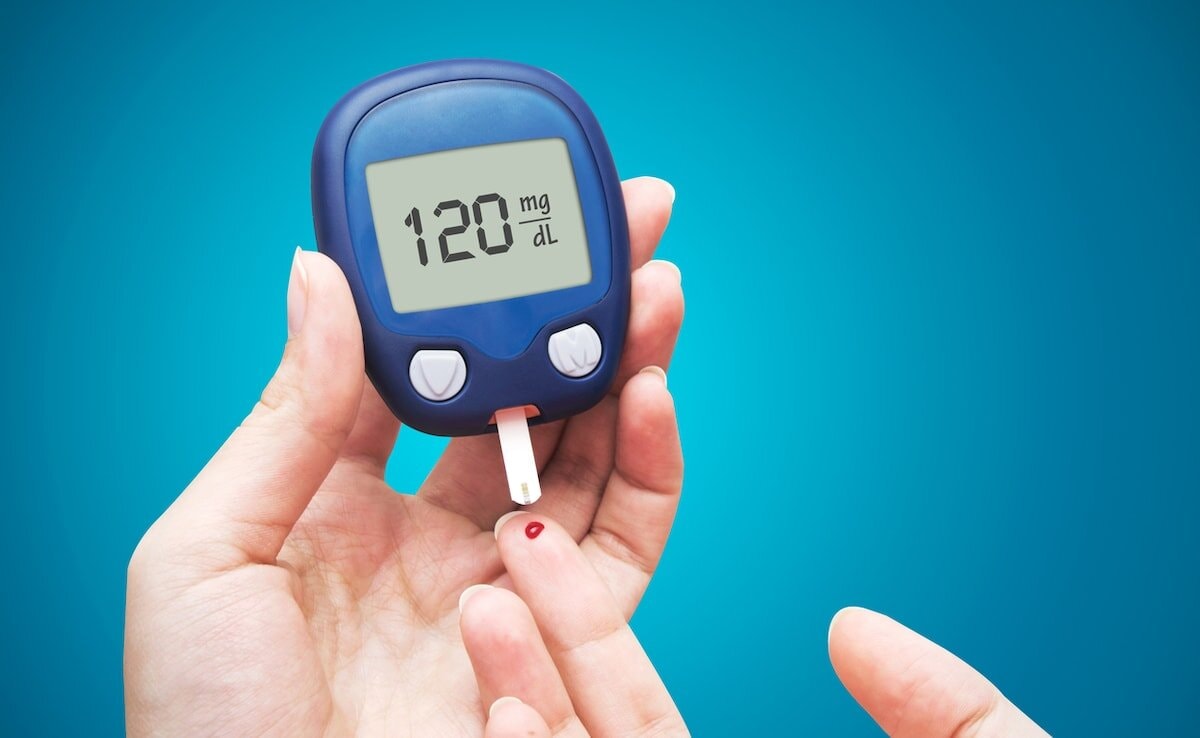
Blood sugar stability plays a central role in reducing abdominal fat. Poor control blood sugar patterns increase insulin resistance and promote fat storage even during weight loss. A healthy diet and balanced meals help manage blood sugar levels and support consistent fat loss.
These steps focus on daily control rather than temporary fixes.
1. Start Every Meal With Protein and Fiber
Starting meals with lean proteins and fiber-rich foods slows digestion and steadies glucose release. This improves protein intake, reduces sudden hunger, and limits fat storage triggered by sharp blood sugar swings later in the day.
2. Keep Carbohydrate Portions Consistent
Consistent portions prevent large glucose fluctuations. When carb intake stays predictable, calorie intake remains easier to manage, appetite stays calmer, and belly fat loss becomes steadier across the week.
3. Choose Low-Glycaemic Indian Foods Most of the Time
Low-glycaemic indian food supports blood sugar control by releasing energy gradually. Foods like moong dal, vegetables, and whole grains reduce insulin resistance while supporting fat loss without removing familiar staples.
4. Avoid Long Gaps Between Meals
Long gaps increase hunger hormones and raise the chance of overeating later. Regular meal spacing supports portion control and reduces excess belly fat accumulation caused by rebound eating.
Example
Skipping lunch often leads to oversized dinners, even when food choices look healthy.
5. Walk for 10–15 Minutes After Main Meals
Light physical activity after meals helps muscles absorb glucose more efficiently. This improves blood sugar handling and reduces fat storage, supporting abdominal fat reduction without adding workout pressure.
6. Limit Liquid Calories and Sweetened Drinks
Liquid calories bypass fullness signals. Reducing sweetened drinks helps avoid processed foods in liquid form and keeps calorie control aligned with hunger cues.
7. Eat Dinner Earlier and Lighter
Earlier, lighter dinners support insulin sensitivity overnight. This pattern reduces fat storage during rest hours and helps losing fat feel more predictable over time.
8. Manage Sleep and Daily Stress Levels
Quality sleep and lower stress improve hormonal balance. Reduced stress hormone activity supports insulin sensitivity and helps fat loss remain consistent rather than reactive.
When blood sugar patterns stay steady, the body responds more predictably to food, which makes physical activity a more effective tool rather than a compensatory one.
Beyond Diet Plans: Aerobic Exercise for Abdominal Fat Loss
Diet alone cannot fully change body composition. Aerobic exercise and regular physical activity improve fat loss efficiency by increasing calorie use and supporting insulin sensitivity. Movement strengthens results from diet choices and helps reduce abdominal fat over time.
The role of exercise becomes clear when paired with realistic intensity and consistency.
1. Brisk Walking (Outdoor or Treadmill)
Brisk walking is accessible aerobic exercise that increases physical activity levels, supports fat loss, and improves overall health without stressing joints.
2. Jogging or Slow Running
Jogging increases calorie use and supports weight loss while preserving muscle mass when paired with adequate protein intake.
3. Cycling (Outdoor or Stationary)
Cycling supports fat loss by increasing daily movement and improving body composition without excessive joint strain.
4. Swimming or Water Aerobics
Water-based exercise supports fat loss and overall health while reducing stress on joints, making it suitable for long-term consistency.
5. Stair Climbing or Step-Ups
Stair climbing increases energy expenditure and improves cardiovascular fitness, supporting belly fat loss alongside a structured diet plan.
6. Skipping Rope
Skipping raises heart rate quickly and helps lose weight by burning calories efficiently in short sessions.
7. Low-Impact Cardio (Elliptical or Cross-Trainer)
Low-impact machines support aerobic exercise goals while protecting joints and maintaining consistent physical activity levels.
8. Dance-Based Cardio (Zumba, Aerobic Dance)
Dance workouts combine aerobic exercise with enjoyment, helping maintain healthy habits and consistent fat loss without boredom.
| Exercise | Primary Benefit | Approx Calories Burned (30 min) |
|---|---|---|
| Brisk Walking | Builds daily activity volume, improves insulin sensitivity | 120–150 |
| Jogging or Slow Running | Higher calorie use, supports cardiovascular fitness | 250–300 |
| Cycling (Moderate Pace) | Improves body composition with low joint strain | 200–250 |
| Swimming or Water Aerobics | Full-body engagement, recovery-friendly fat loss | 220–280 |
| Stair Climbing or Step-Ups | Increases energy expenditure quickly | 300–350 |
| Skipping Rope | High calorie burn in short time | 350–400 |
| Elliptical or Cross-Trainer | Sustains aerobic effort with joint protection | 200–240 |
| Dance-Based Cardio | Improves adherence through enjoyment | 180–220 |
How These Exercises Support Belly Fat Loss
The calorie numbers matter, but consistency matters more. Exercises that can be repeated comfortably through the week contribute more to fat loss than intense sessions done irregularly. Over time, this steady energy use supports visible changes in waist size and body composition.
Example
Thirty minutes of brisk walking daily may burn fewer calories than skipping, but performed six days a week, it creates a larger weekly deficit with better recovery.
How to Choose the Right Exercise for You
-
Choose walking or cycling if joint comfort and consistency matter most
-
Choose jogging or stairs if time is limited and intensity is manageable
-
Choose dance or swimming if enjoyment improves adherence
When exercise aligns with lifestyle and recovery, it stops feeling like a calorie-burning task and starts reinforcing the habits that sustain fat loss.
FAQs
1. Can Green Tea Alone Help Reduce Belly Fat Without Changing Diet or Exercise?
No. Green tea may support metabolism slightly, but on its own it does not create a meaningful calorie deficit. Belly fat reduction still depends on diet structure, calorie control, and regular movement.
2. Is an Indian Diet Plan Effective for Belly Fat if You Eat Outside Occasionally?
Yes. An Indian diet plan can still work if most meals follow the structure. Occasional eating out does not derail progress when portions and frequency stay controlled.
3. How Long Does It Usually Take to See Visible Changes in Belly Fat?
Visible changes often appear within three to six weeks when calorie intake, meal timing, and activity remain consistent. Internal improvements usually begin earlier than visual ones.
4. Can Belly Fat Reduce Even if Body Weight Stays the Same?
Yes. Body recomposition can occur where fat decreases and muscle mass improves. This can result in less abdominal fat even when the scale does not change.
5. Why Does Belly Fat Feel Harder to Lose Compared to Other Areas?
Belly fat is more influenced by insulin resistance and stress hormones. These factors affect fat storage patterns, making abdominal areas respond slower than other regions.
Conclusion
A plan only works when it moves from idea to routine. This is where an Indian-Style Budget-Friendly 7-Day Diet Plan to Reduce Belly Fat earns its value, not by promising shortcuts, but by giving you a structure you can actually follow.
Use the next seven days to observe, not rush. Eat with intent, follow the portions, stay consistent with movement, and let the process settle in. Progress here comes from repetition and clarity, not intensity. When habits feel stable, results follow naturally.




Leave a comment
Translation missing: en.blogs.comments.discription