

Gaining weight sounds easy until you actually try it. Eating more doesn’t always mean growing stronger, it often just means adding fat, not muscle.
That’s why fitness coaches and nutritionists are shifting to structured weight gain plans that focus on balance, not bulk. This 10 Kg Weight Gain Diet Chart has earned attention because it builds lean muscle through smart nutrition and consistency, not shortcuts.
Let’s break down what makes this approach different and why the best trainers now call it the smarter way to grow.
Why Gaining Healthy Weight Is Harder Than It Looks?
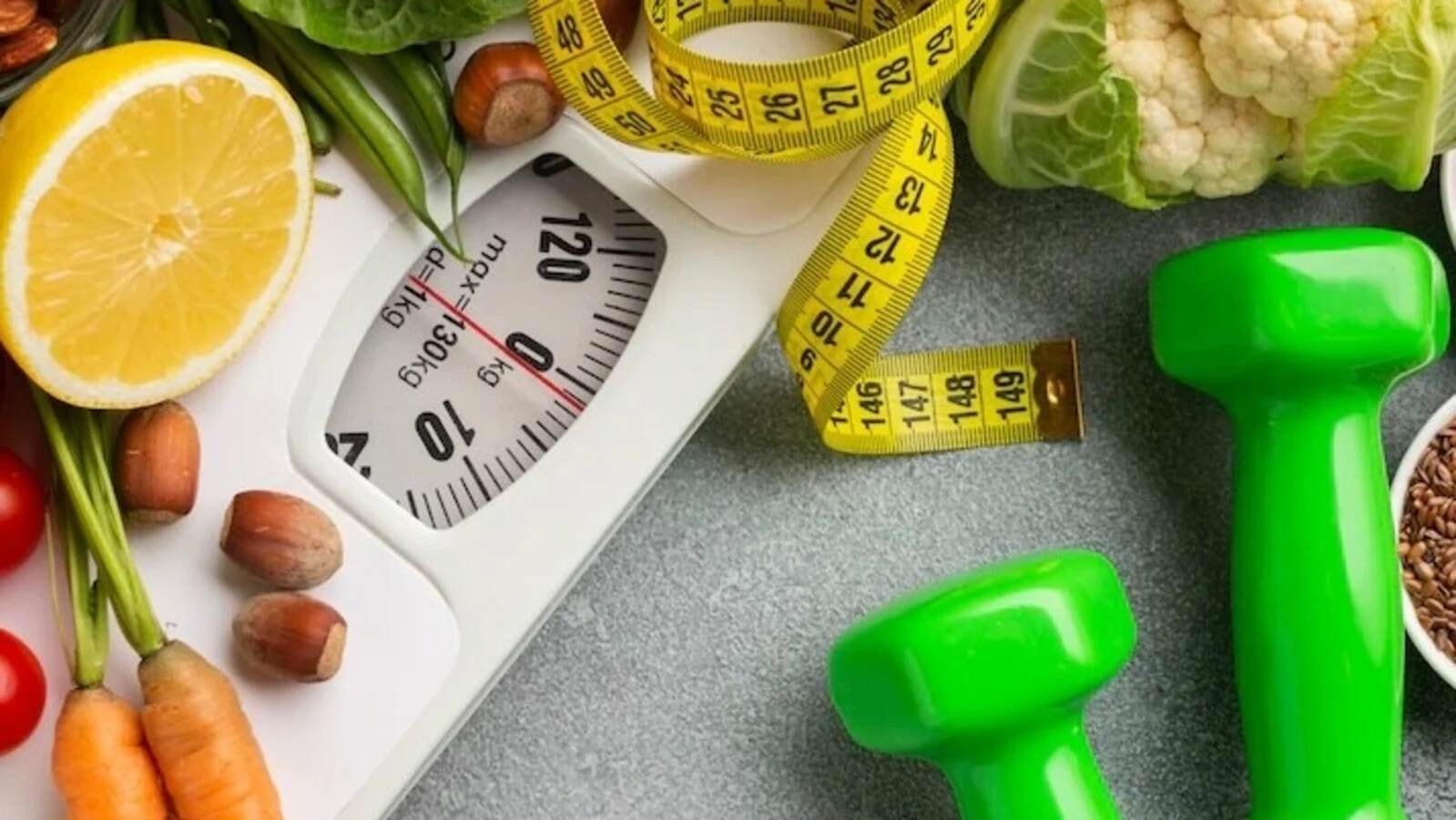
Healthy weight gain isn’t about stuffing more calories or following any random weight gain diet plan. It’s about increasing calorie intake through nutrient dense foods that support healthy weight gain and provide extra calories your body can use effectively.
Understanding why it’s tough to gain more calories naturally sets the stage for what really holds you back.
1. Fast Metabolism
Some bodies burn calories faster than they can consume them. A fast metabolism increases daily energy use, making it harder to maintain a calorie surplus helping you lose weight instead of gaining.
To counter this, focus on calorie-dense, balanced meals that provide consistent fuel throughout the day.
What helps:
-
Eat small, frequent meals every 3–4 hours.
-
Add nut butters, whole milk, and avocados to regular meals.
-
Include a post-dinner snack to close your calorie gap.
This balance of intake and expenditure builds the steady foundation for healthy weight gain.
2. Poor Appetite or Irregular Eating
Low appetite or irregular meal timing quietly limits progress. When meals are skipped, digestion slows, and calorie intake dips below the minimum required for gain.
To build consistency:
-
Set meal reminders to stay on schedule.
-
Include light starters like soups or smoothies to stimulate hunger.
-
Keep snacks like trail mix or peanut butter handy between meals.
A structured rhythm keeps your digestive system active and your calorie flow continuous, two key drivers of steady progress.
3. Lack of Complex Carbohydrates
Complex carbs are your energy anchor. They provide slow-releasing calories that sustain workouts and muscle recovery without adding excess fat.
Without them, your body runs low on glycogen, making it difficult to train effectively or gain lean mass.
Smart carb sources:
-
Whole grains, brown rice, and oats.
-
Sweet potatoes, lentils, and whole-grain bread.
-
Pair carbs with protein to enhance nutrient absorption.
Balancing carbohydrates correctly transforms your meals from calorie-heavy to muscle-supportive.
4. Fear of Gaining “Bad” Weight
Many people hesitate to eat more, fearing fat gain. But avoiding calories altogether only stalls progress. The key is quality over quantity, eating the right foods in the right ratios.
How to gain smartly:
-
Replace refined carbs with whole grains and healthy fats.
-
Add olive oil, nuts, and paneer for clean calorie boosts.
-
Track meals weekly to ensure progress without overload.
Your mindset matters as much as your plate. Understanding this helps you move from hesitation to confident nourishment.
5. Ignoring Strength Training
Diet alone can’t convert calories into muscle. Without resistance training, most extra calories get stored as fat instead of fueling growth.
Strength workouts signal your body to direct those nutrients toward muscle repair and mass development.
To optimize growth:
-
Include 3–4 resistance sessions weekly.
-
Prioritize compound lifts like squats, push-ups, or deadlifts.
-
Pair each workout with a protein-rich recovery meal.
Nutrition powers your progress, but training defines where it shows.
6. Stress and Inadequate Sleep
Stress elevates cortisol, which interferes with appetite and muscle recovery. Poor sleep further slows metabolism and nutrient absorption. Even with the perfect meal plan, recovery decides your results.
To improve recovery:
-
Sleep 7–8 hours consistently.
-
Avoid screens 30 minutes before bed.
-
Practice mindfulness or light stretching to unwind.
A calm body grows efficiently, rest is not a pause, it’s part of progress.
7. Lack of a Structured Diet Plan
Without a plan, weight gain stays inconsistent. A structured diet plan aligns your calorie intake, timing, and nutrient mix to your goals and daily routine.
This ensures you eat enough but never aimlessly.
Build structure with:
-
Fixed meal times and prep schedules.
-
Calorie tracking for precision.
-
Regular check-ins to adjust your plan.
Structure turns effort into results. The next step is understanding your body type, so your nutrition aligns perfectly with how your body processes calories and stores energy.
Know Your Body Type: The First Step to an Effective Weight Gain Plan
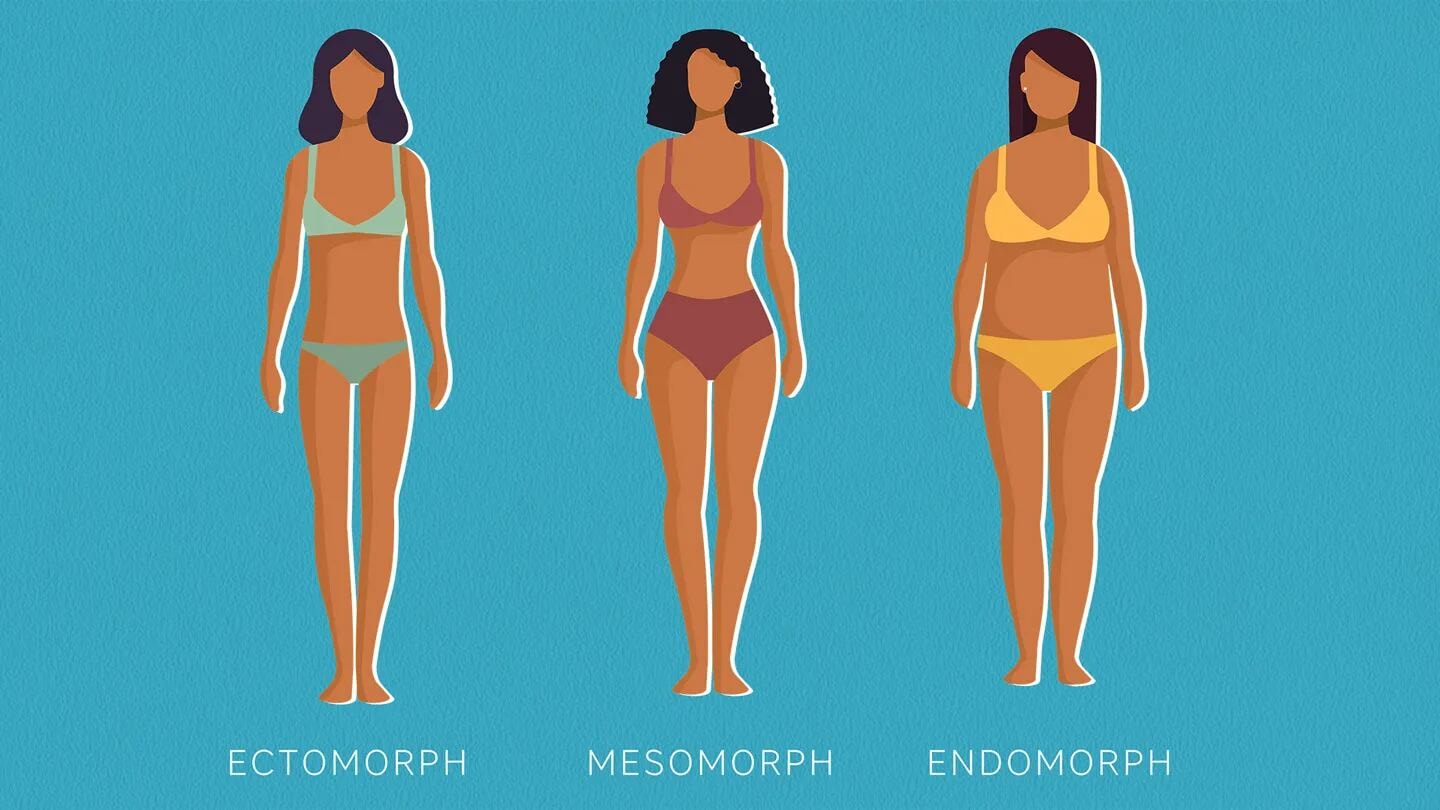
Understanding body type helps you match your calorie dense foods, nutrient rich foods, and extra calories to your natural build. Ectomorphs, mesomorphs, and endomorphs all process food differently, which changes how nutrient dense meals work for them.
Recognizing your type sets up personalized eating strategies for optimal healthy weight gain.
1. Ectomorph (Naturally Lean Body Type)
Ectomorphs have a high metabolism, which means they burn calories quickly and often struggle to maintain weight. To gain effectively, they need frequent meals packed with energy-dense foods that don’t cause fullness too fast.
What works best:
-
Add whole milk, natural peanut butter, and trail mix to your daily meals.
-
Choose starchy vegetables like potatoes and yams to increase calorie intake naturally.
-
Include evening snacks such as smoothies or dry fruits to sustain calorie flow.
Structured eating with consistent calorie surpluses helps ectomorphs achieve visible, long-term results without depending on unhealthy fats or supplements.
2. Mesomorph (Athletic and Balanced Body Type)
Mesomorphs have a naturally muscular and proportionate build with a metabolism that adapts easily. They respond best to balanced nutrition that includes both strength-building protein and clean carbs for energy.
What fuels steady gains:
-
Lean proteins such as chicken, paneer, eggs, or lentils.
-
Moderate complex carbohydrates like brown rice, oats, or millets.
-
Post-workout meals that mix carbs and protein for recovery and muscle growth.
Maintaining structure and portion awareness helps mesomorphs stay lean while gradually building muscle mass.
3. Endomorph (Naturally Broad or Curvy Body Type)
Endomorphs tend to store calories more easily, which means they must balance calorie intake with smart nutrient timing. The goal is steady gain through nutrient-dense meals without triggering fat storage.
Ideal nutrition pattern:
-
Focus on whole foods such as grains, vegetables, and healthy fats from olive oil or nuts.
-
Spread calories across smaller meals to maintain energy levels throughout the day.
-
Avoid refined carbs and late-night eating that slow metabolism.
This mindful structure helps endomorphs achieve healthy weight gain with energy stability and better muscle definition.
Each body type requires different ratios of calories, carbs, and proteins to grow efficiently. Understanding your natural build is the first real step toward a weight gain diet plan that works with your body, not against it.
The next section will show how to put these principles into action through a 10 Kg Weight Gain Diet Chart tailored to your type.
10 Kg Weight Gain Diet Chart for Different Body Types
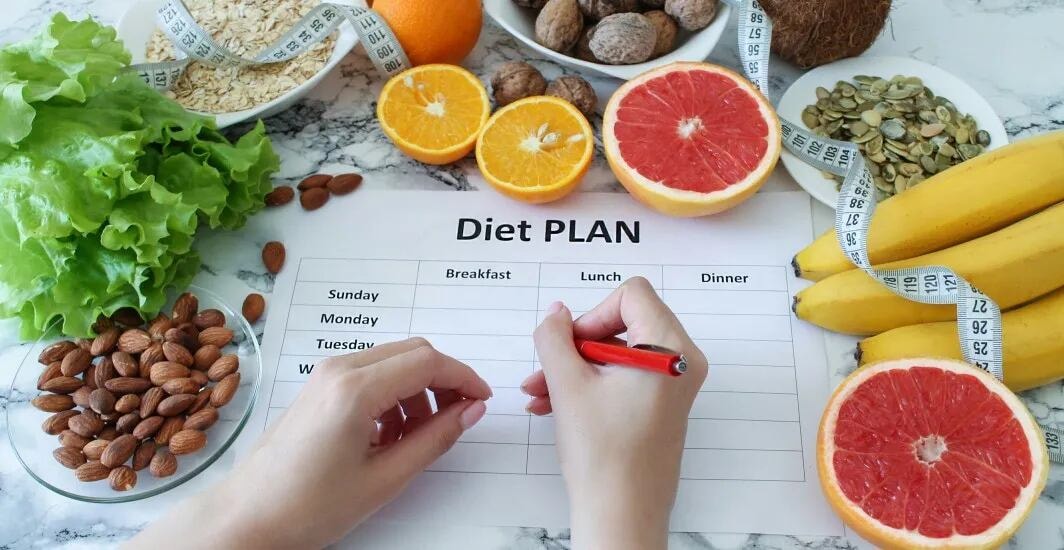
This weight gain diet plan focuses on nutrient dense foods like cottage cheese, whole milk, brown rice, and sweet potatoes. Adding whole grains, starchy vegetables, mixed nuts, trail mix, and healthy fats like olive oil or coconut oil creates a complete, calorie rich approach.
Let’s see how this chart fits each body type effectively.
| Body Type | Breakfast | Lunch | Dinner | Snacks / Add-ons |
|---|---|---|---|---|
| Ectomorph (Naturally Lean) |
Oats with whole milk, banana, and peanut butter | Brown rice with paneer curry and sautéed vegetables | Grilled chicken or tofu with quinoa and olive oil dressing | Trail mix, whole milk smoothie, or handful of almonds |
| Mesomorph (Athletic Build) |
3 boiled eggs or paneer toast with fruit | Quinoa with lentil curry and mixed salad | Fish or tofu with brown rice and green leafy vegetables | Peanut butter sandwich, yogurt with nuts |
| Endomorph (Broad Build) |
Vegetable omelet with whole-grain toast | Millet khichdi with curd and stir-fried greens | Grilled paneer or chicken with steamed vegetables | Roasted chickpeas, coconut water, or apple with nut butter |
This diet chart blends whole foods, slow-digesting carbs, and high-quality protein sources that help each body type gain healthy weight without relying on junk calories. The key is consistency, small calorie surpluses every day combined with strength training and proper sleep create lasting progress.
The next section explains how to tell if your weight gain is truly healthy and how to measure real muscle growth instead of temporary weight spikes.
How to Know If Your Weight Gain Is Actually Healthy?
Healthy weight gain means adding lean muscle mass, not just fat. Balanced protein intake, nutrient rich foods, and overall health checks help track progress correctly. By focusing on muscle mass and body composition, you can tell if your plan is truly working for you and not just adding numbers on a scale.
Here’s how to track progress accurately and gain weight healthily:
1. Digital Weighing Scale
Use a high-accuracy digital scale to track weekly changes instead of daily shifts. Check your weight in the morning before meals for a consistent reading.
-
Why it matters: You’ll learn how many calories you need to stay above your normal intake without overdoing it.
-
Ideal pace: A gain of 0.25–0.5 kg per week ensures sustainable weight gain and steady progress.
2. Body Composition Analyzer or Smart Scale
This tool measures fat, water, and muscle percentages to show whether your plan for weight gain is supporting lean mass or fat storage.
-
Why it matters: It helps identify if your healthy diet and strength training are working together to build lean muscle mass.
-
What to look for: Muscle mass increasing while fat levels remain stable or decrease slightly.
3. Measuring Tape for Inches and Muscle Growth
Track inches around your arms, chest, shoulders, and thighs every two weeks.
-
Why it matters: True progress often shows in inches before the scale reflects it.
-
Pro Tip: Combine these numbers with strength training logs to check if your workouts genuinely support muscle growth.
4. Progress Photos
Take photos every 15 days under the same lighting and posture.
-
Why it matters: Visual progress shows how your healthy foods and workouts change body tone, posture, and shape.
-
Smart addition: Pair photo tracking with body weight data to balance emotion with facts — not just numbers.
5. Fitness App or Calorie Tracker
Apps like Fitelo, MyFitnessPal, or HealthifyMe track your daily intake, workouts, and water.
-
Why it matters: They show whether your calorie surplus is consistent enough to gain weight healthily.
-
Try logging: Meals like Greek yoghurt with sliced fruit, whole grain breads with peanut butter, or whole grain crackers with cottage cheese for nutrient-dense, easy calories.
6. Strength and Performance Log
Record your workouts in a notebook or spreadsheet to track endurance and muscle development.
-
Why it matters: Seeing progress in push-ups, squats, or lifts confirms you’re not just gaining weight but building real strength.
-
Tip: Add fatty fish like salmon or mackerel to your diet to improve recovery and support muscle growth naturally.
7. Sleep and Recovery Tracker
Use a smartwatch or app to monitor your sleep patterns.
-
Why it matters: Deep sleep supports growth hormone production and ensures your extra calories convert to lean muscle.
-
Goal: 7–8 hours of restful sleep daily to keep metabolism stable and prevent losing weight unintentionally.
How to Read Your Progress
If you feel stronger, have better energy, and your clothes fit more comfortably, you’re on track for healthy, sustainable weight gain. Your plan for weight gain should combine a nutrient-dense healthy diet with consistent strength training, rest, and hydration.
A complete approach, built on real food, steady progress, and mindful tracking, ensures you gain weight healthily without overloading on natural sugars or empty calories. The next section explores common mistakes that slow your progress and how to avoid them before they undo your results.
Common Mistakes That Stop You from Gaining Weight Fast

Many people overdo refined carbs, junk foods, or unhealthy fats, thinking it accelerates results. Others ignore daily calorie intake or skip nutrient dense meals. Avoiding these traps ensures consistent progress. Understanding what really slows you down helps refine your weight gain diet plan.
1. Eating Too Many Processed High-Calorie Foods
Relying on junk foods and refined carbs adds calories but not nutrients. These poor sources don’t promote healthy weight gain and often lead to fat gain instead. Realizing this difference encourages smarter food swaps in your next meal plan.
Processed snacks add quantity but not quality. Instead of junk, focus on foods that provide both calories and nutrients:
-
Lean meats and fish for high-quality protein and recovery
-
Greek yoghurt or protein bars for convenient, clean calories
-
Whole grains and nuts for slow energy release
Smart fix: Build meals around calorie-dense, whole ingredients instead of packaged foods to create real, sustainable growth.
2. Skipping Post-Workout Meals
Skipping meals after exercise reduces protein intake and limits lean proteins your body needs for repair. Refueling post-workout ensures better recovery and muscle growth. This shows why timing matters as much as total intake.
Post-workout meals replenish energy and support recovery. To make the most of this window:
-
Eat within 30 minutes after your workout
-
Include both protein and carbs (e.g., Greek yoghurt with sliced fruit or eggs with whole grain bread)
-
Avoid skipping meals even on rest days to maintain steady muscle growth
Smart fix: Treat your post-workout meal as a non-negotiable part of your fitness plan, not an optional snack.
3. Not Drinking Enough Water for Digestion and Recovery
Hydration keeps metabolism and digestion aligned with overall health. Without enough water, nutrient absorption suffers, slowing progress. Recognizing hydration as a growth factor links diet and lifestyle seamlessly.
Proper hydration directly impacts digestion, energy, and appetite.
-
Dehydration reduces nutrient absorption and appetite
-
Drinking water before meals can improve digestion and calorie intake
-
Electrolyte-rich fluids help restore balance after workouts
Smart fix: Aim for 2.5–3 liters of water daily and add hydration reminders during training sessions.
4. Overreliance on Supplements Instead of Real Food
Protein powder can help but shouldn’t replace nutrient-dense foods that promote steady gains. Real, whole meals balance macros naturally. This sets the stage for choosing smarter, food-first approaches.
Supplements are tools, not shortcuts. Real progress comes from food that supports your metabolism and recovery:
-
Lean meats, fatty fish, and eggs for complete proteins
-
Greek yoghurt, cottage cheese, and nuts for natural calcium and healthy fats
-
Whole grains and fruits for sustained energy
Smart fix: Use supplements only to fill gaps in your diet, not as meal replacements.
5. Poor Sleep Schedule Despite Good Nutrition
Even the best meals won’t work without rest. Sleep enhances recovery, appetite balance, and overall health. This brings focus to the role of lifestyle in your weight gain diet plan.
During deep sleep, your body repairs muscle tissue and regulates appetite hormones. Without adequate rest:
-
Recovery slows, reducing strength and endurance
-
Hunger hormones become unstable, affecting appetite
-
Energy levels drop, leading to fewer calories consumed the next day
Smart fix: Maintain a consistent 7–8 hour sleep schedule to make your nutrition and workouts more effective.
6. Inconsistent Calorie Tracking or Meal Logging
Losing track of daily calorie intake can stall progress. Knowing your calorie intake daily ensures you’re maintaining the right surplus. This makes progress predictable and easier to adjust.
Keeping track doesn’t need to be complex:
-
Use apps like Fitelo or HealthifyMe to track meals
-
Check weekly calorie averages instead of daily fluctuations
-
Note when you’re eating fewer calories than needed to adjust early
Smart fix: Treat tracking as accountability, not restriction. It shows what’s working and where to adjust.
7. Ignoring Micronutrients and Fiber Intake
Focusing only on macros ignores the power of nutrient-rich foods and nutritious whole foods. Micronutrients keep metabolism running efficiently. This understanding highlights balance as the foundation for sustainable results.
Micronutrients and fiber are your hidden allies for steady gains:
-
Vitamins and minerals regulate metabolism and muscle repair
-
Fiber supports digestion and improves nutrient absorption
-
Whole foods like fruits, green vegetables, and legumes provide long-term energy balance
Smart fix: Add a mix of colorful fruits and vegetables daily to round out your meals naturally.
8. Giving Up Too Early Before Results Show
Weight gain goals need patience and discipline. Early plateaus don’t mean failure but adjustment. Knowing this helps build a long-term mindset before moving to precise progress tracking.
Healthy transformation is slow by design.
-
Muscle gain happens in small, consistent increments
-
Temporary stalls are part of adaptation, not setbacks
-
Tracking progress through energy, strength, and mood keeps motivation high
Smart fix: Focus on weekly trends, not daily numbers. Progress that feels slow often turns out to be the most sustainable.
Fixing these habits turns scattered effort into measurable growth.
FAQs
1. Can You Gain Weight Fast Without Eating Junk Food?
Yes. Focus on calorie-dense whole foods like nuts, seeds, dairy, rice, paneer, and nut butters. Pair them with complex carbohydrates and healthy fats to gain weight fast without relying on processed or fried junk.
2. Is Dark Chocolate Really Good for Gaining Weight the Healthy Way?
Yes. Dark chocolate (70% cocoa or higher) is calorie-rich and packed with antioxidants and healthy fats. It’s a smart high-calorie snack when eaten in moderation, helping you gain weight without adding empty calories.
3. How Can Grain Bread Help in Building Muscle and Weight Gain?
Grain bread provides complex carbohydrates and fiber for steady energy release. When paired with protein-rich foods like eggs or peanut butter, it supports muscle repair and consistent weight gain.
4. What’s the Safest Way for Female Gain Weight Without Hormonal Imbalance?
Eat balanced meals with enough calories from whole foods, maintain moderate strength training, and get 7–8 hours of sleep. Avoid extreme calorie surpluses or processed foods that can trigger hormonal fluctuations.
5. How Much Protein Do You Actually Need Daily to Gain Weight Effectively?
Aim for 1.6–2.2 grams of protein per kilogram of body weight daily. This range supports muscle growth, helps recover from workouts, and ensures your weight gain is lean, not fat-heavy.
Conclusion
The essence of lasting weight gain lies in awareness, knowing what your body truly needs and giving it enough time to adapt. This plan is less about speed and more about steady progress, built through mindful eating, regular tracking, and a calm, consistent approach.
As you move forward, focus on structure over shortcuts and nourishment over excess. Stay consistent, stay patient, and let each meal bring you closer to strength that lasts, not just weight that shows.




Leave a comment
Translation missing: en.blogs.comments.discription