

Weight-reducing foods Indian diets often miss can actually aid fat loss. Discover easy, science-backed ingredients hiding in plain sight.
You don’t need to swap dal for kale or give up roti for avocado toast to lose weight. The truth? Traditional Indian foods already have powerful weight-loss benefits; you just haven’t been told where to look.
A study by ICMR-NIN found that over 60% of urban Indians rely on refined carbs daily. That’s part of the problem.
This guide uncovers the hidden, fat-fighting foods in your own kitchen and how to use them right, no imported quinoa required.
How Traditional Indian Food Habits Influence Weight Loss and Fat Loss
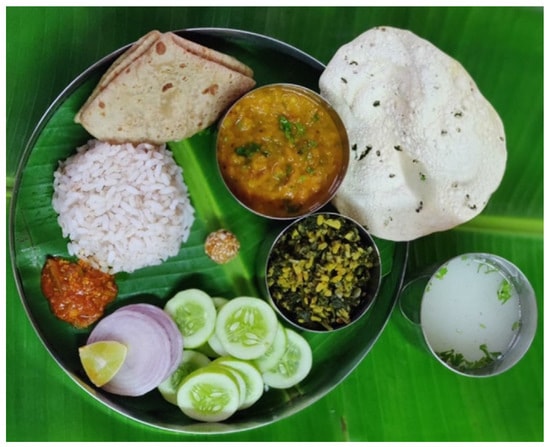
Traditional Indian cuisine emphasizes whole grains, vegetables, and healthy fats that help manage body fat and boost metabolism.
You’ll learn how small tweaks in portion control, avoiding refined carbohydrates, and eating the right foods can make losing weight simple and sustainable.
1. Balanced Meals Are Built Into Indian Diets
Indian food is built on balanced meals combining proteins, whole grains, and low-fat ingredients that naturally stabilize weight gain and support digestion. Learn how home-cooked staples make for the perfect diet plan foundation without extra effort.
Indian meals already follow the "balanced plate" rule. Think of a thali, it has dal (protein), rice or roti (carbs), sabzi (veggies), and a bit of ghee (fat). All food groups are right there.
-
Balanced meals keep you full longer
-
They prevent overeating and late-night snacking
-
They reduce sudden blood sugar spikes
2. Whole Grains Support Satiety and Metabolism
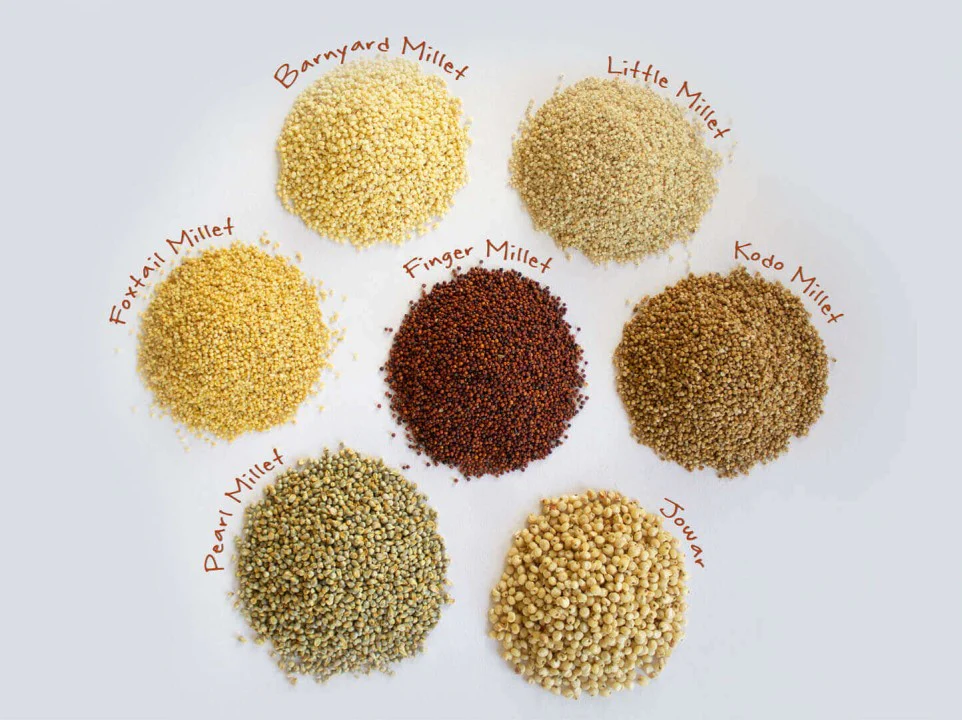
Switching from refined carbs and white rice to brown rice and millets promotes fullness, reduces cravings, and supports high fibre intake. Discover how traditional whole grains keep your metabolism active while cutting extra calories throughout the day.
Whole grains are high in fiber. This helps your stomach feel full without eating too much.
-
Fiber keeps you full for a longer time
-
It improves digestion
-
It stops cravings between meals
Examples of Indian whole grains to add:
-
Brown rice instead of white rice
-
Ragi (finger millet) dosa or roti
-
Bajra (pearl millet) khichdi
-
Jowar (sorghum) roti
Fun fact: A 2021 NIN-ICMR report showed that increasing millet intake reduced body fat in overweight individuals in just 12 weeks.
3. Healthy Fats Are Part of Everyday Cooking
Fats like olive oil, ghee, and nuts are integral to the Indian diet plan. Learn how to use these healthy fat wisely for better hormone balance, steady energy, and natural fat burning without overloading your diet chart.
Not all fats are bad. Your body actually needs some fat to function well.
-
Ghee contains butyric acid, which improves gut health
-
Nuts like almonds and walnuts provide protein
-
These fats support hormone health and fat metabolism
4. Spices Boost Metabolism and Aid Digestion
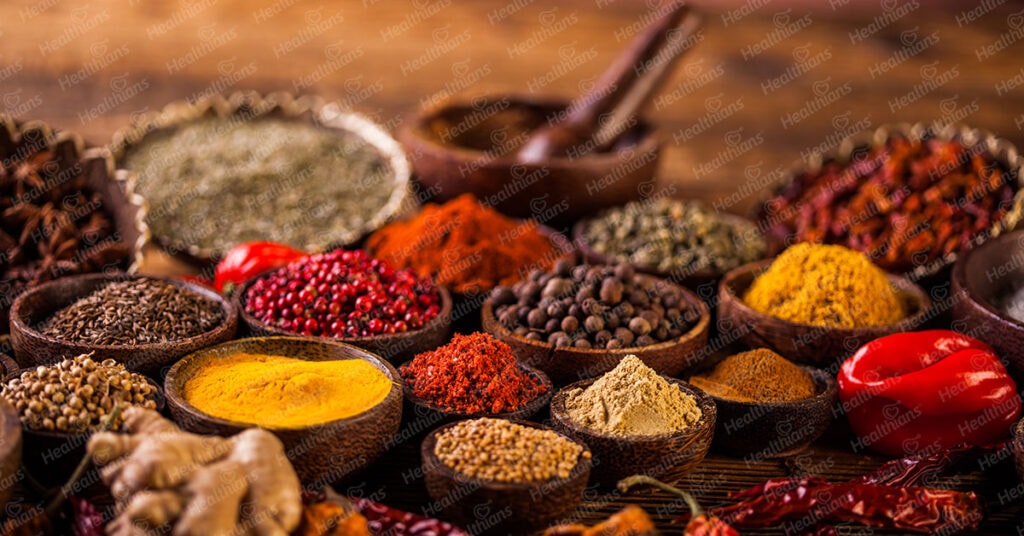
Indian spices like turmeric, cumin, and fenugreek aid digestion and support digestion while naturally helping the body lose fat. These simple seasonings also fight inflammation and replace dependence on processed foods.
Spices do more than just add taste. Some of them can help your body burn fat faster and digest food better.
-
Many Indian spices improve gut health
-
They regulate blood sugar and fight bloating
-
They replace high-salt or high-sugar sauces
Indian Spices That Help Reduce Weight
Explore traditional Indian foods and spices proven to boost metabolism and enhance gut health. From cumin water to ginger tea, these flavorful remedies regulate calorie intake and keep you on track with your plan for weight loss.
| Spice | Key Benefit | How It Helps in Weight Reduction | Best Way to Use |
|---|---|---|---|
| Turmeric (Haldi) | Anti-inflammatory & metabolism booster | Curcumin helps burn fat and reduce inflammation that can slow weight loss. | Add to curries, warm milk, or detox drinks. |
| Cinnamon (Dalchini) | Regulates blood sugar | Keeps blood sugar steady, reducing cravings and overeating. | Sprinkle on oatmeal, tea, or smoothies. |
| Cumin (Jeera) | Boosts digestion & fat metabolism | Enhances enzyme activity for better digestion and fat breakdown. | Drink jeera water on an empty stomach. |
| Black Pepper (Kali Mirch) | Increases metabolism | Piperine boosts calorie burning and enhances nutrient absorption. | Add freshly ground pepper to salads or soups. |
| Fenugreek (Methi Seeds) | Appetite control | Fiber in methi seeds promotes fullness and reduces hunger. | Soak overnight and drink methi water in the morning. |
| Ginger (Adrak) | Thermogenic & detoxifying | Boosts metabolism and helps burn calories faster. | Add to tea, soups, or lemon-ginger detox drinks. |
| Cardamom (Elaichi) | Digestive aid | Improves digestion and reduces bloating. | Add to green tea or post-meal drinks. |
| Clove (Laung) | Stimulates metabolism | Helps regulate cholesterol and supports fat metabolism. | Use in spice mixes or herbal teas. |
| Mustard Seeds (Sarson) | Thermogenic properties | Helps the body burn more calories during digestion. | Use in tadkas or roasted vegetables. |
5. High Vegetable and Legume Intake Keeps Calories Low
Eating more vegetables and legumes adds volume without extra calories. Discover how non-starchy vegetables like mustard greens and lentils enhance food intake and deliver nutrients that help in losing weight sustainably.
Vegetables give you lots of nutrients and fiber without too many calories.
-
You eat bigger portions without gaining weight
-
You get full faster
-
You improve your digestion naturally
What to eat more of:
-
Spinach, lauki, bhindi, tinda, mustard greens
-
Dals like moong, masoor, and chana
-
Mix veggies with low oil stir-fry or soups
6. Traditional Drinks and Foods Boost Metabolism Naturally
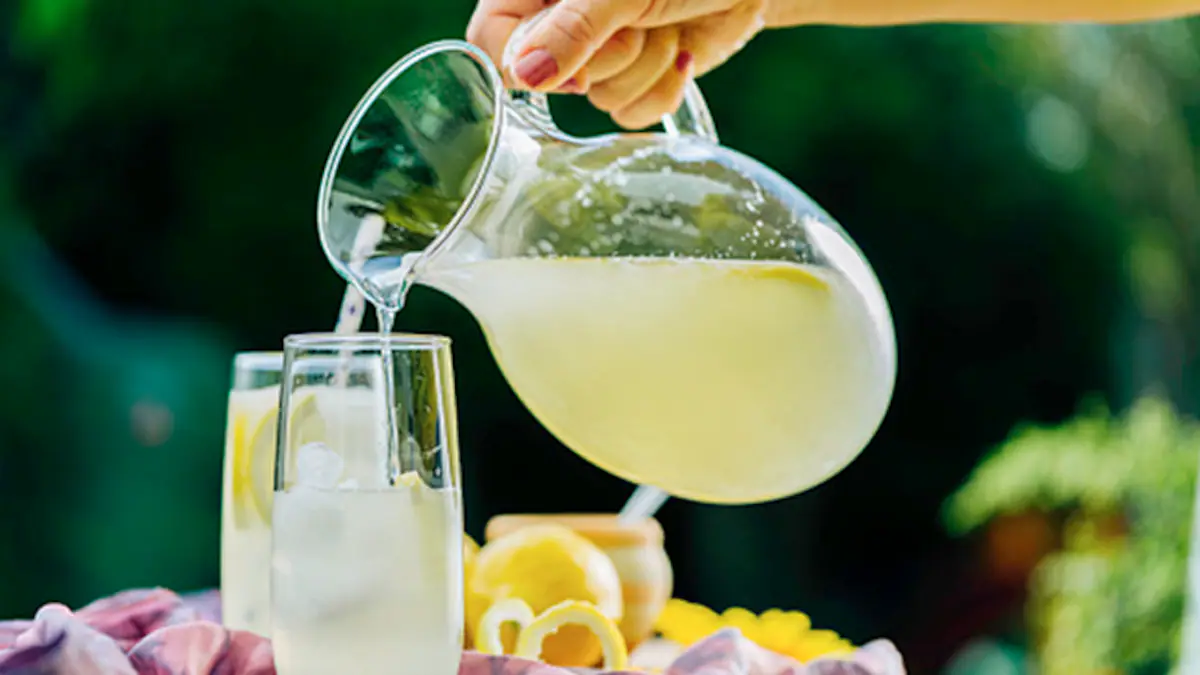
Learn how low-calorie Indian foods like green tea, buttermilk, and lemon water promote healthy metabolism and burn fat faster. These time-tested options replace sugary drinks and sugary snacks for better hydration and natural fat loss.
You don’t need fancy detox juices. Your kitchen already has simple drinks that help burn fat.
Drinks to try:
-
Green tea – enhances metabolism
-
Lemon water with honey – helps early morning fat burn
-
Lauki Juice
-
Buttermilk – improves digestion and cuts cravings
-
Jeera water – reduces bloating
7. Fermented and Probiotic Foods Enhance Gut Health
Probiotic staples like curd, idli, and dosa strengthen gut health, aid nutrient absorption, and reduce body fat. Including these whole foods in your indian weight loss diet helps improve digestion and keeps your metabolism active.
A healthy gut helps your body absorb the right nutrients. It also prevents bloating and weight gain.
Easy Indian probiotic foods to include:
-
Curd (dahi) with lunch
-
Idli or dosa made from fermented batter
-
Pickled vegetables in small amounts
Quick tip: Eat curd daily. It's affordable, delicious, and keeps your gut happy.
“If you’re ready to make those tweaks but need support, talk to our certified nutritionist now via Balance Bite. They help busy people transform with science + simplicity.”
Indian Healthy Foods That Help Reduce Weight Naturally
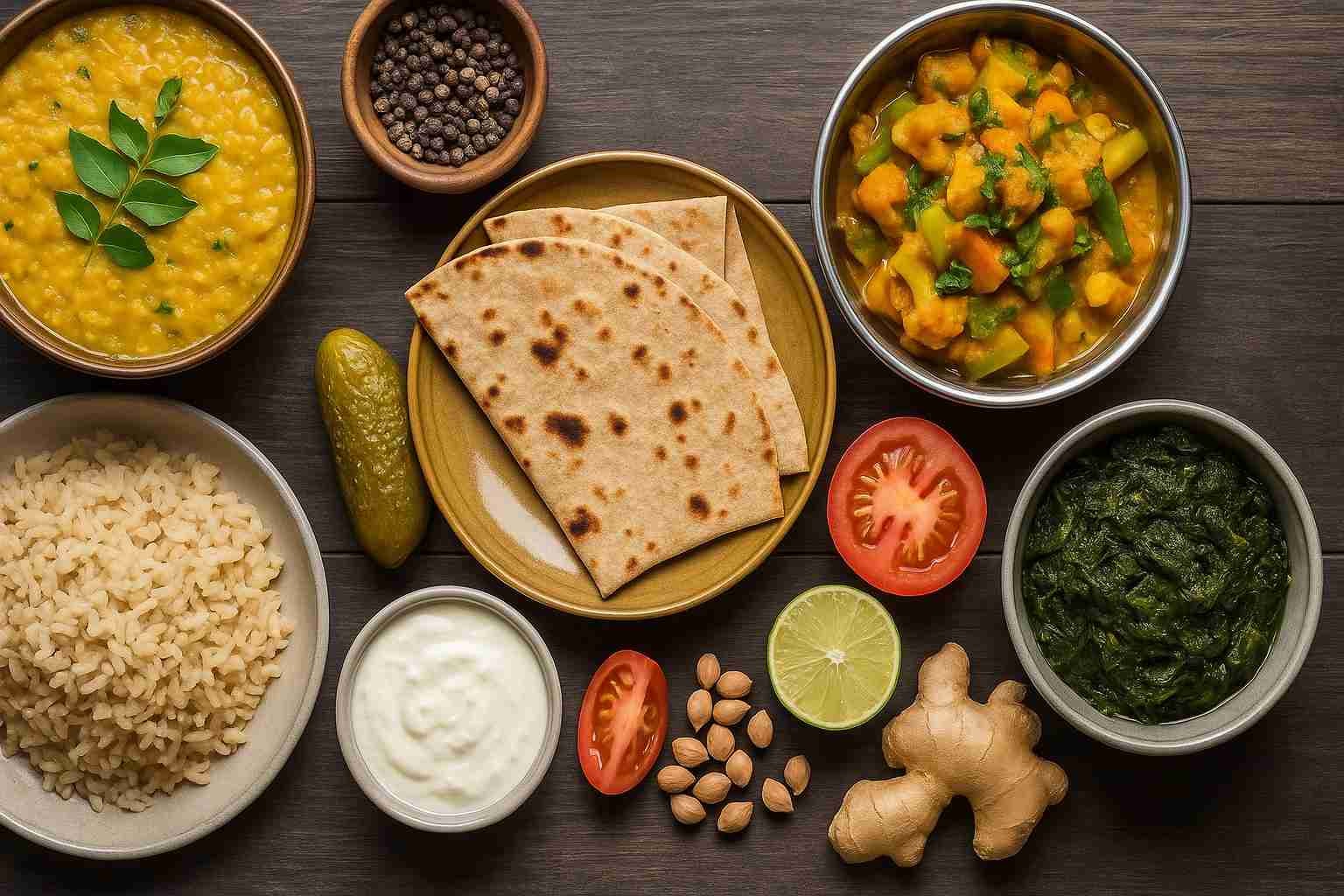
A well-rounded Indian diet plan includes low-fat, high-fibre, and low-calorie ingredients that make losing weight achievable.
Here’s how traditional staples like whole grains, legumes, and fresh produce fit perfectly into your diet chart for weight loss.
1. Whole Grains & Complex Carbs
Incorporate brown rice, whole wheat, and millets into your diet plan for weight loss. These whole grains reduce refined grain dependency, control calorie intake, and improve digestion.
-
Brown Rice: A better option than white rice. It has more fiber and helps control hunger.
-
Millets (Ragi, Bajra, Jowar): These are packed with nutrients. They improve gut health and support weight control.
-
Whole Wheat Roti: Avoid maida. Whole wheat rotis keep energy levels steady.
-
Sweet Potatoes: High in fiber and great for curbing sugar cravings.
-
Oats / Daliya: Great breakfast choices. They’re light but filling and improve bowel movements.
2. Protein-Rich Indian Foods
Protein-rich staples like chana masala, kidney beans, and stir-fried tofu prevent weight gain and promote healthy weight maintenance. These foods form the heart of a balanced Indian weight loss diet.
Protein helps build muscle and keeps you full. It also burns more calories during digestion than carbs or fats. If you’re trying to lose weight, protein must be part of your daily meals.
Good protein-rich Indian options:
-
Moong Dal & Masoor Dal: Easy to cook, high in protein, and very light.
-
Chana Masala (Chickpeas): Keeps you full and is great for lunch or dinner.
-
Rajma (Kidney Beans): Tasty and filling. Combine with brown rice for a power-packed meal.
-
Tofu & Paneer (Low Fat): Try grilled tofu or low-fat paneer for protein without heavy fats.
-
Chicken Breast (Grilled or Boiled): A lean meat option that helps with fat loss and muscle support.
3. Vegetables & Low-Calorie Foods
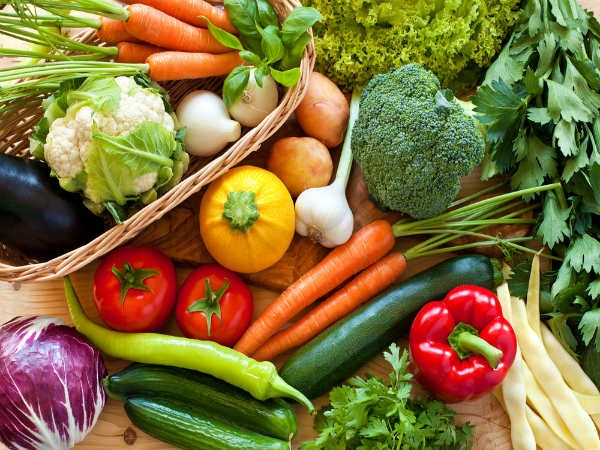
More vegetables mean fewer extra calories. Vegetable stir fry, sautéed veggies, and vegetable soup are low-calorie Indian foods that aid digestion, boost fullness, and promote fat loss.
Vegetables are full of fiber, vitamins, and water. They help you eat more volume without increasing calories. This keeps you satisfied and helps cut down on junk food.
Top veggies to eat more often:
-
Palak (Spinach) and Mustard Greens: Great for iron and fiber. They’re light and easy to digest.
-
Non-Starchy Vegetables (Lauki, Tinda, Bhindi): These help you lose fat without feeling hungry.
-
Vegetable Stir Fry / Sautéed Veggies: Use olive or mustard oil in small amounts. Add turmeric or jeera for extra benefit.
-
Vegetable Soup: Great dinner option. It keeps your calories low and fills your stomach.
4. Fruits & Natural Fiber Sources
Include fresh fruits and chia seeds to increase high fibre intake and curb sugary snacks. This section explains how fruits and seeds help regulate food intake while supporting digestion.
Fruits and seeds are rich in fiber. They also taste great and help control hunger. Fiber slows digestion, which keeps you full for longer. This helps you avoid junk food and extra calories.
Try these Indian-friendly options:
-
Fresh Fruits (Apples, Papaya, Guava): These are low in calories and high in fiber. Guava has more fiber than an apple. Papaya helps with digestion.
-
Chia Seeds & Flax Seeds: Just one spoon of chia seeds in water or curd can keep you full for hours. Flax seeds help control cholesterol and body fat.
-
Bananas (in moderation): Bananas give you quick energy and are easy to digest. One a day is okay, especially before a workout.
5. Healthy Fats & Oils
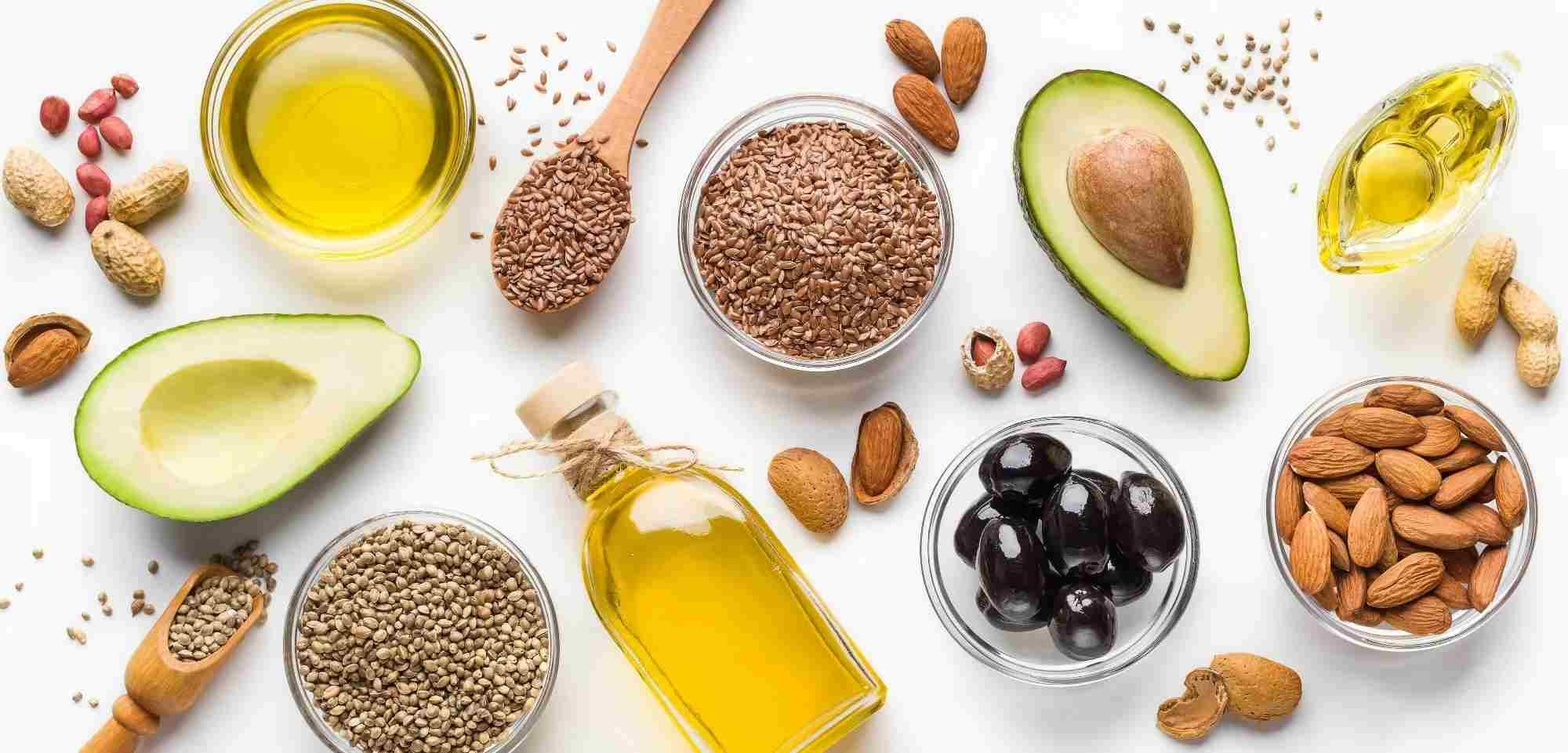
Choose olive oil, ghee, and nuts for essential healthy fat. These whole foods support metabolism and portion control, balancing your indian diet plan effectively.
Fats are not always bad. Your body needs some fat to stay healthy. The trick is choosing the right kind and eating the right amount.
Use these weight-friendly fats:
-
Ghee (in moderation): A small spoon of ghee on roti or rice adds flavor and helps digestion.
-
Olive Oil / Mustard Oil: These are great for cooking. Mustard oil boosts fat burning. Olive oil is good for the heart.
-
Nuts (Almonds, Walnuts – Small Handful): Nuts give energy, protein, and fiber. A small handful keeps cravings away.
6. Traditional Fat-Burning Drinks
Drinks like green tea and buttermilk are effective fat-burning aids that promote gut health. They also reduce reliance on refined carbohydrates and help sustain weight loss goals.
Your drinks matter as much as your food. Many people consume too many calories without knowing it. These Indian drinks can help you burn fat and feel fresh.
Choose these instead of soda or sugary drinks:
-
Green Tea: Full of antioxidants. It improves your metabolism and helps burn fat.
-
Buttermilk / Curd: A great cooling drink. It improves digestion and gives protein and probiotics.
-
Lemon Water / Jeera Water: Jeera water helps reduce bloating. Lemon water gives you a light, refreshing start in the morning.
How to Build a Sustainable Indian Diet Chart
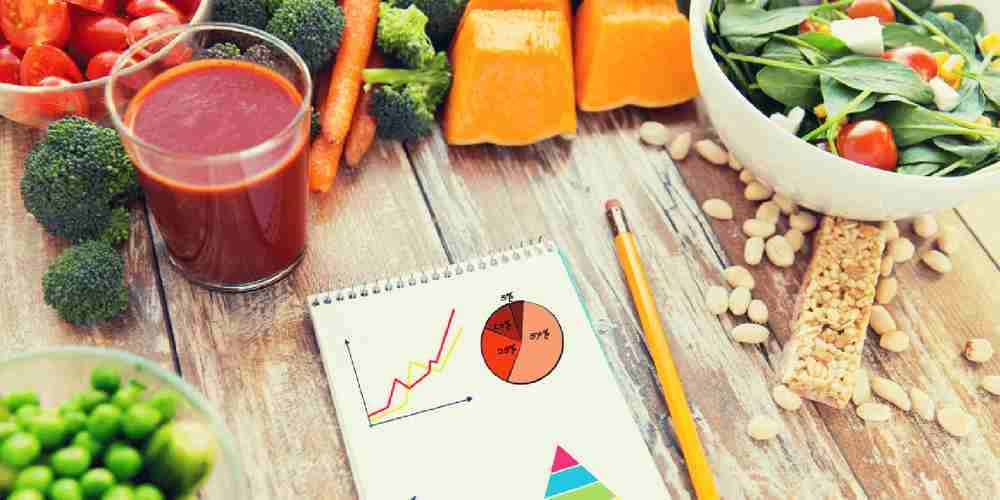
Learn to design an indian diet chart that’s realistic, nutrient-rich, and fits your lifestyle. This step-by-step diet plan emphasizes whole foods, low-calorie Indian foods, and sustainable portion control for long-term weight loss.
Step 1: Understand Your Body’s Calorie Needs
Calculate your calorie intake based on your goals. Knowing how much to eat prevents extra calories and helps maintain a healthy weight without cutting essential nutrients.
-
Use a basic online calorie calculator. It gives a rough number to follow.
-
If your goal is to lose fat, eat slightly fewer calories than you burn.
-
Don’t go too low. Eating too little slows your metabolism.
The Indian Council of Medical Research (ICMR) suggests an average adult needs between 1,800–2,200 calories a day.
Step 2: Focus on Balanced Meals
Your diet chart should feature balanced meals that mix whole grains, proteins, and vegetables. Avoid processed foods and refined carbs to improve digestion and sustain weight loss. Your plate should include foods from different food groups. This helps your body get all the nutrients it needs.
-
Fill half your plate with vegetables
-
Add a serving of whole grains like brown rice or whole wheat roti
-
Add a protein like dal, tofu, or grilled chicken
-
Skip packaged snacks and sugary drinks. Fried items like pakoras, puris, and samosas should be enjoyed rarely, as they add excess calories and slow fat loss.
A recent International Journal study found that replacing fried foods and white bread with lighter Indian meals like palak paneer can significantly improve metabolism and support long-term fat loss.
Step 3: Choose Whole and Local Foods
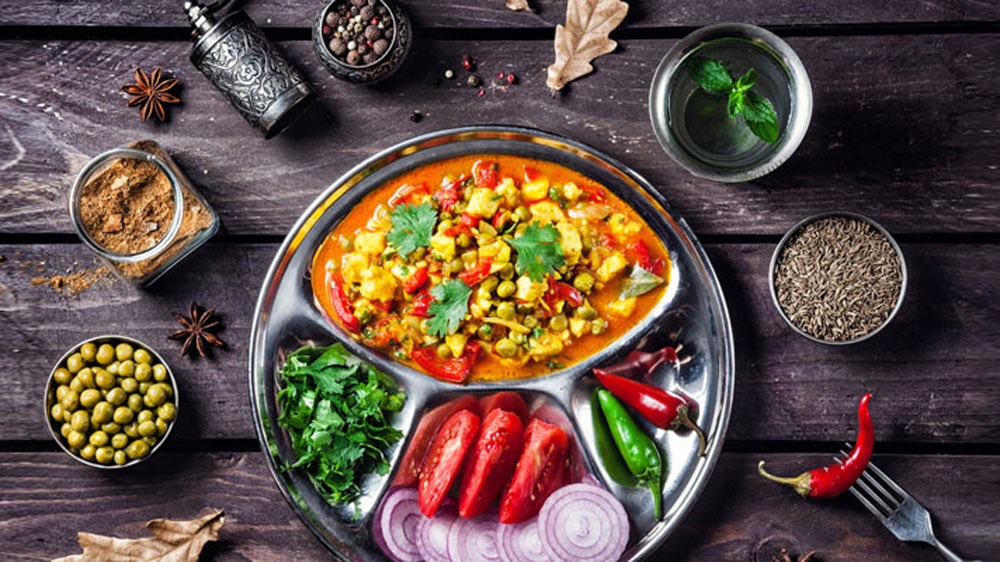
Focus on traditional Indian foods like lentils, brown rice, and seasonal produce. Local whole foods reduce body fat and promote natural fat loss. Indian kitchens already have powerful weight-reducing foods. You just need to pick the right ones.
-
Eat seasonal veggies like spinach, pumpkin, or ridge gourd
-
Use lentils like moong dal and masoor dal
-
Replace maida with whole wheat
-
Choose bananas, papayas, and guavas over imported fruits
Step 4: Plan for Low-Calorie, High-Fiber Foods
Add high-fibre and low-calorie Indian foods such as spinach, oats, and sweet potatoes. These reduce refined carbohydrates and promote fullness for losing weight sustainably. Fiber helps you feel full, lowers your appetite, and supports digestion.
-
Add oats or daliya for breakfast
-
Include non-starchy vegetables in every meal
-
Eat a fruit with the skin (like apples or pears)
-
Add soaked chia or flax seeds to curd or smoothies
Step 5: Eat Meals on Time
Eat meals consistently every 3–4 hours to prevent weight gain. This habit supports better food intake regulation, steady energy, and improved digestive support. Skipping meals or eating late can lead to overeating later in the day.
-
Eat breakfast within 1 hour of waking up
-
Have lunch and dinner at the same time daily
-
Keep healthy snacks ready like fruit, nuts, or roasted chana
-
Don’t wait until you’re starving to eat
Regular timing helps your body digest food better and burn calories efficiently.
Step 6: Control Portions Without Skipping Meals
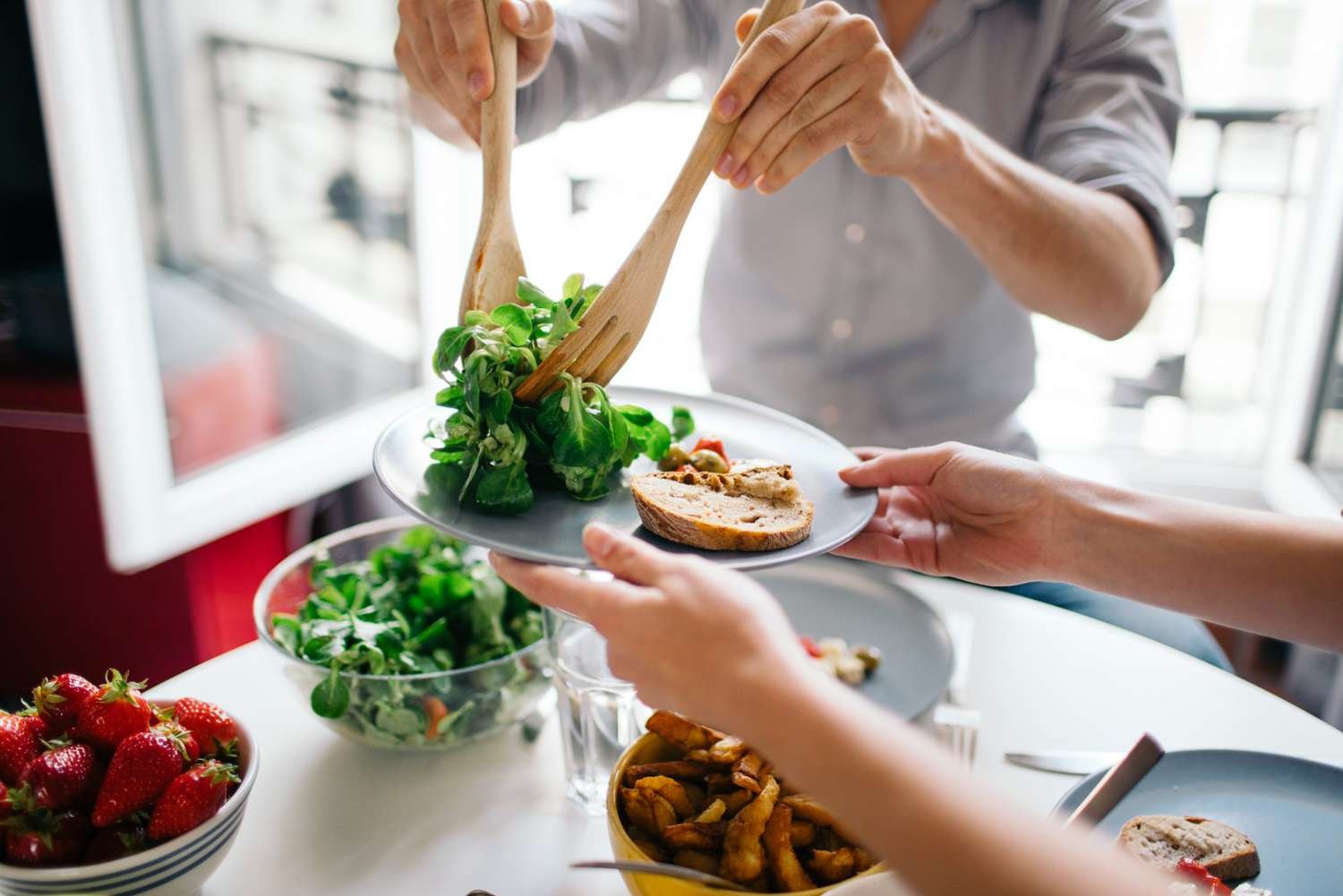
Portion control helps prevent extra calories and overeating. Learn to manage diet plan portions using visual cues to balance healthy fat and whole grains. Even healthy food can lead to weight gain if you eat too much.
-
Use a small plate to avoid overfilling
-
Measure rice and roti (1 cup rice or 1–2 rotis is enough)
-
Keep ghee to 1 tsp per meal
-
Limit nuts to a small handful per day
-
Don’t eat straight from a packet
A simple trick: Half your plate = veggies, one-quarter = protein, one-quarter = carbs.
Step 7: Create a Practical Daily Schedule
Build a realistic indian diet plan using whole wheat, green tea, and non-starchy vegetables. This ensures you lose fat consistently without relying on expensive supplements. The best diet is one you can follow every day without stress.
-
Start your day with lemon or jeera water
-
Eat oats or daliya for breakfast
-
Lunch can be brown rice, sabzi, and dal
-
Snack on fruits or buttermilk
-
Dinner should be light and early
-
Drink green tea mid-day, not at night
Don’t forget to sleep on time and drink enough water.
“Want help applying these tips to your daily meals? Book your free consultation today at Balance Biteand see how they deliver a custom nutrition plan plus groceries to your door.”
Simple Recipes to Add to Your Diet Plan for Weight Loss
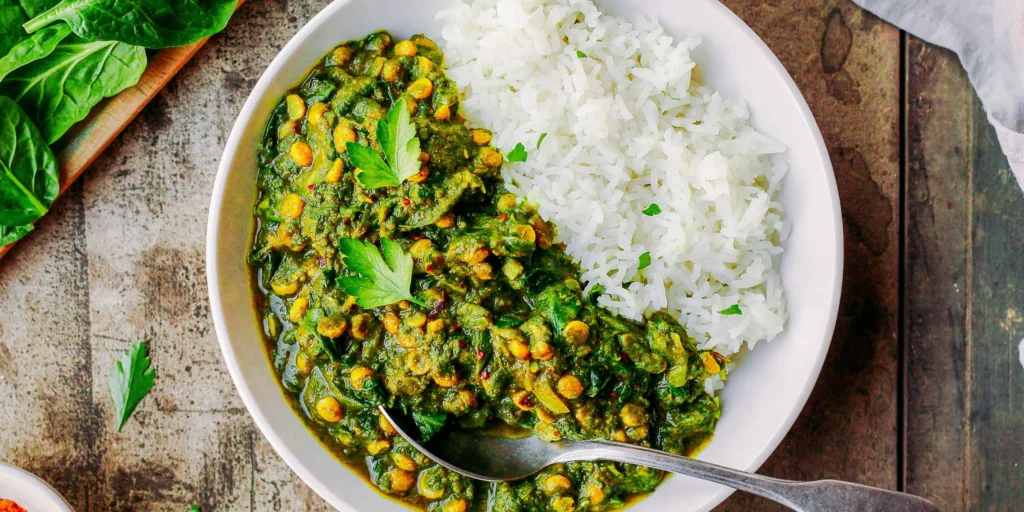
This section shares simple low-fat and high-fibre Indian recipes designed to help you lose fat effectively. Each dish uses the right foods from the indian cuisine to maintain a healthy weight and steady diet for weight loss.
1. Moong Dal Chilla (Lentil Pancake)
A light, protein-packed option that fits perfectly into your indian weight loss diet. This helps regulate calorie intake while satisfying cravings.
A savory pancake made from soaked and blended yellow moong dal.
Recipe Instructions:
-
Soak 1 cup yellow moong dal for 3–4 hours.
-
Blend with green chili, ginger, and water into a smooth batter.
-
Add salt and chopped vegetables (onion, spinach, tomato).
-
Pour batter onto a non-stick pan. Cook on both sides until golden.
-
Serve with mint chutney or plain curd.
2. Brown Rice Khichdi
Combines whole grains and fiber for balanced meals that promote fat loss. Ideal for anyone losing weight without giving up traditional comfort food.
A one-pot dish made with brown rice, lentils, and veggies.
Recipe Instructions:
-
Take ½ cup brown rice and ¼ cup moong dal. Wash and soak them.
-
Add chopped carrots, beans, and spinach.
-
Add turmeric, cumin seeds, and salt.
-
Pressure cook for 4–5 whistles.
-
Add a spoon of ghee (optional) before serving.
3. Stir-Fried Tofu with Vegetables
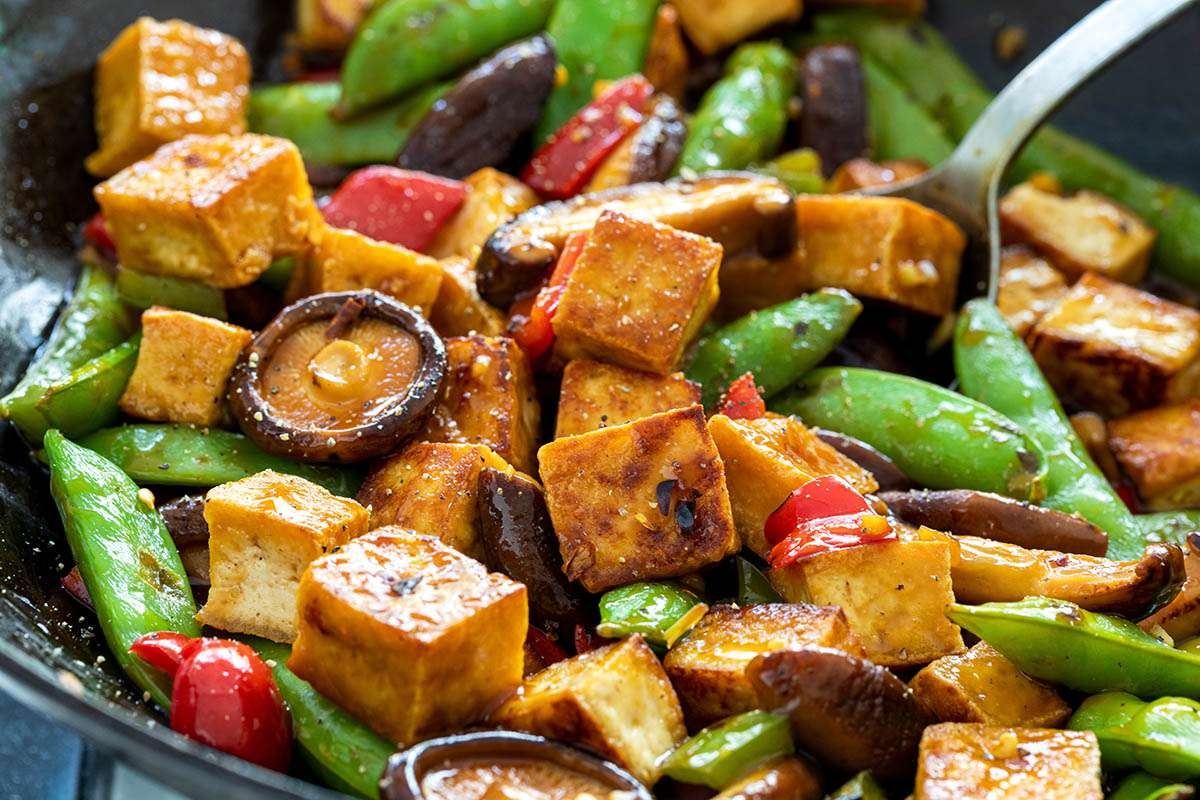
This stir-fried veggies and tofu recipe adds healthy fat and protein for muscle tone and reduced body fat.
A quick sautéed dish made with tofu and colorful vegetables.
Recipe Instructions:
-
Cut tofu into cubes. Lightly fry in olive oil.
-
In a pan, sauté chopped broccoli, bell peppers, and carrots.
-
Add tofu back in. Sprinkle with black pepper and a pinch of salt.
-
Stir for 5–7 minutes on low flame.
4. Chana Masala with Whole Wheat Roti
A hearty, high-protein meal with chana masala and whole wheat is great for diet plan variety and portion control.
Spicy chickpeas served with whole wheat Indian bread.
Recipe Instructions:
-
Soak 1 cup chickpeas overnight. Boil until soft.
-
Cook with onion, tomato, ginger, garlic, and spices (turmeric, cumin, coriander).
-
Simmer for 15–20 minutes.
-
Serve with one whole wheat roti.
5. Grilled Chicken Breast with Mustard Greens
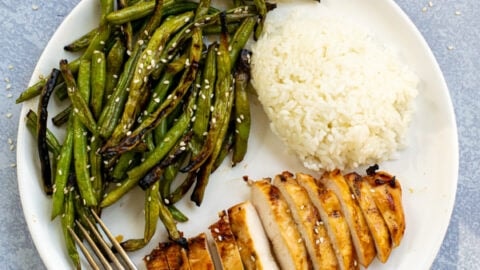
Lean chicken breast and mustard greens deliver iron and protein with minimal extra calories. This dish supports fat burning and steady energy.
Recipe Instructions:
-
Marinate chicken breast with lemon juice, garlic, and pepper.
-
Grill or pan-cook with a few drops of olive oil.
-
Sauté mustard greens with jeera and garlic in a separate pan.
-
Serve together with lemon on top.
It’s a low-fat meal with high protein and iron. Mustard greens are fiber-rich and help digestion.
6. Chia Seeds Kheer (Healthy Dessert Twist)
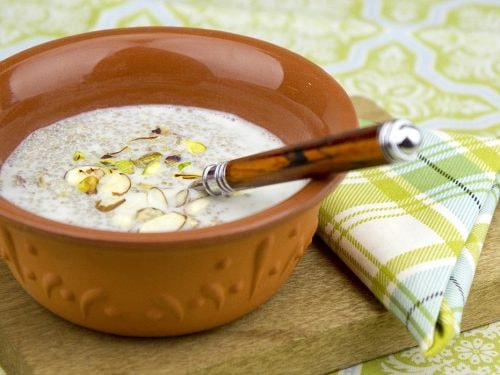
A modern take on rice pudding, this dessert uses chia seeds and low-fat milk for a creamy, low-calorie option that improves gut health and aids digestion.
Recipe Instructions:
-
Soak 2 tablespoons of chia seeds in ½ cup warm low-fat milk.
-
Add cardamom powder and chopped almonds.
-
Let it sit for 2–3 hours in the fridge.
-
Add stevia or 1 tsp honey if needed.
Why it helps: Chia seeds are rich in fiber and omega-3. This dessert is light but filling.
Craving more? Get a Personalized Diet Plan + Groceries Delivered by Balance Bite to make these recipes part of your daily routine—no fuss, no extra shopping stress.”
Conclusion
Final thoughts: Losing weight doesn’t mean giving up traditional food. Indian meals already offer powerful, science-backed options that support fat loss.
By choosing balanced meals, whole grains, and simple homemade recipes, you can build a diet plan that’s both effective and sustainable. The key is to focus on high-fiber, low-calorie foods and avoid processed, refined items.
These weight-reducing foods in Indian diets are often overlooked, are affordable, easy to cook, and proven to work. Start with small changes, stay consistent, and let your own kitchen guide you toward healthy weight loss, no imported superfoods needed.




Leave a comment
Translation missing: en.blogs.comments.discription